Here’s the direct answer: a wood stove needs a professional chimney sweep for wood stove service at least once a year, even if you only burn a handful of cords each winter. Light use does not mean light risk. Creosote — the dark, tar-like byproduct of burning wood — builds up whether you use the stove five nights a season or fifty, and it’s the leading cause of chimney fires nationwide, according to the National Fire Protection Association.
I’ve walked into Marion County homes where the owner swore the stove "barely gets used," only to find a flue lined with glazed creosote thick enough to choke airflow. That’s the gap between what homeowners believe and what’s actually happening behind the damper. Below are the myths I hear most often, why they cost people money and safety, and what to do instead.
1. "We Barely Use It, So We Don’t Need a Sweep"
This is the myth that costs the most in Marion County, where many homeowners only fire up the wood stove during the occasional cold snap. Light use actually makes buildup worse in some cases, because cooler, slower-burning fires produce more creosote than a hot, steady burn. The stove sits unused for months, moisture gets trapped, and the deposits harden.
The real risk is that homeowners assume low frequency equals low danger, then skip inspections for two or three years in a row. By the time smoke starts backing up into the room, creosote has often glazed over and hardened into a much tougher removal job. Instead, schedule a chimney sweep for wood stove systems annually regardless of how often it’s lit — the Chimney Safety Institute of America recommends yearly inspections for exactly this reason.
2. "A Little Creosote Is Normal and Harmless"
Some creosote is unavoidable with any wood-burning appliance. The myth is believing a thin coating poses no threat. Creosote comes in stages, from flaky soot to a hardened, glossy glaze that’s much harder to remove and far more flammable.
Homeowners who’ve "always had a bit of buildup" without a fire often assume that’s just how it is. That thinking ignores how quickly stage two or three creosote can ignite inside a flue, generating temperatures that can crack tile liners or ignite nearby framing. A certified chimney inspection tells you which stage you’re dealing with before it becomes an emergency rather than a routine cleaning.
3. "Any Handyman Can Sweep a Chimney"
Sweeping looks simple from the outside — brush in, brush out. In practice, a wood stove flue often has bends, dampers, and connector pipe that require specific tools and training to clean without damaging the liner or missing hidden creosote pockets.
An uncertified crew may knock loose debris into the firebox and call it done, leaving glazed deposits higher up the flue untouched. That’s a liability for your insurance claim if a fire ever starts, since many policies ask for proof of licensed work. Always Fire & Gas carries two Florida state licenses and six national certifications, including CSIA Certified Chimney Sweep credentials, so the documentation holds up if you ever need it.
4. "Clean Glass Means a Clean Flue"
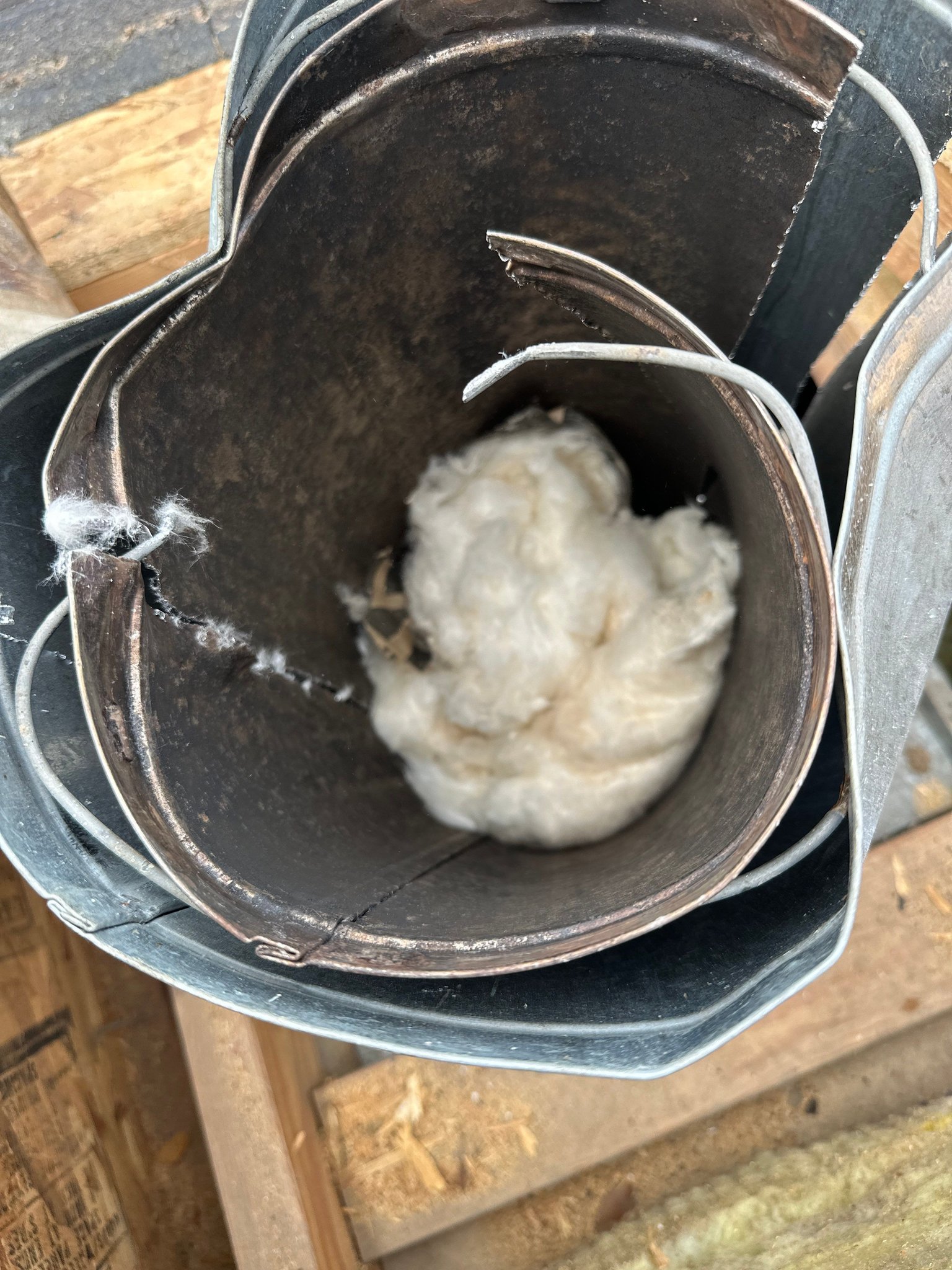
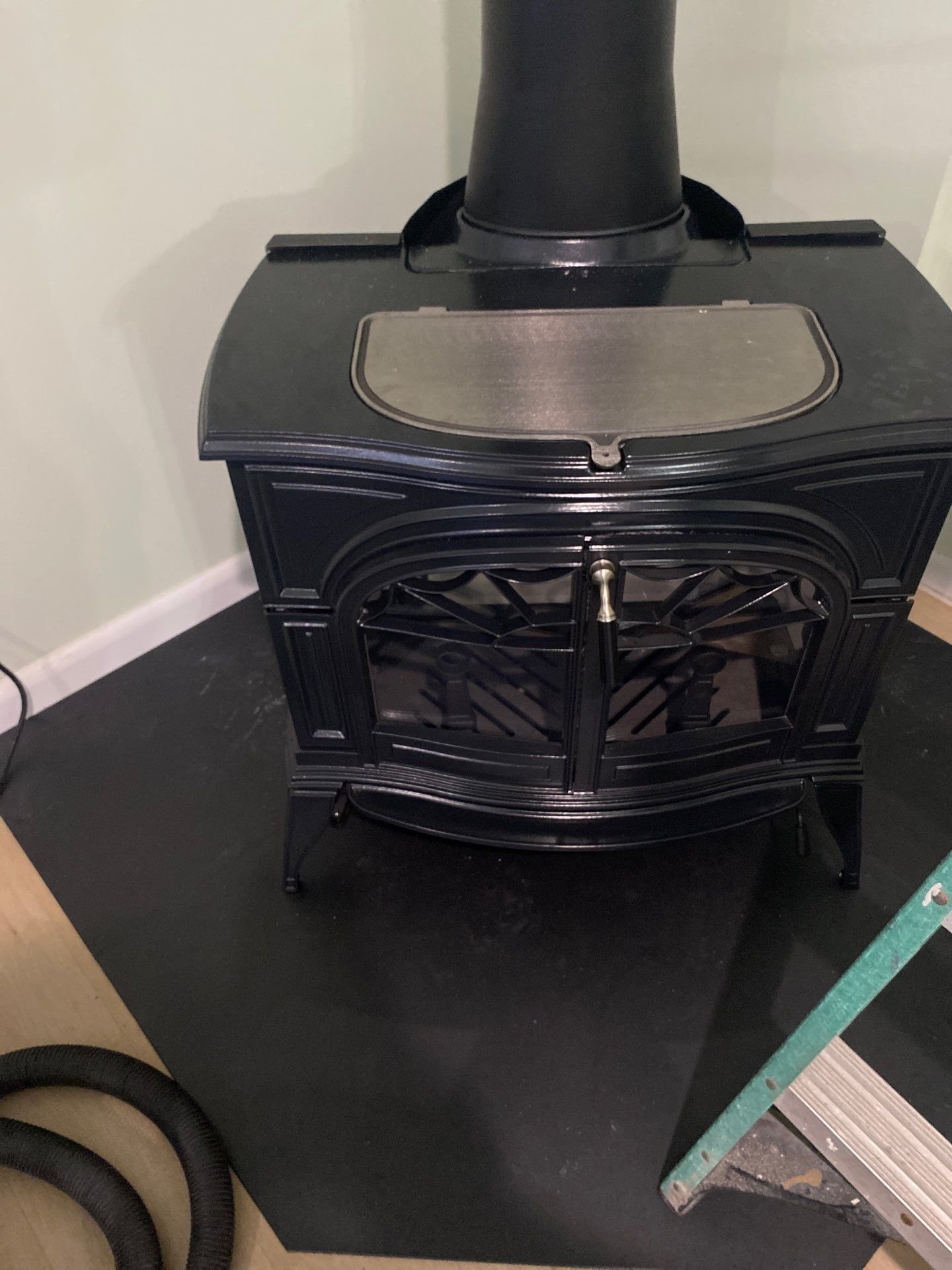
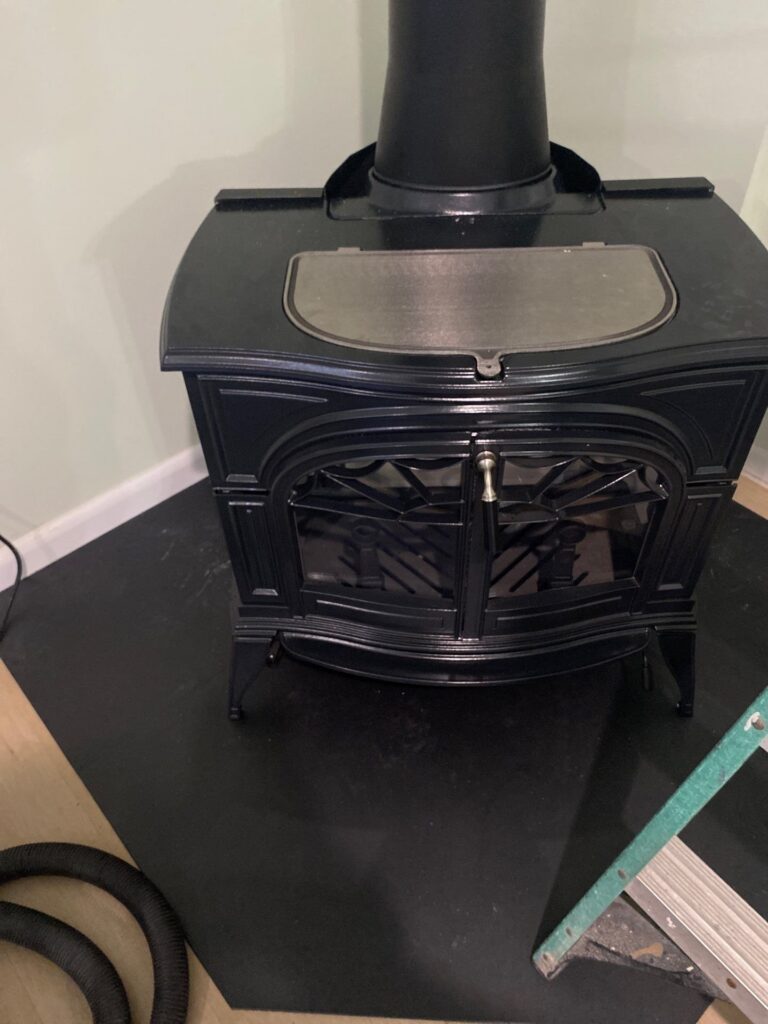
A wood stove with a spotless glass door looks well cared for, and that’s a reasonable assumption — just not a complete one. Glass soot comes from combustion byproducts settling on a cool surface near the firebox. It tells you almost nothing about what’s happening twelve or fifteen feet up the flue.
I’ve seen owners proudly show me a streak-free door right before we find a flue packed with stage-two creosote. The stove’s performance and the chimney’s condition are two different things. A full sweep includes a camera inspection of the entire flue length, not just a glance at the firebox. That’s the only way to know what’s really there.
5. "Sweeping Once Solved the Problem for Good"
A thorough cleaning resets the clock, but it doesn’t stop new creosote from forming the next time wood burns. Some homeowners treat a sweep as a one-time fix rather than part of an ongoing chimney safety maintenance routine.
Skipping the following year because "it was just done" is how a two-year gap turns into a hazard. Annual service, paired with checking your own ash pan and firebox between visits, keeps buildup from compounding. This is especially true for homes in The Villages and Stonecrest, where retirees often use wood stoves seasonally and can lose track of the last service date.
6. "Wood Stoves Don’t Carry Carbon Monoxide Risk"
People often connect carbon monoxide (CO) — a colorless, odorless gas produced by incomplete combustion — with gas appliances, not wood stoves. That’s incorrect. A blocked or damaged flue on a wood stove can push CO back into the living space just as easily as a faulty gas furnace.
According to the Consumer Product Safety Commission, CO poisoning sends thousands of people to emergency rooms every year, and solid-fuel appliances are a documented contributor. A damaged flue liner, a stuck damper, or a bird’s nest in the cap can all restrict draft enough to cause backdraft. Annual inspections catch these blockages before the first cold-weather fire of the season.
✅ Quick Tip: Before your first fire each fall, have the damper, cap, and flue checked together — a blocked cap is one of the most common causes of smoke rolling back into the room.
7. "DIY Brush Kits Are Just as Good"
Online tutorials make chimney sweeping look like a weekend project. Store-bought brush kits can knock loose the easy stuff near the firebox, but they rarely reach glazed creosote higher in the flue, and they can’t assess structural issues like a cracked flue tile or a deteriorating crown.
A DIY approach also skips the documentation that insurance companies and home buyers often ask for. Our ZERO Mess Guarantee means floors and furniture get tarped, a HEPA vacuum captures fine particulate, and all debris is removed — in writing. That paperwork matters if you’re selling a home or filing a claim after a storm, situations we cover in more detail in our guide on how often you should schedule chimney cleaning.
8. "The Fire Burns Clean, So the Chimney Must Be Fine"
A roaring, smoke-free fire feels like proof everything’s in order. Unfortunately, a good-looking flame doesn’t tell you about hairline cracks in a crown, a gap in a chase cover, or moisture damage from the last Florida storm. Those issues develop separately from how the fire itself burns.
Water intrusion is one of the most overlooked contributors to chimney deterioration in our service area, where summer downpours are routine. According to EPA guidance on wood heater maintenance, proper upkeep extends appliance life and reduces emissions — but that upkeep has to include the masonry and flue, not just the firebox. If you’ve noticed staining, spalling brick, or a musty smell near the chimney, it’s worth pairing your sweep with a broader chimney fire prevention check.
What a Proper Wood Stove Sweep Actually Covers
A correctly done chimney sweep for wood stove systems isn’t just a brush pass. It typically includes a visual and camera inspection of the full flue, removal of creosote at every stage present, a check of the damper and cap, and a look at the crown and chase for water intrusion. Homeowners considering a wood stove fireplace upgrade should ask the same questions before installation, since a poorly vented new unit can recreate these same problems quickly.
Use this checklist before the next cold snap hits Ocala, Dunnellon, or The Villages:
- Confirm your last sweep was within the past 12 months
- Ask whether the inspection included a full camera pass of the flue, not just the firebox
- Check that the crew is licensed (Florida Contractor License CRC1333200) and CSIA certified
- Request written documentation, including a ZERO Mess Guarantee if debris was removed
- Have the damper and cap checked for obstructions before the first fire of the season
- Ask about any visible cracks in the crown or staining that suggests water intrusion
Four decades in this trade have taught us one thing above all: the homes that stay safest are the ones that treat the annual sweep as non-negotiable, not optional. When others say they can’t get to a hard-to-reach flue or a tricky bend, we show up anyway — done right, with the paperwork to prove it.
Always Fire & Gas is family-owned since 1982, holds two Florida state licenses and six national certifications, and serves Ocala, Marion County, Dunnellon, Orlando, and The Villages. Call or text (352) 282-0158 to schedule your inspection before the next cold front rolls through.