Natural Gas and Propane. New Gas Line Run. Permitted and Pressure Tested. Full-Scope Lead Contractor.
Generator Installation and Relocation in Ocala, Gainesville, Orlando, The Villages and All Surrounding Areas
- Master Chimney Technician #34
- FL Gas Contractor #LI45277
- CSIA Certified #10020
- FL Residential Contractor #CRC133200
- LP Gas Master Qualifier License #MQ31416
- BBB A+ Since 2018
New gas line run. Generator reconnection. Generator relocation. Permit pulled. Pressure tested. #LI45277.
Generator Gas Experts
New Generator Gas Line. Generator Reconnection. Generator Relocation. Pad and Concrete Coordination. Transfer Switch Coordination. FL Gas Contractor #LI45277 & LP Gas Master Qualifier License #MQ31416. Master Chimney Technician. North Central Florida Since 1982.
A whole-house standby generator is the largest single gas demand in most residential systems. A 20kW natural gas or propane generator draws approximately 200,000 BTU at full load. A 22kW unit draws approximately 220,000 BTU. Those numbers matter because the gas supply line that runs to a residential generator cannot be sized like a kitchen appliance branch. It requires a dedicated line from the natural gas meter or the propane tank regulator outlet, a permit, and a pressure test before the generator is commissioned. Getting those three things right – sizing, permitting, testing – is the difference between a generator that performs during a power outage and one that starts, runs at reduced output, and leaves half the house without power when it matters most.
Always Fire & Gas is the licensed gas contractor and lead contractor for generator installations across North Central Florida. That means AFG pulls the permit, runs the gas line, coordinates the concrete pad and the electrical contractor for transfer switch installation, and manages the project sequence from assessment to generator commissioning. Homeowners call one number. The project gets managed.
Does Your Generator Require A Dedicated Line?
Most residential gas distribution systems are designed around simultaneous demand from several low-to-medium BTU appliances: a range at 55,000 BTU, a water heater at 40,000 BTU, a dryer at 22,000 BTU. The main line from the meter or regulator outlet is sized for that combined household demand, and the branch lines to individual appliances are sized for the demand at each location.
A whole-house standby generator connected to a branch line sized for kitchen or laundry demand will experience pressure drop under full load. The generator will start and run but will not maintain rated output when the household demand on the shared distribution system rises. In a natural gas system where the utility meter’s service entrance is also a limiting factor, a generator added to a household branch can starve other appliances when both are running simultaneously.
The correct installation is a dedicated gas supply line run from the meter (natural gas) or the first-stage regulator outlet (propane) directly to the generator pad, sized for the generator’s full-load BTU demand without drawing from the household distribution system. That line requires a permit and a pressure test. The permit documents that the dedicated line was installed by a licensed gas contractor and inspected by the county before the generator was connected.
dolor sit amet, consectetur adipiscing elit. Ut elit tellus, luctus nec ullamcorper mattis, pulvinar dapibus leo.
GENERATOR GAS LINE REQUIREMENTS – EVERY INSTALLATION
- Dedicated supply line from natural gas meter or propane regulator outlet – not a branch from household distribution
- Line sized for generator’s full-load BTU demand without pressure drop
- Permit pulled under #LI45277 & LP Gas Master Qualifier License #MQ31416 before any line is run
- Lockable manual shutoff valve at generator connection point
- Pressure test of the dedicated line before generator commissioning
- Coordination with the electrical contractor on generator pad placement and transfer switch installation
- As-built documentation and closed permit provided at project close
The Solution For All Your Generator Needs. One Licensed Lead Contractor.
Generator gas installations fall into three distinct scopes depending on what is already in place. Always Fire & Gas handles all three under FL Gas Contractor #LI45277 & LP Gas Master Qualifier License #MQ31416 as the lead contractor on the project.
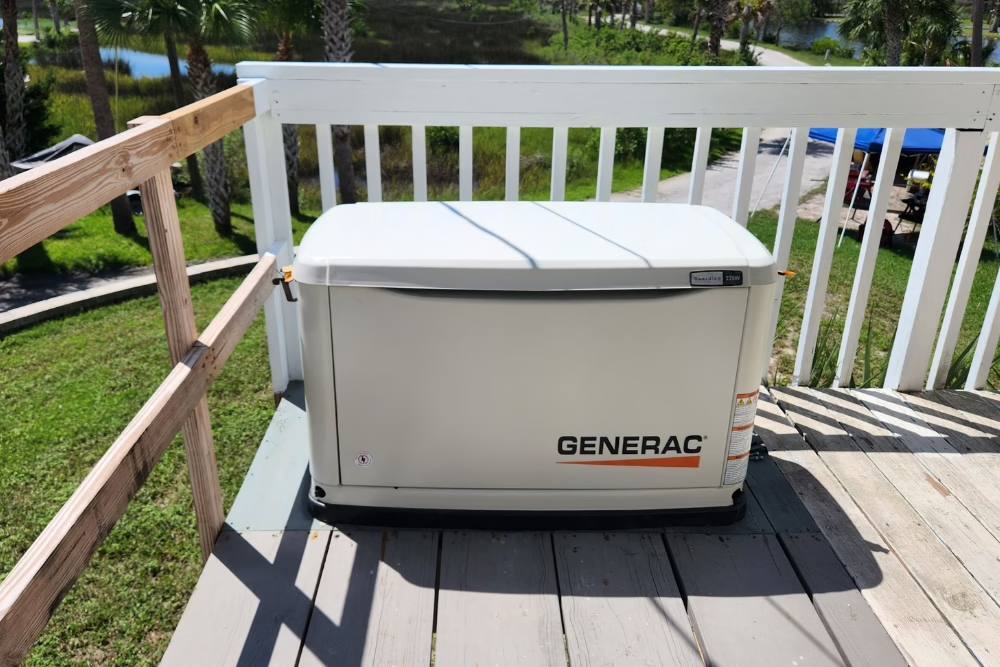
New Generator Gas Line Installation
Natural gas and propane – dedicated line from meter or regulator outlet to generator pad
The most common generator gas scope: a new generator is being installed at a location where no gas supply exists at the pad. AFG performs the BTU demand calculation, assesses the existing distribution system capacity, determines whether the natural gas meter service entrance or the propane regulator outlet can support the generator demand alongside the household load, and runs a dedicated supply line from the correct origin point to the generator pad. The permit is pulled before any line is run. The generator pad and concrete work is coordinated with the concrete sub. Transfer switch installation is coordinated with the electrical contractor. AFG manages the project sequence so each trade is on site at the correct time in the correct order.
- BTU demand calculation and supply line sizing assessment before any line is committed
- Natural gas: coordination with utility for meter service entrance capacity confirmation where generator BTU demand approaches service entrance rating
- Propane: dedicated first-stage regulator and dedicated supply line where generator demand would starve household appliances on a shared system
- Permit pulled under #LI45277 before installation begins
- Generator pad and concrete work coordination - AFG schedules concrete sub and confirms pad dimensions to generator manufacturer specs before installation date
- Transfer switch coordination with electrical contractor - gas connection is timed to coincide with transfer switch installation, not completed independently before the generator is set
- Lockable manual shutoff valve at generator connection point
- Pressure test of dedicated supply line before generator is commissioned
- Closed permit, pressure test record, and as-built documentation at project close
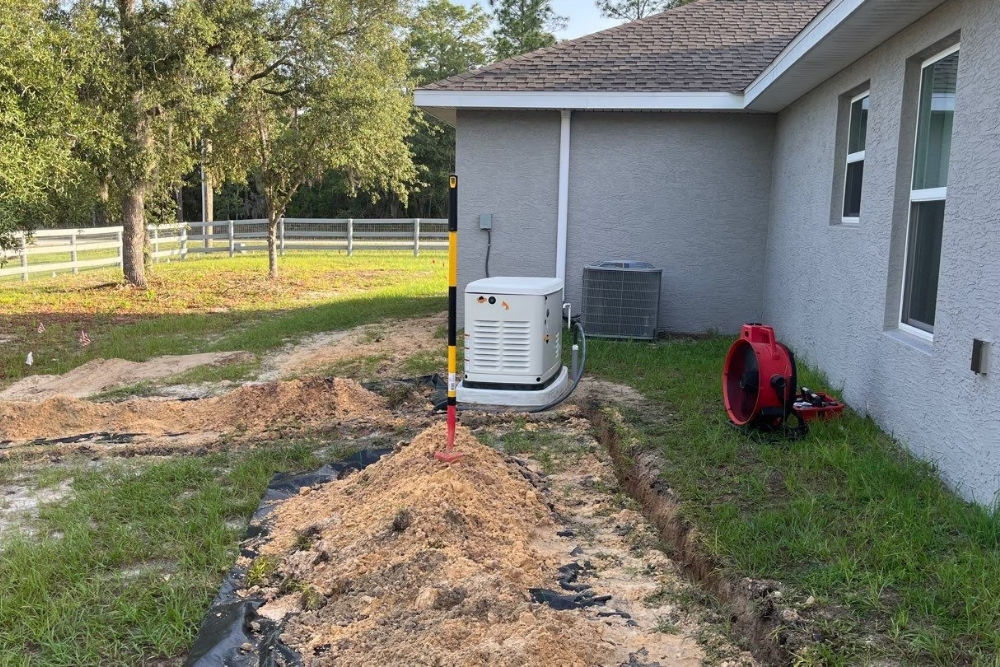
Generator Reconnection
Generator placed by electrician or generator dealer – gas connection still open
This is the second most common generator gas call: the generator is sitting on a pad, the transfer switch is installed, and the electrical work is complete. The electrician or generator dealer who led the installation did not hold a gas contractor license, so the gas connection is open – the generator is not operational yet. Always Fire & Gas connects the dedicated gas supply line to the generator, installs the lockable shutoff valve at the connection point, and pressure tests the new connection before the generator is commissioned. Where the supply line itself was run without a permit, AFG assesses the installation and advises on the path to a compliant permitted connection.
- Load calculation: total BTU demand across all gas appliances confirmed, main line and branch sizing calculated to meet demand at all points simultaneously
- Service entrance sizing coordinated with gas utility - meter and regulator sizing confirmed before distribution system is designed
- Full distribution system installed: main trunk, all branch lines, shutoff valves at each appliance connection point
- CSST bonding installed per NFPA 54 and Florida Building Code requirements - all CSST installations require bonding to the electrical grounding system
- Full system pressure test at completion - test duration and test pressure documented per Florida Building Code gas provisions
- Permit pulled and final inspection coordinated - gas utility service activated after inspection approval
- Gas fireplace and insert installations include MCT-credential venting system installation in same scope
- As-built documentation provided at project close - gas system layout recorded for future reference
Generator Relocation
Moving an existing generator to a new pad location – gas line, permit, pressure test
Generator relocation requires disconnecting the existing gas supply, capping the old line, running a new dedicated supply line to the new pad location, and pressure testing before the generator is reconnected. The relocation trigger is usually an HOA complaint about placement, a landscaping renovation that changes the available space adjacent to the home, or a property sale where the buyer’s inspection flagged the generator’s current setback distance from a structure or opening. Whatever the trigger, relocation is a new gas line installation with a permit – it is not a maintenance task. AFG coordinates the new pad and concrete work with the concrete sub, runs the new dedicated supply line, pulls the permit, and manages the project from assessment to commissioning at the new location.
One Call. All Three Trades Coordinated.
A whole-house generator installation involves three trades: the concrete sub for the pad, the electrical contractor for the transfer switch and load panel, and the gas contractor for the supply line and connection. When these trades are not coordinated, the project schedule breaks down at the handoffs: the pad is poured before the gas stub location is confirmed, the electrical contractor shows up before the gas line is in, or the gas connection is completed before the transfer switch is installed and the generator cannot be commissioned.
Always Fire & Gas manages the project sequence as the lead contractor. AAS schedules the concrete sub after the generator pad dimensions are confirmed to manufacturer specifications and the gas stub location is determined. AAS coordinates the electrical contractor’s transfer switch installation timeline with the gas line installation so both are ready when the generator arrives. AAS is the single point of contact for the homeowner throughout the project.
Assessment and BTU Sizing
Generator model confirmed, full-load BTU demand calculated, existing distribution system capacity assessed, dedicated supply line origin point determined, new pad location confirmed to NFPA 37 and manufacturer setback requirements.
1
Permit Application
Gas line permit filed with the county under #LI45277 before any line is run. Permit processing timeline confirmed at assessment – permit controls the project schedule around the inspection requirement.
2
Pad and Concrete Coordination
Concrete sub scheduled after pad dimensions and gas stub location are confirmed. Pad poured and cured before generator delivery is scheduled. AFG confirms the stub location is correctly positioned for the generator’s gas inlet before the concrete is placed.
3
Gas Line Installation
Dedicated supply line run from meter or regulator outlet to generator pad. Lockable shutoff valve installed at generator connection point. Flexible connector made up to generator inlet after generator is set on pad.
4
Transfer Switch Coordination
Electrical contractor’s transfer switch installation is coordinated to coincide with gas connection – generator commissioning requires both to be complete. AFG does not connect gas to a generator that will not be commissioned the same day.
5
Pressure Test and Commissioning
Dedicated supply line pressure tested before generator inlet is connected. Gas pressure confirmed at generator inlet under initial startup load. Closed permit, pressure test record, and as-built documentation provided at project close.
6
How Always Fire & Gas Can Help with Your Generator Needs
Homeowner Buying a New Generator - Needs Gas Line Run to the Pad
This is the starting-from-scratch call: the generator has been selected, or is being selected, and the homeowner needs the gas line, the pad, and the electrical work coordinated. Always Fire & Gas starts with the assessment: confirming the generator model’s full-load BTU demand, assessing whether the existing gas distribution system (natural gas or propane) can support the dedicated generator supply line alongside the household load, and confirming the best pad location relative to the home’s gas entry point, the transfer switch location, and the local setback requirements. The assessment produces a clear scope and price before any commitment to a generator purchase is required.
Call (352) 282-0158 before you purchase the generator if possible. Confirming the gas supply route and the pad location at assessment lets you finalize the generator selection knowing the site can support it. AFG coordinates the concrete sub and the electrical contractor so you call one number and the project gets managed.
Homeowner Whose Electrician Installed the Generator - Gas Connection Still Open
This is the most common generator gas call in North Central Florida. The generator is on the pad. The transfer switch is installed. The electrical work is done. The electrician who led the project – or the generator dealer who provided the installation – does not hold a gas contractor license. The gas connection is open and the generator is not operational. Always Fire & Gas completes the gas connection: dedicated supply line confirmed or run, shutoff valve installed, flexible connector made up to the generator inlet, and the full connection pressure tested before the generator is commissioned.
If the supply line was run as part of the electrical contractor’s work without a gas contractor permit, AFG assesses the installation and advises on the correct path. In most cases this means confirming the line sizing and routing, pulling the permit, and completing the connection with documentation under #LI45277. Call (352) 282-0158 with the generator brand and model and whether the supply line is already in place.
Homeowner Relocating a Generator - HOA, Landscape, or Property Sale
Generator relocations typically come from one of three triggers: an HOA complaint or code enforcement notice about the generator’s current placement, a landscaping renovation that changes the available space and access at the current location, or a property sale where the buyer’s inspection flagged the generator’s setback distance from a window, door, or air intake. All three triggers produce the same scope: a new pad at the correct location, a new dedicated supply line from the original origin point to the new pad, and a permit and pressure test on the new line.
The as-built documentation and closed permit provided at project close are particularly relevant for property sale relocations: the buyer’s inspector and the buyer’s lender may want documentation that the relocated generator has a permitted, inspected gas connection. Call (352) 282-0158 with the relocation trigger and the proposed new pad location. AFG confirms the setback requirements and advises on the new supply line route before any concrete is poured.
Electrician or Generator Dealer - Looking for a Licensed Gas Sub to Complete Your Installs
If you are an electrical contractor or generator dealer who installs standby generators in North Central Florida and you need a licensed gas contractor to complete the gas connection on your projects, Always Fire & Gas is available as the gas sub on your installations. AAS holds FL Gas Contractor License #LI45277 & LP Gas Master Qualifier License #MQ31416, pulls the gas permit, runs the dedicated supply line, and provides the pressure-tested and documented gas connection that your customer needs and your project requires.
Working with a reliable licensed gas contractor on your generator projects eliminates the open gas connection problem: your customer’s generator is commissioned the same day your transfer switch is installed, not weeks later when they finally find someone to connect the gas. AFG coordinates directly with your project schedule. Call (352) 282-0158 with your service area, your typical generator brands and models, and your preferred scheduling process. We can establish a working relationship for ongoing project referrals.
Snowbirds and Seasonal Residents - Adding a Generator Before Hurricane Season
North Central Florida’s seasonal resident population arrives each fall into a hurricane season that runs through November. A generator installed before that window means the home is protected during the season. A generator project started in September may not be commissioned before the season ends. The permit processing timeline varies by county but typically adds one to two weeks to the schedule before the gas line can be run. AFG confirms the permit timeline at assessment. For seasonal residents planning ahead of an arrival date or a departure date, calling six to eight weeks before the target commissioning date allows permit processing, pad construction, and electrical coordination to complete without pressure.
If the Florida home uses propane and the seasonal resident’s primary residence uses natural gas, the generator model selection may differ: propane generators typically require the same BTU demand from a smaller tank supply and the existing propane system’s capacity should be confirmed before the generator is selected. AFG advises on fuel supply compatibility at the assessment. Call (352) 282-0158 with the home’s fuel type (natural gas or propane), the proposed generator size, and the target installation window.
Generator Installation Across North Central Florida
Always Fire & Gas installs, reconnects, and relocates standby generators for natural gas and propane systems across Marion, Alachua, Lake, Sumter, Citrus, Putnam, Hernando, Orange, and Volusia Counties and all surrounding areas. All gas line work performed under FL Gas Contractor #LI45277 & LP Gas Master Qualifier License #MQ31416. Lead contractor coordination for concrete pad and electrical transfer switch trades. Permits pulled for all required scopes. Pressure tested before generator commissioning.
Call (352) 282-0158 to schedule a generator gas line assessment. Confirm the generator brand and model (or the generator size you are considering), the fuel type (natural gas or propane), and whether a gas line is already in place at the generator location. AAS confirms the scope – dedicated line sizing, permitting, lead contractor coordination – and provides a price before any work is scheduled.
Generator Gas Line Questions, Answered Directly
A whole-house standby generator requires a dedicated gas supply line sized to its full-load BTU demand. A 20kW generator draws approximately 200,000 BTU at full load. A 22kW generator draws approximately 220,000 BTU. These demands exceed the capacity of a residential gas branch line sized for kitchen or laundry appliances. The dedicated line must be run from the natural gas meter service entrance or the propane first-stage regulator outlet — not from a branch tap in the household distribution system – and must be sized to deliver the generator’s peak demand without pressure drop. A generator running on an undersized gas supply line will start and run but will not reach rated output under full load. The failure mode is not apparent until a power outage occurs and the generator cannot carry the intended load.
Yes. A new gas line run to a generator location requires a permit under the Florida Building Code and local jurisdiction requirements throughout North Central Florida. The permit is pulled by the licensed gas contractor under their license number before any line is run. Always Fire & Gas pulls the gas permit under #LI45277 as part of the installation scope. An unpermitted generator gas line is not inspected by the county, not documented in the property record, and may not be covered by homeowner’s insurance in the event of a gas-related incident. The closed permit and inspection documentation are provided to the homeowner at project close.
No. Running a gas supply line in Florida requires a licensed gas contractor under Florida Statutes. An electrical contractor who installs a generator transfer switch does not hold a gas contractor license and cannot legally run the gas supply line, connect the gas inlet, or perform the pressure test. The result is a generator that is electrically complete but cannot be commissioned because the gas connection is open. Always Fire & Gas completes the gas contractor scope on generator installations where the electrical contractor has led the project: supply line sizing confirmation, dedicated line run if needed, shutoff valve installation, flexible connector, pressure test, and documentation under #LI45277.
NFPA 37 (Standard for the Installation and Use of Stationary Combustion Engines and Gas Turbines) specifies minimum setback distances for stationary generators from building openings including windows, doors, air intakes, and soffit vents, as well as from property lines and structures. Most residential standby generators require a minimum of five feet from windows and doors that can be opened and from air intakes, though specific setback distances vary by generator size and enclosure type. Always Fire & Gas confirms the applicable NFPA 37 setbacks and the local jurisdiction’s adopted requirements at the assessment before any pad location is finalized. A generator relocated after installation to correct a setback violation is a significantly more expensive project than confirming the correct location at the assessment stage.
For a new generator gas line installation in North Central Florida, the physical work – running the dedicated supply line, installing the shutoff valve, making the connection, pressure testing – is typically completed in a single day of work. The project timeline is shaped by three sequential steps before that installation day: the permit processing timeline (typically one to two weeks in most North Central Florida counties), the concrete pad pour and cure time (the pad must be cured before the generator is set and the gas connection is made), and the electrical contractor’s transfer switch installation schedule. Always Fire & Gas confirms all three timelines at the assessment and manages the project sequence to minimize the gap between the pad being ready and the generator commissioning date. For seasonal residents planning around an arrival or departure date, calling six to eight weeks before the target commissioning date provides sufficient schedule margin.
Yes, with the correct supply line assessment. A propane-powered standby generator at 200,000 BTU or more places a significant demand on the propane distribution system. The existing household propane distribution system – sized for ranges, water heaters, and dryers – is typically not sized to support a generator as an additional demand on the same lines without pressure drop. Always Fire & Gas confirms the existing propane system’s capacity before any generator is connected: assessing the tank size, the first-stage regulator output pressure and capacity, and the existing distribution line sizing. For most whole-house generator additions to a propane system, a dedicated supply line from the first-stage regulator outlet to the generator pad is required. In some cases a second first-stage regulator dedicated to the generator is also required. AFG identifies these requirements at the assessment before the generator is purchased.
For standby generator operation, the primary difference is fuel supply continuity. A natural gas generator draws from the utility supply line, which is continuous as long as the utility’s distribution system is intact – during most weather events, natural gas supply is uninterrupted even when power is out. A propane generator draws from an on-site tank, which has a finite supply determined by tank size and fill level at the time of the outage. A 500-gallon propane tank running a 20kW generator at half load provides approximately five to seven days of run time, depending on the load. For extended outages, propane supply continuity requires either a large tank or an accessible fuel delivery. At the installation level, the gas supply line is sized and permitted the same way for both fuels. The generator itself must be configured for the correct fuel: most generators are available in natural gas and propane configurations and are not interchangeable without the manufacturer’s conversion kit.