Installing gas line for fireplace projects requires a licensed gas contractor, a permit, and a pressure test before any flame is lit. Skipping any of those steps is the single biggest reason fireplace gas hookups fail inspection in central Florida. This guide walks you through what actually happens, what it costs in time and effort, and how to keep your family safe.
We’ve run new gas line installation crews through homes from Gainesville to Deland, and the same misconception comes up again and again: homeowners assume any handyman can "tap into" an existing line. In truth, gas piping work is regulated, inspected, and unforgiving of shortcuts. Get it right the first time and you’ll enjoy decades of trouble-free warmth.
📌 Key Takeaways
- A licensed Category V gas contractor must size, run, and pressure-test any new gas line for a fireplace.
- Florida requires a permit and inspection before the line can be connected to an appliance.
- LP (propane) and natural gas lines use different pressures and fittings — never assume they’re interchangeable.
- A professional leak inspection after installation catches problems before they become dangerous.
- Budget extra time if your fireplace sits far from the meter, tank, or existing gas piping.
Jump to a section:
- Understand the Basics of a Fireplace Gas Line
- Follow Florida Codes and Permit Rules
- Compare Natural Gas vs LP Propane Lines
- See the Step-by-Step Installation Process
- Protect Your Home With Safety Inspections
- Decide Between DIY and a Licensed Pro
- Read Frequently Asked Questions
Understand the Basics of a Fireplace Gas Line
Quick Answer: A fireplace gas line carries either natural gas or LP propane from a supply source to a valve near the firebox, sized to match the appliance’s BTU demand. It must be professionally sized, pressure-tested, and permitted before use.
Gas piping for a hearth appliance isn’t a generic garden-hose situation. Every fireplace has a BTU (British Thermal Unit) rating — a measure of heat output — and the line feeding it must be sized to deliver enough fuel volume without pressure drop. Undersized piping starves the burner; oversized piping wastes material and can complicate code compliance.
Black Iron Pipe vs Flexible CSST
Most installers use either black iron pipe or CSST (Corrugated Stainless Steel Tubing), a flexible gas line that snakes through framing more easily. Black iron is rigid, durable, and often preferred for exposed runs near a fireplace insert. CSST installs faster but requires bonding to reduce lightning-strike risk, a real concern across central Florida’s storm season.
✅ Quick Tip: Ask your installer which pipe type they’re using and why — a good contractor will explain the tradeoff in plain language, not just default to whichever is cheaper.
Our crews handle both materials daily as part of our broader natural gas installation work, matching pipe type to the run length, appliance, and local inspector preferences.
Follow Florida Codes and Permit Rules for Gas Line Installation
Quick Answer: Florida requires a licensed gas contractor and a local building permit for any new gas line installation, including fireplace hookups, with inspection before the appliance is used.
Every county we serve — from Marion to Seminole to Lake — follows the Florida Building Code’s fuel gas provisions. That means an open permit, a rough-in inspection, and a final inspection after the appliance is connected and tested. Homeowners sometimes ask us to "just hook it up quietly" to save time, and we always decline — an uninspected line voids insurance protection if something goes wrong.
Why Licensing Matters
A Category V gas license, like our Certified Category V Gas License #LI45277, authorizes work on gas piping, appliance connections, and pressure testing. Contractors also carry a Florida Contractor License (ours is #CRC1333200) covering the broader construction scope. If you’re a business owner curious how to apply for a Florida gas line contractor license yourself, the state’s licensing board, the Florida Department of Business and Professional Regulation, publishes the full application and exam requirements.
💡 Expert Insight: According to the National Fire Protection Association, fuel gas systems are governed by NFPA 54, the National Fuel Gas Code — the technical backbone most local Florida codes reference for sizing, venting, and clearance rules.
⚠️ Common Mistake: Some homeowners hire a general handyman for gas piping to save a step. Without a Category V license, that work can fail inspection, delay your project, and create real safety exposure.
We pull permits as standard practice on every job across our service area, including Ocala, Gainesville, and The Villages, so you never have to chase paperwork yourself.
Compare Natural Gas vs LP Propane Gas Line Options
Quick Answer: Natural gas lines connect to a municipal utility meter, while LP gas lines run from a propane tank to the house — they use different pressures, fittings, and regulators, so the fuel type must be decided before piping begins.
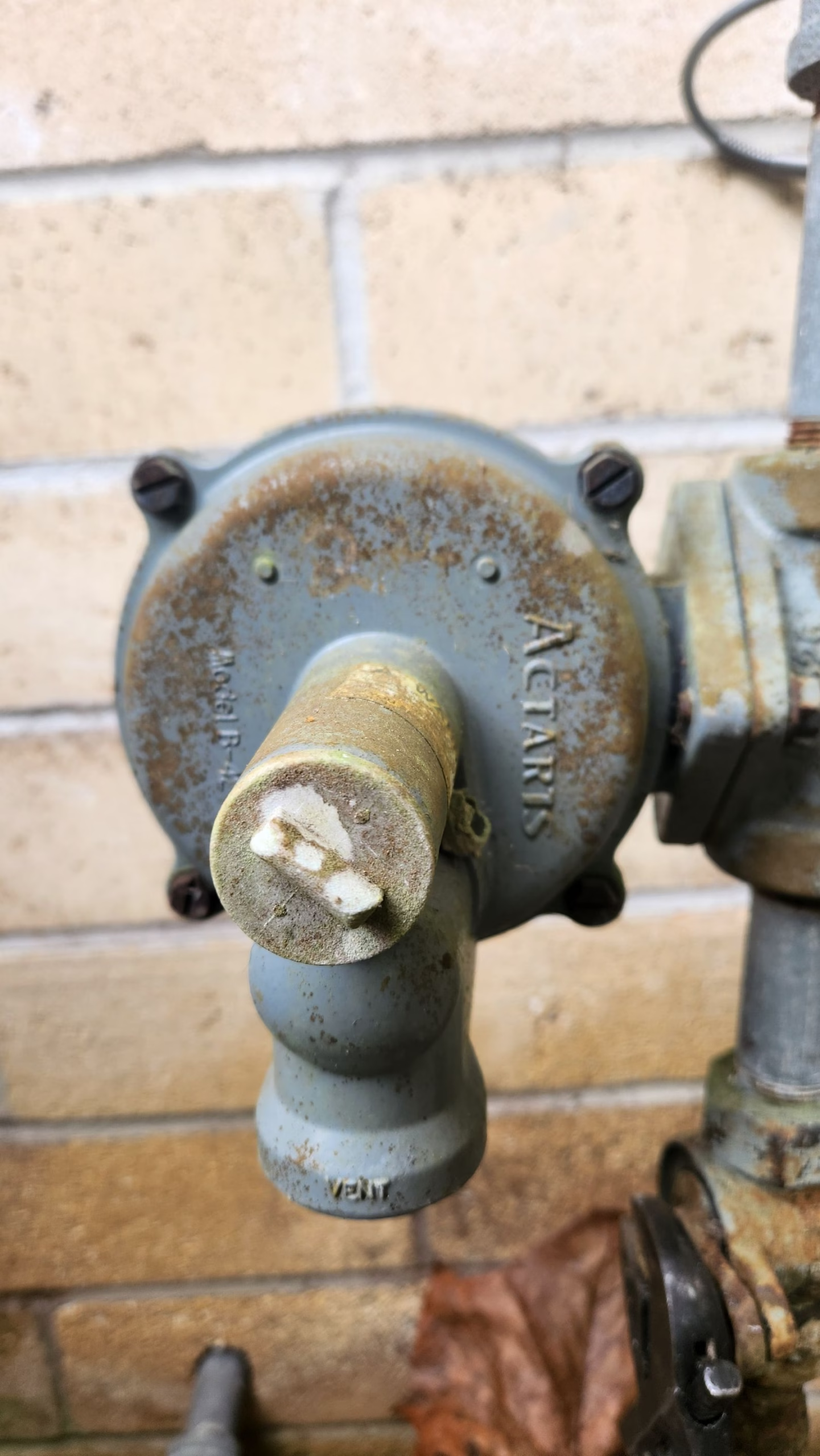
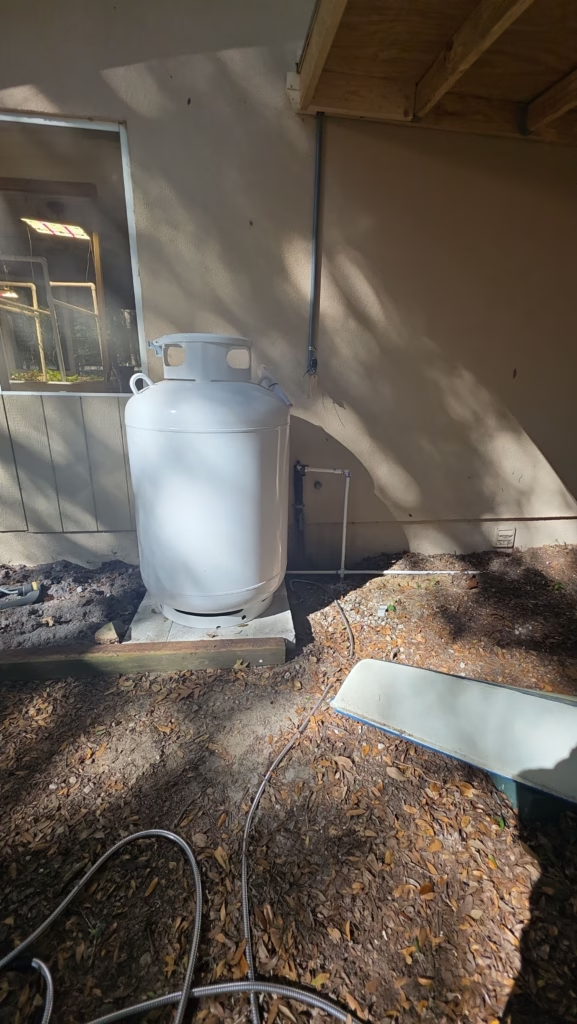
Many central Florida communities, especially rural pockets around Citrus, Sumter, and Putnam counties, don’t have natural gas utility service. That makes an LP gas line from tank to house the practical option, paired with a regulator that steps tank pressure down to appliance-safe levels.
| Feature | Natural Gas Line | LP (Propane) Gas Line |
|---|---|---|
| Fuel source | Municipal utility meter | Above/below-ground tank |
| Availability | Limited to utility service areas | Available almost anywhere |
| Pressure | Lower, steady utility pressure | Higher, requires regulator |
| Typical use case | Urban/suburban homes near mains | Rural homes, new subdivisions |
| Ongoing supply | Utility company | Tank refill/delivery contract |
Choosing the Right Fuel for Your Fireplace
If you already have natural gas service, tying into the existing meter is usually the simpler new gas line installation path. If not, an LP tank installation paired with a properly routed line is a proven, reliable alternative — plenty of our clients in Deland and Brooksville run their entire home, including the fireplace, off propane.
📊 Data Point: The U.S. Department of Energy notes propane delivers roughly 2,500 BTUs per cubic foot compared to natural gas’s roughly 1,000 BTUs, which is why LP lines are typically sized differently.
See the Step-by-Step Gas Line Installation Process
Quick Answer: New gas line installation for a fireplace generally follows five stages: assessment, permitting, piping, pressure testing, and final inspection before the appliance is lit.
Here’s what a typical project looks like when our team handles installing gas line for fireplace hookups in homes across Orange and Volusia counties:
- Site assessment — we calculate BTU load, measure the run distance, and inspect the existing supply (meter or tank).
- Permit application — paperwork is filed with the local building department before any pipe is cut.
- Pipe routing and installation — black iron or CSST is run through walls, attics, or crawlspaces to the fireplace location.
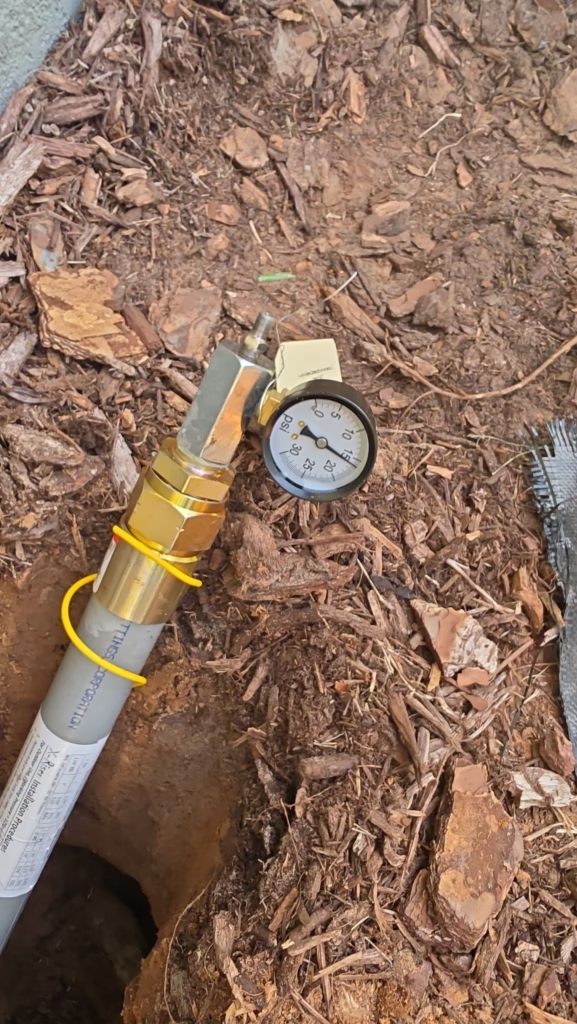
- Pressure testing — the line is sealed and pressurized to confirm there are no leaks, per code requirements.
- Final inspection and connection — a local inspector signs off, then the appliance is connected and test-fired.
How Long Installation Usually Takes
A straightforward run near an existing gas source can wrap in a single day. Longer runs, finished walls, or LP tank coordination can stretch the project to two or three days. We always walk clients through the timeline up front so there are no surprises mid-project.
✅ Quick Tip: Have your fireplace model and BTU rating ready before your consultation — it speeds up accurate sizing and permit paperwork significantly.
We pair this process with our appliance installation service so the fireplace itself is set, tested, and ready to enjoy the same visit whenever possible.
Protect Your Home With Gas Leak Safety Inspections
Quick Answer: A post-installation safety inspection confirms there are no leaks, proper venting, and correct pressure before you ever light the fireplace — it’s not optional, it’s the final safeguard.
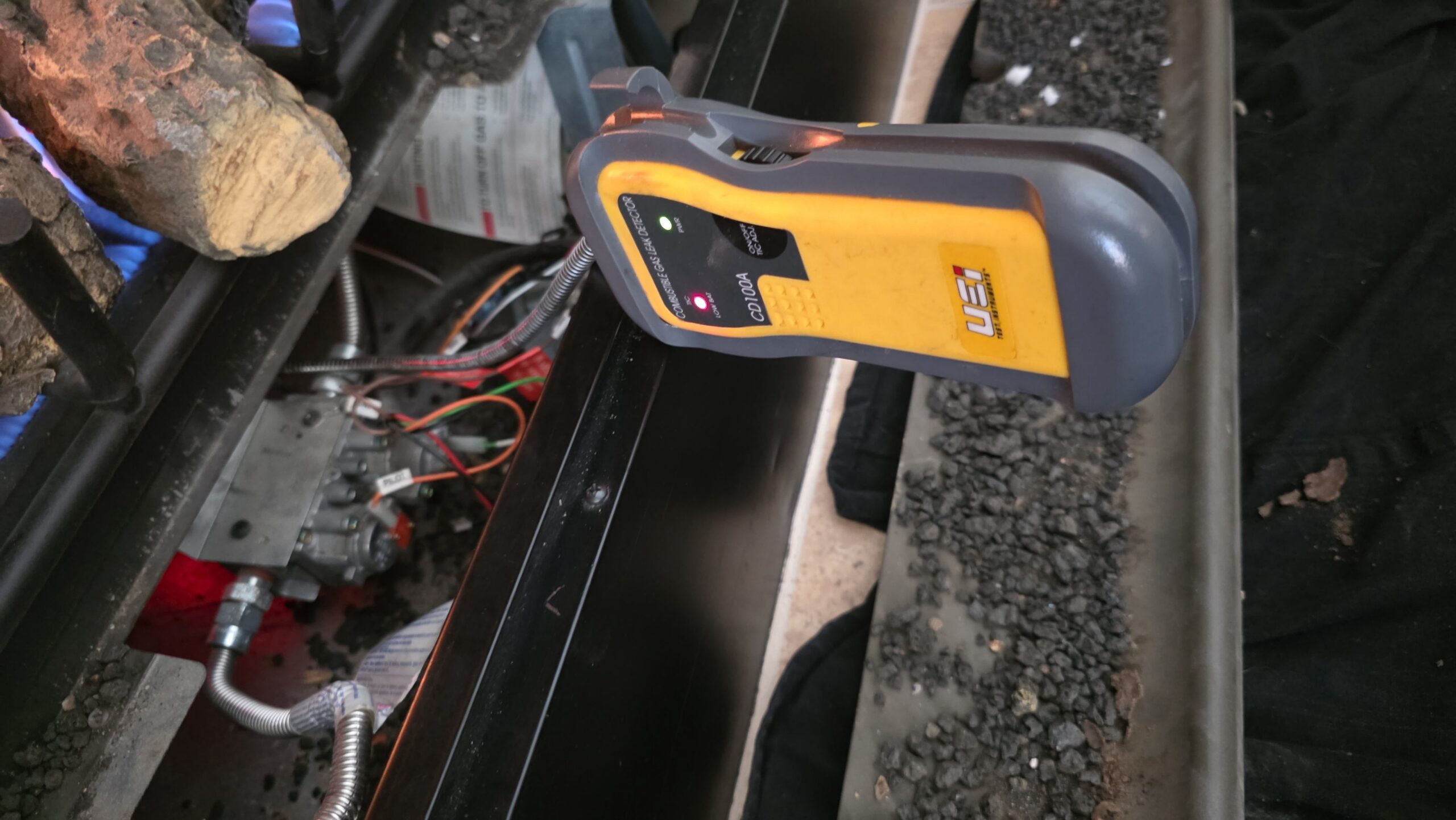
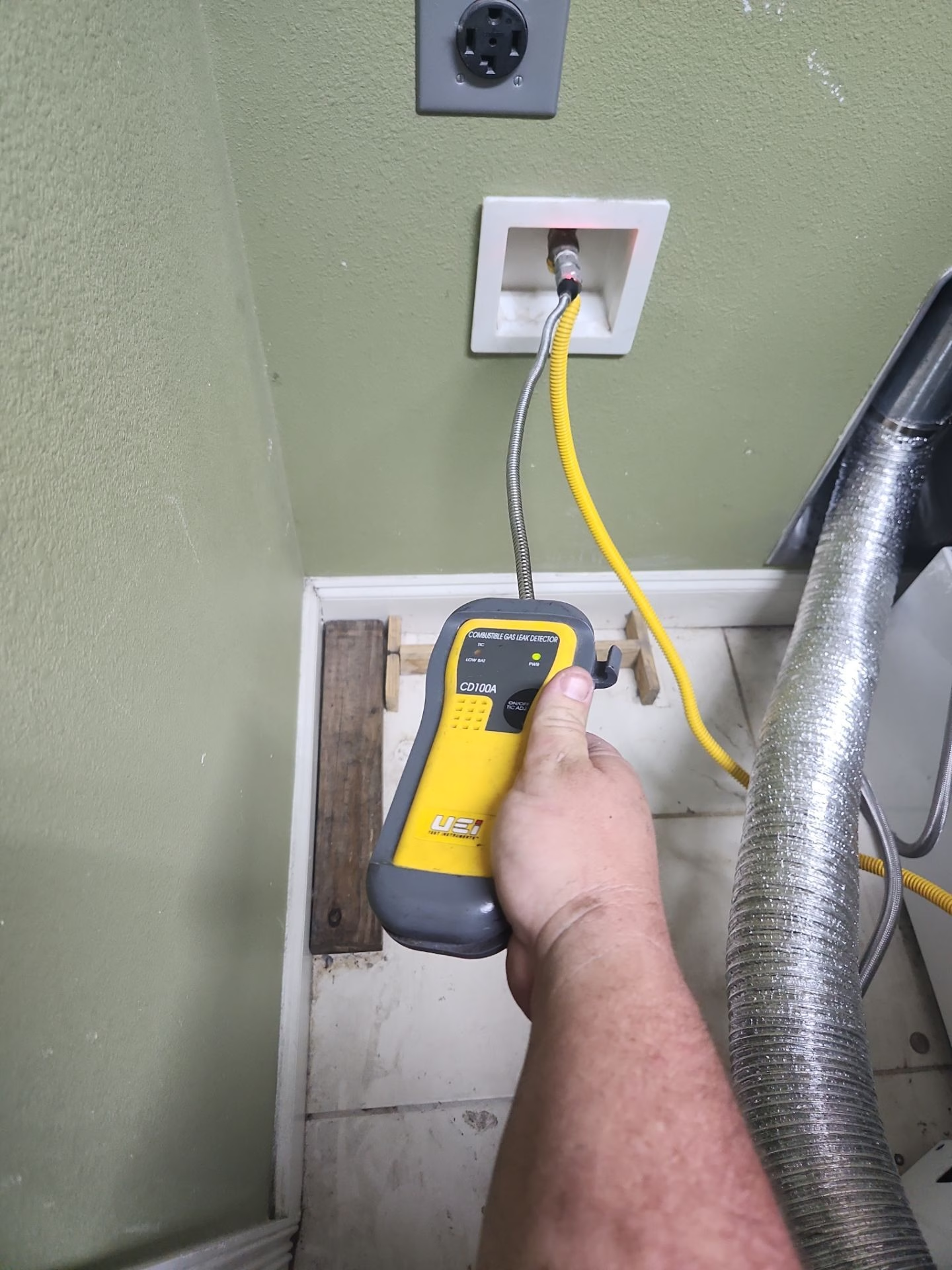
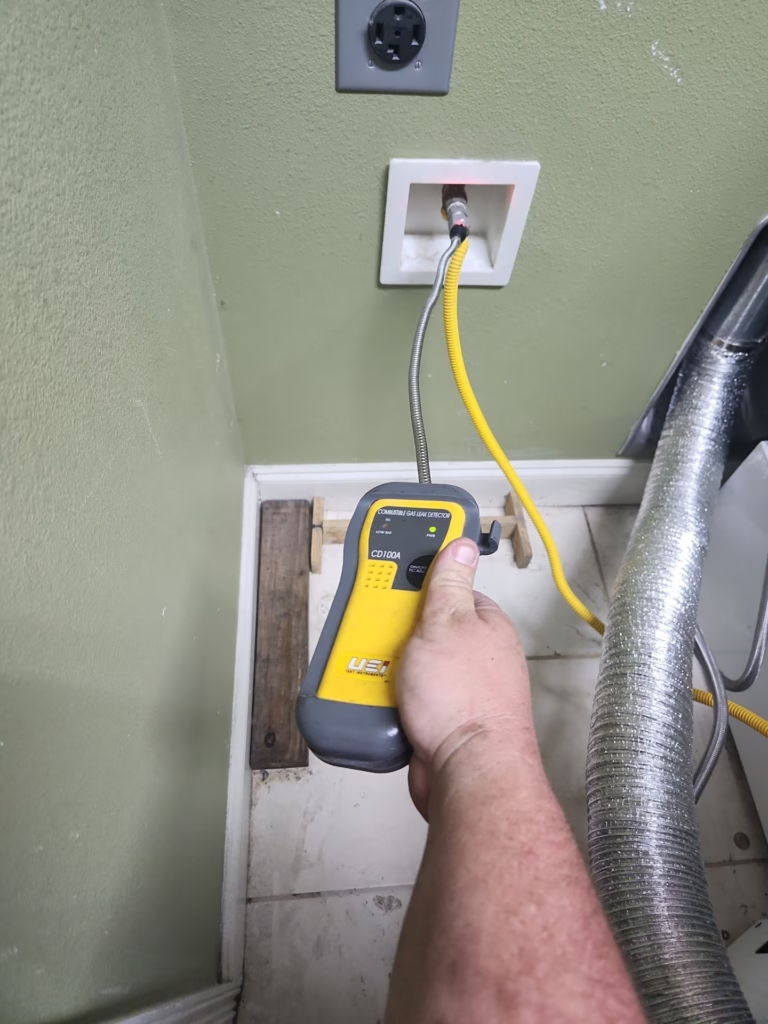
Even a perfectly installed line deserves verification. Technicians use electronic leak detectors and a manometer (a gauge that measures gas pressure) to confirm everything performs exactly as designed. We recommend this for gas line safety inspections whether you’re in Miami-Dade County or anywhere across our central Florida service area.
What Homeowners Should Watch For Afterward
Even after a clean inspection, stay alert for warning signs: a rotten-egg odor (added intentionally to natural gas for detection), a hissing sound near fittings, or dead vegetation near an underground line. According to the Occupational Safety and Health Administration, prompt reporting of suspected gas odors is critical to preventing injury.
⚠️ Common Mistake: Waiting to see if a faint gas smell "goes away on its own." Leave the home, avoid switches or flames, and call your utility or a licensed technician immediately.
Our team also handles routine leak inspection visits for homeowners who simply want peace of mind on an older system, from Lake Mary to Brandon.
Decide Between DIY and a Licensed Pro for Gas Line Work
Quick Answer: DIY gas work is not recommended and, in most Florida jurisdictions, isn’t legal without a license — the risks of fire, explosion, or carbon monoxide exposure far outweigh any time saved.
| Task | DIY Homeowner | Licensed Gas Contractor |
|---|---|---|
| Legal to perform | No, in most FL jurisdictions | Yes, with Category V license |
| Pressure testing equipment | Rarely owned/calibrated | Standard on every job |
| Permit handling | Homeowner’s responsibility | Pulled by contractor |
| Insurance coverage if issue occurs | Often voided | Typically protected |
| Long-term reliability | Inconsistent | Code-verified and tested |
Why We Always Recommend a Licensed Installer
I’ve walked into homes where a well-meaning family member tried to extend a line themselves, and the fittings simply weren’t rated for the pressure involved. It’s an easy mistake to make without training, and it’s exactly why the license and testing requirements exist. A licensed installer protects your home, your family, and your insurance standing all at once.
💡 Expert Insight: Our team also holds certifications through the Chimney Safety Institute of America, including a Certified Chimney Specialist credential, which informs how we evaluate fireplace venting alongside gas line work.
If your project also involves a masonry or vented fireplace, our gas fireplace installation cost guide breaks down what typically factors into project scope.
Frequently Asked Questions
How much does installing gas line for fireplace cost?
Costs vary based on run length, pipe material, and whether you’re tying into natural gas or LP propane. Rather than quote a flat number, we recommend a free on-site assessment so you get an accurate scope for your specific home.
What is the cost to get gas line installed for an existing fireplace?
An existing fireplace shell with no current gas supply typically needs a longer run and possibly a regulator, which affects labor time more than material cost. A licensed contractor can walk your home and provide a firm, itemized proposal.
Do I need a permit for new gas line installation in Florida?
Yes, Florida’s building code requires a permit and inspection for new gas line installation, including fireplace connections. Skipping the permit can create insurance and resale problems down the road.
Can I run an LP gas line from tank to house myself?
It’s not recommended, and in most central Florida jurisdictions it isn’t legal without a Category V gas license. Propane systems run at higher pressure than natural gas and require specific regulators and fittings.
How do gas line safety inspections work?
A technician pressurizes the line, checks all joints and fittings with a leak detector, and confirms proper venting before signing off. This applies whether you’re near Gainesville or in Miami-Dade County, where similar fuel gas code standards apply.
What’s the difference between natural gas and propane fireplace lines?
Natural gas lines connect to a municipal utility meter at lower pressure, while propane lines run from a tank at higher pressure through a regulator. The appliance, piping, and orifice sizing differ between the two fuel types.
How long does a gas fireplace line installation take?
A simple run near an existing supply often finishes in one day, while longer or more complex runs can take two to three days. Your contractor should confirm the timeline during the initial site assessment.
Ready for a Safe, Code-Compliant Gas Line Installation
Installing gas line for fireplace projects the right way means licensing, permits, pressure testing, and a final inspection — no shortcuts. Whether you’re choosing between natural gas and LP propane, or simply want your existing line checked, the safest path is always a licensed Category V gas contractor. Central Florida homeowners from Ocala to Deland trust that process because it protects both comfort and safety for years to come.
Next steps:
- Confirm your fireplace’s BTU rating and preferred fuel type.
- Schedule a site assessment with a licensed gas contractor.
- Have your permit filed before any piping begins.
- Request a pressure test and final inspection before first use.
Licensed under Florida Contractor License #CRC1333200 and Certified Category V Gas License #LI45277, our team is ready to help. Contact us today to schedule your gas line consultation and enjoy your fireplace with total peace of mind.