Chimney Safety & Maintenance: Protecting Your Florida Home Year-Round
Your chimney plays a critical role in keeping your fireplace safe and functional. While many Florida homeowners don’t use their fireplaces daily, chimney maintenance is still essential — especially in a humid, storm-prone climate like Florida’s.
Neglecting chimney care can lead to moisture damage, structural issues, pest infestations, and even fire hazards. In this guide, we’ll cover:
-
Why annual chimney sweeping and inspections matter
-
Common chimney repairs explained
-
Florida-specific chimney problems caused by humidity, storms, and pests
Let’s break it down.
Annual Chimney Sweep and Inspection Reminders
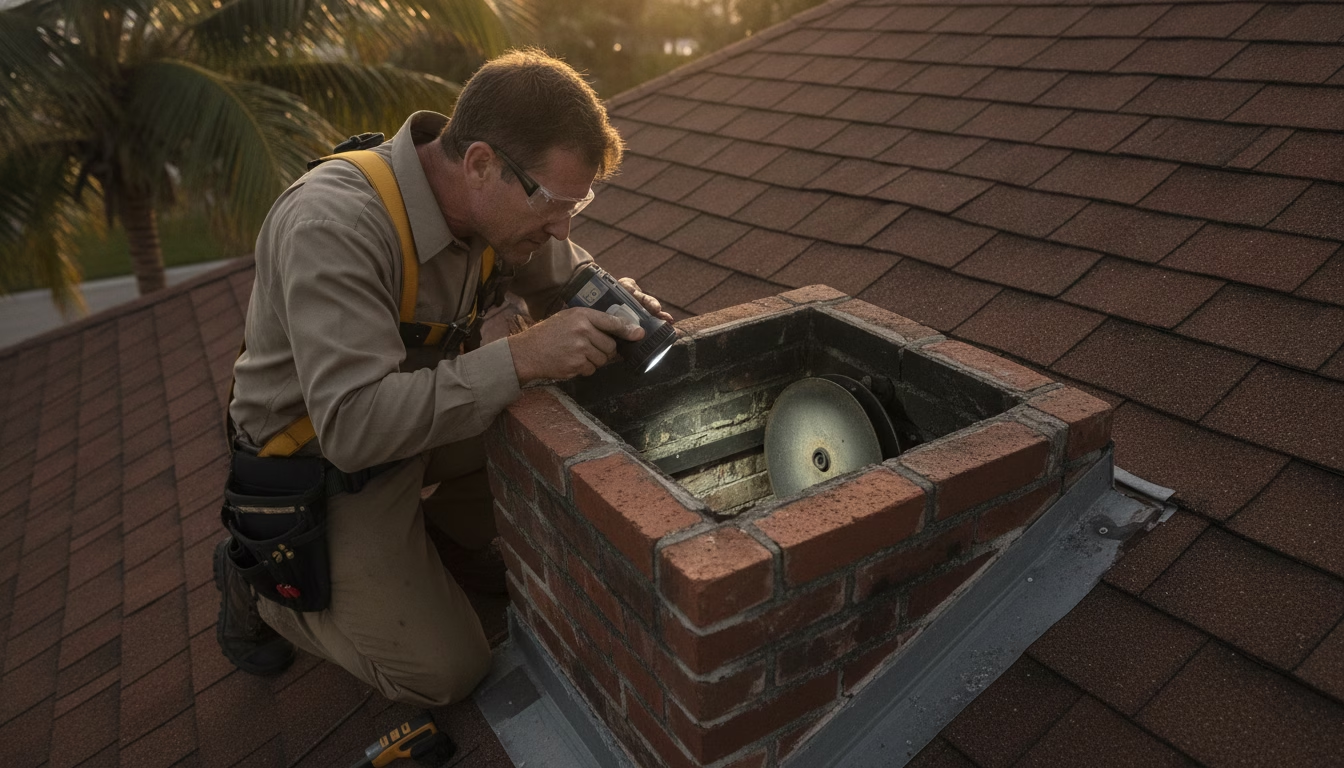
Even in Florida’s mild climate, chimneys require yearly maintenance. The National Fire Protection Association recommends at least one annual inspection, regardless of how often you use your fireplace.
Why Annual Sweeping Is Important
If you have a wood-burning fireplace, creosote (a flammable byproduct of burning wood) builds up inside the flue. Over time, this buildup increases the risk of chimney fires.
An annual chimney sweep:
-
Removes creosote buildup
-
Clears debris and blockages
-
Improves ventilation
-
Reduces fire hazards
-
Ensures proper smoke flow
Even gas fireplaces need inspections to check for venting issues, corrosion, and blockages.
What Happens During a Chimney Inspection?
A professional chimney inspection typically includes:
-
Checking the chimney liner for cracks or deterioration
-
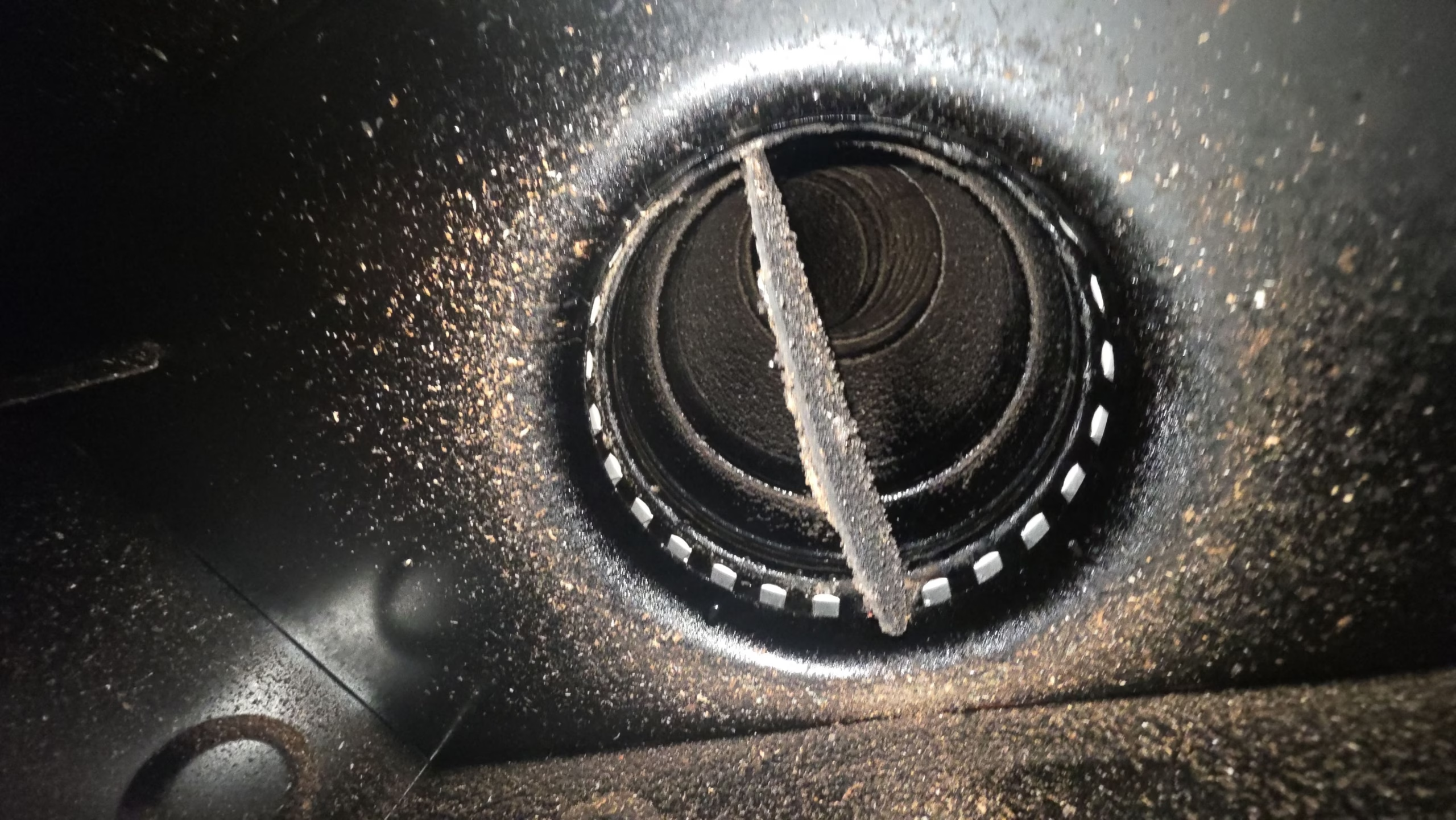
Inspecting the damper for proper function
-
Examining masonry for cracks or moisture damage
-
Checking flashing around the chimney base
-
Looking for signs of animal nesting or obstructions
In Florida, moisture intrusion is one of the most common findings during annual inspections.
Scheduling inspections before cooler months ensures your system is ready when you need it most.
Common Chimney Repairs Explained
Over time, chimneys experience wear and tear. Understanding common repairs helps homeowners address issues early before they become expensive structural problems.
1. Chimney Crown Repair
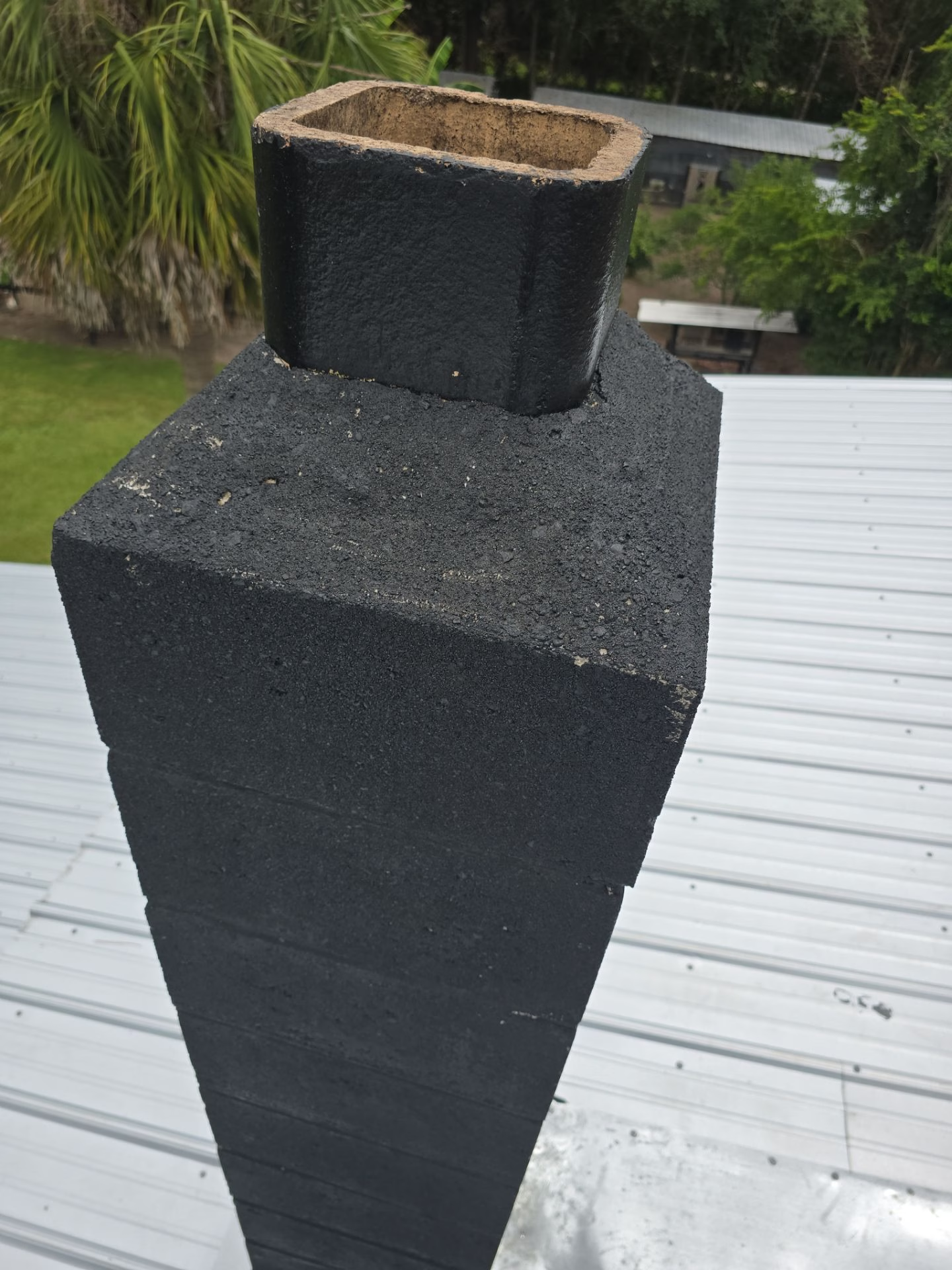
The chimney crown is the concrete slab at the top that prevents water from entering. In Florida’s heavy rainstorms, cracked crowns allow water to seep inside.
Signs you may need crown repair:
-
Visible cracks
-
Water stains inside the fireplace
-
Pieces of concrete falling off
Repairing minor cracks early can prevent full crown replacement later.
2. Chimney Liner Repair or Replacement
The chimney liner protects your home from heat transfer and toxic gases. Humidity can cause liners to deteriorate faster, especially clay tile liners.
Common signs of liner damage:
-
Poor draft
-
Strong smoke odors
-
Cracked tiles visible during inspection
Damaged liners should be repaired immediately to prevent safety hazards.
3. Masonry and Brick Repair
Florida’s combination of moisture and heat can weaken mortar joints.
Common masonry issues include:
-
Crumbling mortar (spalling)
-
Loose bricks
-
Water penetration
Tuckpointing (replacing damaged mortar) is a common repair that extends the life of your chimney structure.
4. Flashing Repair
Flashing seals the gap between your chimney and roof. Storms and heavy rainfall can loosen or corrode flashing.
If flashing fails, you may notice:
-
Water leaks near the fireplace
-
Ceiling stains
-
Mold growth near chimney walls
Prompt flashing repair prevents costly roof and interior damage.
Florida-Specific Chimney Issues
Florida presents unique chimney challenges that homeowners in other states may not face.
🌧 Humidity and Moisture Damage
High humidity levels accelerate:
-
Rust on metal components
-
Mold growth inside the flue
-
Masonry deterioration
-
Chimney liner damage
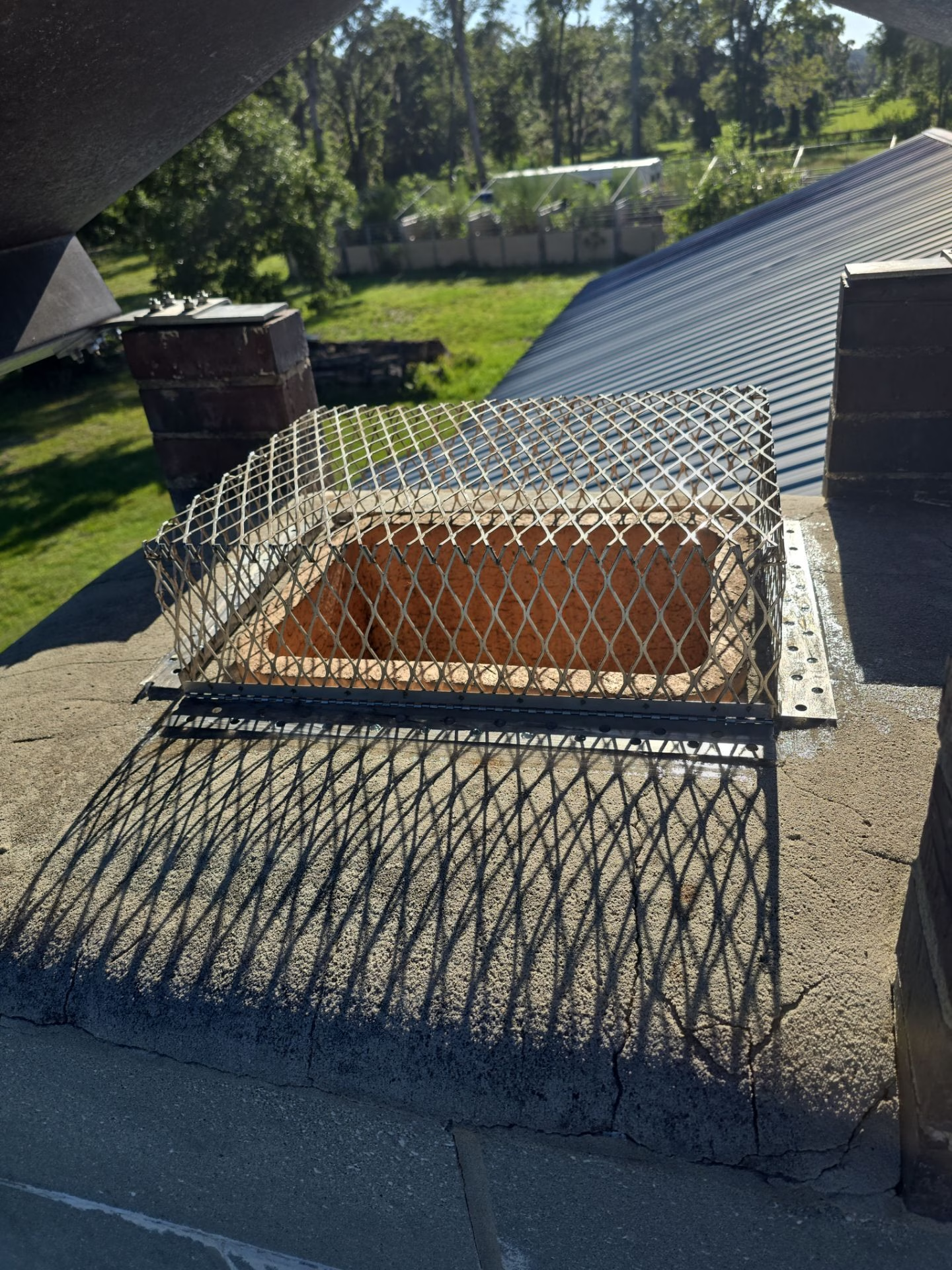
Water is a chimney’s biggest enemy. Installing a chimney cap and waterproofing masonry can significantly reduce moisture-related damage.
🌪 Storms and Hurricane Damage
Strong winds and heavy rain can:
-
Crack chimney crowns
-
Dislodge caps
-
Damage flashing
-
Cause structural leaning in extreme cases
After major storms, it’s wise to schedule a professional inspection to ensure your chimney remains structurally sound.
🐦 Pests and Animal Intrusion
In Florida, chimneys often attract:
-
Birds
-
Squirrels
-
Raccoons
-
Bats
Without a proper chimney cap, animals can build nests inside, blocking airflow and creating fire hazards.
Signs of pest intrusion include:
-
Scratching noises
-
Strong odors
-
Smoke backing into the home
-
Visible nesting debris
Installing a professionally fitted chimney cap helps prevent unwanted wildlife.
Why Preventative Maintenance Saves Money
Many homeowners wait until a visible issue appears — but chimney damage often starts internally.
Preventative maintenance:
-
Reduces emergency repair costs
-
Extends chimney lifespan
-
Protects your roof and interior
-
Improves fireplace efficiency
-
Ensures family safety
In Florida’s climate, proactive care is especially important due to constant exposure to moisture and storms.
Keep Your Chimney Safe and Storm-Ready
Your chimney may not be something you think about daily, but it plays a crucial role in your home’s safety and structure. From annual sweeps to storm-related repairs, regular maintenance protects your investment and ensures safe operation year-round.
If it’s been over a year since your last inspection — or if your home has recently experienced heavy storms — now is the perfect time to schedule a professional chimney evaluation.
Need a Chimney Inspection or Repair?
Our experienced team specializes in chimney safety, maintenance, and Florida-specific repairs. We provide thorough inspections, honest recommendations, and quality workmanship you can trust.
Contact us today to schedule your annual chimney inspection and keep your home safe and secure. 🔥