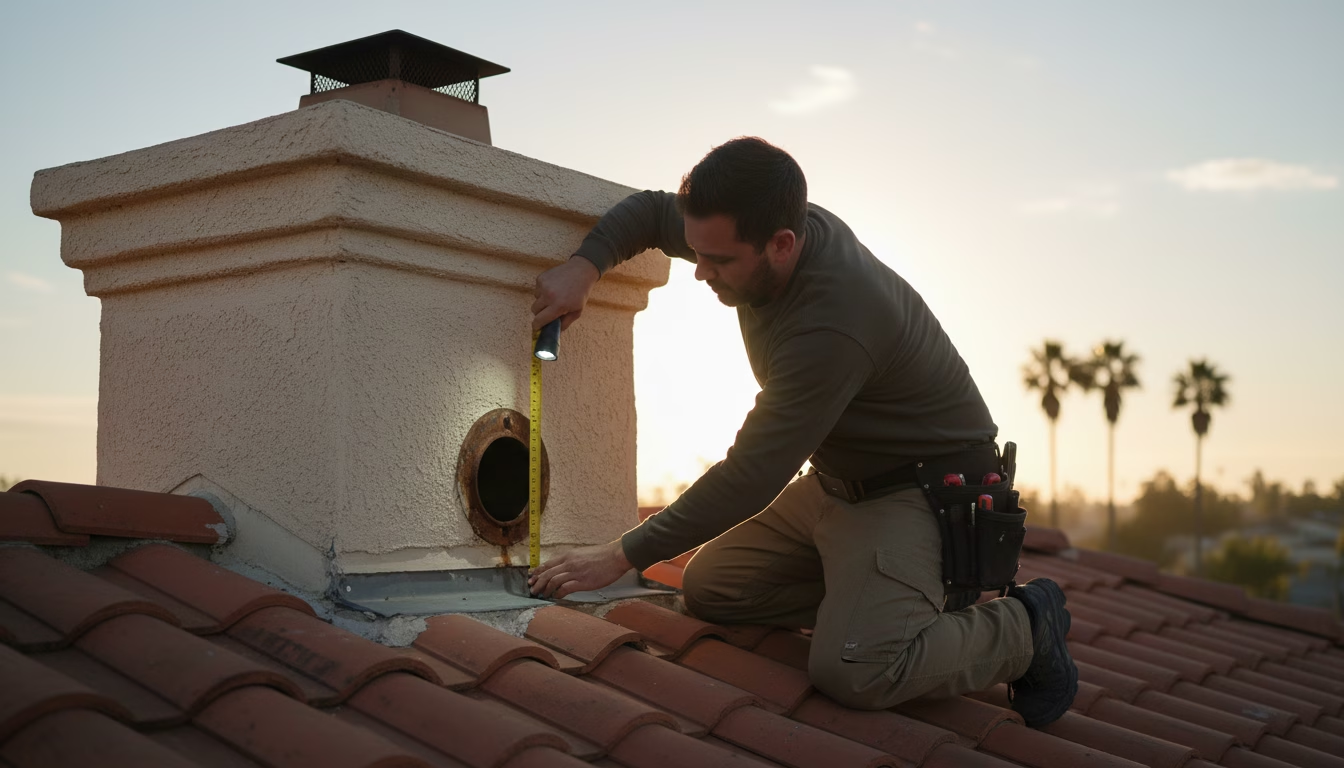
Fireplace repair Belleair FL searches usually start with the same complaint: a fireplace that won’t light, smells odd, or puffs smoke into the room. In most cases, the culprit is a clogged pilot assembly, a cracked flue liner, or a damper that no longer seals. The direct fix depends on fuel type, but the safe first step is always the same — stop using the unit and have a certified technician diagnose it before the small issue becomes a costly, or dangerous, one.
As a Florida-licensed contractor working across Alachua, Citrus, Hernando, Marion, and Putnam counties, I’ve walked into more than a few homes where a “minor” fireplace quirk turned out to be a cracked chimney crown or a gas leak waiting to happen. This guide walks through what typically goes wrong, how a real repair visit unfolds, and how to keep your hearth safe year-round.
📌 Key Takeaways
- Gas fireplaces that click but won’t light usually need pilot, thermocouple, or gas line leak inspection — never force ignition.
- Wood-burning units with smoke backdraft often have a damper repair or chimney blockage issue, not a wood problem.
- Annual chimney inspections catch cracks before they cause water intrusion or flue fires.
- Electric fireplace repair is often as simple as a heater element or wiring fix — no combustion risk involved.
- Central Florida’s humidity accelerates masonry and metal deterioration, so seasonal checkups matter even in a mild-winter climate.
Jump to a Section
- Warning Signs You Need Repair
- Common Fireplace Problems in Central Florida
- DIY vs Professional Fireplace Repair Service
- What Happens During a Repair Visit
- Fireplace Safety & Maintenance Schedule
- FAQ
Warning Signs You Need Repair
Quick Answer: Smoke rolling into the room, a persistent gas odor, or a fireplace that won’t stay lit all point to a repair need, not routine maintenance. Shut the unit down and schedule an inspection rather than troubleshooting yourself.
A fireplace is supposed to be quiet, contained, and predictable. When it starts behaving unpredictably — clicking without ignition, staining the mantel with soot, or pushing a faint rotten-egg smell into the living room — something in the system has failed. These aren’t cosmetic issues; they’re signals from the appliance itself.
⚠️ Common Mistake: Homeowners often assume a gas smell near the fireplace is “normal” pilot light odor. It isn’t. Any persistent gas odor warrants immediately shutting off the appliance and calling a technician for a leak inspection.
Cracked glass doors, a damaged chase cover, or rusted firebox panels are also red flags. Left alone, these small failures let moisture and pests into the chimney system, which compounds repair costs down the road.
When the Chimney Itself Is the Problem
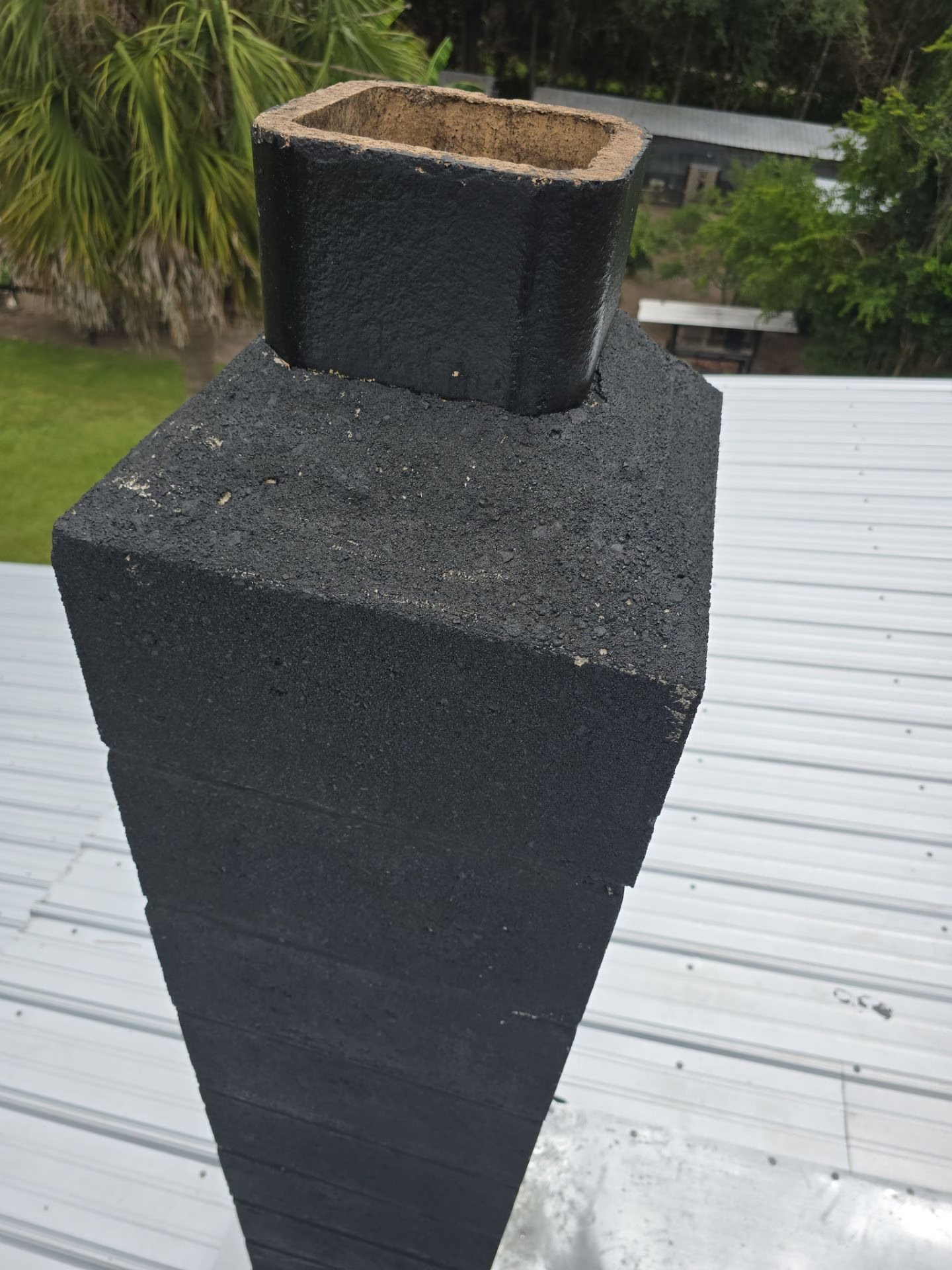
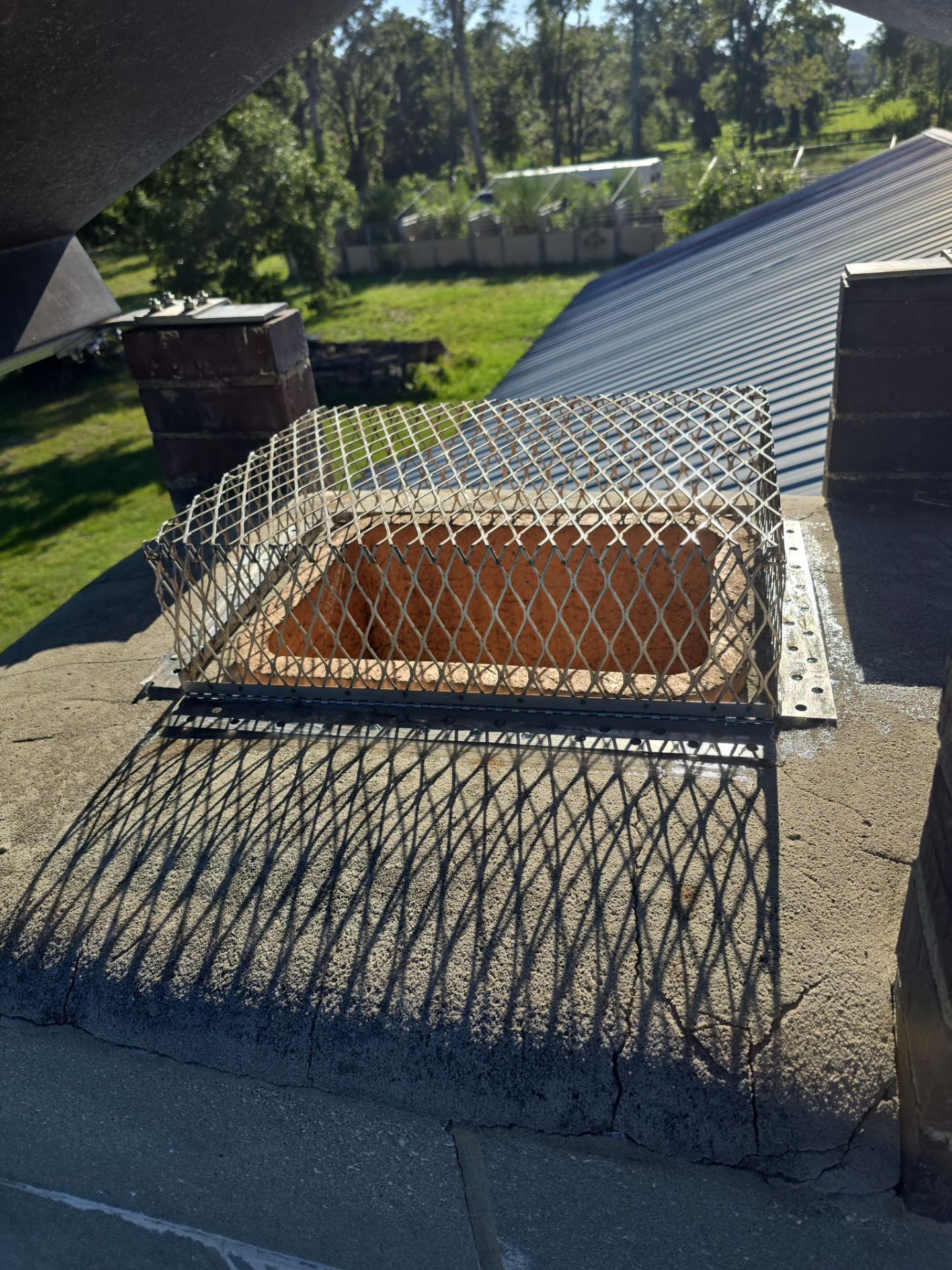
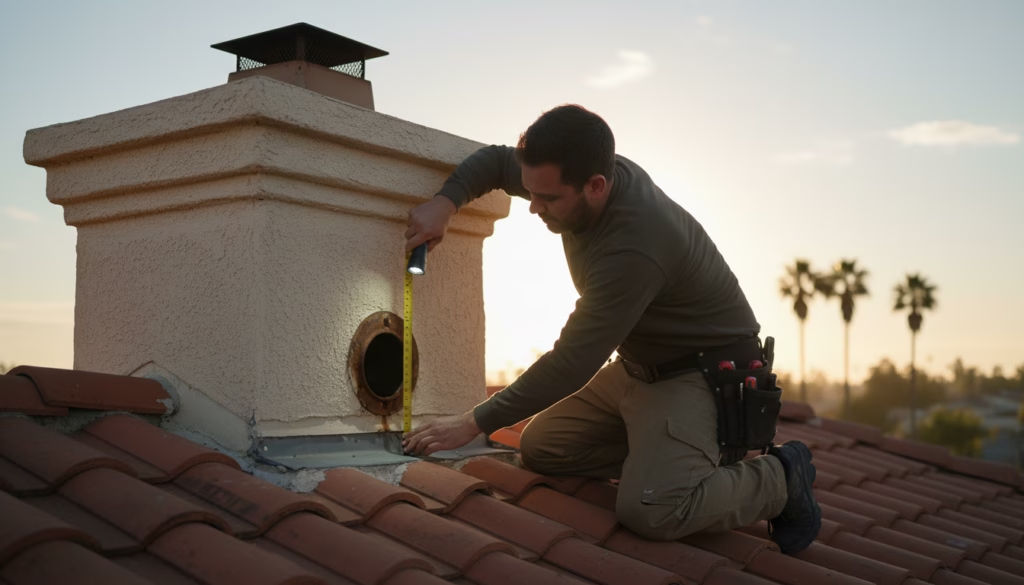
Sometimes the fireplace box is fine, but the chimney above it is failing. A cracked chimney crown, deteriorating mortar joints, or a damaged liner can send water and combustion byproducts the wrong direction. According to the Chimney Safety Institute of America, most chimney fires and structural failures trace back to deferred maintenance rather than appliance defects.
Common Fireplace Problems in Central Florida
Quick Answer: Gas units usually fail at the pilot, thermocouple, or valve; wood-burning fireplaces fail at the damper, flue, or chimney cap; electric units fail electrically, not structurally. Diagnosis depends entirely on fuel type.
Central Florida’s humidity and salt air (closer to the coast) speed up corrosion on metal components faster than in drier climates. That means a fireplace here can show wear years before an identical unit would up north.
Gas Fireplace Issues
Gas fireplace repair most often involves the pilot assembly, thermocouple, or gas valve. If the pilot lights but the main burner won’t ignite, the thermocouple is frequently the culprit — a small safety sensor that shuts off gas flow if it doesn’t detect a flame. Homeowners in Gainesville, Brooksville, and Ocala frequently call us for exactly this symptom.
💡 Expert Insight: A gas fireplace that shuts off after a few minutes is almost always a thermocouple or thermopile issue, not a gas supply problem. Replacing the sensor is usually straightforward for a licensed technician holding a Category V gas certification.
Wood-Burning & Chimney Concerns
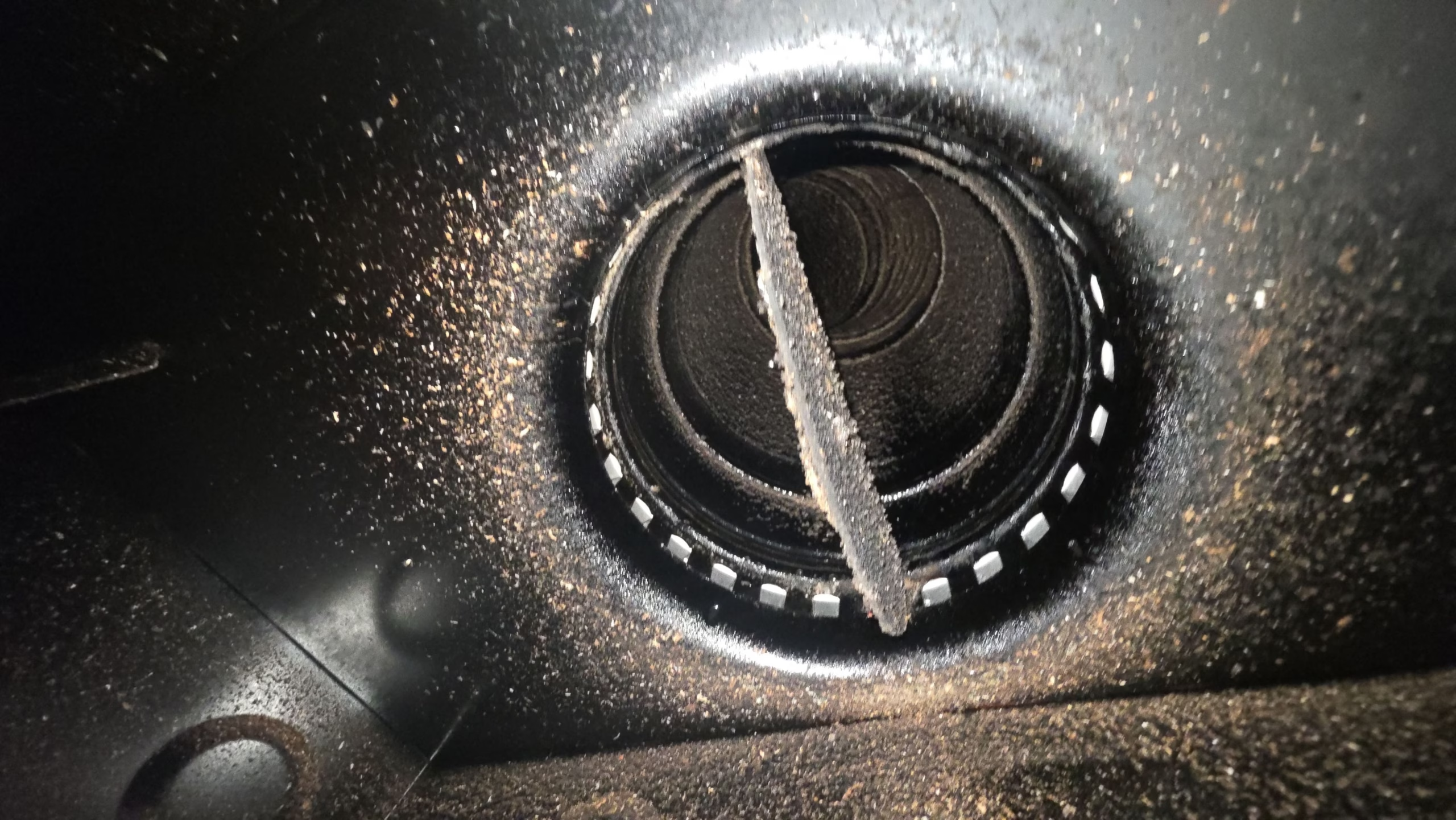
Wood-burning fireplace repair tends to center on the damper, smoke chamber, or flue liner. A damper that won’t seal wastes conditioned air and lets rain into the firebox. A blocked or cracked flue redirects smoke into the living space instead of outside.
📊 Data Point: The National Fire Protection Association reports that failure to clean chimneys is a leading contributing factor in home heating fires nationwide, underscoring why annual inspection matters even in a warm-winter state.
Electric fireplace repair near me searches usually resolve faster since there’s no combustion risk — most fixes involve the heating element, remote receiver, or internal wiring rather than venting or gas lines.
DIY vs Professional Fireplace Repair Service
Quick Answer: Cosmetic cleaning and glass wiping are safe DIY tasks. Anything involving gas lines, dampers, flue liners, or ignition components should go to a licensed professional.
| Task | DIY Safe? | Why |
|---|---|---|
| Wiping glass doors, dusting exterior | Yes | No combustion or structural risk |
| Replacing batteries in remote/thermostat | Yes | Simple, no gas or electrical exposure |
| Thermocouple or valve replacement | No | Requires gas certification and pressure testing |
| Damper repair or adjustment | No | Improper seal risks smoke backdraft |
| Chimney crown or liner repair | No | Structural and fire-safety implications |
| Gas leak inspection | No | Legally requires licensed gas technician |
✅ Quick Tip: If you can’t identify the exact part causing the problem within a few minutes of looking, stop and call a technician. Guessing with gas components is never worth the risk.
This is exactly where our team’s credentials matter. Our technicians carry Florida Contractor License #CRC1333200, Certified Category V Gas License #LI45277, and CSIA certifications including Certified Chimney Sweep #10020 — proof that both the fireplace and the chimney system get inspected to a recognized standard, not guesswork.
What Happens During a Repair Visit
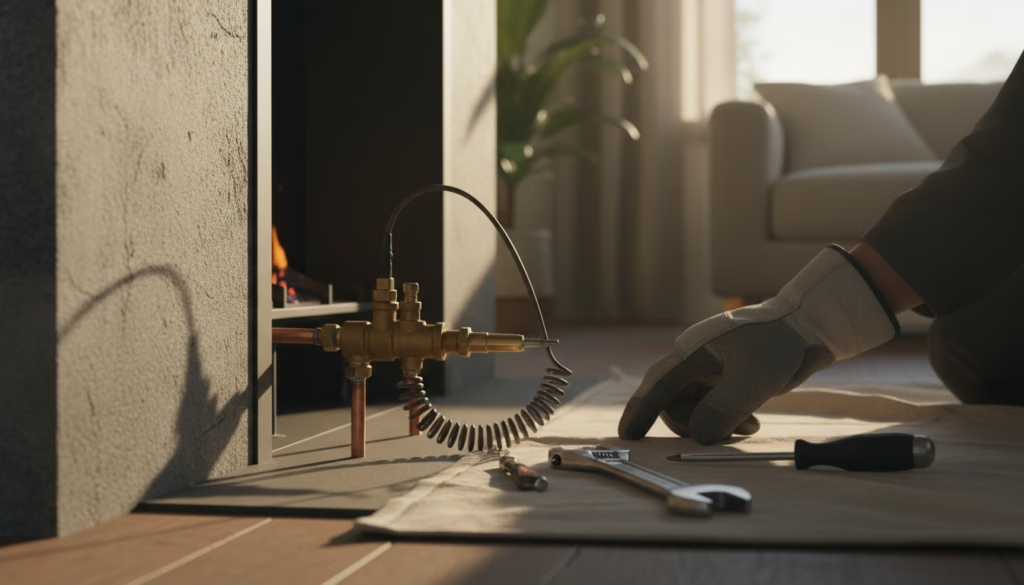
Quick Answer: A proper visit starts with a full diagnostic — appliance, venting, and chimney — before any part is touched. This prevents a repeat visit for a related issue that wasn’t caught the first time.
Here’s the typical sequence homeowners in Crystal River, Inverness, and Dunnellon can expect:
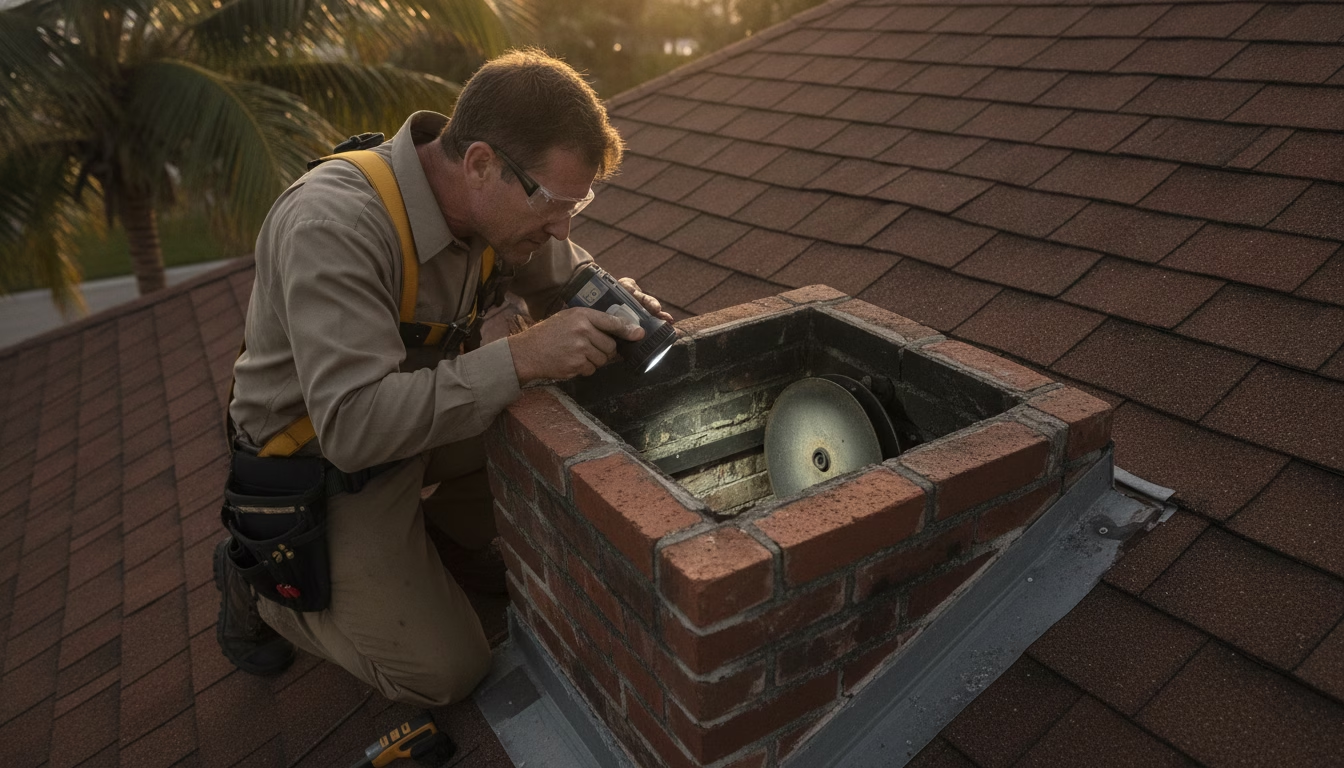
- Visual and camera inspection of the firebox, flue, and chimney exterior.
- Combustion or draft test (for gas and wood units) to confirm safe venting.
- Component-level testing — thermocouple, valve, damper, or wiring, depending on fuel type.
- Repair or part replacement, followed by a function test with the homeowner present.
- Safety walkthrough covering maintenance intervals and warning signs to watch for.
Why Full-System Checks Matter
A fireplace repair service that only looks at the appliance — and ignores the chimney above it — misses half the picture. A perfectly repaired gas log set still won’t vent safely through a cracked flue. That’s why our visits always pair appliance work with a chimney-side check.
⚠️ Common Mistake: Choosing the cheapest available repair often means skipping the chimney-side inspection entirely. That shortcut can leave a hidden crack or blockage untouched, leading to a repeat service call within a year.
Homeowners near Alachua, High Springs, and Newberry often mention they didn’t realize their chimney crown needed attention until a technician pointed it out during a routine gas fireplace repair — a good reminder that the two systems are connected.
Fireplace Safety & Maintenance Schedule
Quick Answer: Most fireplaces need a professional inspection once a year, ideally before the first cold snap. Gas units also benefit from a mid-season check if used heavily.
| Fireplace Type | Recommended Inspection | Key Checks |
|---|---|---|
| Gas fireplace | Annually | Pilot, valve, venting, glass seal |
| Wood-burning | Annually | Flue, damper, creosote buildup, crown |
| Electric | Every 1-2 years | Wiring, heating element, remote sensor |
| Wood stove | Annually | Gasket seal, flue connection, chimney liner |
💡 Expert Insight: The U.S. Consumer Product Safety Commission recommends annual chimney and vent inspections for any solid-fuel or gas heating appliance to reduce carbon monoxide and fire risk — a standard we follow on every service call.
Regular maintenance isn’t just about avoiding repairs; it’s about air quality too. Poor venting can push combustion byproducts back into living spaces. The Environmental Protection Agency notes that proper venting and regular inspection reduce indoor air pollutants tied to solid-fuel and gas combustion.
If you’re weighing a full upgrade instead of another repair, it helps to compare gas fireplace installation costs against ongoing repair frequency, especially for units older than 15 years.
FAQ
How much does fireplace repair cost in Belleair FL?
Cost depends on the fuel type and the failed component, ranging from a simple thermocouple swap to a chimney crown rebuild. A licensed technician can give an accurate estimate only after a full diagnostic visit, since guessing over the phone often misses hidden chimney damage.
Why does my gas fireplace smell like rotten eggs?
That odor is an additive in natural gas or propane designed to alert you to a leak. Shut off the gas supply immediately and schedule a professional leak inspection rather than relighting the pilot.
Can I use my fireplace while waiting for fireplace repair service?
No — continuing to operate a fireplace showing smoke backdraft, gas odor, or ignition failure risks carbon monoxide exposure or fire. Wait until a technician clears the unit as safe.
How often should a wood-burning fireplace be inspected?
Annually, ideally before the first use of the season. Creosote buildup and hidden flue cracks are the most common issues caught during these checkups.
Is electric fireplace repair near me different from gas fireplace repair?
Yes — electric units involve wiring and heating elements rather than combustion or venting, making the diagnostic process simpler and generally faster. There’s no gas leak inspection or chimney component involved.
Do you offer fireplace repair in Gainesville, Ocala, or Brooksville as well?
Yes, our licensed technicians serve homeowners throughout Alachua, Citrus, Hernando, and Marion counties, including Gainesville, Brooksville, Crystal River, and Dunnellon, alongside surrounding Central Florida communities.
What certifications should a fireplace repair technician have?
Look for a Florida Contractor License, a Category V Gas License for gas work, and CSIA credentials such as Certified Chimney Sweep or Certified Master Chimney Technician for chimney-side repairs. These confirm both code compliance and hands-on training.
Final Thoughts
Fireplace repair Belleair FL homeowners search for usually starts with a symptom — smoke, smell, or a stubborn pilot light — and ends with a full-system check that keeps the whole household safer. Ignoring early warning signs almost always costs more later, whether that’s a bigger chimney repair or reduced indoor air quality. Central Florida’s climate adds its own wear pattern, which is why annual inspections matter even without a true winter season. Whether the fix is a thermocouple swap or a chimney liner replacement, the safest path is always a licensed diagnostic first.
- Stop using any fireplace showing smoke, odor, or ignition failure.
- Schedule a full appliance-and-chimney inspection with a licensed technician.
- Ask about the specific certifications performing gas or chimney work.
- Set a recurring annual maintenance reminder for your fireplace type.
- Review our fireplaces service pages to understand your unit before the visit.
Our team holds Florida Contractor License #CRC1333200 and Certified Category V Gas License #LI45277, alongside multiple CSIA and NFI credentials. If your fireplace is acting up, contact us today to schedule a full safety inspection before your next fire.