
What Gas Fireplace Installation Really Costs in Central Florida (2026)
Gas fireplace installation typically runs $2,500 to $7,500 in Central Florida, depending on whether you’re venting through an existing chimney, running new gas line, or converting a wood-burning firebox. Most homeowners we quote in Ocala and Gainesville land near $4,200 for a mid-range direct-vent unit with standard line runs. The biggest cost swings come from gas line distance, venting type, and whether masonry work is required.
A lot of homeowners assume adding one of these units is a plug-and-play upgrade. It isn’t. Fuel gas appliances fall under strict code, and cutting corners on venting or gas supply can create real carbon monoxide risk. That’s the misconception we run into most: people budget for the unit itself and forget the labor, permitting, and venting that make the whole system safe.
📌 Key Takeaways
- Average gas fireplace installation cost in Central Florida: $2,500–$7,500 installed.
- Direct-vent units cost less to install than ones needing new masonry or roof penetrations.
- NFPA 54 governs gas piping and appliance clearances — never skip the permit.
- Existing chimneys often need relining or inspection before a gas insert goes in.
- Always Fire and Gas serves Ocala, Gainesville, Crystal River, and surrounding counties with licensed gas technicians.
In this article:
- Cost Breakdown by Project Type
- What Drives the Price Up or Down
- Direct-Vent vs. B-Vent vs. Vent-Free Options
- The Installation Process, Step by Step
- DIY vs. Professional Installation
- Maintaining Your New Unit
- FAQ: Gas Fireplace Installation Questions
Cost Breakdown by Project Type
Quick Answer: Expect to pay $2,500–$4,500 for a straightforward direct-vent install and $5,500–$7,500+ if you’re adding new gas line, converting a wood fireplace, or doing masonry work. Insert-only jobs into an existing firebox tend to sit at the lower end.
The appliance itself is usually the smallest line item. A quality direct-vent gas insert runs $1,200–$3,500 before labor. Venting materials, gas line extension, and a licensed technician’s time make up the rest of what we walk clients through on every estimate for gas fireplace options.
Typical Cost Ranges by Project Type
Homeowners asking “how much does it cost to install a gas hearth appliance” usually fall into one of three project types. Here’s how they compare in practice across our Marion and Alachua County service calls.
| Project Type | Typical Installed Cost | Timeframe |
|---|---|---|
| Insert into existing masonry fireplace | $2,500–$4,000 | 1 day |
| New direct-vent unit, new gas line under 20 ft | $3,500–$5,500 | 1–2 days |
| Add a fireplace to home (no existing chimney) | $5,500–$8,500+ | 2–4 days |
| Wood-to-gas conversion with reline | $4,000–$7,000 | 2–3 days |
📊 Data Point: According to the Propane Education & Research Council, propane-fueled hearth appliances remain one of the most cost-stable heating options in areas without natural gas mains — a common scenario across our rural Florida service counties.
What Drives the Price Up or Down
Quick Answer: Gas line distance, venting complexity, and existing chimney condition are the three biggest cost drivers. A house already piped for gas will always install cheaper than one starting from scratch.
If your generator, range, or water heater already run on natural gas or propane, tapping into that existing line keeps costs down. Homes with no gas infrastructure need a full run from the meter or tank, which adds material and labor hours.
Venting and Chimney Condition
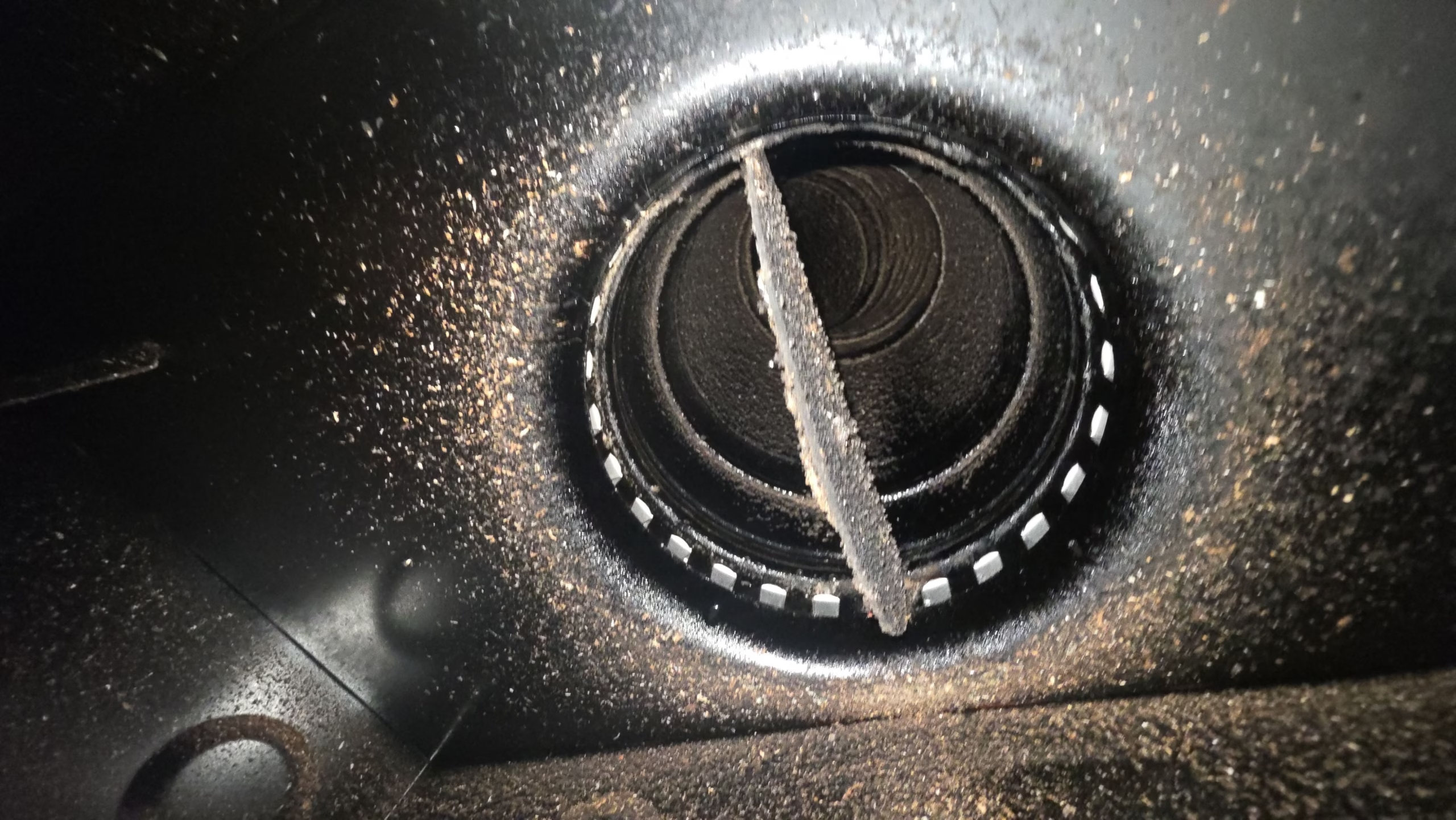
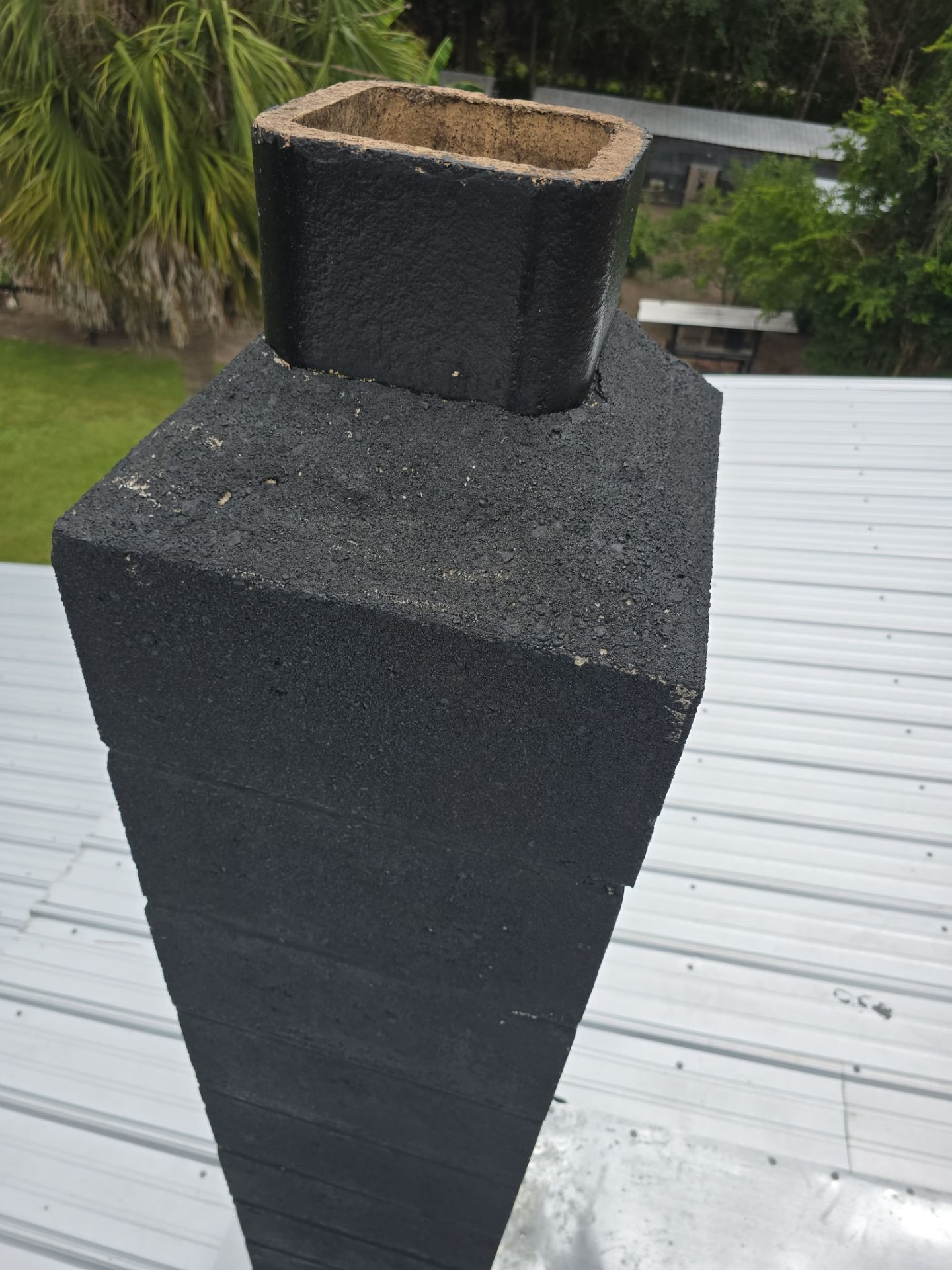
An existing masonry chimney sounds like a shortcut, but it often needs inspection first. Cracked crowns, deteriorated liners, or the wrong flue size for a gas appliance all add cost. We frequently find cracked chimney crown repair needs before a gas insert can go in safely.
⚠️ Common Mistake: Installing a gas insert into an unlined or oversized flue without a proper liner. This causes condensation, poor draft, and can trap combustion byproducts — a real carbon monoxide concern flagged by the EPA’s indoor air quality guidance.

Direct-Vent vs. B-Vent vs. Vent-Free Options
Quick Answer: Direct-vent is the safest, most flexible option for most homes and is what we recommend for the majority of these projects. Vent-free units have real limitations that many homeowners aren’t told about upfront.
Direct-vent units pull outside air for combustion and exhaust gases through a sealed pipe, often straight through an exterior wall. This makes vent installation possible in rooms without an existing chimney, which is why they’re popular for additions and remodels.
Why Vent-Free Isn’t Always the Answer
Vent-free (unvented) units burn gas indoors without exterior venting. They’re cheaper to install but release combustion moisture and byproducts into the room. The Consumer Product Safety Commission has issued guidance around ventless heating appliance safety, and we generally steer larger great rooms and bedrooms away from vent-free options.
💡 Expert Insight: In my years running service calls across Ocala and The Villages area homes, the callbacks almost always trace back to a vent-free unit installed in a room that’s too tight on square footage for safe combustion air exchange.
The Installation Process, Step by Step
Quick Answer: A professional install follows a defined sequence: site inspection, gas line and vent planning, permitting, physical installation, pressure testing, and a final safety inspection. Skipping any step risks code violations or unsafe operation.
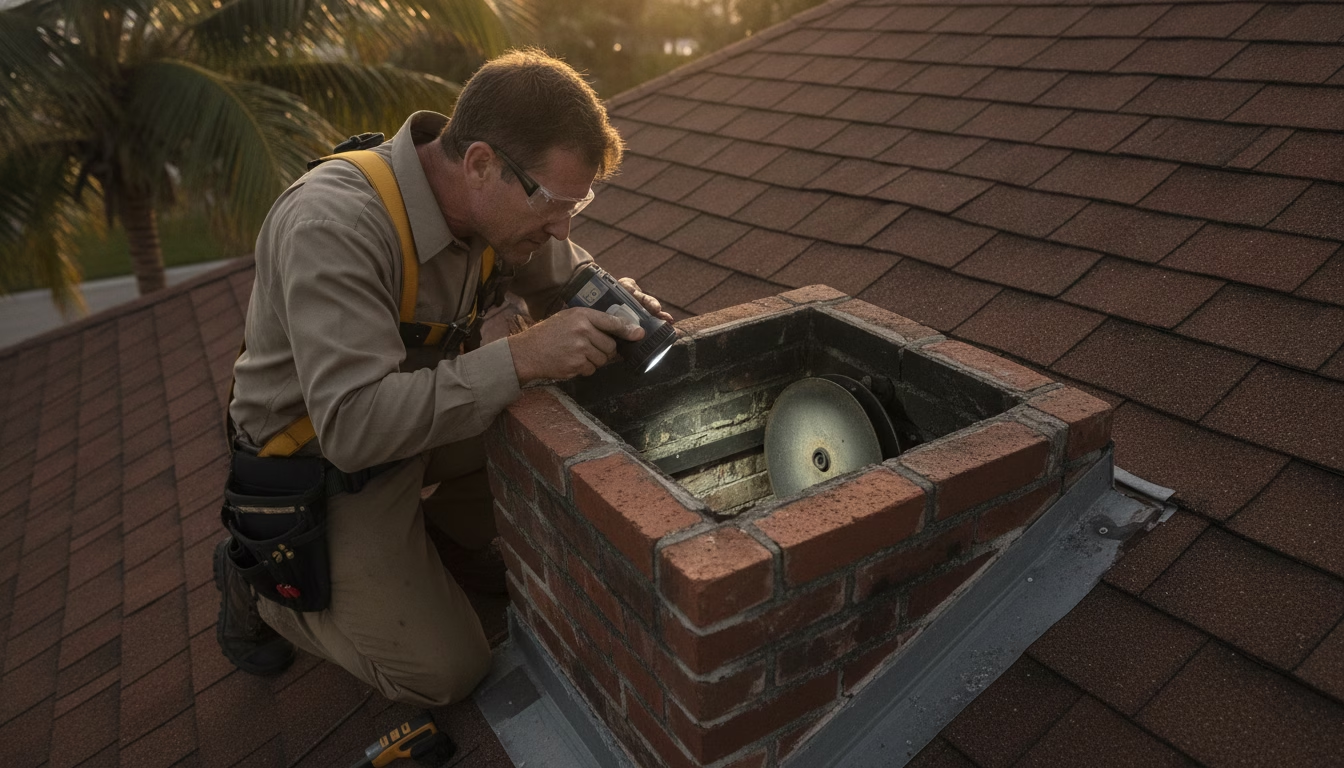
- Site and chimney inspection — technician checks existing flue, framing, and gas access.
- Permit pull — required in nearly every Florida jurisdiction we serve, per NFPA 54 and local code.
- Gas line run or tap-in — sized correctly for BTU load using natural gas installation or propane methods.
- Venting installation — direct-vent pipe or chimney liner installed to manufacturer spec.
- Unit set and connection — fireplace secured, gas line connected, ignition wired.
- Pressure test and leak check — every joint tested before gas is turned on.
- Final walkthrough — homeowner shown shutoff valve, thermostat/remote, and basic maintenance.
That sequence is worth understanding before a crew shows up at your door, since it explains why a same-day install isn’t always realistic for larger projects.
Permits, Codes, and Licensing
Installs fall under fuel gas code enforced at the state and local level. In Florida, contractors must hold appropriate licensing through the Florida DBPR Construction Industry Licensing Board. Always Fire and Gas operates under Florida Contractor License CRC1333200 and Certified Category V Gas License LI45277, alongside multiple CSIA and NFI hearth certifications.
✅ Quick Tip: Ask any installer for their license number before signing a contract. It’s a two-minute check on the DBPR site and it protects your home warranty and insurance standing.
DIY vs. Professional Installation
Quick Answer: DIY gas fireplace installation is not recommended and, in most Florida jurisdictions, isn’t legal without a licensed gas contractor pulling the permit. The appliance and gas line work require licensed trades, not just carpentry skill.
| Factor | DIY Attempt | Licensed Professional |
|---|---|---|
| Gas line connection | Illegal without license in most FL counties | Code-compliant, permitted, tested |
| Venting | High risk of improper draft/CO buildup | Sized and installed to manufacturer spec |
| Warranty | Often voids manufacturer warranty | Preserves manufacturer coverage |
| Insurance | May void homeowner’s policy on gas claims | Documented, inspected installation |
| Cost | Lower upfront, high risk cost | $2,500–$7,500, fully insured |
⚠️ Common Mistake: Homeowners sometimes buy a fireplace insert online and hire a handyman for a discount install. Without a Category V gas license, that gas line connection is both unsafe and unpermitted in Florida.
Maintaining Your New Unit
Quick Answer: Annual inspection and cleaning keep a gas-fueled fireplace safe and efficient. Most manufacturers and the NFPA recommend yearly professional service, even though gas units burn cleaner than wood.
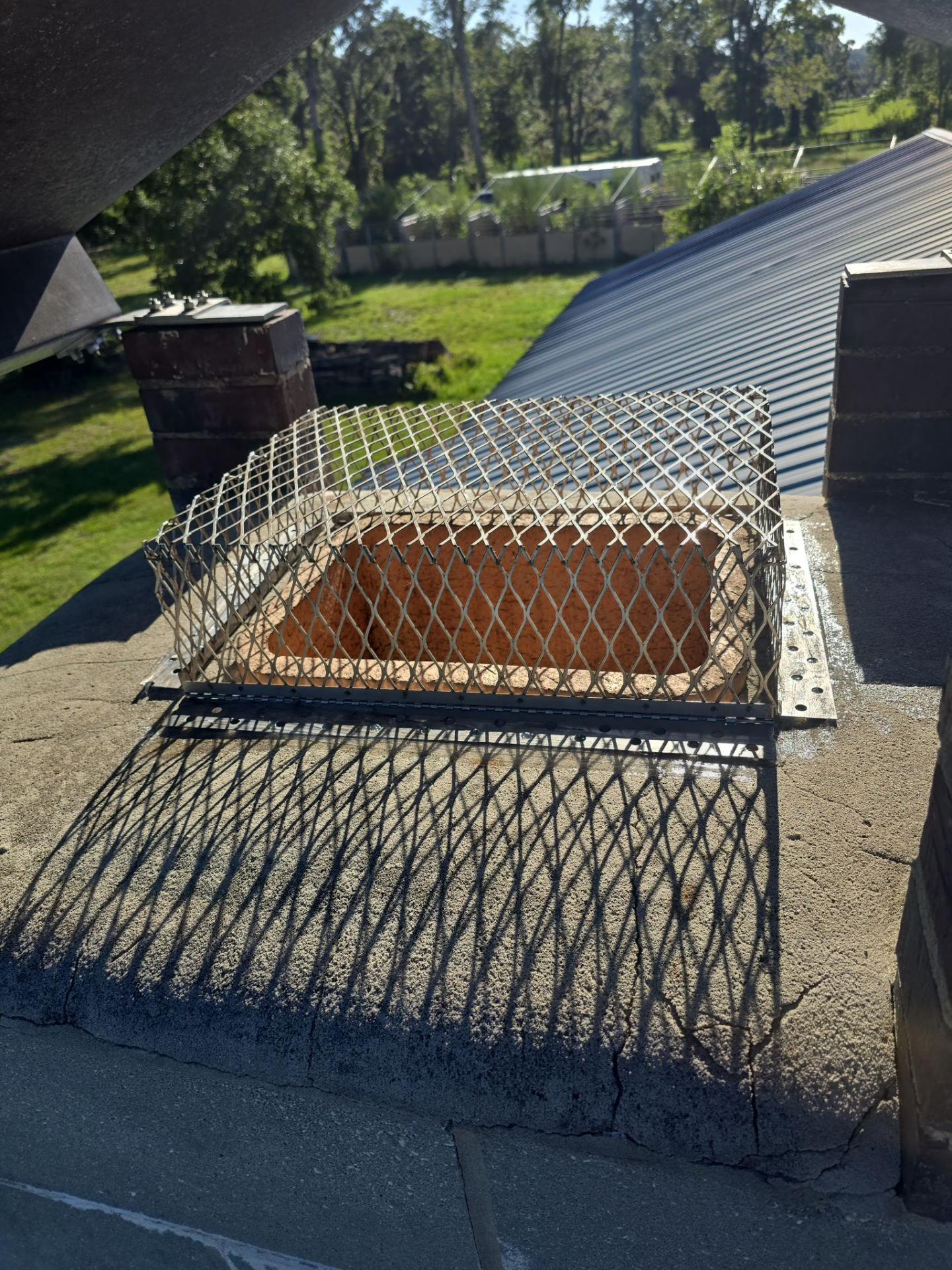
A yearly service visit checks the burner, pilot assembly, venting, and glass seal. This is also when a technician verifies gas pressure and looks for any venting obstruction — squirrel nests and debris are common in our rural service counties.
Signs You Need Service Now, Not at Your Annual Visit
If you smell gas, see soot on the glass, hear popping ignition, or notice the pilot won’t stay lit, schedule a gas leak inspection right away rather than waiting for your annual appointment. These symptoms can indicate a venting or gas supply problem that shouldn’t sit unresolved.
📊 Data Point: Per OSHA combustible gas safety guidance, even small gas leaks in enclosed spaces can reach hazardous concentrations quickly, which is why same-day response matters for suspected leaks.
FAQ: Gas Fireplace Installation Questions
How much does it cost to have a gas fireplace installed?
Most Central Florida homeowners pay between $2,500 and $7,500 for a fully installed unit, depending on venting type, gas line distance, and whether existing masonry needs repair. Insert-only jobs into a working fireplace are typically the least expensive option.
How much does it cost to install a gas fireplace with no existing gas line?
Adding a gas hearth appliance to a home without existing gas service usually costs $5,500–$8,500+, since it includes running new gas line from the meter or propane tank plus standard installation labor. Distance from the gas source is the main variable in that price.
Is a gas fireplace insert cheaper than a full built-in unit?
Yes, an insert placed into an existing masonry firebox is generally $1,000–$2,000 cheaper than a full built-in direct-vent unit, mainly because it reuses the existing chimney structure instead of requiring new framing and venting.
Do I need a permit for indoor gas fireplace installation in Florida?
Yes, nearly every Florida jurisdiction we serve requires a permit for this work because it involves fuel gas piping regulated under NFPA 54. A licensed contractor typically handles the permit application as part of the installation.
How do I find reliable gas fireplace installation near me?
Look for a contractor holding a Florida gas contractor license plus recognized hearth certifications, and confirm they pull permits for every job. Always Fire and Gas serves Ocala, Gainesville, Crystal River, and Citrus County under Florida Contractor License CRC1333200 and Gas License LI45277.
Can I convert my wood-burning fireplace to gas?
Yes, wood-to-gas conversions are one of our most common projects, though they usually require a chimney liner inspection or replacement first. Budget $4,000–$7,000 for a typical wood-to-gas conversion with reline.
What’s the difference between vent-free and direct-vent options?
Direct-vent units draw combustion air from outside and exhaust byproducts through a sealed pipe, making them safer for most living spaces. Vent-free units burn gas indoors without exterior venting, which carries more air quality limitations flagged by the CPSC and EPA.
Ready to Get Your Gas Fireplace Installation Quote
Gas fireplace installation costs in Central Florida generally range from $2,500 to $7,500, driven mainly by gas line distance, venting type, and existing chimney condition. A permitted, professionally installed unit protects both your home’s safety and your manufacturer warranty. Whether you’re adding a fireplace to a new addition or converting an old wood-burning firebox, getting an accurate on-site quote beats guessing from online averages.
- Schedule a free on-site evaluation of your chimney or planned fireplace location.
- Get a written quote covering unit, venting, gas line, and permit costs.
- Confirm your installer’s license (CRC1333200 / LI45277) before signing.
- Book your install date and ask about annual service plans.
Always Fire and Gas is licensed and certified to handle gas fireplace installation across Ocala, Gainesville, Crystal River, and the surrounding Alachua and Citrus County service areas. Reach out today for a free, no-pressure installation quote.