Reliable Chimney Repair in Gainesville, FL: What Homeowners Need to Know
Chimney repair Gainesville FL homeowners search for usually starts with the same complaint: a stained ceiling, a musty smell after rain, or crumbling bricks near the top of the flue. The direct answer is that most chimney damage in our humid, storm-prone region comes from water intrusion, and it needs professional attention before it spreads into the roof structure or firebox. Ignoring small cracks now almost always means a bigger, costlier rebuild later.
In this guide, we’ll walk through the warning signs, realistic repair costs, and how to decide between a quick patch and a full masonry rebuild. We’ll also cover how often chimneys in Alachua, Marion, and Putnam counties should be inspected given Florida’s heavy rainfall and humidity. If you’ve ever wondered whether that hairline crack in your chimney crown is a real problem, you’re in the right place.
📌 Key Takeaways
- Water intrusion, not fire damage, causes most chimney repairs in North Central Florida.
- A cracked chimney crown left unaddressed can lead to interior leaks within one to two rainy seasons.
- Annual inspections, recommended by the Chimney Safety Institute of America, catch problems while they’re still cheap to fix.
- Costs range from under $200 for a simple crown seal to several thousand for masonry rebuilds.
- Only hire contractors carrying Florida DBPR credentials and recognized chimney certifications.
Jump to a section:
- What Causes Chimney Damage in North Central Florida?
- Signs You Need Chimney Repair in Gainesville FL
- Chimney Repair Costs and Options
- DIY vs Professional Chimney Repair
- Chimney Repair Near Gainesville: Areas We Serve
- How Often Should You Schedule Inspections?
- FAQ
What Causes Chimney Damage in North Central Florida?
Quick Answer: Humidity, heavy summer rain, and freeze-thaw cycles during rare cold snaps are the primary culprits behind chimney deterioration in our area. Water is the enemy, and masonry absorbs it like a sponge over time.
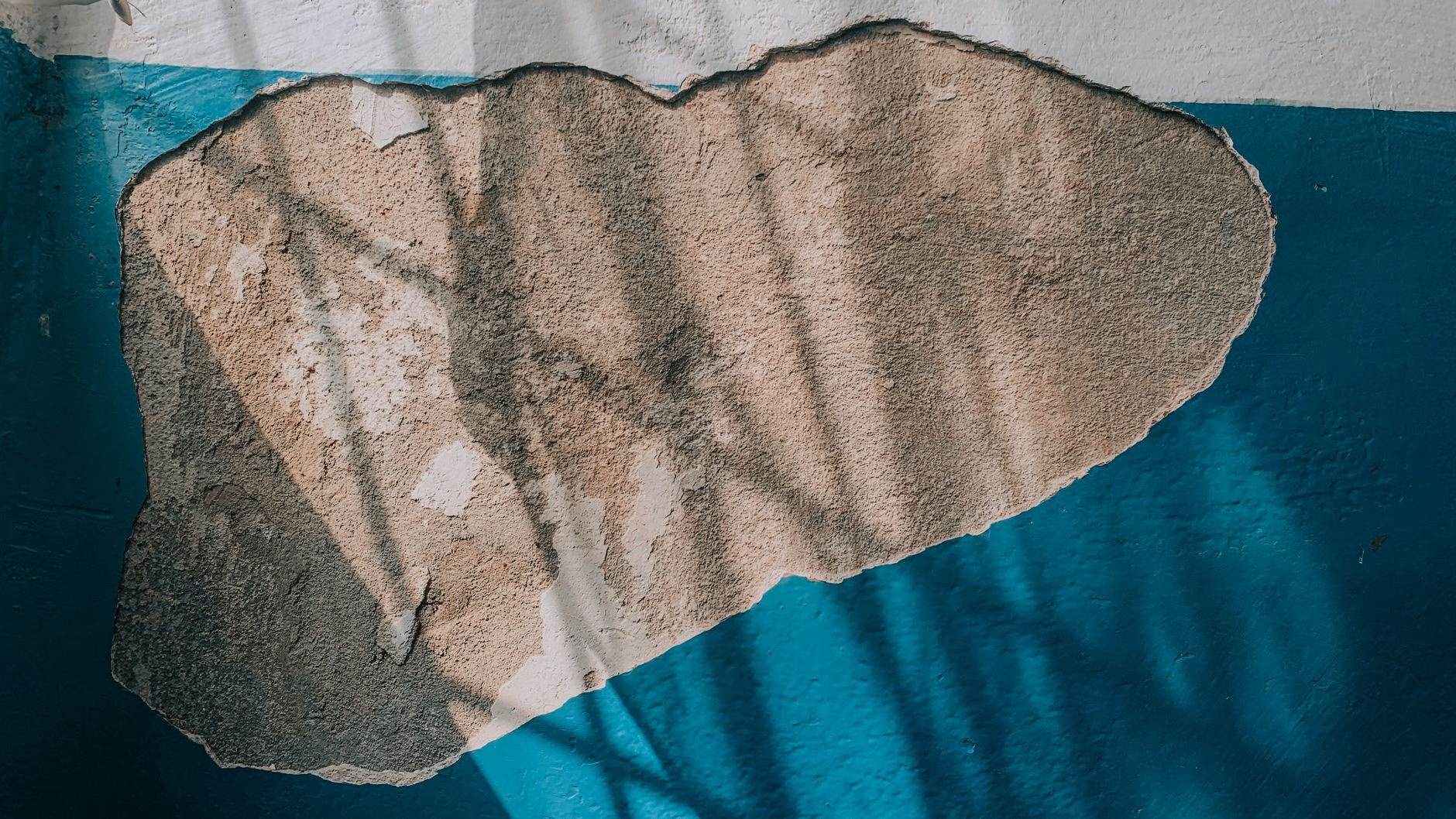
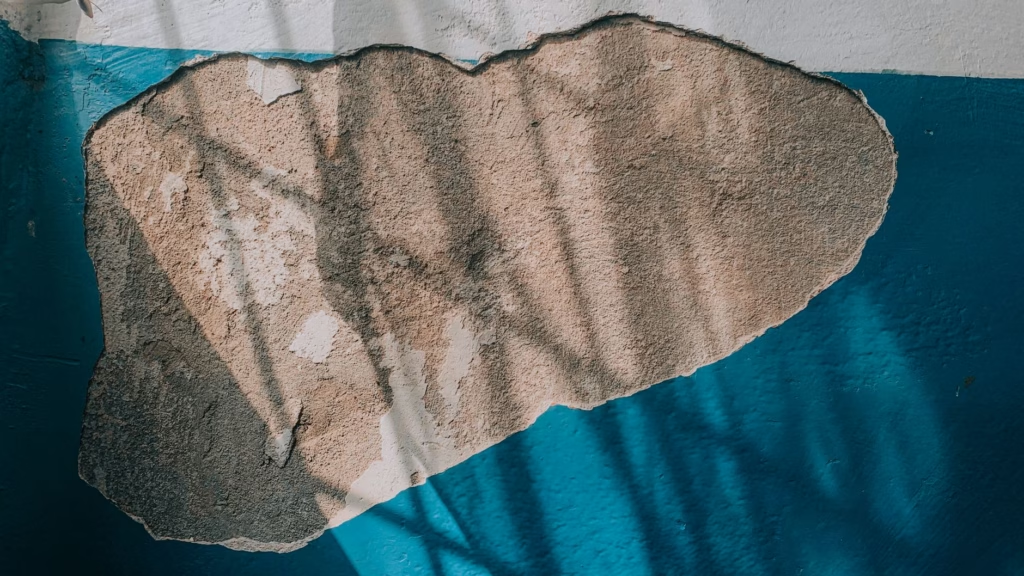
Brick and mortar are porous by nature. When rain soaks into masonry and the temperature drops, even briefly, trapped moisture expands and cracks the material from the inside out. This process, called spalling, is why so many homes around Gainesville, Ocala, and Palatka show flaking brick faces after a few rainy seasons.
Water Intrusion Through the Crown and Flashing
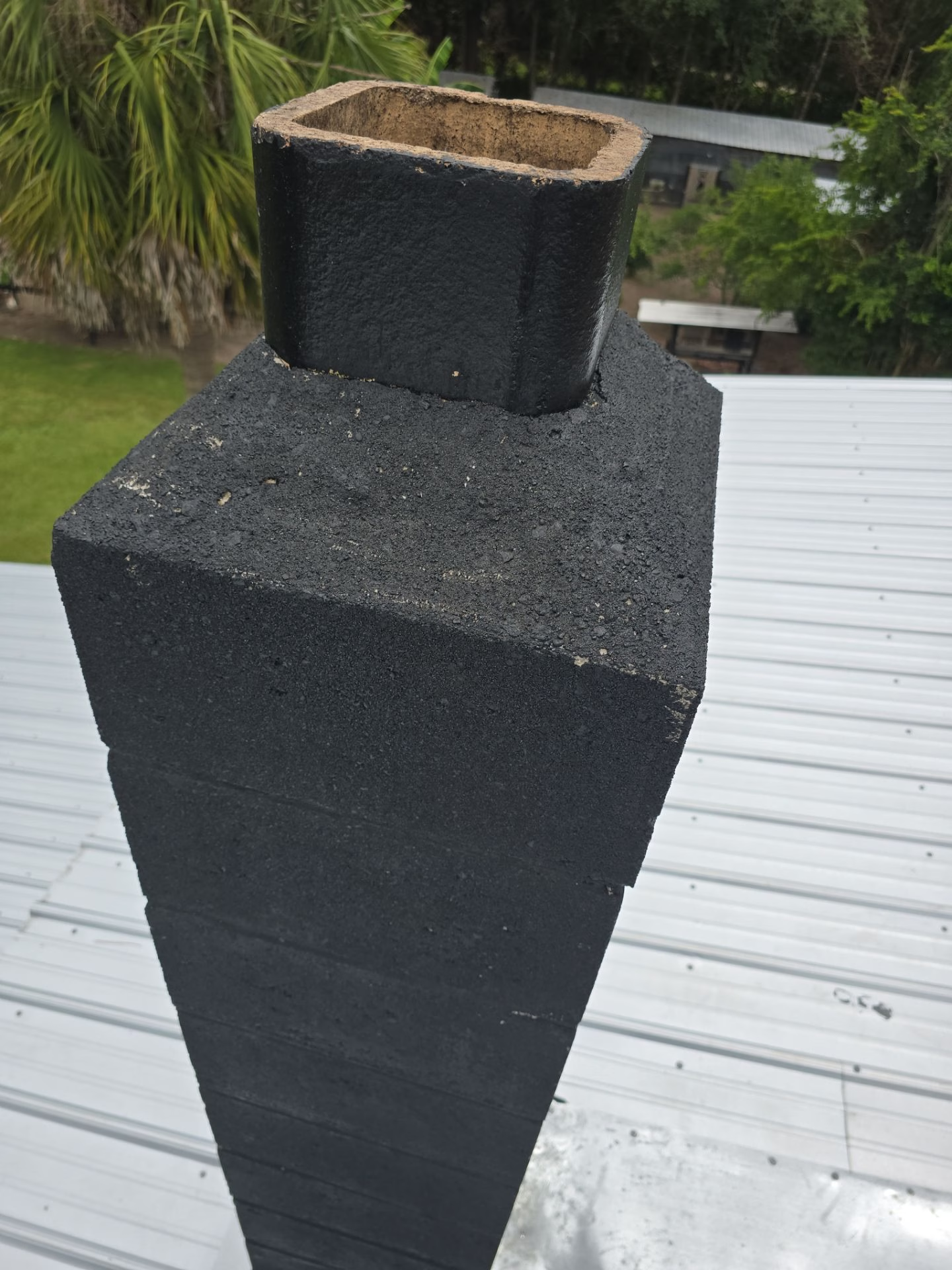
The chimney crown is the concrete cap on top of the structure, and it’s the first line of defense against rain. A cracked crown lets water pour directly into the flue liner and surrounding masonry. Damaged flashing, the metal seal where the chimney meets the roofline, is another common leak point our technicians find during inspections.
⚠️ Common Mistake: Homeowners often blame roof leaks for water stains near the chimney, when the actual source is a failed crown or flashing seal.
Age and Original Construction Quality
Older homes in Alachua and Putnam counties sometimes have chimneys built before modern building codes tightened flashing and liner requirements. According to the National Fire Protection Association, which publishes NFPA 211, the governing standard for chimney and vent construction, proper liner sizing and flashing installation significantly reduce fire and moisture risks. Homes built decades ago may not meet today’s standard without a retrofit.
Signs You Need Chimney Repair in Gainesville FL
Quick Answer: Rust on the firebox, white staining on brick (efflorescence), and a musty odor are the three most reliable indicators that a chimney needs repair. Catching these early keeps the job small and affordable.
We’ve inspected hundreds of chimneys across Marion and Alachua counties, and the pattern is consistent. Small warning signs almost always precede bigger structural problems, which is why we recommend acting the moment something looks or smells off.
Visible Warning Signs
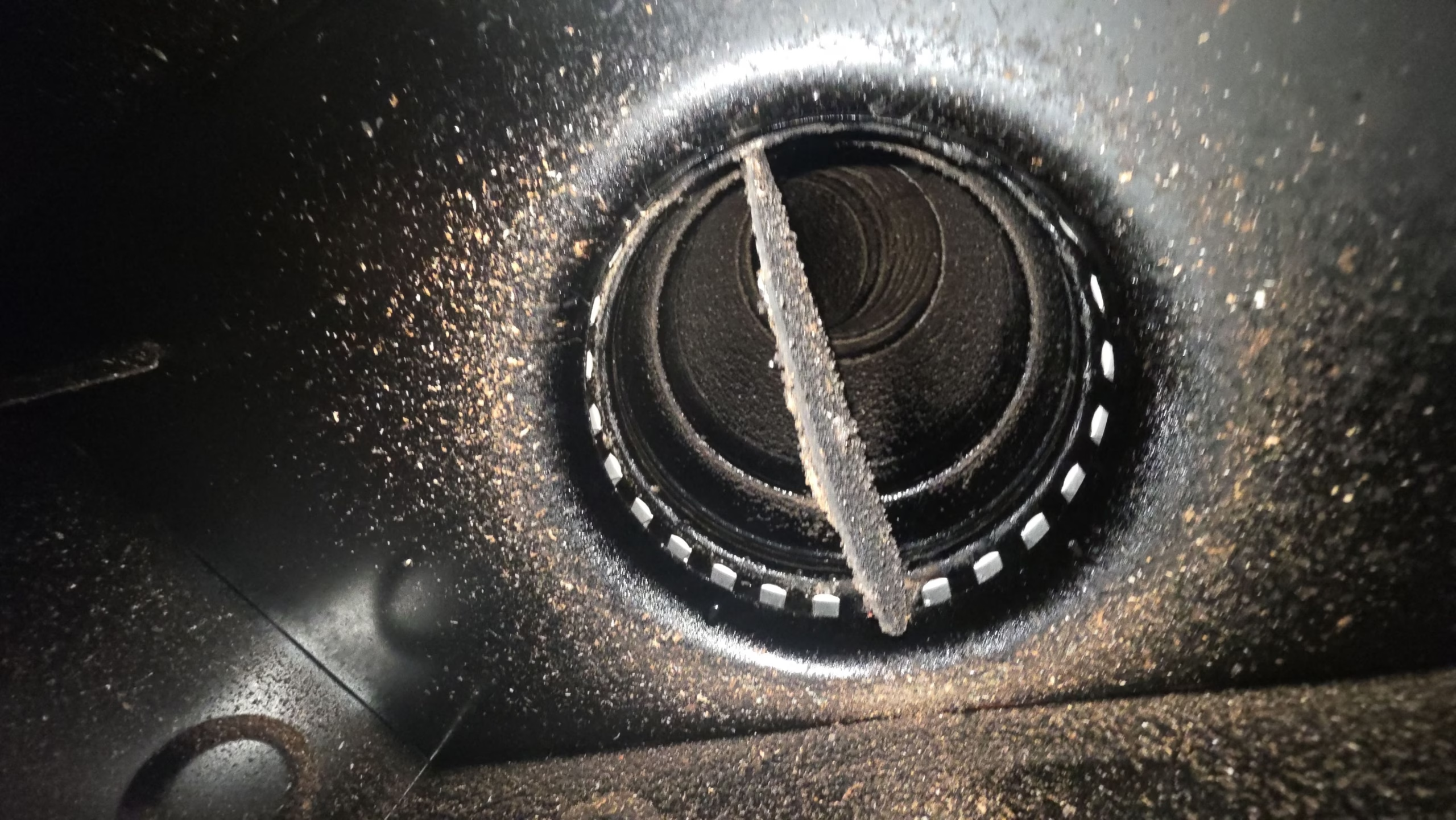
Look for spalling brick, gaps in mortar joints, or a leaning chimney crown. Rust stains inside the firebox usually mean the damper or flue liner is taking on water. Efflorescence, the white chalky residue on exterior brick, is a direct sign that moisture is moving through the masonry.
Smell and Performance Clues
A musty, campfire-like odor when the AC runs often points to a damaged flue liner drawing outside air. Smoke backing up into the room instead of venting properly can mean a damaged smoke chamber or blocked flue. Our team handles both through dedicated smoke chamber work and full chimney sweeping service.
💡 Expert Insight: As a Certified Master Chimney Technician (#34), I’ve found that homeowners typically wait six to twelve months after first noticing a stain before calling for repair. That delay often doubles the repair cost.
| Sign | Likely Cause | Urgency |
|---|---|---|
| White staining on brick | Efflorescence from moisture | Moderate |
| Rust in firebox | Water entering flue | Moderate |
| Crumbling mortar | Freeze-thaw or age | High |
| Smoke backing into room | Blocked or damaged flue | High |
| Musty odor | Damaged liner or crown | Moderate |
Chimney Repair Costs and Options
Quick Answer: Simple sealant or crown repairs typically run under $500, while full masonry rebuilds can reach several thousand dollars depending on chimney height and damage extent. Getting an on-site estimate is the only way to know for certain.
Every chimney is different, and pricing depends on accessibility, brick type, and how far the damage has spread. We always recommend a full inspection before committing to a repair path, since a small crack sometimes hides a bigger liner problem underneath.
Common Repair Types and Rough Price Ranges
Crown sealing and small mortar repairs (tuckpointing) are the most affordable fixes. Full masonry rebuilds and repair become necessary when multiple courses of brick have deteriorated. Chimney relining addresses interior flue damage that isn’t visible from the outside.
| Repair Type | Typical Range | Best For |
|---|---|---|
| Crown sealant/coating | $150-$400 | Minor hairline cracks |
| Tuckpointing (mortar repair) | $300-$900 | Localized mortar erosion |
| Flashing replacement | $250-$700 | Roofline leaks |
| Chimney relining | $1,500-$4,500 | Damaged flue liners |
| Partial masonry rebuild | $2,000-$6,000+ | Structural brick failure |
📊 Data Point: The U.S. Fire Administration reports that heating equipment, including chimneys and fireplaces, remains a leading cause of residential structure fires nationally, underscoring why timely repair matters beyond cosmetics.
Financing and Timing Your Repair
Most repairs can be scheduled within a week or two, though rebuilds may take longer if masonry needs to cure between stages. We recommend spring or early fall for major work, since Florida’s summer storms can delay outdoor masonry projects.
DIY vs Professional Chimney Repair: What’s Safe?
Quick Answer: Surface cleaning and visual inspections are reasonable DIY tasks, but any structural, flue, or crown repair should go to a licensed professional. Chimney work involves fall hazards and carbon monoxide risks that aren’t worth gambling on.
We understand the appeal of a weekend fix, especially for something that looks like a simple crack. But chimneys interact directly with combustion appliances, and a mistake in liner or damper work can lead to dangerous gas or smoke leaks inside the home.
Where DIY Makes Sense
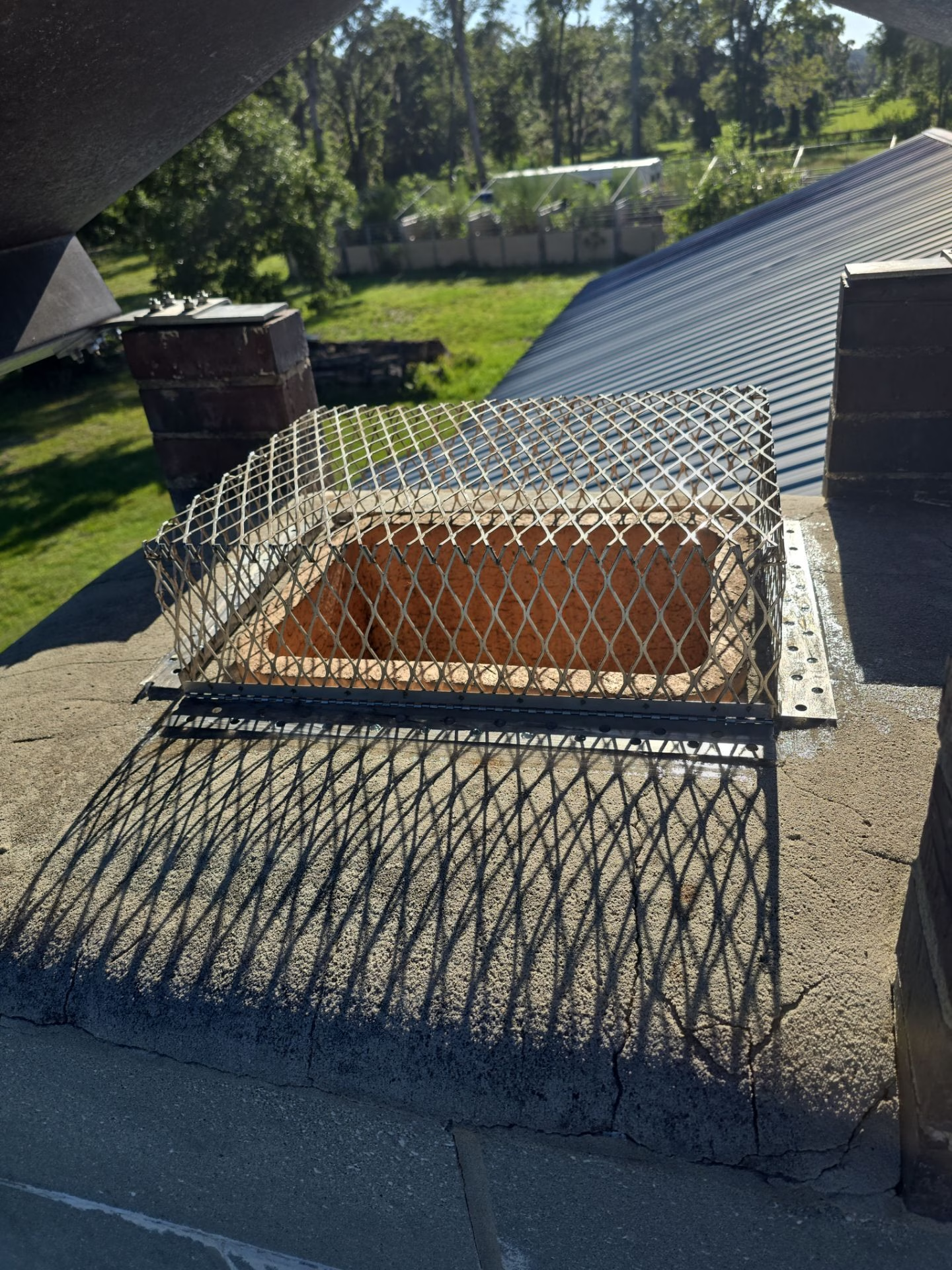
Homeowners can safely remove debris from a spark arrestor, check for visible cracks from ground level with binoculars, and keep gutters clear near the chimney base to reduce water runoff. These small habits catch problems early and cost nothing.
Where Professionals Are Required
Any work involving the flue liner, damper, crown, or structural masonry needs a certified technician. The Florida DBPR requires licensed contractors for this type of structural and gas-adjacent work, and our Florida Contractor License #CRC1333200 covers exactly this scope.
| Task | DIY-Safe? | Recommended Approach |
|---|---|---|
| Clearing debris/leaves | Yes | Homeowner, seasonally |
| Visual crack inspection | Yes | Homeowner, twice a year |
| Crown sealing | No | Licensed technician |
| Flue liner repair | No | Certified chimney reliner |
| Damper repair | No | Licensed technician |
✅ Quick Tip: If you can see daylight through the flue from inside the firebox, stop using the fireplace and call for an inspection immediately.
Chimney Repair Near Gainesville: Areas We Serve
Quick Answer: We provide chimney repair across Gainesville and the surrounding North Central Florida region, including Alachua, High Springs, Hawthorne, and communities toward Ocala and Palatka. Response times and pricing stay consistent throughout our coverage area.
One of the realities of working this region is that housing stock varies a lot from town to town. Historic homes near downtown Gainesville often have older masonry chimneys, while newer construction in areas like Alachua may rely more on prefabricated metal flues that still need regular inspection.
Nearby Communities We Cover
Our technicians regularly serve homeowners in Gainesville, Alachua County, High Springs, Hawthorne, and Hampton, as well as Palatka and Crescent City to the east. Toward the west, we cover Ocala, Dunnellon, Wildwood, and Spring Hill.
💡 Expert Insight: In my experience driving between Gainesville and Palatka job sites, chimney damage patterns shift subtly with distance from the coast. Homes nearer the St. Johns River tend to show more efflorescence due to higher ambient humidity.
If your town isn’t listed here specifically, reach out anyway. We regularly extend service into surrounding communities within our broader Alachua, Marion, Putnam, and Sumter county coverage area.
How Often Should You Schedule Chimney Inspections?
Quick Answer: An annual inspection, ideally before the first cool evenings of fall, is the industry standard for any chimney in active use. Homes with fireplaces used rarely still need a check every one to two years.
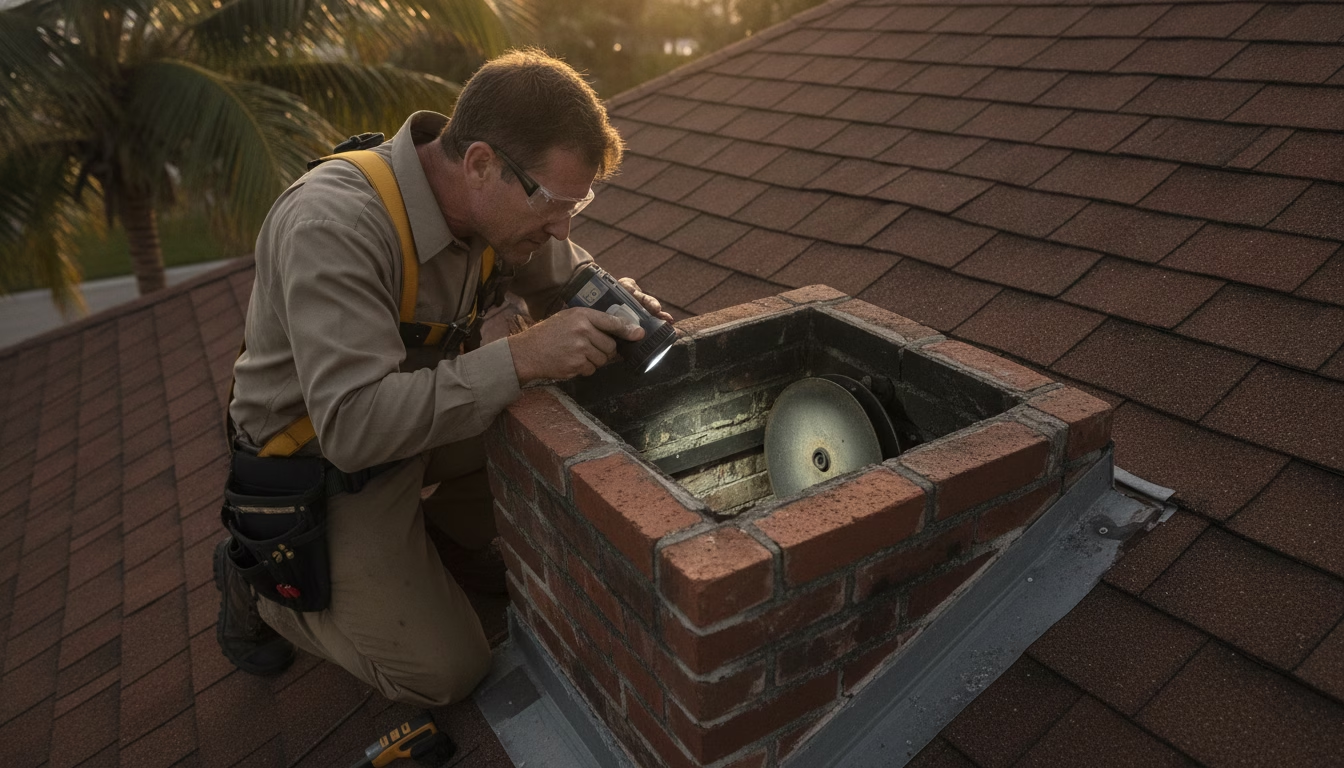
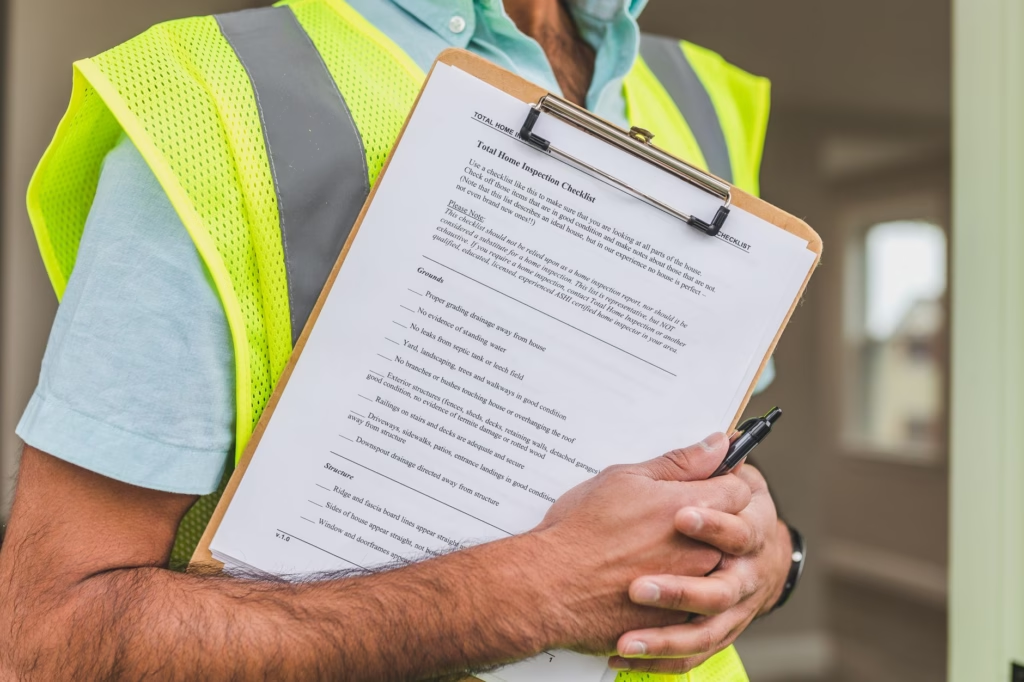
The Chimney Safety Institute of America and the National Chimney Sweep Guild both recommend yearly Level 1 inspections for chimneys in regular use. A Level 1 inspection is a visual check of readily accessible portions of the chimney, flue, and connections, without removing any components.
A Simple Annual Inspection Routine
- Schedule a professional inspection in early fall, before heavy fireplace use begins.
- Request a Level 1 or Level 2 inspection depending on whether you’ve had recent repairs or a home sale.
- Have the chimney swept if creosote buildup is found during inspection.
- Address any crown, flashing, or mortar issues before the next rainy season starts.
- Keep a written record of inspections for insurance and resale purposes.
⚠️ Common Mistake: Skipping inspections after installing a new liner or completing a repair. Follow-up checks confirm the fix is performing as expected under real weather conditions.
Carbon monoxide risk is another reason inspections matter beyond fire prevention. The CDC notes that faulty venting from chimneys, gas appliances, and dryer systems is a recognized source of CO exposure in homes, which is why our team also handles related dryer vent and gas safety work as part of a whole-home approach.
FAQ
How much does chimney repair cost in Gainesville FL?
Most minor repairs like crown sealing or tuckpointing run between $150 and $900, while full masonry rebuilds can exceed $2,000. An on-site estimate is the only reliable way to get an exact number for your chimney.
How do I find reliable chimney repair near me?
Look for a contractor with active Florida DBPR licensing and recognized certifications, such as CSIA or Certified Master Chimney Technician credentials. Ask for proof of insurance and a written scope of work before any repair begins.
Can a cracked chimney crown cause a house fire?
A cracked crown itself is primarily a water intrusion risk, but prolonged moisture damage can weaken the flue liner and create fire hazards over time. It’s best treated as a repair priority rather than a cosmetic issue.
Is chimney repair in Gainesville FL covered by homeowners insurance?
Coverage varies by policy and cause of damage; storm-related damage is more commonly covered than gradual deterioration from age or neglect. Check with your insurance provider and keep inspection records to support any claim.
How long does a typical chimney repair take?
Small repairs like crown sealing or flashing replacement often finish in a single day. Full masonry rebuilds may take several days to a week depending on scope and weather conditions.
Do gas fireplaces need the same chimney repair as wood-burning ones?
Gas fireplace venting still needs regular inspection, though the buildup and structural stress differ from wood-burning systems. Our team inspects both gas fireplaces and traditional wood-burning units as part of standard service.
What happens if I ignore chimney repair for too long?
Delayed repairs typically progress from minor cracks to interior water damage, structural instability, and eventually costly rebuilds. Waiting also increases fire and carbon monoxide risks, according to guidance from the CPSC on home heating hazards.
Conclusion
Chimney repair Gainesville FL homeowners need doesn’t have to mean a major disruption if problems are caught early. Most issues start small, whether it’s a hairline crown crack or a bit of rust in the firebox, and addressing them promptly keeps costs manageable. Our certified team combines Florida-licensed contracting with specialized chimney credentials to handle everything from simple sealant work to full rebuilds. As always, honest evaluation matters more than upselling, and sometimes a repair truly is enough without a rebuild.
- Schedule a professional Level 1 inspection if it’s been over a year since your last check.
- Photograph and note any visible cracks, staining, or odors before your appointment.
- Ask your technician for a written repair scope with pricing before work begins.
- Plan major masonry work for spring or early fall around Florida’s rainy season.
- Keep inspection and repair records for insurance and future home sale purposes.
Always Fire & Gas holds Florida Contractor License #CRC1333200 and multiple CSIA and chimney industry certifications. Contact our team today to schedule your chimney repair estimate before the next rainy season starts.