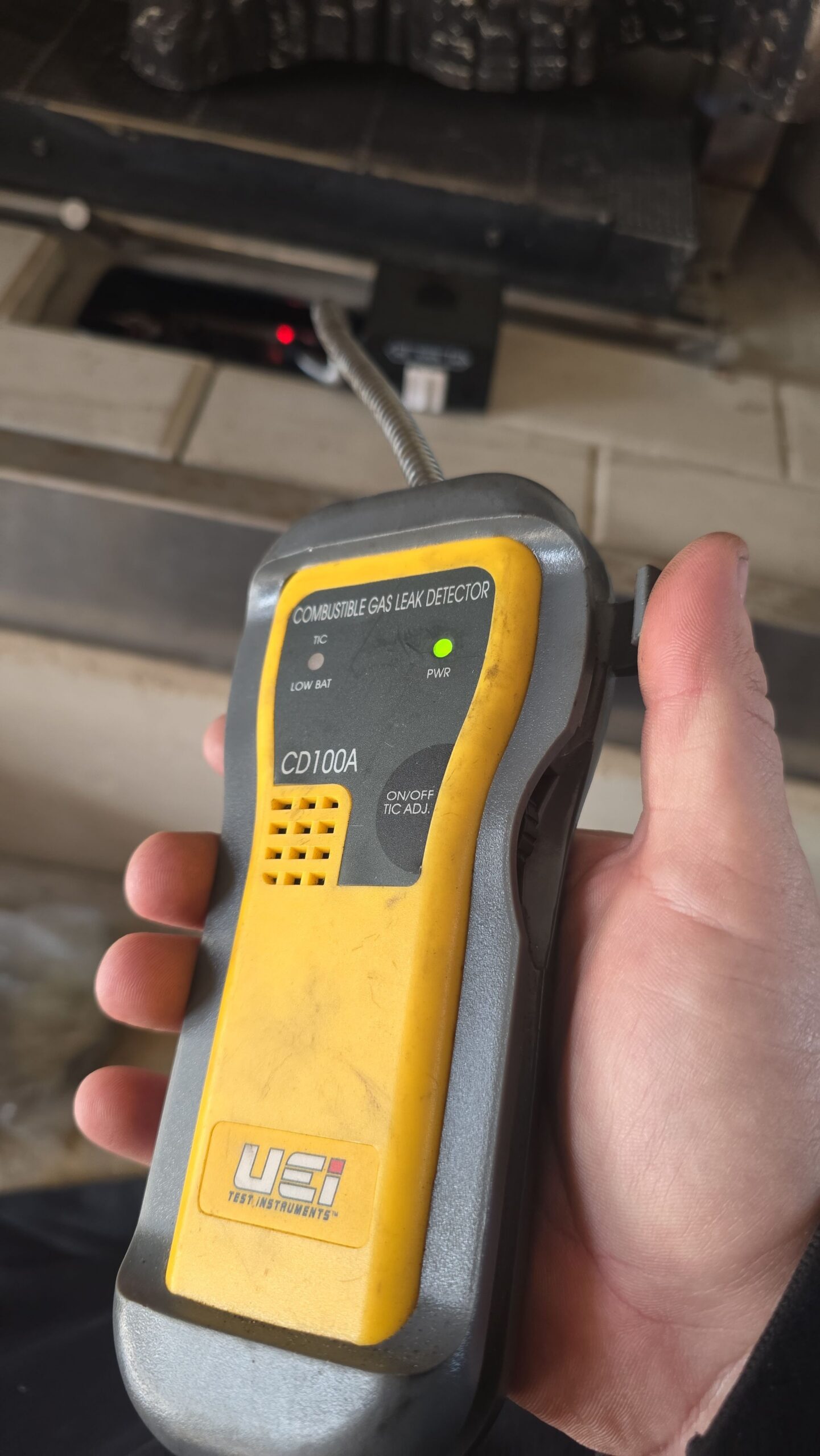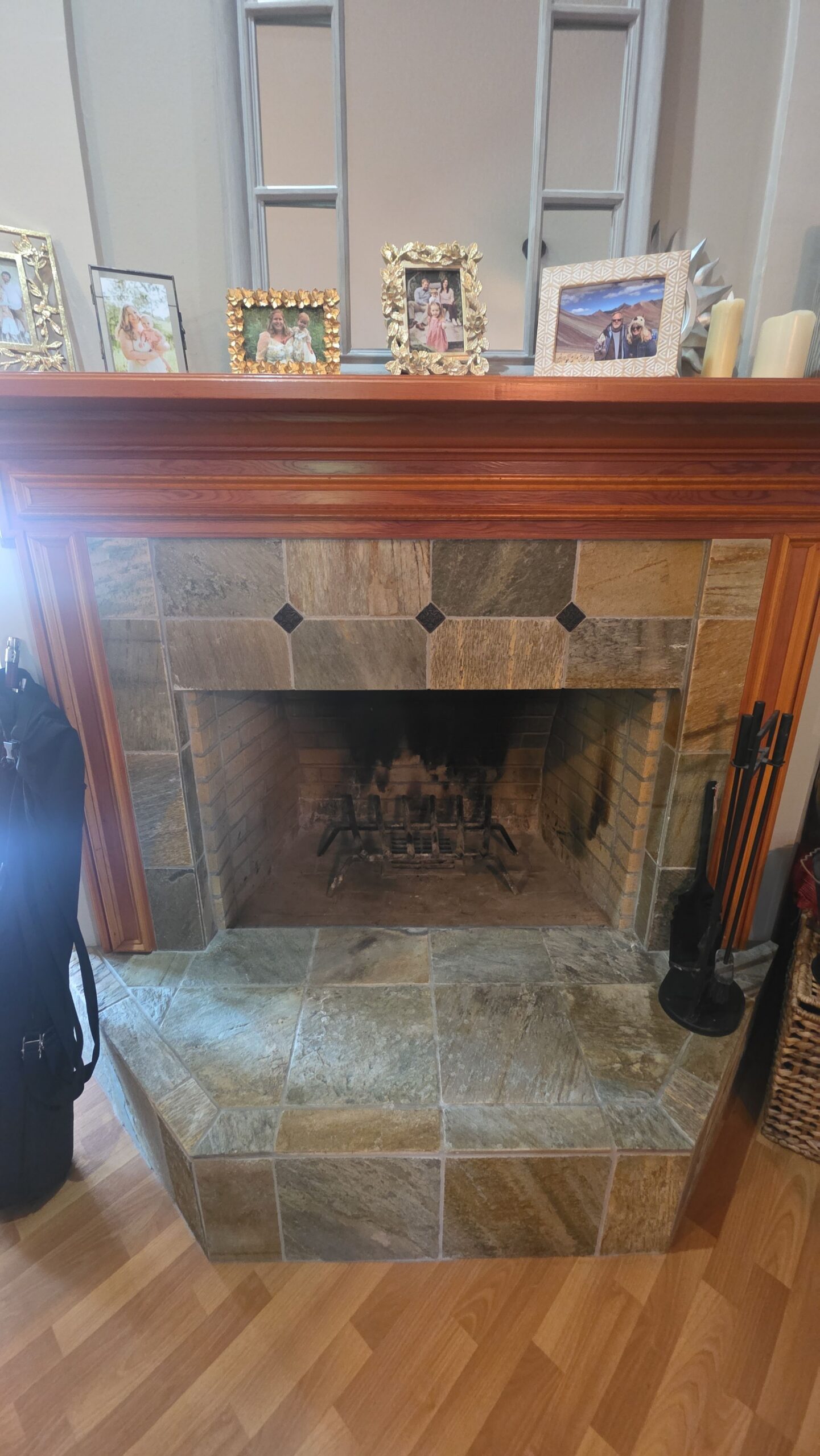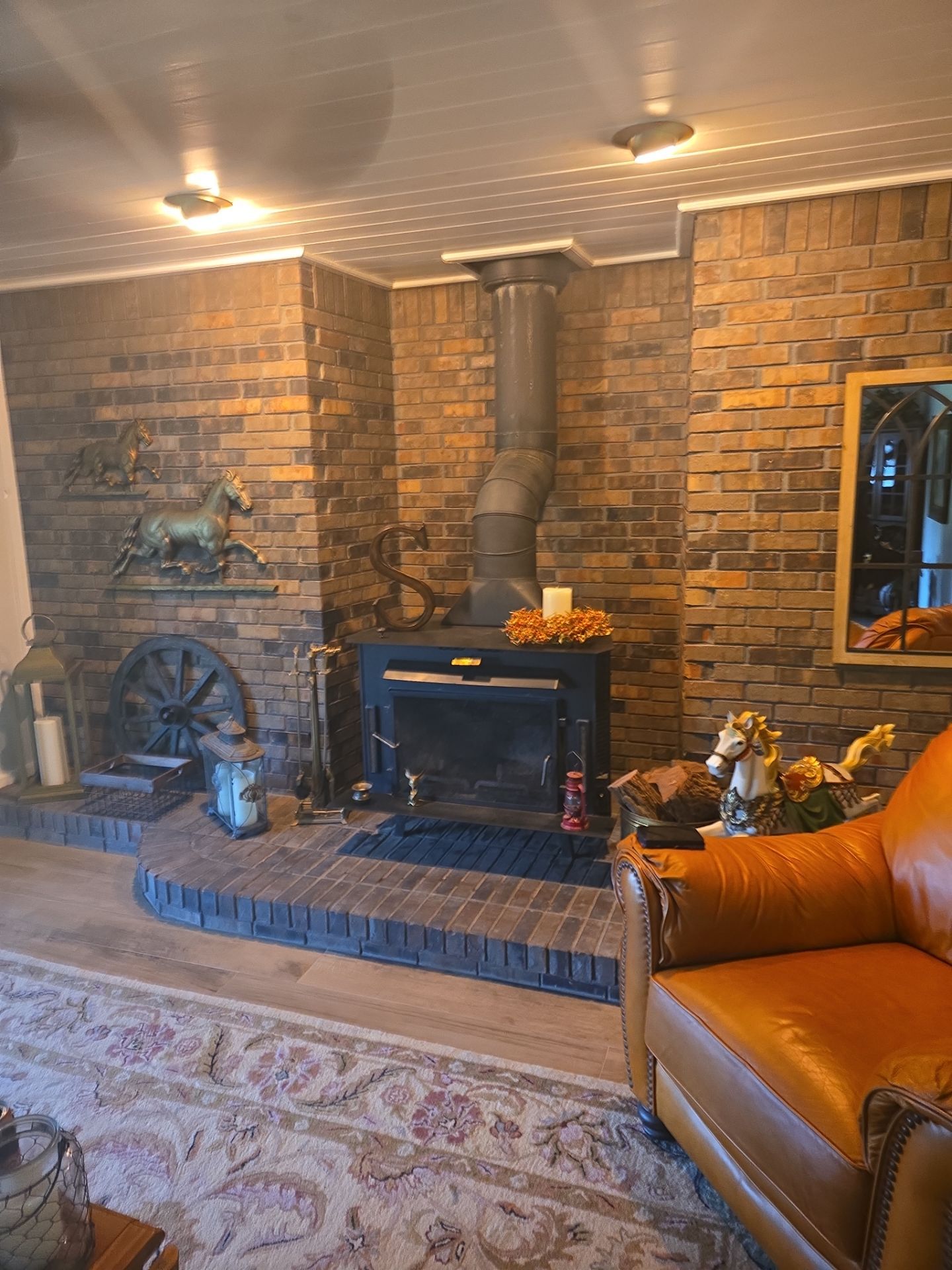
If you’re typing "chimney cleaners near me" into your phone right now, you probably already smell something off, saw a puff of smoke in the wrong place, or just want peace of mind before cold nights hit North Central Florida. The direct answer: look for a company with a Florida contractor license, CSIA certification, and a written cleanliness guarantee — not just the first name that pops up on a map.
My family has been crawling into Ocala-area chimneys since 1982, and the biggest mistake we see homeowners make is hiring based on price alone. A chimney connects fire, heat, and exhaust gases directly to the inside of your home. Who you let near that system matters as much as how fast they can show up. This guide walks you through exactly what to check before you book, what a real inspection involves, and the warning signs that mean you shouldn’t wait.
📌 Key Takeaways
- Always verify two things before booking: a Florida contractor license number and a CSIA or NFI certification.
- Annual inspections catch creosote and cracked crowns before they become fire or water damage.
- A reputable crew tarps your floors, uses a HEPA vacuum, and leaves zero mess — ask for this in writing.
- Homes in Ocala, The Villages, and Dunnellon that use fireplaces rarely still need yearly checks; infrequent use doesn’t mean no risk.
- Trade partners — agents, roofers, builders — should request documentation for closings and insurance renewals.
Jump to a section:
- Why Local Searches for Chimney Cleaners Matter
- What a Licensed Chimney Sweep Actually Checks
- Warning Signs You Need Service Now
- How to Vet Chimney Cleaners Near Me
- DIY vs. Professional Chimney Cleaning
- What to Expect During a Professional Sweep
- FAQ
Why Local Searches for Chimney Cleaners Matter
Quick Answer: Local matters because Florida chimneys face unique humidity, pest, and storm exposure that a generic national checklist won’t catch. A company that services Marion County daily knows the difference between normal wear and a problem specific to our climate.
Florida’s long, humid summers followed by short burns of cold-weather use create a strange pattern for masonry and metal chimneys. Moisture gets trapped, creosote — the tar-like residue from wood combustion — builds up slowly, and critters find their way into unused flues during the off-season. A technician who only works up north may not recognize these signs.
Why Ocala and The Villages Are Different
Homes in The Villages, Stonecrest, and Citrus Hills were often built for part-time, retirement living, meaning fireplaces sit unused for months at a time. That infrequent use doesn’t eliminate risk; it can actually hide it. A chimney cap can rust through, or a damper can seize, long before anyone notices a problem by eye.
💡 Expert Insight: In nine years in this trade, I’ve found more wasp nests and squirrel debris in rarely-used Florida flues than actual heavy creosote. Both block airflow and both need a trained eye to catch safely.
What a Licensed Chimney Sweep Actually Checks
Quick Answer: A proper sweep inspects the flue, crown, cap, damper, and firebox — not just a quick brush-down. According to the National Fire Protection Association, chimneys, fireplaces, and vents should be inspected at least once a year regardless of how often they’re used.
A thorough visit covers more ground than most homeowners expect. The technician should document findings with photos, explain any repairs in plain language, and never pressure you into same-day work you don’t understand.
The Core Inspection Points
- Flue liner — checked for cracks, gaps, or missing sections that could let heat or gases reach combustible framing.
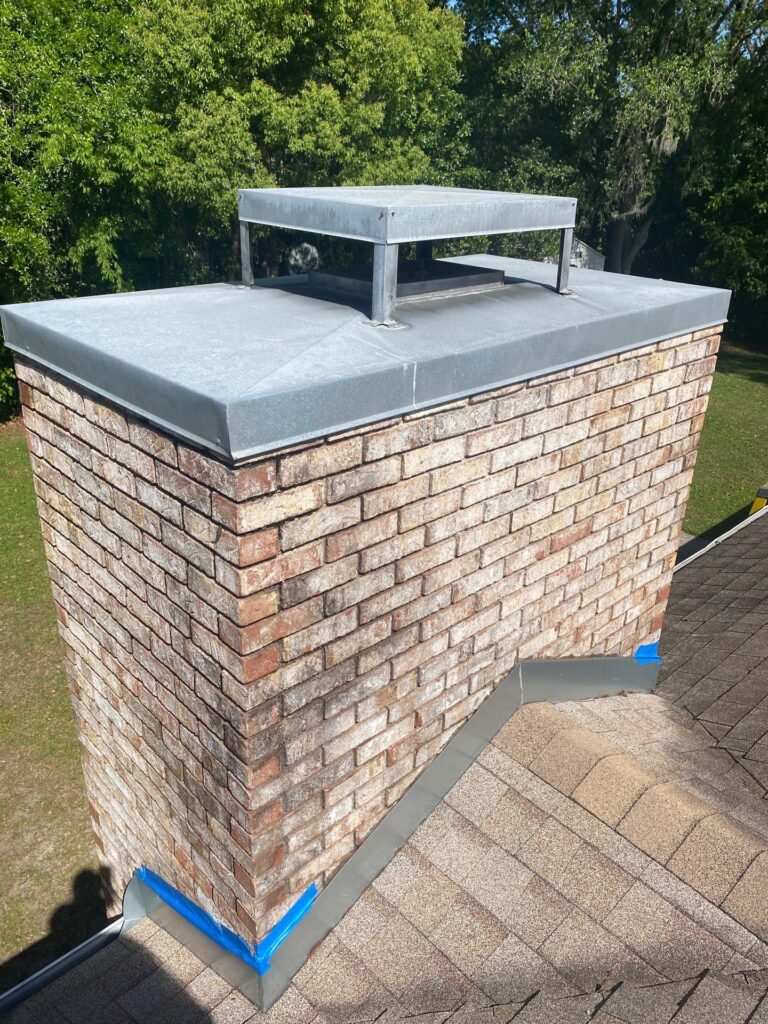
- Chimney crown and cap — the concrete top and metal cover are inspected for cracks and rust that invite water intrusion.
- Damper — tested for proper open-and-close function to control draft and keep pests out when not in use.
- Firebox and smoke chamber — scanned for creosote glaze, which the Chimney Safety Institute of America classifies by stage of severity.
- Clearance to combustibles — framing and insulation near the chimney are checked against fire-code clearances.
⚠️ Common Mistake: Hiring someone who only sweeps the visible firebox and skips the crown, cap, and flue liner. A clean-looking firebox can still sit beneath a cracked crown that’s letting water destroy the chimney from the inside out.
Warning Signs You Need Service Now
Quick Answer: Dark staining on the ceiling near the chimney, a persistent smoky smell, or a fireplace that won’t draw properly are all signals to call a professional — not to wait until next season.
Many homeowners in Ocala and Dunnellon tell us the same thing: "it worked fine last winter." But chimneys change quietly between uses. Water intrusion, nesting animals, and masonry cracks rarely announce themselves until a cold snap forces the first fire of the season.
Symptom-to-Action Table
| What You Notice | Likely Cause | Recommended Action |
|---|---|---|
| Smoky smell when fireplace is off | Creosote buildup or negative draft | Schedule a sweep and inspection |
| Water stains on ceiling near chimney | Cracked crown or flashing failure | Request a chimney water intrusion assessment |
| Fireplace won’t stay lit | Damper or draft issue | Book damper repair |
| Visible crack in crown | Age or freeze-thaw style stress | Review cracked chimney crown signs |
| Soot falling into firebox unexpectedly | Heavy creosote glaze | Priority sweep before next use |
📊 Data Point: According to the Centers for Disease Control and Prevention, carbon monoxide exposure sends thousands of people to emergency rooms every year, and blocked or damaged venting is a common contributor.
How to Vet Chimney Cleaners Near Me
Quick Answer: Ask for a Florida license number, a CSIA or NFI certification number, proof of insurance, and a written description of what’s included — tarping, vacuuming, and debris removal.
Anyone can put a van on the road and call themselves a sweep. Florida requires specific contractor licensing for this kind of work, and national certifications add a layer of tested, documented skill on top of that baseline.
Questions Worth Asking Before You Book
| Question to Ask | Why It Matters |
|---|---|
| What’s your Florida contractor license number? | Confirms legal authority to perform the work |
| Are your techs CSIA or NFI certified? | Verifies standardized training, not just experience |
| Will you tarp floors and use a HEPA vacuum? | Protects your home from soot and dust |
| Can I get a written report with photos? | Needed for insurance, HOA, or closing documentation |
| How long have you served this area? | Longevity signals accountability and reputation |
We’re licensed under Florida Contractor License CRC1333200 and Certified Category V Gas License LI45277, and our technicians carry credentials including CSIA Certified Chimney Sweep, CSIA Certified Chimney Specialist, and NFI Certified Hearth Design Specialist. You can verify any Florida contractor license through the Florida Department of Business and Professional Regulation.
✅ Quick Tip: Save time by asking for the license number over the phone before scheduling. A company confident in its credentials will give it to you without hesitation.
DIY vs. Professional Chimney Cleaning
Quick Answer: Light surface dusting is sometimes manageable yourself, but creosote removal, crown inspection, and flue evaluation require tools and training most homeowners don’t have.
It’s tempting to grab a long brush from a hardware store and call it done. The problem is that creosote has three stages, and the later stages are flammable glaze that ordinary brushes won’t remove safely.
Why the Pro Route Wins on Safety
A certified technician brings a rotary cleaning system, a camera scope for the flue interior, and the experience to recognize structural issues a homeowner would miss entirely. They also carry liability insurance, so if something goes wrong, you’re not left covering the cost yourself.
| Factor | DIY Approach | Professional Service |
|---|---|---|
| Creosote removal | Surface only, misses glazed buildup | Full rotary cleaning system |
| Structural inspection | Visual guess at best | Camera scope and trained eye |
| Documentation | None | Written report for insurance/HOA |
| Mess control | Soot often spreads indoors | Tarping and HEPA vacuum |
| Liability if damage occurs | Homeowner absorbs cost | Covered under company insurance |
💡 Expert Insight: When others say a flue is "too tight to inspect" or "not worth the trip," we show up anyway. That mindset, passed down from my father who started this company in 1982, is still how our crew of 20-plus operates today.
What to Expect During a Professional Sweep
Quick Answer: Expect floor protection, a methodical top-to-bottom inspection, cleaning with a HEPA-filtered vacuum, and a written summary of findings before the technician leaves.
A visit typically starts with a walkthrough of your concerns, whether that’s a musty smell, a sticky damper, or just routine annual maintenance. From there, the process follows a predictable sequence.
A Typical Visit, Step by Step
- Floors and nearby furniture are tarped to contain dust and debris.
- The technician inspects the cap, crown, and exterior masonry from outside.
- The flue is swept and scoped from the firebox upward.
- Creosote, soot, and any nesting debris are removed with a HEPA vacuum.
- You receive a written report, including photos and any repair recommendations.
This is the standard behind our ZERO Mess Guarantee — floors and furniture tarped, debris fully removed, documented in writing. If you’re also dealing with related issues like dryer vent airflow or a leaking chimney after a storm, those are worth mentioning during the same visit so everything gets checked at once.
⚠️ Common Mistake: Assuming a quick visual check from the ground counts as an inspection. Real inspections involve getting on the roof or using a camera scope — not just glancing up from the yard.
FAQ
How much does it cost to find chimney cleaners near me in Ocala?
Costs vary based on chimney type, creosote level, and whether repairs like a damper fix are needed. The most reliable way to get an accurate number is a documented inspection rather than a phone estimate.
How often should I schedule a chimney sweep if I rarely use my fireplace?
Even rarely-used fireplaces need at least one annual inspection, since pests, moisture, and rust can cause damage without any burning at all. Our chimney cleaning frequency guide breaks this down by usage pattern.
What’s the difference between a chimney sweep and a chimney inspection?
A sweep physically removes creosote and debris, while an inspection evaluates the structure, liner, and components for damage. Most professional visits include both, and CSIA guidelines recommend combining them annually.
Can a dirty chimney actually cause a house fire?
Yes — creosote buildup is combustible, and the National Fire Protection Association lists chimney-related fires as a leading cause of home heating fires each winter. Regular sweeping removes this fuel source before it ignites.
Do I need a licensed company, or can any handyman clean my chimney?
Florida chimney work falls under specific contractor licensing, and a properly licensed, certified team carries insurance that protects your home if something goes wrong. Always ask for a license number before scheduling.
Why does my chimney smell musty even when it’s not in use?
A musty smell usually points to trapped moisture, mildew, or a cracked crown allowing water intrusion. It’s worth a prompt inspection rather than waiting, especially heading into Florida’s rainy season.
Is it worth hiring chimney cleaners near me before selling my home?
Absolutely — a documented inspection report reassures buyers, satisfies many lender and insurance requirements, and can prevent last-minute closing delays. Agents across Ocala and Orlando routinely request this paperwork before closing.
Final Thoughts
Finding trustworthy chimney cleaners near me doesn’t have to feel like a gamble. Check for a Florida contractor license, confirm national certifications like CSIA or NFI, and ask for documentation before anyone touches your fireplace. A little verification upfront protects your home, your insurance standing, and your family’s safety for the whole burning season.
Next steps:
- Note any warning signs — smoky smell, water stains, a sticky damper.
- Ask any company you’re considering for their license and certification numbers.
- Schedule an annual inspection before the first cold snap arrives.
- Keep the written report on file for insurance, HOA, or resale purposes.
Always Fire & Gas is family-owned since 1982, holds Florida Contractor License CRC1333200 and Gas License LI45277, and backs every visit with our ZERO Mess Guarantee. Call or text (352) 282-0158 to schedule your chimney inspection with Florida’s Most Certified team.