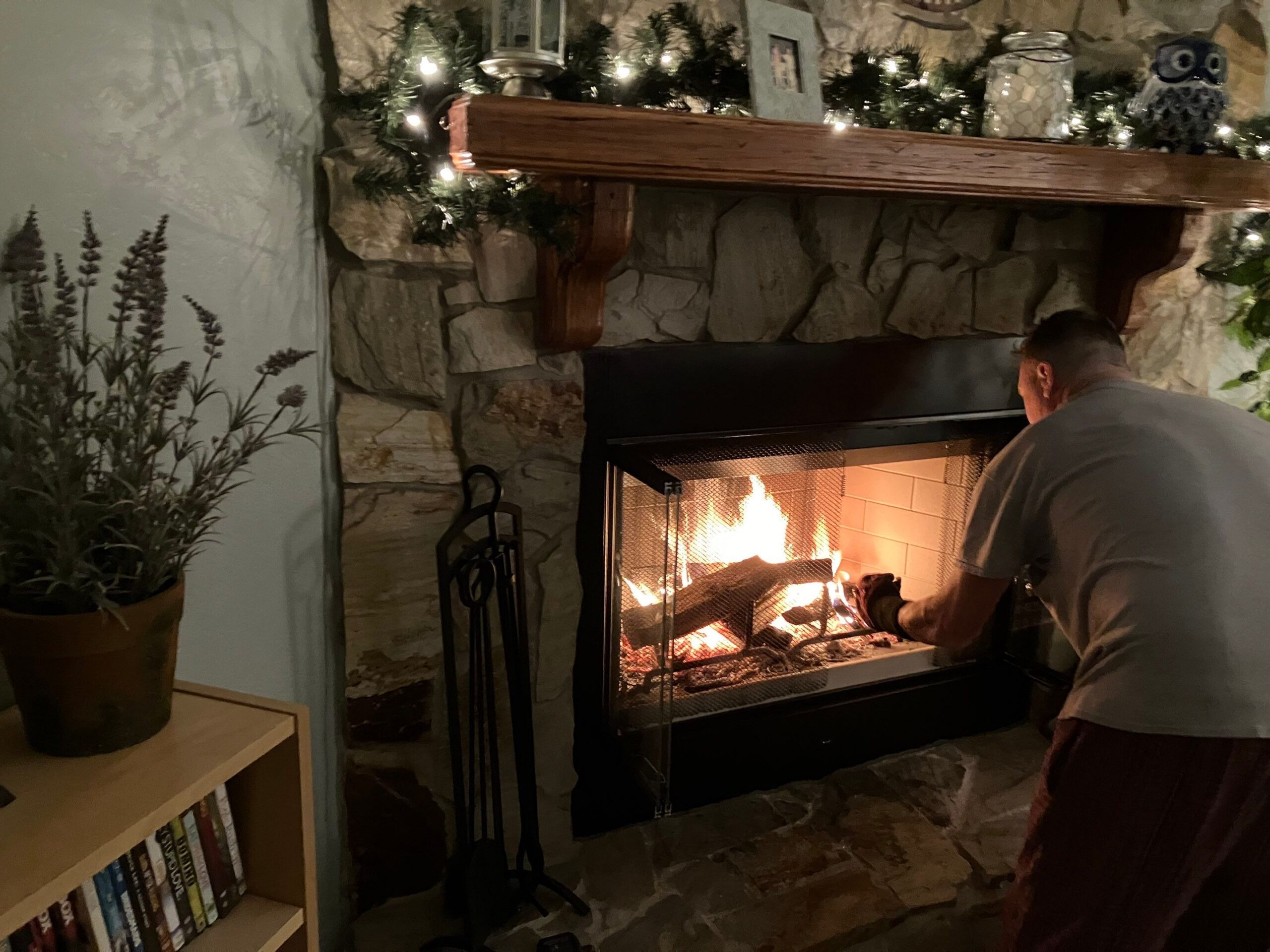
Hearths are the non-combustible floor surface in front of and beneath a fireplace, and they exist for one reason: keeping sparks and heat away from your home’s framing. Most Marion County homeowners never think about theirs until a real estate inspector flags it or a stray ember scorches the rug. As a family-owned chimney and gas company serving Ocala since 1982, we’ve seen what happens when a hearth is undersized, cracked, or simply missing — and it’s rarely cheap to fix after the fact.
This guide walks you through what a proper hearth should look like, the materials and clearances Florida code requires, and the warning signs that mean it’s time to call a certified technician. Whether you’re settling into a home in The Villages, maintaining a wood stove in Dunnellon, or prepping a fireplace for closing in Ocala, the fundamentals are the same: the hearth is your first line of defense against fire.
📌 Key Takeaways
- A hearth must extend a minimum distance in front of and beside the firebox opening, per NFPA 211 guidelines.
- Masonry, tile, and stone hearths outlast painted wood or carpet-covered platforms in Florida’s humidity.
- Cracks, settling, or gaps between the hearth and flooring can signal a bigger structural issue behind the firebox.
- Wood stoves require a certified hearth pad rated for the stove’s specific heat output — not just any tile.
- A licensed inspection before buying, selling, or lighting a fireplace for the first time each season catches problems early.
Jump to a Section
- What Is a Hearth and Why It Matters
- Comparing Hearth Materials
- Florida Code Clearances for Hearths
- Common Hearth Problems in Ocala Homes
- What a Certified Hearth Inspection Covers
- Choosing the Right Hearth for Your Fireplace
- Frequently Asked Questions
What Is a Hearth and Why It Matters
Quick Answer: A hearth is the fireproof floor pad that catches embers, radiates heat safely, and keeps your home’s framing away from open flame. Without one built to spec, a fireplace or wood stove simply isn’t safe to use.
Think of the hearth as the buffer zone between fire and everything flammable in your living room — the rug, the wood subfloor, the baseboard trim. It’s built from materials like brick, stone, or tile that won’t ignite or crack under sustained heat. In most homes we service, the hearth was poured or set when the chimney was built, but age, moisture, and settling can compromise it over decades.
According to the National Fire Protection Association, improperly protected hearth areas are a recurring factor in residential fireplace fires. That’s not meant to scare you — it’s meant to explain why we check this detail on every single inspection, even when the chimney itself looks fine.
Firebox vs. Hearth: Two Different Jobs
The firebox is where the fire actually burns; the hearth is the floor around it. Homeowners sometimes use the terms interchangeably, but a technician needs both terms clear before discussing repairs. A damaged firebox liner and a cracked hearth extension are two separate problems with two separate fixes.
✅ Quick Tip: If you can see daylight or feel a draft where the hearth meets the surrounding floor, don’t wait — that gap can let embers or heat reach the subfloor.
Comparing Hearth Materials
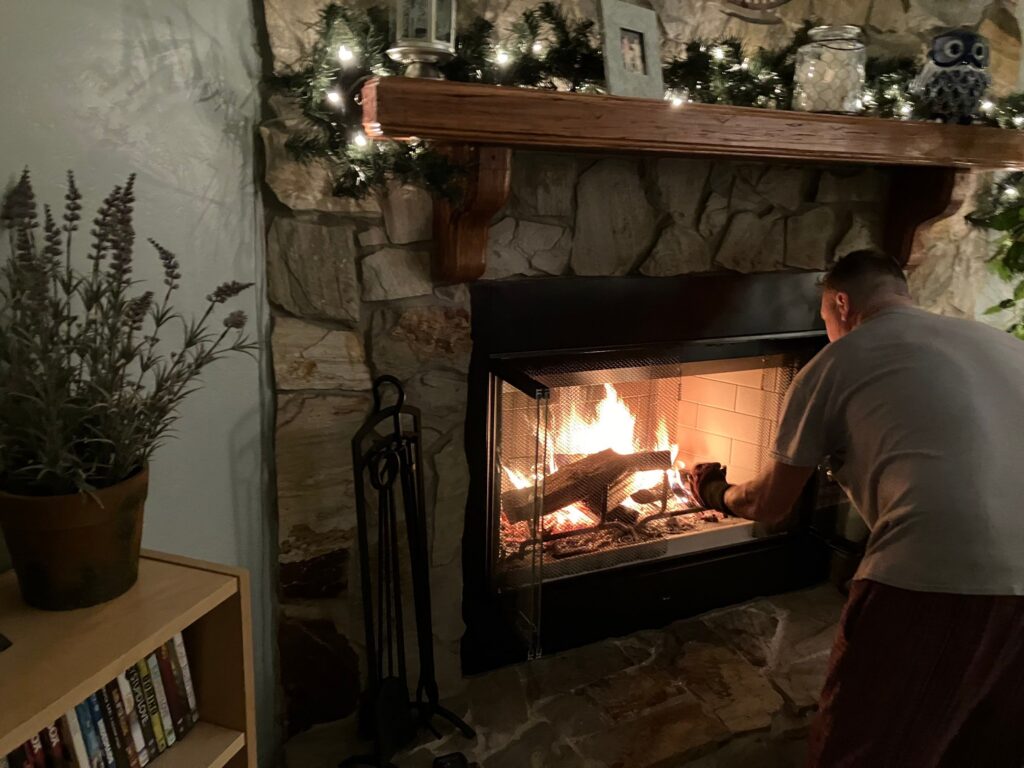
Quick Answer: Masonry, tile, and natural stone hold up best in Florida’s heat and humidity, while painted wood platforms or carpet-wrapped hearths wear out fast and fail inspection. Material choice should match the fireplace type, not just the room’s decor.
Every hearth material has to meet the same baseline: non-combustible, able to handle sustained heat, and durable enough to survive decades of use. Beyond that, the right pick depends on whether you’re running a gas fireplace, a wood-burning fireplace, or a wood stove.
| Hearth Material | Best For | Durability in FL Climate | Notes |
|---|---|---|---|
| Brick masonry | Traditional wood-burning fireplaces | High | Classic look; needs mortar checks over time |
| Natural stone (slate, granite) | High-end wood or gas fireplaces | Very high | Dense, low-maintenance, resists humidity swings |
| Ceramic/porcelain tile | Gas and electric inserts | High | Wide style range; grout needs periodic sealing |
| Certified hearth pad | Freestanding wood stoves | High (when rated correctly) | Must match stove’s R-value heat output |
| Painted wood platform | Not recommended | Low | Prone to scorching, cracking, code failures |
Hearth Pads for Wood Stoves Explained
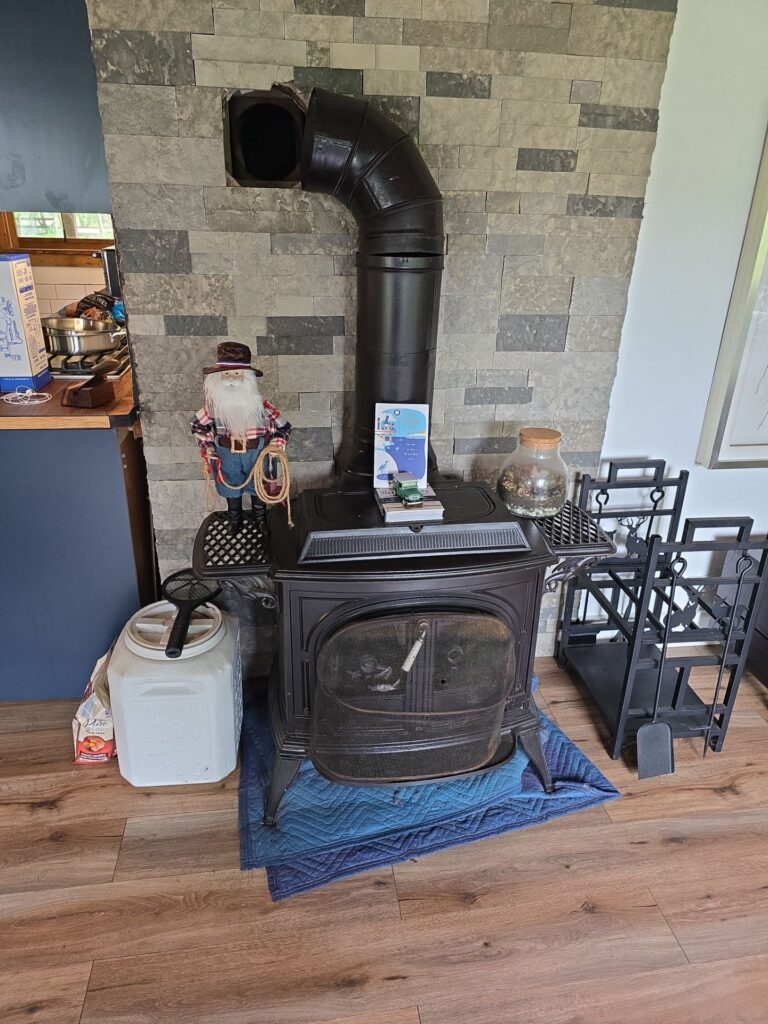
A hearth pad is a manufactured, fire-rated platform designed specifically for freestanding wood stoves — it’s not interchangeable with a masonry hearth. Each stove model has a minimum R-value (a measure of heat resistance) the pad must meet. Installing the wrong pad under a wood stove is one of the most common code violations we find during inspections across Marion County.
⚠️ Common Mistake: Homeowners sometimes set a wood stove on decorative tile without checking the required R-value underneath — the tile alone often isn’t enough insulation.
Florida Code Clearances for Hearths
Quick Answer: Hearth extensions must reach a minimum distance from the firebox opening on the front and sides, with exact measurements depending on the fireplace size and local building code adoption. A certified technician verifies these numbers against your specific unit.
Florida follows nationally recognized fire-protection standards, including those published by the NFPA, when local building departments review fireplace and hearth installations. These rules exist because a hearth that’s even a few inches short can leave flooring exposed to radiant heat or stray embers. New construction, additions, and fireplace conversions all get checked against these clearances before a certificate of occupancy is issued.
Hearth Extension Requirements in Practice
In real homes, we commonly find older hearths that were built to a prior code cycle and never updated when the fireplace was modified. If you’ve added a larger insert or converted from wood to gas, the original hearth footprint may no longer meet current clearance requirements. This is a detail many homeowners — and even some real estate agents — simply don’t know to check.
💡 Expert Insight: When we inspect a home before closing, hearth clearance is one of the first five things we measure — it’s quick to check and expensive to ignore.
Common Hearth Problems in Ocala Homes
Quick Answer: Cracking, settling, staining, and gaps at the hearth’s edge are the issues we see most often in North Central Florida homes. Most stem from age, moisture intrusion, or a hearth that was never properly tied into the foundation.
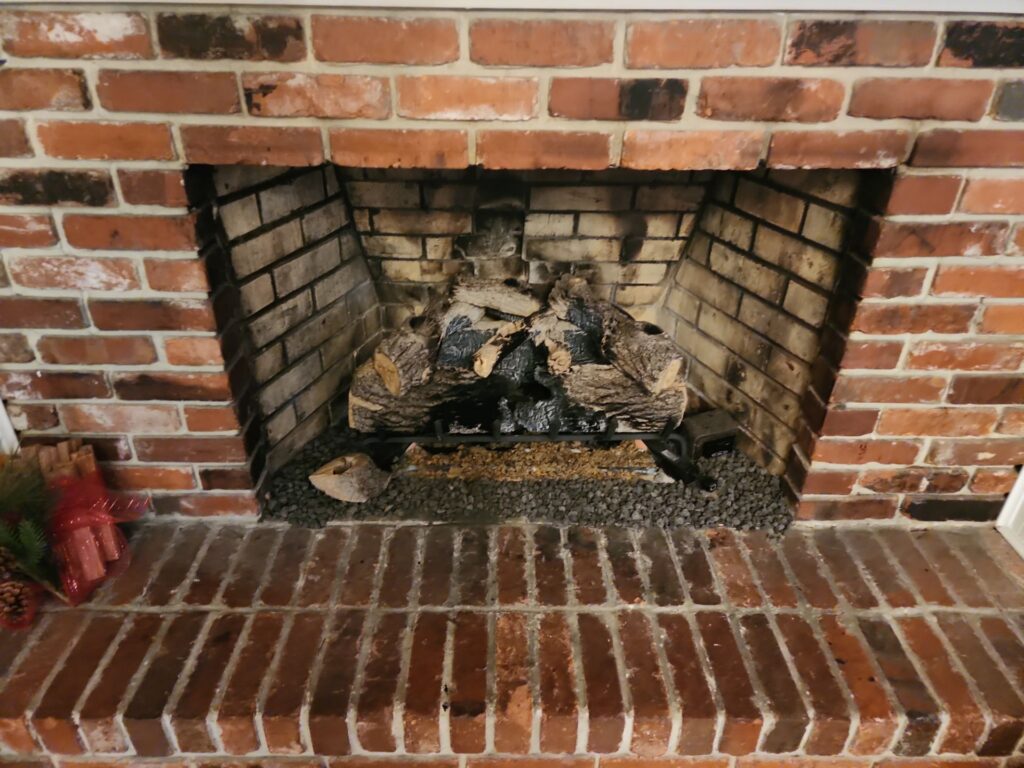
Florida’s shifting, sandy soils and seasonal humidity swings put extra stress on masonry over time. A hearth that was poured flush with the flooring forty years ago can settle unevenly, creating a trip hazard and a gap where sparks could reach the subfloor. We’ve also seen moisture wick up through an uninsulated slab and cause tile to loosen or crack along the grout lines.
Cracked or Settling Hearths: What It Signals
A single hairline crack in tile might be cosmetic, but multiple cracks, a sloped hearth, or separation from the surrounding wall often point to a settling foundation or a failing hearth support structure underneath. This overlaps with issues we cover in our guide to cracked chimney crown repair signs, since both problems often trace back to water intrusion over time.
📊 Data Point: Marion County’s homeownership rate runs well above 75%, and a large share of that housing stock is decades old — meaning original hearths and chimneys are common across the area.
What a Certified Hearth Inspection Covers
Quick Answer: A proper inspection measures hearth dimensions against code, checks for cracking or settling, and confirms the material is still fire-rated and intact. It’s a fast, low-disruption part of a full chimney inspection.
Here’s what our technicians typically walk through during a hearth check:
- Measure the hearth extension against required minimum clearances for the specific fireplace or stove.
- Inspect the surface material for cracking, loose tile, or crumbling mortar joints.
- Check for gaps or separation between the hearth and surrounding flooring.
- Confirm the hearth pad (if present) matches the stove’s rated heat output.
- Document findings in writing, including photos, for your records or closing file.
That documentation matters most to our transaction-driven clients — sellers, buyers, and agents who need proof in hand before a deal moves forward. As a company holding Florida Contractor License CRC1333200 and Certified Category V Gas License LI45277, along with CSIA and NFI hearth-specific certifications, we put findings in writing every time.
✅ Quick Tip: Schedule a hearth and chimney inspection before the first cold snap of the season, typically October through January in Central Florida, not after you’ve already lit the first fire.
Choosing the Right Hearth for Your Fireplace
Quick Answer: The right hearth depends on your fireplace type — wood-burning, gas, electric, or a freestanding stove — and each has different clearance and material needs. Matching the hearth to the appliance up front avoids costly rework later.
If you’re installing or converting a gas fireplace, hearth requirements are generally less demanding than for wood-burning units, since gas units run cooler at the base. Wood-burning fireplaces and wood stoves need the most robust hearth protection because of higher ember risk and sustained heat. Electric units have the fewest hearth restrictions but still benefit from a non-combustible surface for long-term durability.
DIY vs. Professional Hearth Work
| Task | DIY-Friendly? | Why |
|---|---|---|
| Cleaning hearth surface | Yes | Routine upkeep, no structural risk |
| Resealing grout on tile hearth | Often yes | Low risk if product is rated for heat exposure |
| Replacing cracked hearth material | No | Requires code-correct measurements and materials |
| Installing a hearth pad for a new stove | No | Must match manufacturer R-value and code clearance |
| Evaluating settling or structural cracks | No | Needs a trained eye to rule out foundation issues |
We’ve walked into more than one Ocala living room where a well-meaning homeowner replaced cracked tile themselves, only to use a material that wasn’t rated for the heat exposure. It’s an easy mistake to make without the code reference in front of you — which is exactly why our team documents clearances on every job.
Frequently Asked Questions
What is the minimum hearth size required for a fireplace in Florida?
Minimum hearth extension distances depend on the firebox opening size and follow NFPA 211 guidance as adopted by local building codes. A certified technician measures your specific fireplace to confirm it meets the required front and side clearances.
Can I put a rug on top of my fireplace hearth?
A rug directly on a hearth isn’t recommended, since it reduces the non-combustible protection the hearth is designed to provide. If you want softness nearby, keep rugs clearly outside the hearth extension zone.
How do I know if my hearth needs to be replaced?
Look for visible cracking, loose or crumbling material, gaps at the edges, or an uneven, sloped surface. Any of these signs warrant a professional evaluation before using the fireplace again.
Do gas fireplaces need the same hearth as wood-burning fireplaces?
Gas fireplaces generally have less demanding hearth requirements since they produce less radiant heat at the base than wood fires. Even so, a non-combustible surface rated for the specific unit is still required by manufacturer specifications.
What’s the difference between a hearth and a hearth pad?
A hearth typically refers to the masonry or tile surface built into a traditional fireplace, while a hearth pad is a manufactured, fire-rated platform made for freestanding wood stoves. The two aren’t interchangeable, and using the wrong one can fail inspection.
Is a cracked hearth a fire hazard?
A cracked hearth can expose the subfloor to radiant heat or stray embers, which is a genuine fire risk, especially with repeated use. We recommend having any cracking evaluated before lighting the fireplace again.
How often should hearths be inspected in Ocala, FL?
Most homeowners in Marion County and The Villages benefit from an annual inspection, ideally before the fall burning season begins. Homes being bought or sold should also have the hearth checked as part of a full chimney inspection before closing.
Final Thoughts on Hearth Safety
Hearths might be the most overlooked part of a fireplace system, but they’re doing real work every time you light a fire. Cracks, undersized clearances, or the wrong material underneath a wood stove aren’t cosmetic issues — they’re fire-safety issues. If it’s been a while since anyone looked at yours, that’s worth changing before the next cold snap rolls through Ocala, Dunnellon, or The Villages.
Here’s how to move forward:
- Note any visible cracking, gaps, or unevenness around your current hearth.
- Check which fireplace type you have — wood, gas, electric, or stove — before assuming your hearth meets code.
- Schedule a certified inspection before your first fire of the season.
- Keep the written documentation on file, especially if you’re buying, selling, or dealing with an HOA.
Always Fire & Gas has been family-owned in Ocala since 1982, holds two Florida state licenses and six national certifications, and backs every job with a ZERO Mess Guarantee in writing. When others say they can’t, we show up. Call or text (352) 282-0158 today to schedule your hearth and chimney inspection.