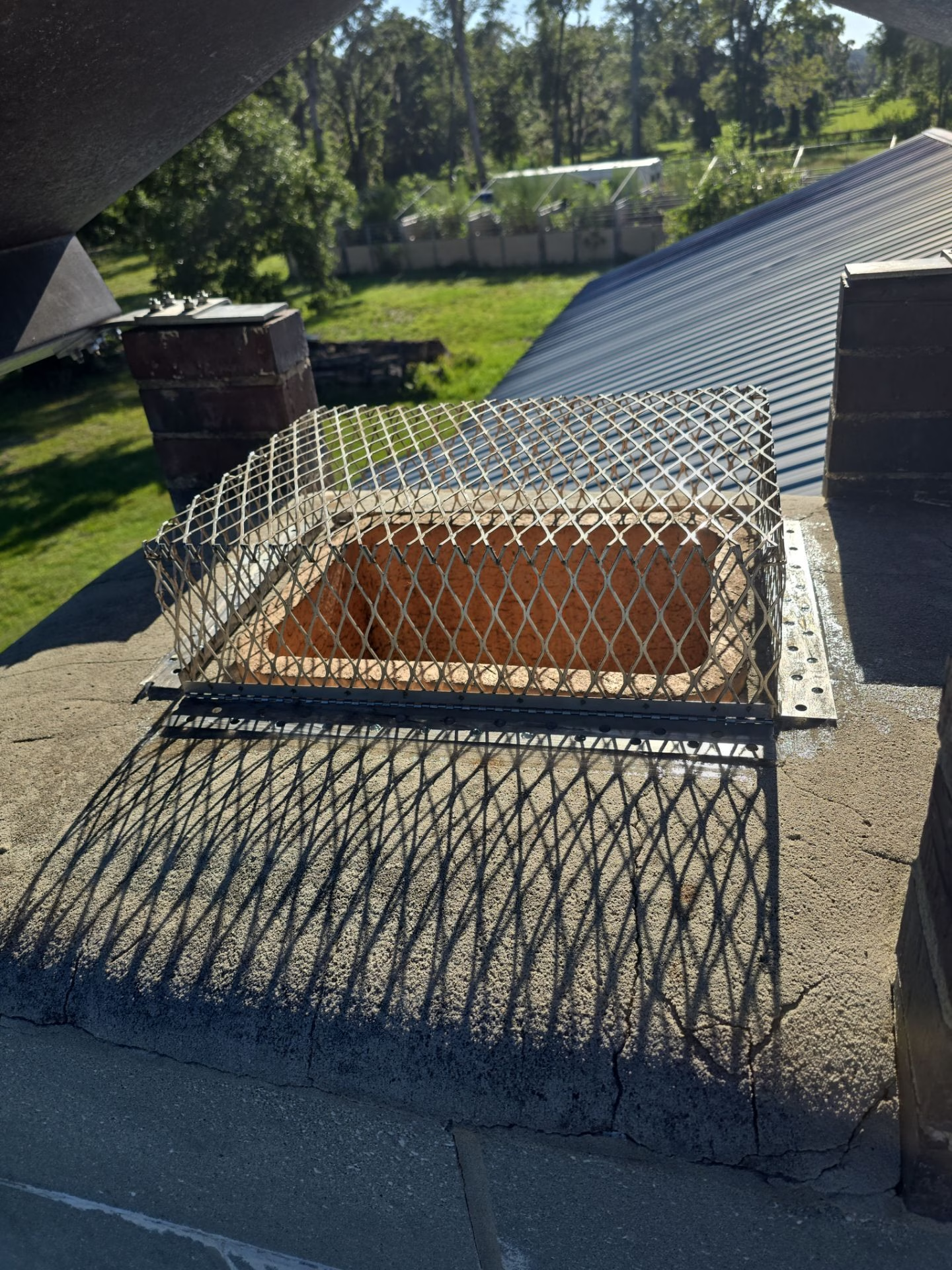
Chimney cleaning in Crystal River FL is the single most effective thing a homeowner can do to prevent a house fire caused by creosote buildup. Most people assume a chimney only needs attention when smoke starts backing up into the living room, but by that point the flue may already be dangerously blocked. A dirty chimney is one of the leading causes of residential fires each winter, and the fix is usually a simple, affordable service that most homes skip for years.
We’ve swept chimneys across Citrus and Marion counties for families who genuinely had no idea their fireplace hadn’t been cleaned since the house was built. It’s not neglect — it’s just not something most people think about until smoke smells linger or a damper sticks. This guide walks through what causes the buildup, how often you actually need service, and what a certified sweep does differently than a shop-vac and a YouTube video.
📌 Key Takeaways
- Creosote buildup thicker than 1/8 inch is a fire hazard, according to the Chimney Safety Institute of America.
- Homes in humid coastal areas like Crystal River and Homosassa often see faster soot and moisture buildup than drier inland regions.
- The NFPA recommends annual chimney inspection for all fireplaces, wood stoves, and vents, even if they’re barely used.
- A professional sweep also catches structural issues — cracked crowns, damaged liners, rusted dampers — that a homeowner can’t see from the floor.
- Certified technicians follow documented safety standards; ask for CSIA or NFI credentials before hiring anyone.
Jump to a Section
- Why Chimney Cleaning Matters More Than People Think
- Warning Signs Your Crystal River Home Needs Service
- What Happens During a Professional Chimney Cleaning
- How Often You Should Schedule Chimney Cleaning
- DIY vs. Professional Chimney Cleaning
- Choosing a Certified Chimney Sweep Near Crystal River
- Frequently Asked Questions
Why Chimney Cleaning Matters More Than People Think
Quick Answer: Creosote — a flammable byproduct of wood combustion — builds up inside every flue that burns wood, and it’s the primary cause of chimney fires. Regular cleaning removes it before it becomes a hazard.
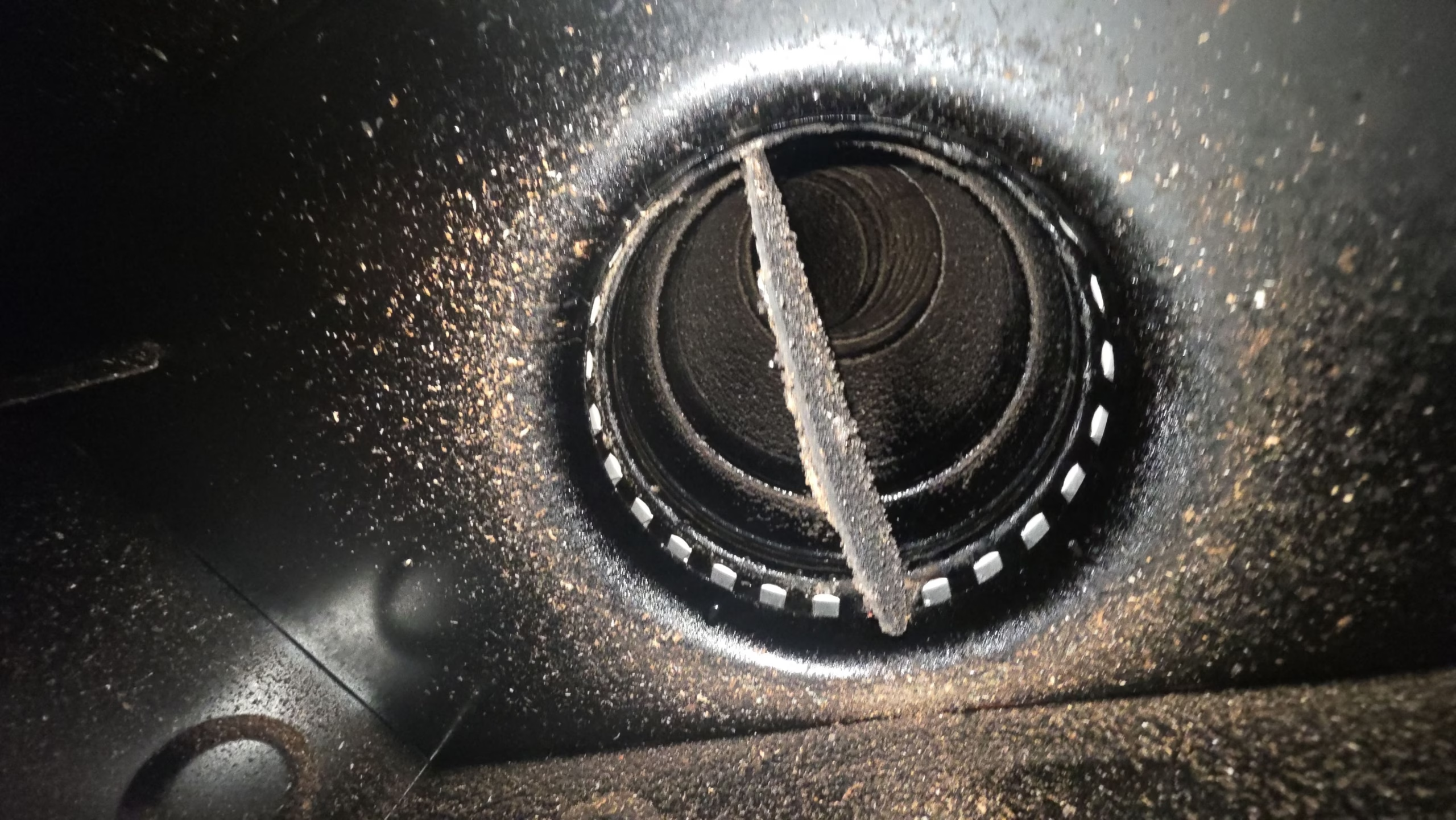
Creosote forms as smoke cools and condenses on the interior walls of a flue. It starts as a light, flaky soot but can harden into a glossy, tar-like coating over time. Once it thickens, it becomes highly combustible and difficult to remove without professional tools.
The Coastal Humidity Factor
Homes near Crystal River, Homosassa, and Floral City deal with higher humidity than inland Florida towns. That moisture mixes with soot and accelerates corrosion inside metal liners and dampers. We’ve opened up chimneys in these areas that looked fine from the outside but had significant internal rust after only a few burning seasons.
💡 Expert Insight: Even homes that only use their fireplace a handful of nights each winter can build up enough creosote to matter — usage frequency isn’t the only variable, chimney draft and wood quality play a role too.
Warning Signs Your Crystal River Home Needs Service
Quick Answer: Smoky odors, a smoke-filled room when lighting a fire, and visible soot flakes near the firebox are the three most common signs a flue needs attention.
A sour, campfire-like smell coming from the fireplace even when it’s not in use usually means creosote has absorbed moisture and started to off-gas. This is especially common in humid months around Crystal River and Dunnellon. If the smell lingers, it’s time to call a sweep rather than mask it with air freshener.
Physical Clues Inside the Firebox
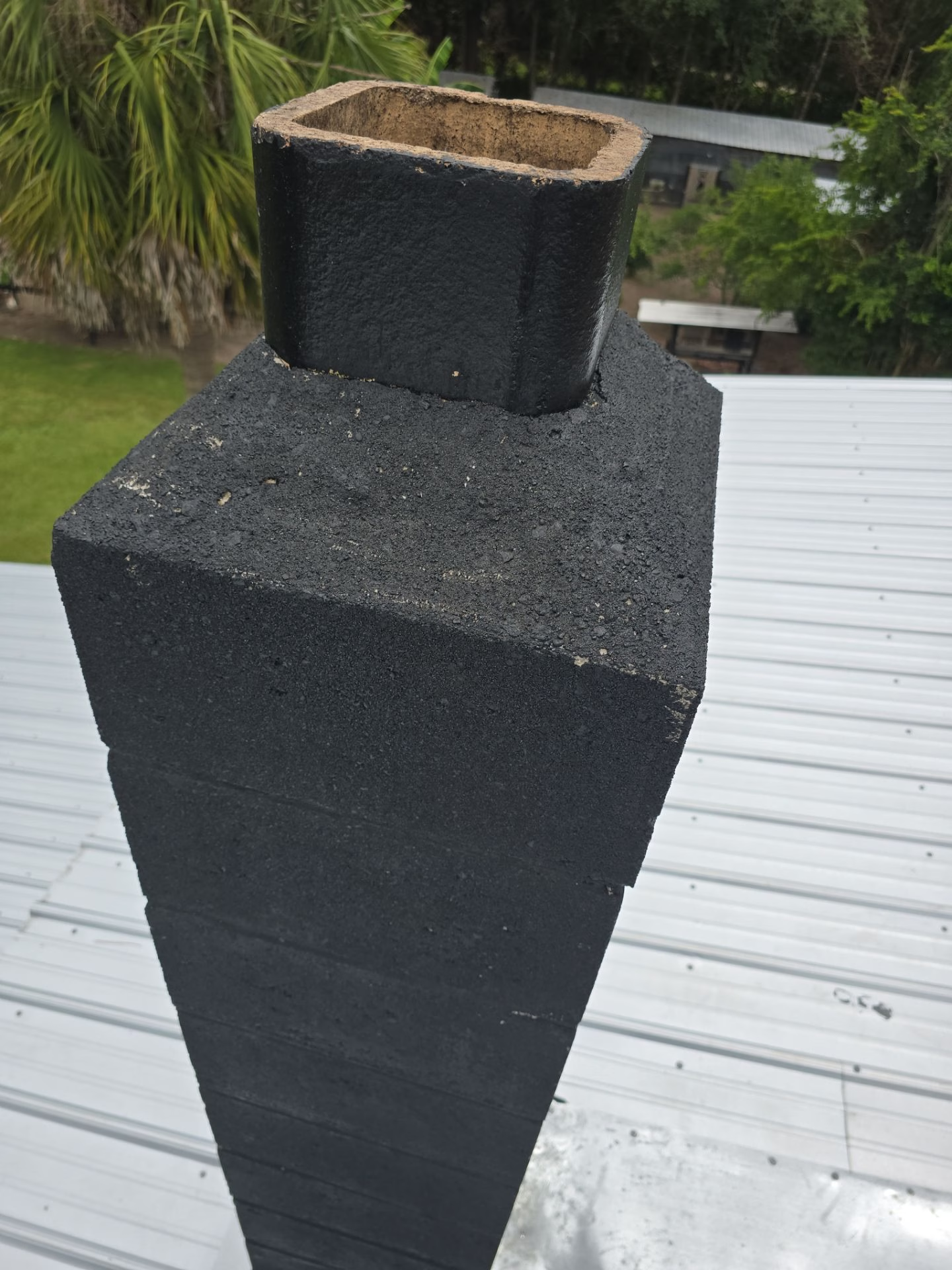
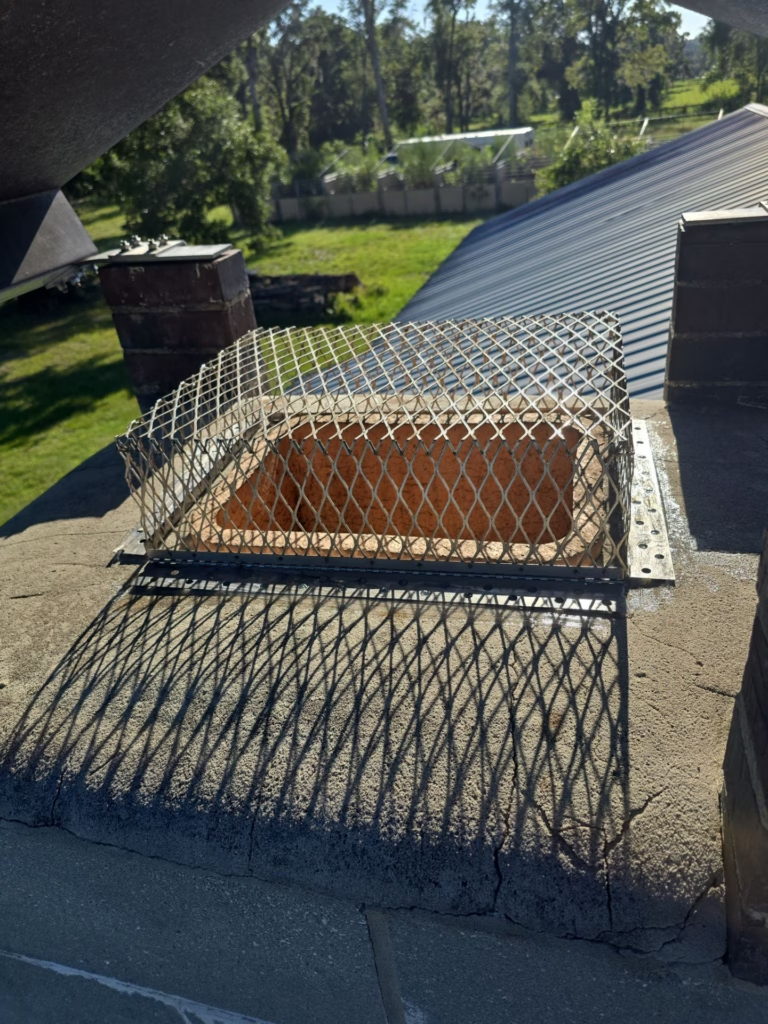
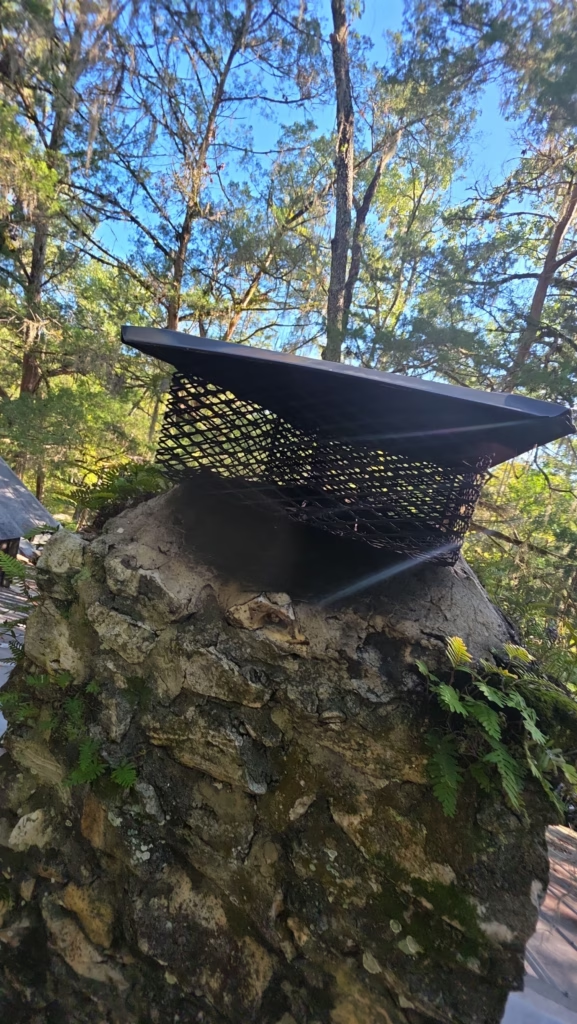
Look for black, flaky soot on the firebox floor or damper. Cracks in the crown, rust streaks on the metal cap, or a chimney cap covered in debris are all signs that inspection and cleaning are overdue. Birds and squirrels nesting in an uncapped flue are another common issue we see in rural properties around Inverness and Beverly Hills.
⚠️ Common Mistake: Waiting until a fire won’t draw properly before scheduling service. By then, the blockage is often severe enough to require more than a routine sweep.
What Happens During a Professional Chimney Cleaning
Quick Answer: A proper chimney cleaning Crystal River FL service includes a visual inspection, mechanical brushing of the flue, vacuum removal of debris, and a final safety check of the damper, crown, and cap.
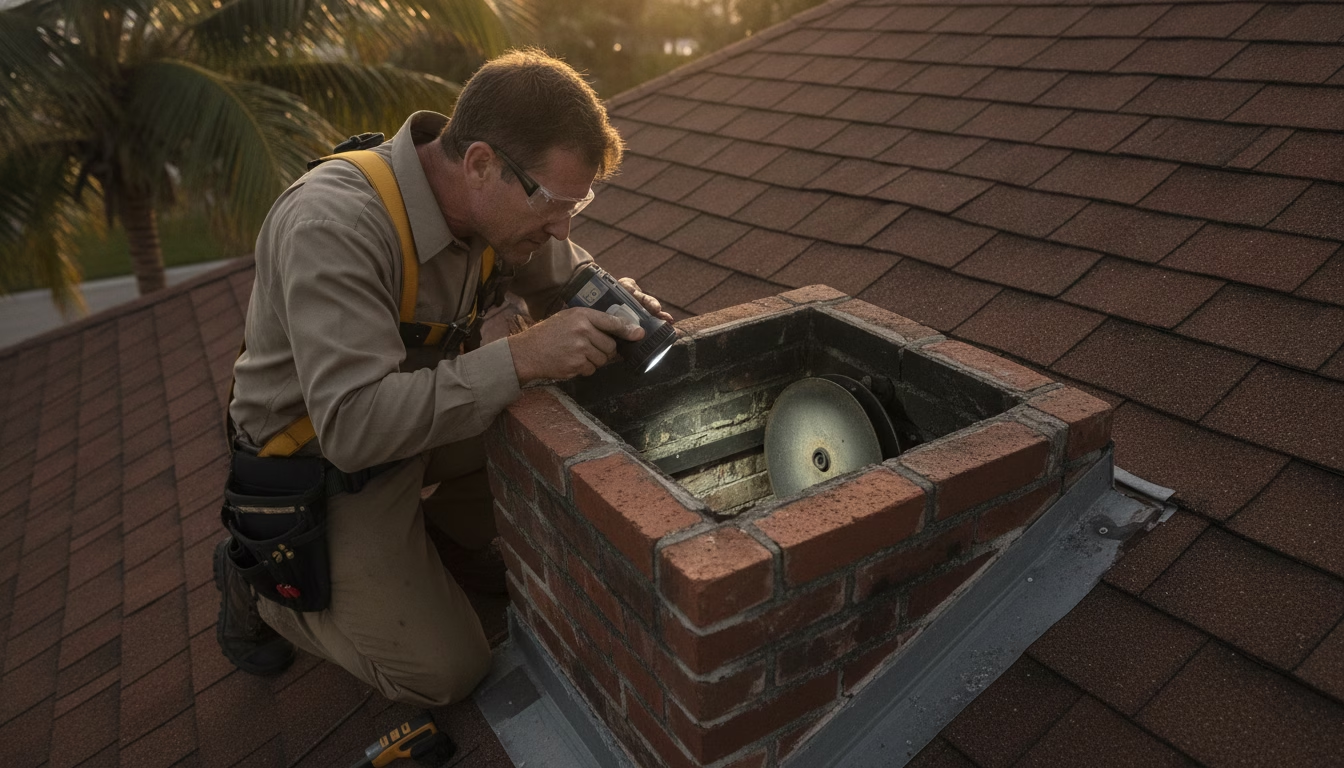
A certified technician starts by inspecting the firebox, damper, and flue with a camera or flashlight to assess creosote thickness and structural condition. This step matters — cleaning without inspecting can miss cracks or gaps that let heat escape into combustible framing.
The Actual Sweep
Next, rotary brushes or specialized rods clear soot and creosote from the flue walls. A HEPA-filtered vacuum captures the dust so it doesn’t spread into the living space. This is one area where DIY attempts often fall short — standard shop vacs aren’t built to filter fine soot particles.
Final Safety Review
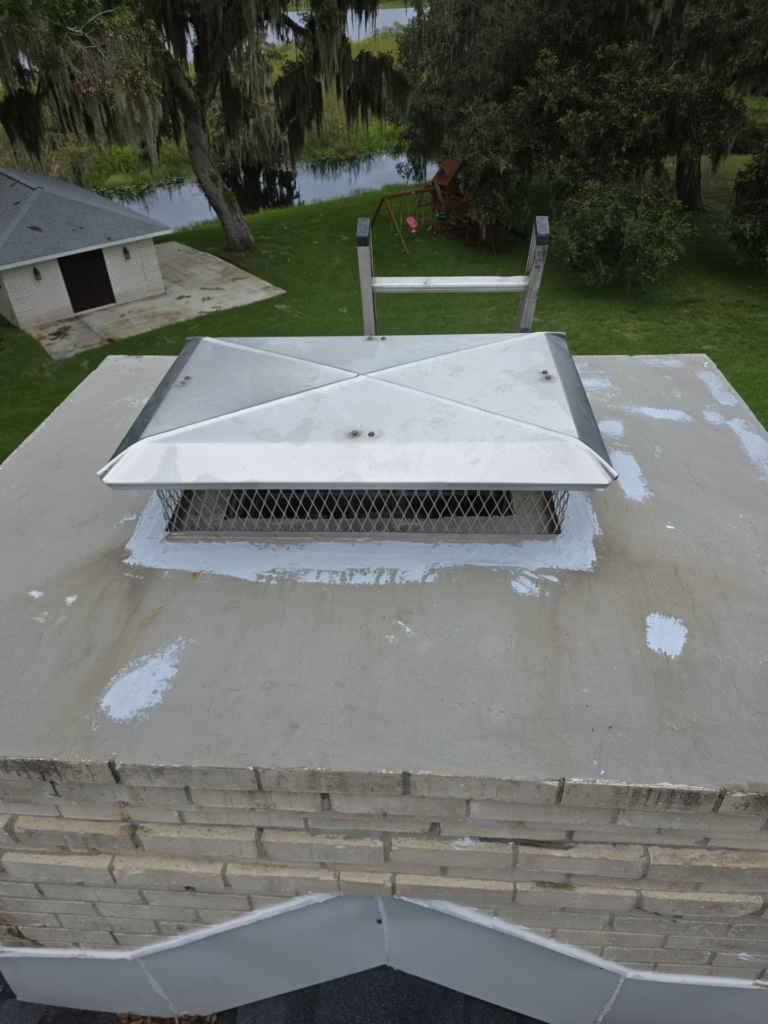
Before wrapping up, a good technician checks the damper for smooth operation, inspects the chimney cap for damage, and notes any masonry cracks that need masonry rebuild and repair. If a liner shows signs of wear, they’ll flag it for further evaluation rather than patch over the problem.
📊 Data Point: According to the EPA’s guidance on wood heater maintenance, properly maintained wood-burning appliances also burn more efficiently, reducing particulate emissions into the home and neighborhood air.
| Cleaning Method | Tools Used | Catches Structural Issues? | Recommended Frequency |
|---|---|---|---|
| DIY brush kit | Basic rods, household vacuum | No | Not a substitute for inspection |
| Professional chimney cleaning | Rotary brushes, HEPA vacuum, camera scope | Yes | Annually |
| Full inspection only | Camera scope, visual check | Yes | Annually, before burning season |
How Often You Should Schedule Chimney Cleaning
Quick Answer: Most homes need chimney cleaning once a year, ideally in early fall before the first cold nights of the season.
The NFPA 211 standard calls for annual inspection of all chimneys, fireplaces, and vents regardless of how often they’re used. Frequency of actual cleaning depends on usage — a family that burns wood several nights a week may need service twice a season.
Seasonal Timing for Central Florida
Because Florida winters are short, many homeowners around Crystal River wait until the week before a cold snap to think about their fireplace. Scheduling in September or October avoids the fall rush and gives time to address any repairs, like a damaged damper, before it’s actually needed.
✅ Quick Tip: Book chimney service at the same time each year — right after hurricane season wraps up is a natural, easy-to-remember trigger for central Florida homes.
DIY vs. Professional Chimney Cleaning
Quick Answer: DIY brushing can remove surface soot, but it can’t identify cracked crowns, liner damage, or animal nesting — issues only a trained technician will catch.
A homeowner with the right brush kit can knock loose soot from an easily accessible flue. What DIY tools can’t do is evaluate the structural integrity of the chimney system, which is where most fire risks actually originate.
Where DIY Falls Short
Without a camera inspection, hairline cracks in a chimney crown or gaps in a liner go unnoticed. Our team has found cracked chimney crowns on homes that looked perfectly clean from a homeowner’s brushing — the visible soot was gone, but the underlying damage was worse than expected.
| Factor | DIY Cleaning | Professional Cleaning |
|---|---|---|
| Removes surface soot | Yes | Yes |
| Identifies structural damage | No | Yes |
| Uses HEPA-filtered vacuum | Rarely | Yes |
| Backed by industry certification | No | Yes, when performed by a certified sweep |
Choosing a Certified Chimney Sweep Near Crystal River
Quick Answer: Look for technicians certified by the Chimney Safety Institute of America (CSIA) or the National Fireplace Institute (NFI), and confirm they carry a valid Florida contractor license.
Anyone can call themselves a chimney sweep, but certification means the technician has passed standardized training on fire science, masonry, and venting systems. It’s worth asking directly about credentials before scheduling anything.
What to Ask Before Booking
Ask whether the technician holds CSIA certification, whether they carry liability insurance, and whether they’ll provide a written inspection report. A trustworthy company won’t hesitate to answer, and they’ll explain findings in plain language rather than pushing unnecessary work.
Our team holds Florida Contractor License CRC1333200, along with CSIA credentials including Certified Chimney Sweep #10020 and Certified Chimney Specialist #59, plus Certified Master Chimney Technician #34. We serve homeowners throughout Crystal River, Homosassa, Dunnellon, Inverness, and surrounding Citrus County communities, and we also handle related work like chimney cap replacement and chimney relining when an inspection turns up bigger issues.
💡 Expert Insight: A sweep who tries to sell a full rebuild before even inspecting the flue is a red flag. Legitimate findings should be documented with photos or camera footage, not just a verbal estimate.
Frequently Asked Questions
How much creosote buildup is dangerous in a chimney?
The Chimney Safety Institute of America notes that creosote thicker than 1/8 inch is considered a fire hazard and should be removed promptly. Even thinner layers can ignite under the right conditions, so annual removal is the safest approach.
How do I know if I need chimney cleaning in Crystal River FL?
Common signs include a smoky smell from the fireplace, poor draft when lighting a fire, and visible soot flakes on the firebox floor. If it’s been more than a year since the last inspection, scheduling chimney cleaning in Crystal River FL is a reasonable next step regardless of symptoms.
Can I clean my chimney myself?
You can remove some surface soot with a DIY brush kit, but you won’t be able to inspect for cracks, liner damage, or hidden blockages. A professional sweep combines cleaning with a structural safety check that DIY tools can’t replicate.
How long does a chimney cleaning appointment take?
Most residential chimney cleanings take between 45 minutes and 90 minutes, depending on how much buildup has accumulated and whether the technician needs to access the roof. Homes with animal nesting or heavy creosote may take longer.
Does a gas fireplace need chimney cleaning too?
Gas fireplaces produce far less soot than wood-burning units, but the venting system still needs periodic inspection for blockages, corrosion, or nesting animals. It’s still worth an annual check, especially if you’re also considering gas fireplace installation or upgrades.
What happens if I skip chimney cleaning for several years?
Skipping cleaning allows creosote to harden and thicken, increasing fire risk and reducing draft efficiency. It also raises the odds of discovering costly structural damage later, since problems like cracked crowns tend to worsen unnoticed over time.
Is chimney cleaning necessary in Florida if I rarely use my fireplace?
Yes — even infrequent use allows moisture, debris, and animal activity to affect the flue over time. Humidity in areas like Crystal River and Homosassa can also accelerate rust and mold growth inside an unused chimney system.
Final Thoughts
Chimney cleaning in Crystal River FL isn’t just a seasonal chore — it’s a practical safeguard against fire risk, poor air quality, and hidden structural damage. Annual service catches small problems, like a cracked crown or worn damper, before they turn into expensive repairs. Waiting for warning signs like smoke smell or poor draft often means the issue has already progressed further than it should have.
Here’s how to get started:
- Check when your chimney was last cleaned or inspected.
- Look for warning signs — soot smell, poor draft, visible cracks.
- Schedule a certified inspection before the next cold snap.
- Address any flagged repairs, like caps, crowns, or liners, promptly.
Always Fire and Gas is licensed under Florida Contractor License CRC1333200 and staffed by CSIA-certified chimney technicians serving Crystal River, Homosassa, Dunnellon, Inverness, and the surrounding Citrus County area. Contact our team today to schedule your chimney inspection and cleaning before winter arrives.