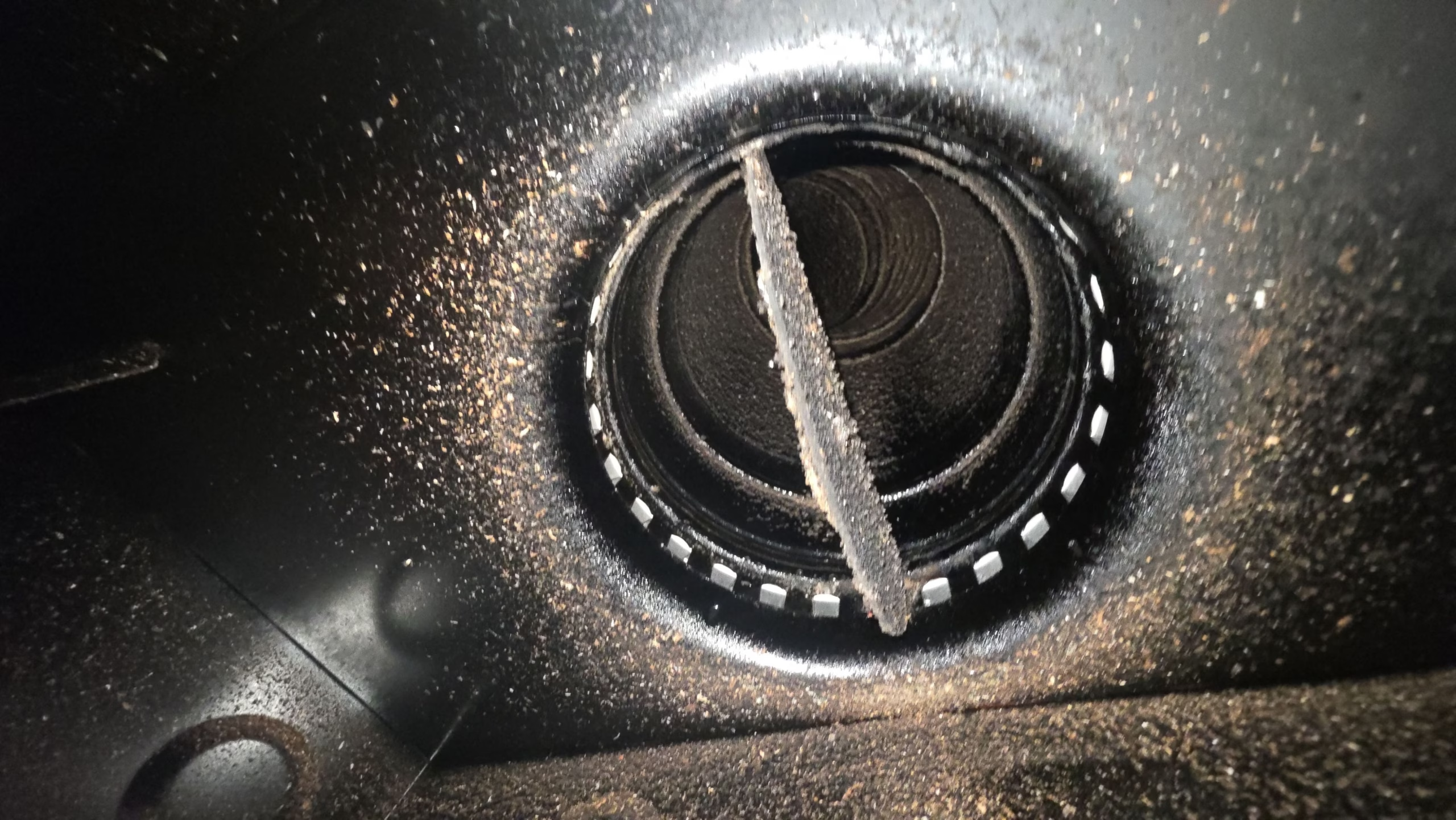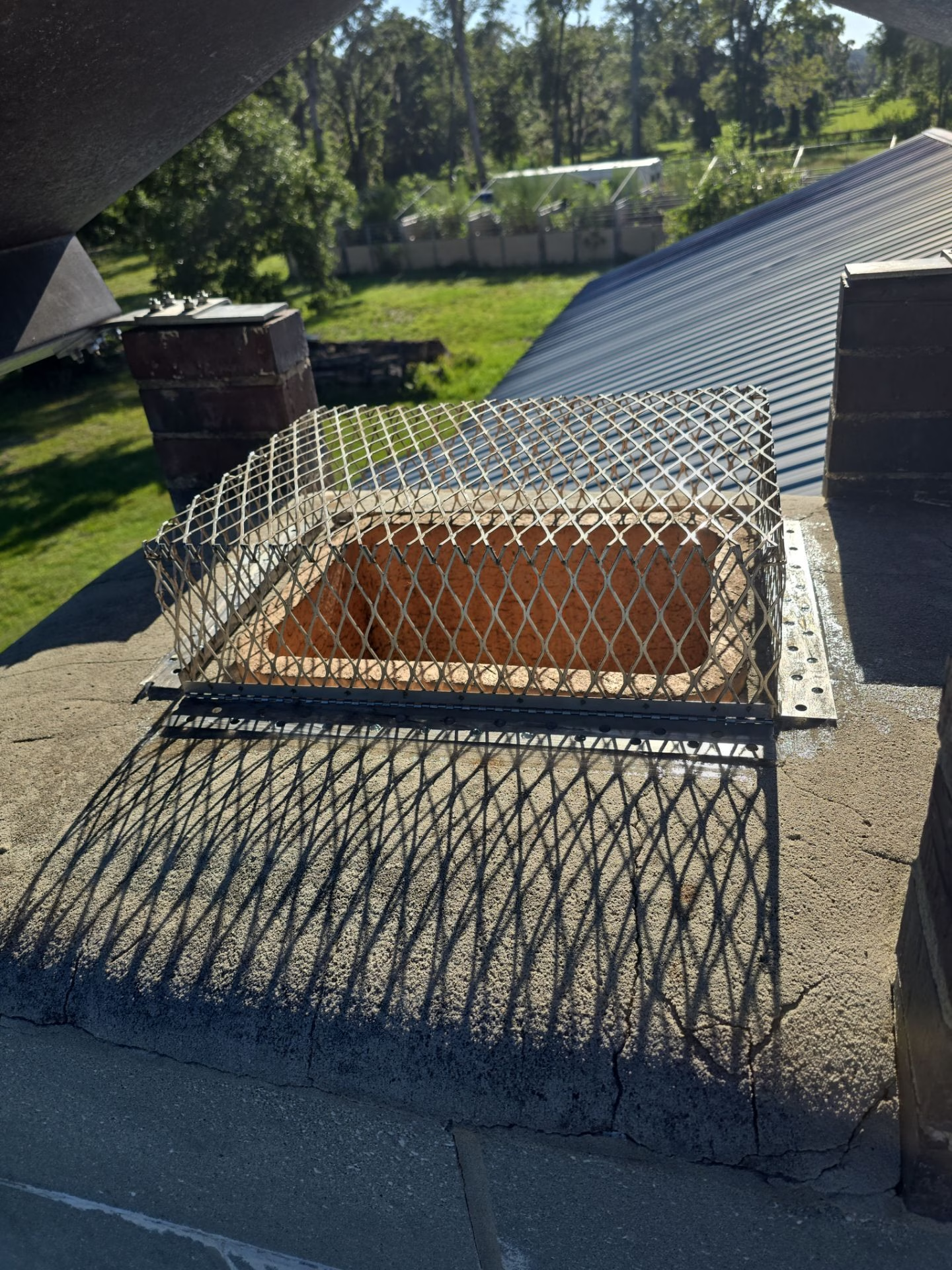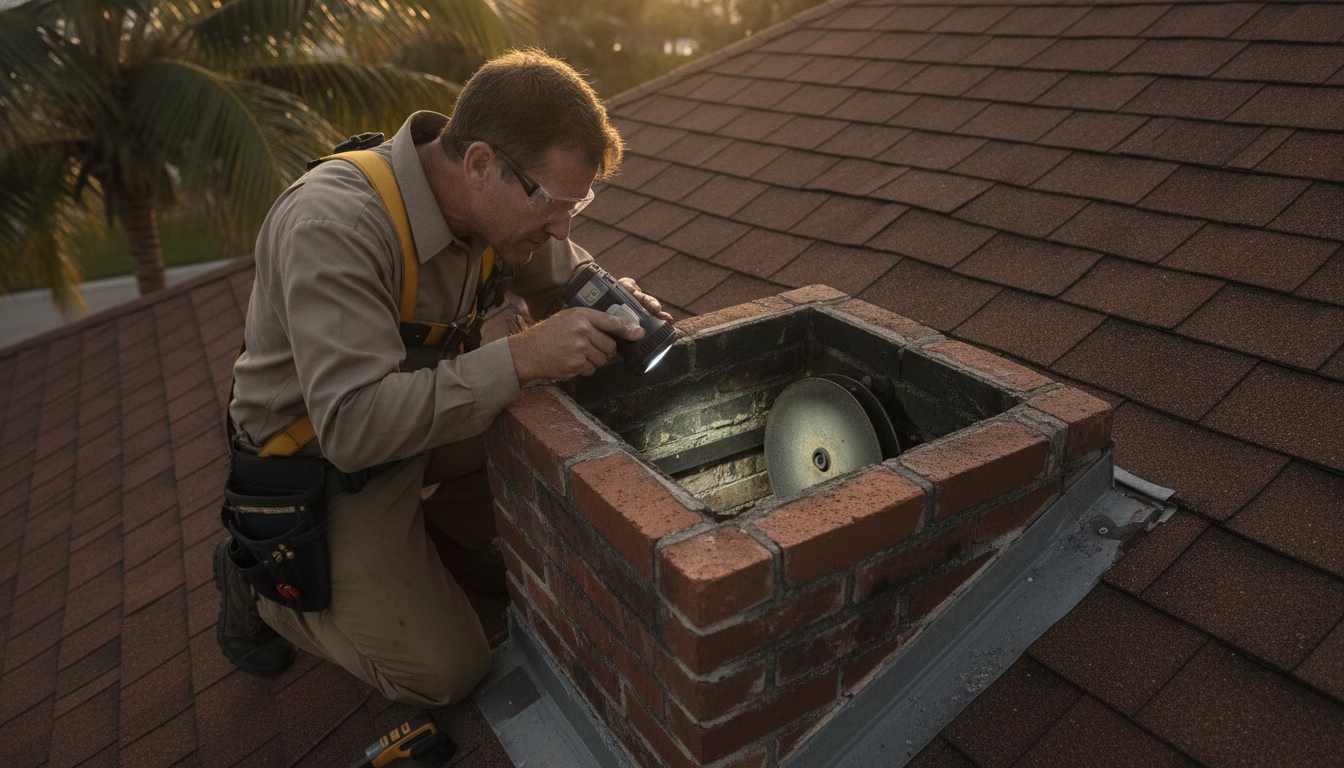
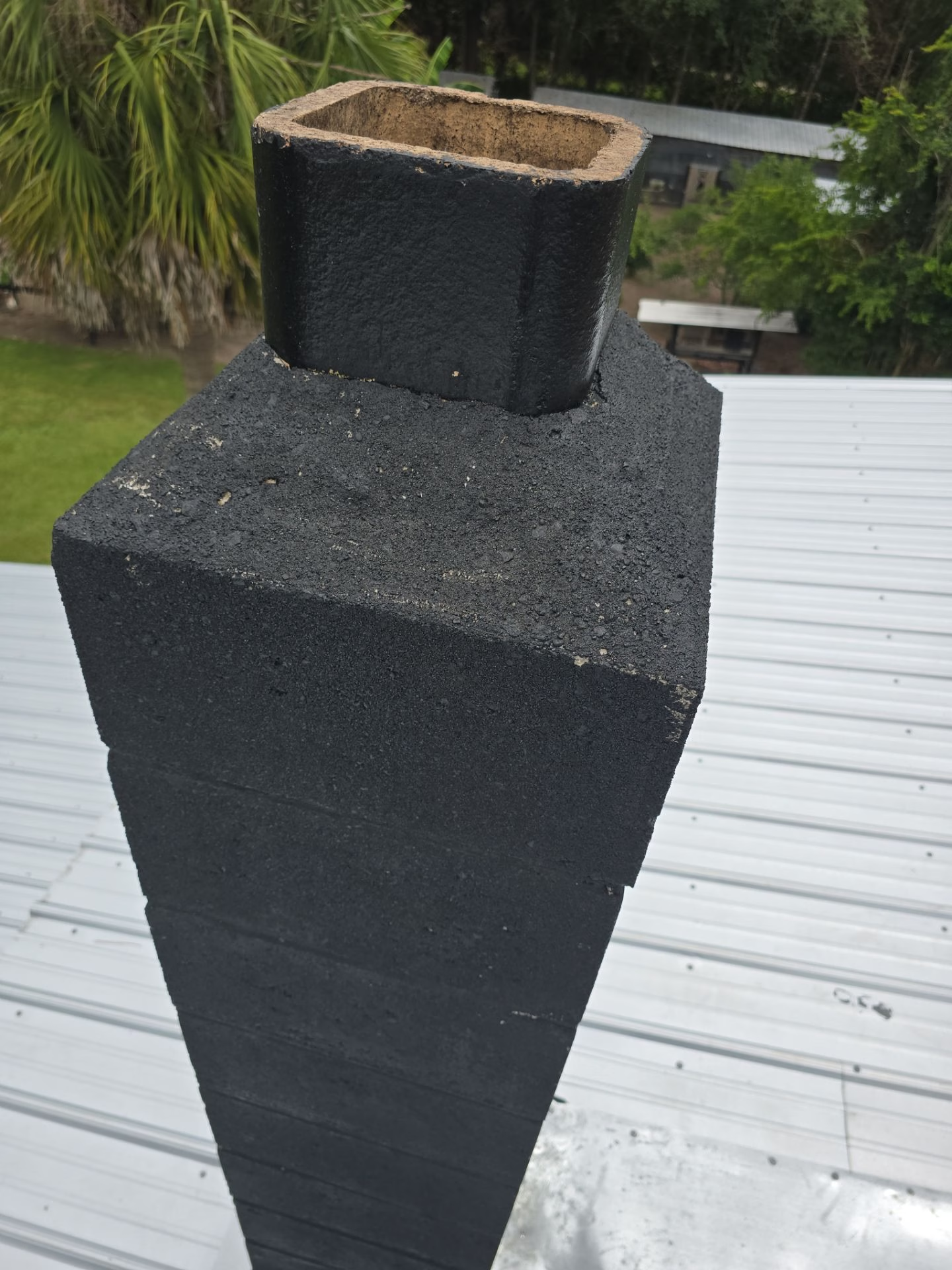
Chimney relining in Crystal River FL is the process of installing a new protective liner inside your chimney flue to correct cracked tiles, gaps, or an undersized flue that no longer matches your fireplace or insert. Without it, heat and gases can escape into the surrounding masonry, creating a fire risk and a path for carbon monoxide into your living space. Many Citrus County homes built decades ago still run on original clay tile liners that have quietly failed with age.
A proper reline restores a sealed, correctly sized pathway from your firebox to the outside air. It’s not a cosmetic repair — it’s the difference between a chimney that vents safely and one that’s silently damaging your home.
📌 Key Takeaways
- Cracked or missing flue tiles are the #1 reason Crystal River homeowners need chimney relining.
- Stainless steel liners are the modern standard for wood, gas, and oil-burning systems alike.
- An annual inspection catches liner failure before it becomes a costly masonry rebuild.
- Relining is required any time you switch appliance types, per code guidance referenced by the National Fire Protection Association.
- Always confirm your technician holds current chimney certifications before hiring.
Jump to a section:
- Why Chimney Liners Fail in Florida’s Climate
- Signs You Need Chimney Relining
- Liner Types Compared
- What the Relining Process Looks Like
- Choosing a Qualified Chimney Reliner
- Frequently Asked Questions
Why Chimney Liners Fail in Florida’s Climate
Quick Answer: Humidity, heavy rain, and seasonal temperature swings all accelerate liner deterioration around Crystal River. Combined with age, these factors crack clay tiles and corrode metal over time.
Central Florida’s chimneys don’t face freeze-thaw cycles the way northern homes do, but they face something just as damaging: near-constant moisture. Rain intrusion through a deteriorated chimney crown, paired with humid gulf-coast air, softens mortar joints and works its way into hairline cracks in flue tiles.
Creosote and Condensation Damage
Creosote — the tar-like byproduct of wood combustion — is corrosive and combustible. When it mixes with condensation inside an undersized or damaged flue, it eats away at tile joints faster than a dry-climate chimney would experience. I’ve inspected Homosassa-area chimneys where a single season of heavy use accelerated tile cracking that otherwise might’ve taken years.
Older Homes, Original Liners
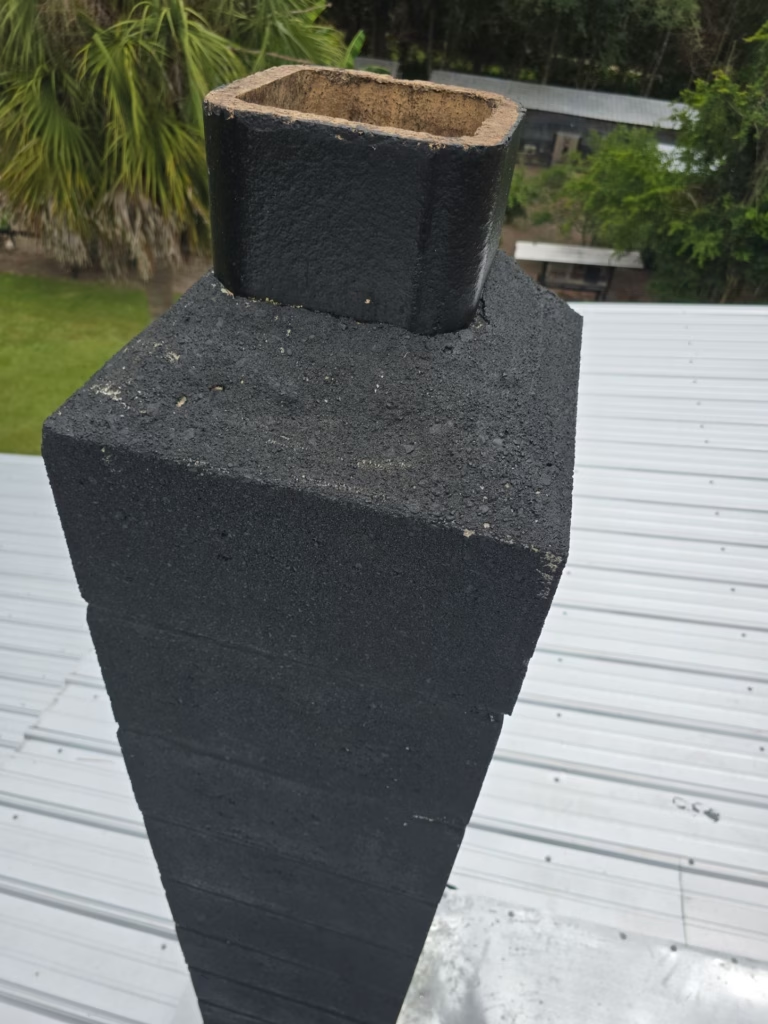
Many homes in Inverness, Floral City, and Beverly Hills still carry their original clay tile liners from construction. Clay tile was standard for decades, but it’s brittle and was never designed to last the life of the home. According to the Chimney Safety Institute of America, deteriorated liners are among the top causes of chimney-related house fires nationwide.
⚠️ Common Mistake: Assuming a chimney is safe simply because it’s never had a fire. Liner damage is often invisible from ground level and only shows up during a camera inspection.
Signs You Need Chimney Relining
Quick Answer: Watch for smoke backing up into the room, white staining on brick, visible tile fragments in the firebox, or a musty odor. Any of these point to liner failure and warrant a prompt inspection.
Homeowners often notice problems only after smoke starts drifting into the living room instead of up the flue. That backdraft is frequently a sign the liner has separated or collapsed, disrupting the draft your fireplace depends on.
Visual and Odor Clues
White, flaky residue on exterior brick — called efflorescence — signals water intrusion, which often accompanies liner cracking. A persistent musty or acrid smell, especially in humid weather, usually means moisture is trapped against damaged masonry.
Performance Problems
If your damper is hard to operate, or you notice soot collecting faster than usual, the liner may no longer be containing heat and byproducts properly. These issues often overlap with damper repair needs, so a full inspection is worth requesting rather than patching one symptom at a time.
| Symptom | Likely Cause | Recommended Action |
|---|---|---|
| Smoke entering the room | Liner gap disrupting draft | Schedule a video inspection |
| Tile fragments in firebox | Cracked clay liner | Discuss relining options |
| White staining on brick | Moisture intrusion | Check crown and liner together |
| Musty odor | Trapped humidity in flue | Inspect liner seal integrity |
| Rusty firebox damper | Metal liner corrosion | Evaluate stainless steel reline |
💡 Expert Insight: A camera inspection takes under an hour but tells you more about your chimney’s condition than 20 years of visual checks ever could.
Liner Types Compared
Quick Answer: Stainless steel liners are the most common modern solution because they suit wood, gas, and oil appliances and hold up well in Florida’s humid conditions. Cast-in-place and clay tile relines remain options for specific masonry situations.
Not every chimney needs the same fix. The right liner depends on your appliance type, flue size, and the condition of the existing masonry.
Stainless Steel Liners
These flexible or rigid liners are corrosion-resistant and typically carry manufacturer warranties. They’re a strong fit for wood-burning fireplaces being converted to gas, or for any flue that’s been resized for a new insert.
Cast-in-Place Liners
This method pours a lightweight, insulating material directly into the existing flue, reinforcing crumbling masonry from the inside. It’s often chosen when the chimney structure itself needs added stability, not just a new surface.
| Liner Type | Best For | Lifespan Expectation |
|---|---|---|
| Stainless steel | Wood, gas, oil appliances | Long-term with proper maintenance |
| Cast-in-place | Structurally weak masonry | Long-term, reinforces chimney |
| Clay tile replacement | Traditional masonry restorations | Shorter than steel or cast-in-place |
📊 Data Point: The U.S. Environmental Protection Agency notes that properly maintained wood-burning systems, including sound liners, burn more efficiently and produce fewer emissions.
What the Relining Process Looks Like
Quick Answer: A professional reline starts with a video inspection, followed by liner selection, insulation wrapping if needed, and a final draft test. Most jobs are completed in a single day.
Here’s the general sequence I walk homeowners through, whether the home is in Crystal River, Dunnellon, or out toward Inverness.
- Video camera inspection to document the flue’s interior condition and confirm the diagnosis.
- Measurement and sizing to match the new liner to your specific appliance and flue dimensions.
- Removal of damaged material, including loose tile fragments or old, corroded metal sections.
- Liner installation, often with insulation wrap for improved draft and reduced exterior heat transfer.
- Final inspection and draft test to confirm smoke and gases vent correctly before you use the fireplace again.
Why the Crown and Cap Matter Too
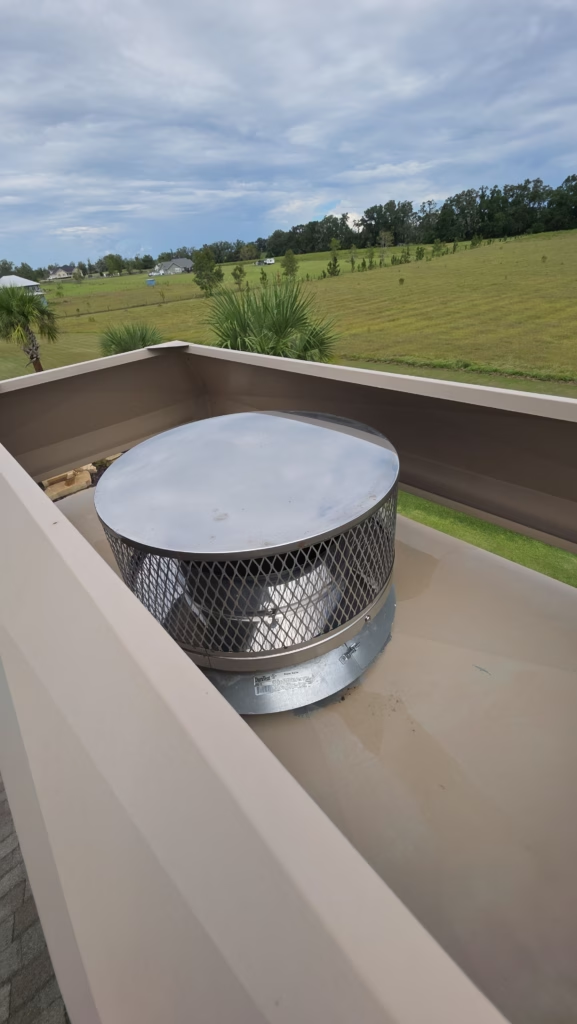
A new liner won’t perform well if water keeps entering through a damaged chimney crown or a missing cap. Pairing a reline with a properly fitted chimney cap protects your investment from day one.
✅ Quick Tip: Ask whether your relining quote includes a post-install draft test. Skipping this step leaves a hidden variable in an otherwise thorough repair.
Choosing a Qualified Chimney Reliner
Quick Answer: Look for verifiable chimney-specific certifications, not just a general contractor license. Relining is specialized masonry and venting work that rewards real, documented experience.
Florida requires a contractor license for this type of home improvement work, but chimney systems have their own body of standards beyond general construction.
Certifications Worth Asking About
Our team holds Florida Contractor License #CRC1333200, along with chimney-specific credentials including Certified Master Chimney Technician #34 and Certified Chimney Reliner #94. These aren’t decorative titles — they reflect ongoing testing on flue systems, draft dynamics, and code compliance.
Serving Homeowners Across Citrus County and Beyond
We regularly perform chimney relining for homeowners in Crystal River, Dunnellon, Inverness, Homosassa, and Beverly Hills, along with masonry repair and inspection work in Floral City. If your chimney also shows signs of moisture damage, our guide on chimney leak and mold-related repair covers the related warning signs.
⚠️ Common Mistake: Hiring based on price alone without confirming the technician has relined a flue before, not just cleaned one. Sweeping and relining require different skill sets entirely.
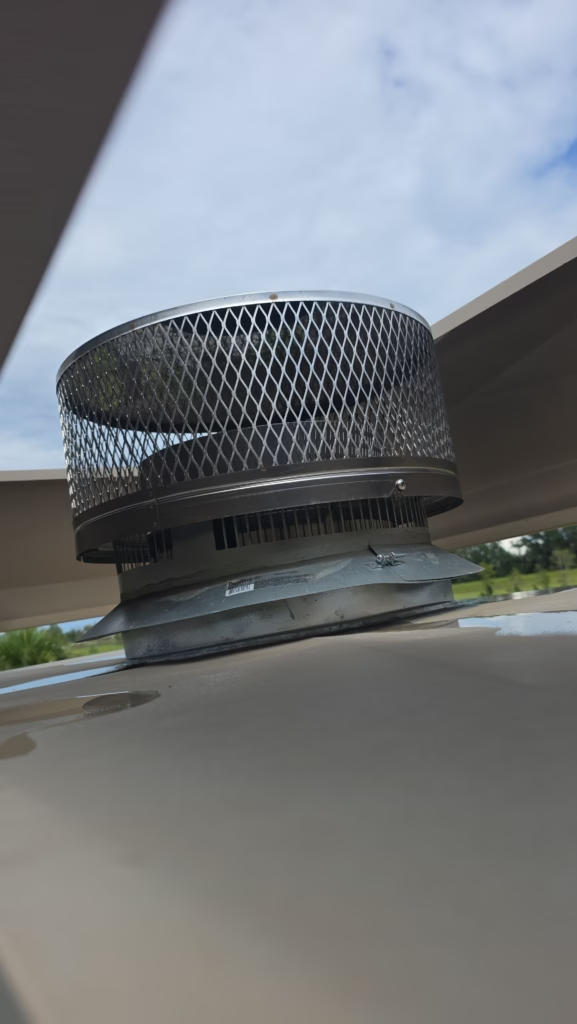
For chimneys with structural cracking beyond the liner itself, masonry rebuilds and repair may be part of a complete solution. And if the existing flue is undersized or non-repairable, our chimney relining page outlines the full scope of what a reline project involves.
Frequently Asked Questions
How much does chimney relining cost in Crystal River FL?
Costs vary based on flue length, liner material, and whether insulation wrap or crown repair is included. The best way to get an accurate figure is a video inspection followed by a written, itemized estimate.
How long does a chimney relining job take?
Most residential relines are completed in a single day once the inspection has confirmed the scope of work. Jobs involving significant masonry rebuild alongside the reline may take longer.
Can I use my fireplace while waiting for relining?
If an inspection has flagged a damaged liner, it’s safest to avoid using the fireplace until repairs are complete. A compromised liner can allow heat or carbon monoxide to escape into the home’s structure.
Do gas fireplaces need chimney relining too?
Yes — gas appliances often require a differently sized or lined flue than wood-burning setups. Converting appliance types without adjusting the liner is a common code and safety issue.
What’s the difference between a chimney sweep and chimney relining?
A sweep removes soot and creosote buildup from an otherwise sound flue. Relining replaces or repairs the flue’s actual structure when tiles are cracked, missing, or improperly sized.
How often should a chimney liner be inspected?
An annual inspection is the standard recommendation, especially before heavy seasonal use. Homes near Crystal River’s humid coastal air benefit from consistent yearly checks to catch moisture-related damage early.
Is chimney relining required by code in Florida?
When a liner is missing, damaged, or mismatched to the appliance, most jurisdictions require correction before continued use. A licensed chimney professional can confirm what applies to your specific situation.
Final Thoughts
Chimney relining in Crystal River FL isn’t a luxury upgrade — it’s a safety correction for a system that’s supposed to protect your home from fire and toxic gas. Between humidity, aging clay tile, and appliance changes over the years, liner failure is more common in this region than most homeowners realize. Catching it early, through a simple video inspection, is far less disruptive than discovering it after damage spreads.
Next steps:
- Schedule a video camera inspection of your chimney flue.
- Ask for documented findings, not just a verbal opinion.
- Request a written estimate covering liner type, crown, and cap together.
- Confirm your technician’s chimney-specific certifications before booking.
Always Fire and Gas is Florida licensed (Contractor License #CRC1333200) and staffed by CSIA and NCSG-certified chimney technicians serving Crystal River and surrounding Citrus County communities. Contact our team today to schedule your chimney inspection and get a clear, honest plan for your flue.