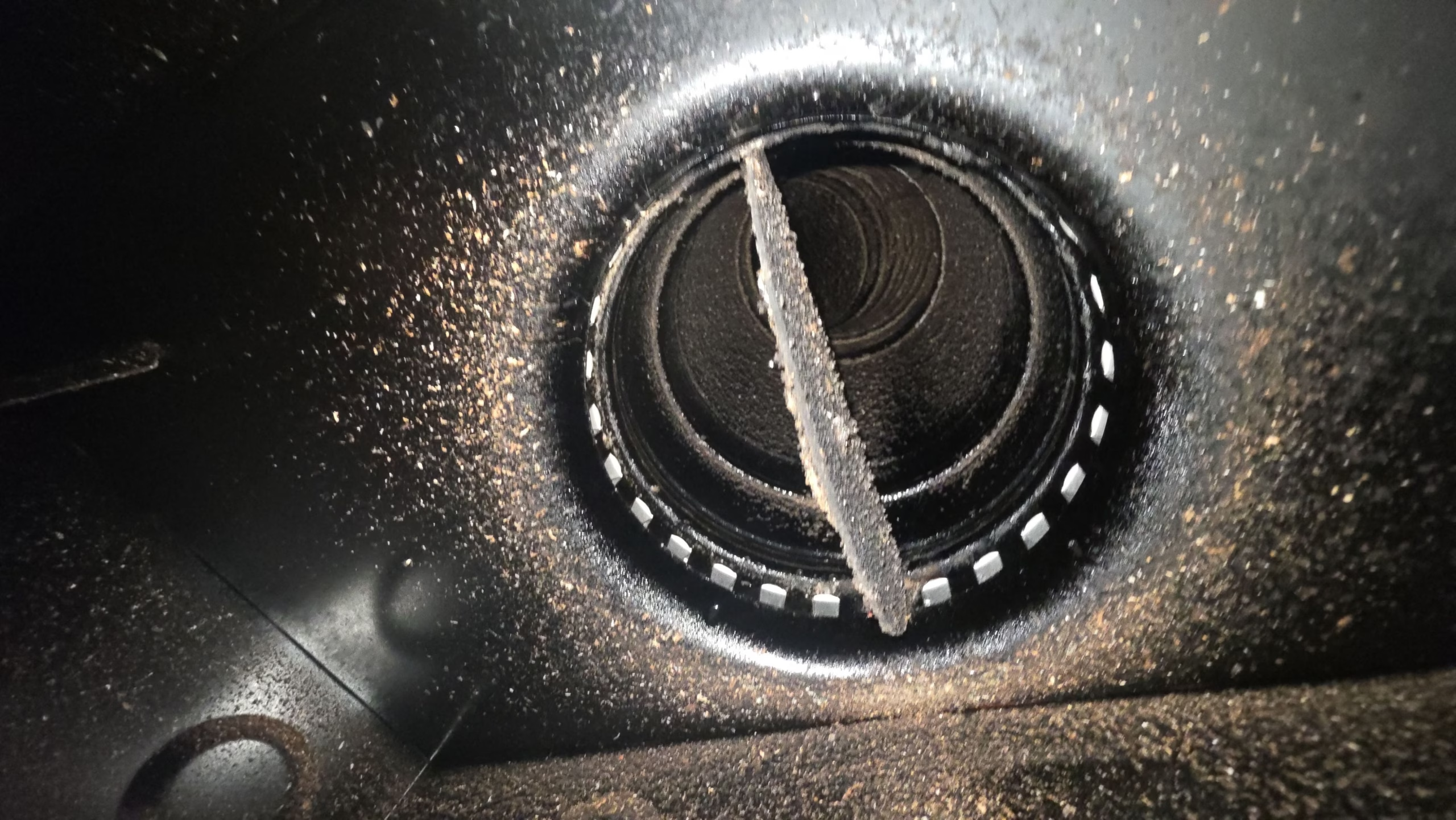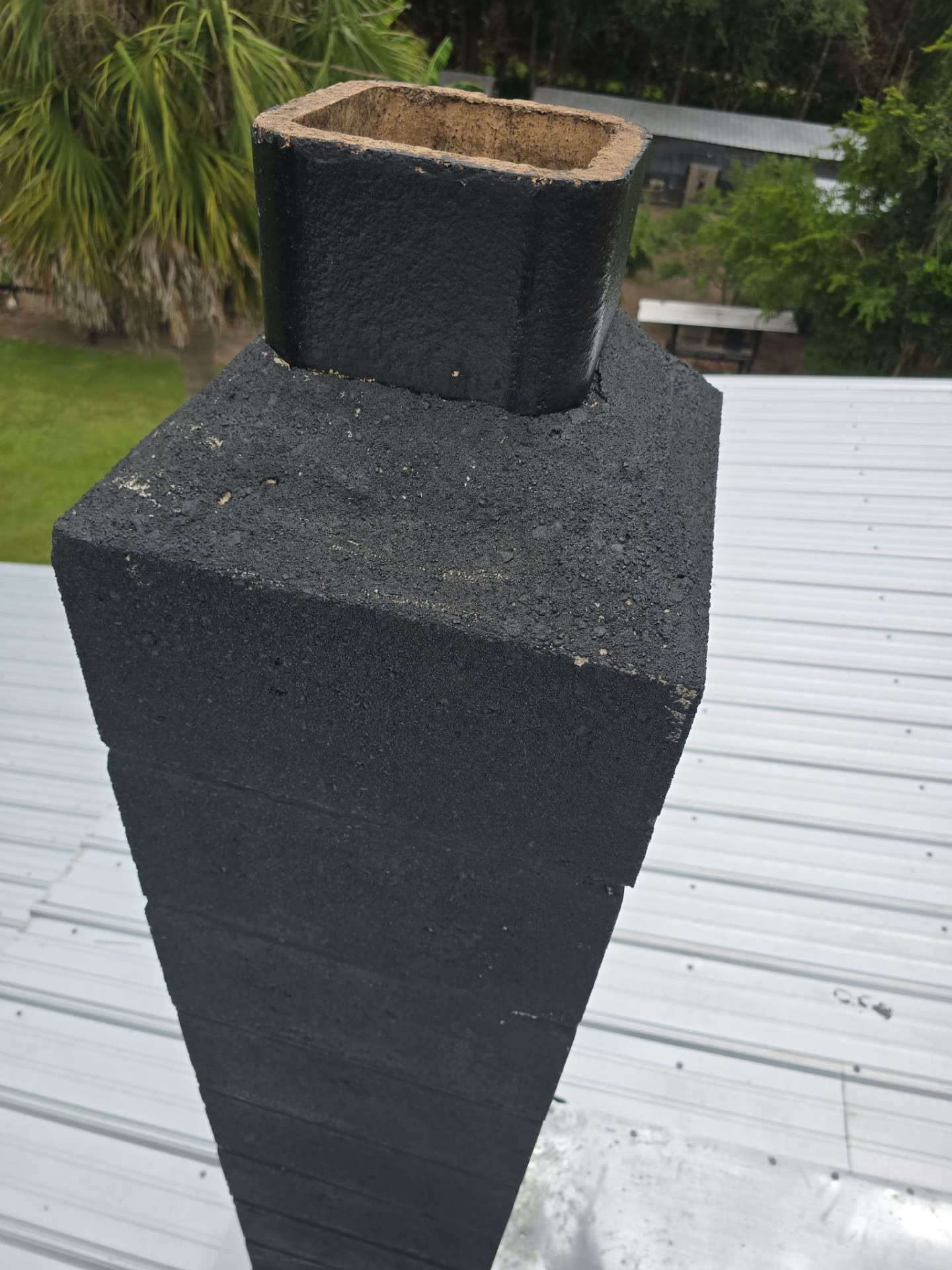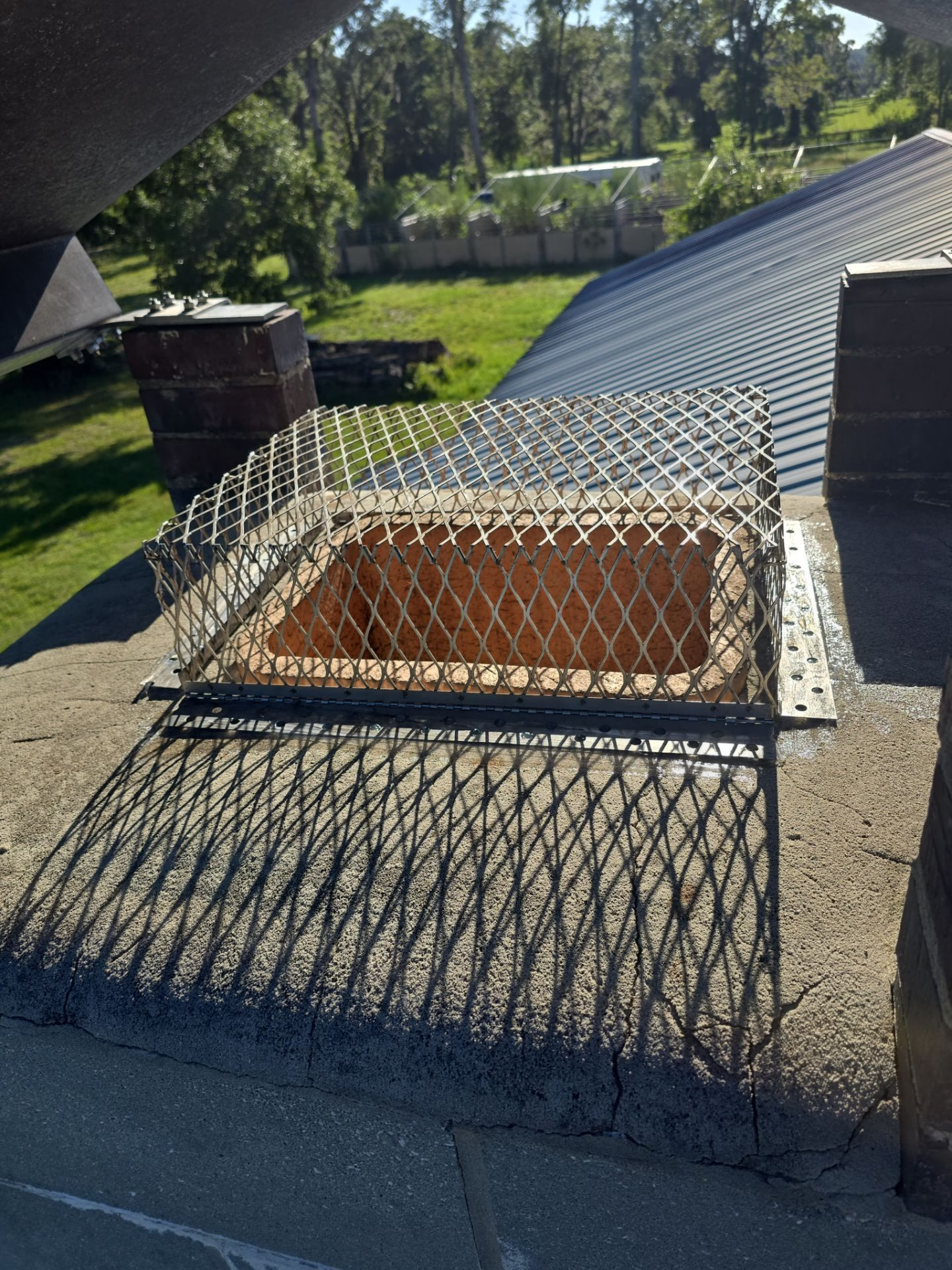
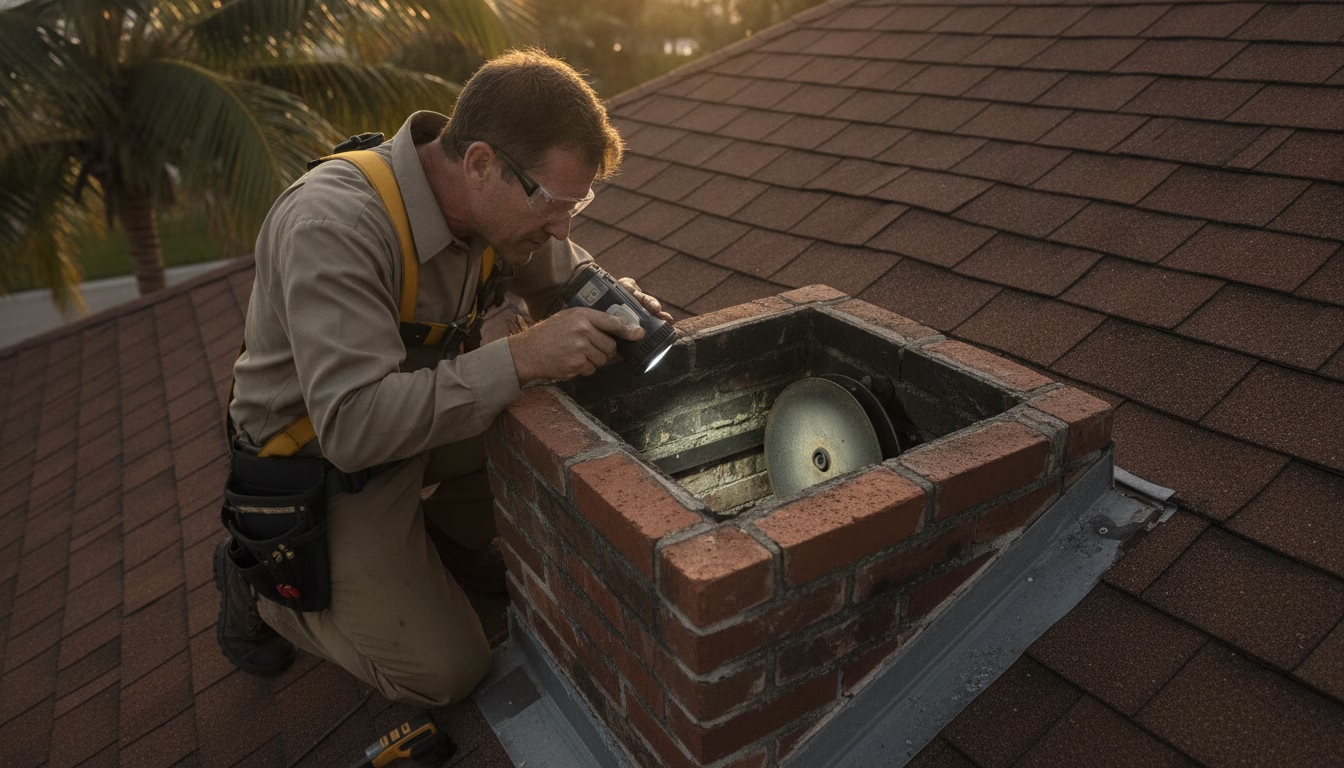
Chimney relining in St. Pete Beach FL is the process of installing a new, code-compliant liner inside a masonry flue that has cracked, deteriorated, or was never properly lined to begin with. A damaged flue lets heat, sparks, and carbon monoxide reach combustible framing and living spaces, which is why relining is treated as a safety repair, not a cosmetic upgrade. If your chimney is more than 20 years old or has never had a formal liner inspection, it’s worth having a certified technician take a look before your next fire.
Salt air, humidity, and heavy seasonal rain along the Gulf Coast accelerate mortar breakdown inside older flues faster than in drier inland climates. Homeowners near the beach often assume a chimney that "still draws smoke" is automatically safe, but a cracked tile liner can pass smoke perfectly fine while still leaking dangerous gases into the wall cavity. That gap between "it works" and "it’s safe" is exactly what a professional relining inspection is designed to close.
📌 Key Takeaways
- A damaged or missing flue liner is a fire and carbon monoxide hazard, not just a performance issue.
- Stainless steel, cast-in-place, and clay tile are the three main relining methods used in Florida homes.
- Coastal humidity and salt exposure speed up masonry and liner deterioration near St. Pete Beach.
- Annual inspections by a CSIA-certified sweep catch cracks before they become costly rebuilds.
- Never burn wood or run a gas appliance through a chimney with a known liner failure.
Jump to a section:
- Why Chimney Liners Fail in Coastal Florida
- Signs You Need Chimney Relining
- Relining Methods Compared
- What the Relining Process Involves
- Chimney Relining FAQ
Why Chimney Liners Fail in Coastal Florida
Quick Answer: Salt air, high humidity, and freeze-thaw-style expansion from heat cycling cause clay tile liners to crack and mortar joints to erode faster near the water than inland. This makes chimney relining in coastal Pinellas County homes a more frequent need than many owners expect.
Clay tile liners were standard in mid-century construction and can last decades under ideal conditions. Near St. Pete Beach, though, salt-laden moisture works its way into mortar joints and speeds up spalling, which is the flaking or crumbling of masonry surfaces. Once a tile cracks, condensation and acidic creosote — the tar-like byproduct of incomplete combustion — seep into the surrounding brick.
Heat Cycling and Rapid Temperature Swings
Every time a fireplace or furnace heats up and cools down, the flue expands and contracts. Repeated cycling stresses old mortar joints, especially in chimneys that already have hairline cracks. Over years, this creates gaps large enough for embers or gas to escape into the chase.
⚠️ Common Mistake: Assuming a chimney is fine because smoke exits normally. Smoke can travel through gaps in a cracked liner just as easily as up the flue, carrying carbon monoxide into your attic or walls.
Signs You Need Chimney Relining
Quick Answer: Visible cracks in tile, chunks of debris in the firebox, white staining on exterior brick, and a smoky smell indoors are the most common warning signs. Any one of these warrants a professional inspection before the chimney is used again.
Homeowners often notice symptoms long before they connect them to the flue itself. According to the Chimney Safety Institute of America, a damaged liner is one of the leading contributors to residential chimney fires and carbon monoxide incidents nationwide.
Visual and Physical Clues
- Chunks of tile or debris found in the firebox or ash pit
- Cracked or missing mortar joints visible from the roof
- Discoloration or white efflorescence staining on exterior masonry
- A persistent smoky odor inside the home even with the damper closed
- Excessive creosote buildup that seems to return quickly after cleaning
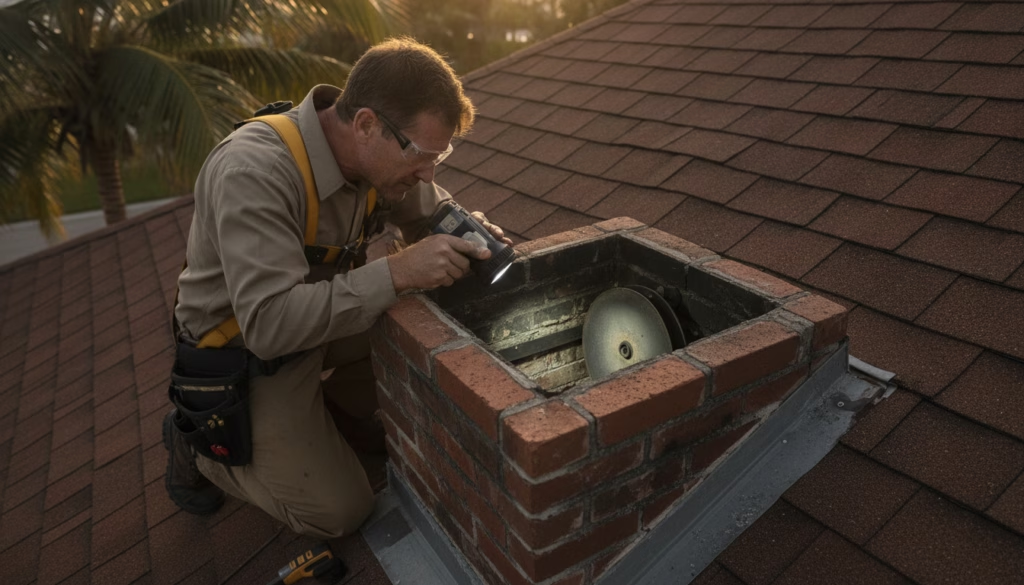
💡 Expert Insight: As a Certified Master Chimney Technician, I’ve opened up chimneys near the beach that looked fine from the yard but had liners crumbling like old chalk. A camera inspection is the only reliable way to know what’s really happening inside the flue.
Relining Methods Compared
Quick Answer: Stainless steel liners suit most gas and wood-burning repairs, cast-in-place liners strengthen fragile masonry structurally, and clay tile relining matches historic construction. The right choice depends on your appliance type, flue condition, and how the chimney is used.
| Liner Type | Best For | Lifespan Expectation | Key Benefit |
|---|---|---|---|
| Stainless Steel | Wood, gas, and oil appliances | Long-term with proper venting | Fast install, flexible for bends |
| Cast-in-Place | Structurally weak or leaning flues | Long-term | Reinforces the masonry itself |
| Clay Tile | Historic or code-matching rebuilds | Decades when undamaged | Traditional appearance |
Matching the Liner to the Appliance
A gas appliance venting through an oversized, unlined flue can actually cool exhaust gases too quickly, causing condensation and corrosion. A properly sized stainless liner solves that mismatch. Wood-burning fireplaces, by contrast, need a liner rated for higher heat and creosote exposure.
📊 Data Point: The National Fire Protection Association notes that chimney and flue issues remain among the top causes of home heating fires reported annually in the U.S.
For severely damaged flues, our team may also recommend pairing relining with masonry rebuilds and repair if the surrounding structure has deteriorated beyond the liner itself. In some cases, a cracked crown compounds the liner problem — our guide on cracked chimney crown repair signs explains how the two issues often show up together.
What the Relining Process Involves
Quick Answer: A proper relining job starts with a full camera inspection, followed by liner selection, installation, and a final draft test. Most single-flue jobs are completed in one working day once the scope is confirmed.
Step-by-Step Overview
- A certified technician performs a video-scan inspection of the entire flue length.
- Findings are documented with photos so you can see the exact damage.
- The appropriate liner type is measured and selected for your appliance and flue size.
- The old, damaged material is removed or bypassed, and the new liner is installed and secured.
- A final draft and safety test confirms proper venting before the job is closed out.
✅ Quick Tip: Ask to see the camera footage before and after the work. A transparent contractor will always show you what was found and what was corrected.
Who Should Perform the Work
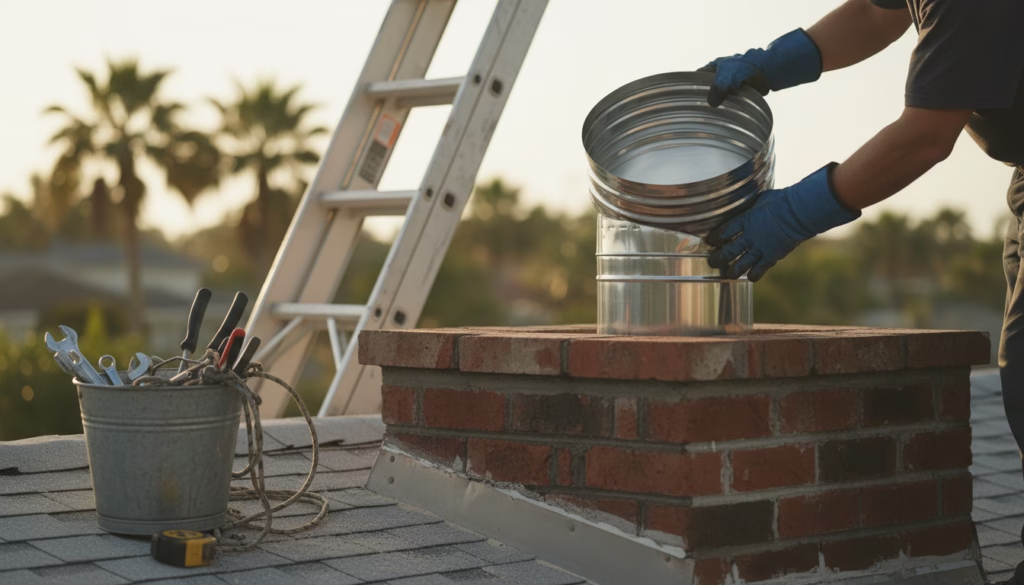
Relining is not a DIY-friendly project. It involves precise measurements, code compliance, and knowledge of how heat interacts with different liner materials. Look for technicians holding credentials such as CSIA Certified Chimney Specialist status or a Certified Chimney Reliner designation, since these certifications confirm hands-on training specific to liner installation.
Florida also requires licensed contractors for structural chimney work; you can verify any contractor’s license through the Florida Department of Business and Professional Regulation. Our own crew works under Florida Contractor License CRC1333200 and holds Certified Master Chimney Technician, Certified Chimney Reliner, and CSIA Certified Chimney Sweep credentials among the team.
⚠️ Common Mistake: Hiring based on price alone. A liner installed slightly undersized or in the wrong material can fail inspection or, worse, create a hidden fire hazard within a year.
Serving Homes Near St. Pete Beach and the Surrounding Coast
Quick Answer: Coastal and near-coastal homes share similar risk factors — humidity, salt exposure, and seasonal storm damage — which is why relining requests cluster in similar neighborhoods each year. Homeowners in Brandon, Apollo Beach, Gibsonton, and Dover often reach out with the same warning signs described above.
While every property is different, older masonry chimneys throughout the greater Tampa Bay region tend to show damage at similar ages, especially homes built before modern mortar and flashing standards were common. If you’re unsure whether your flue was ever properly lined, a video inspection is the fastest way to find out — and it’s far less invasive than most homeowners expect.
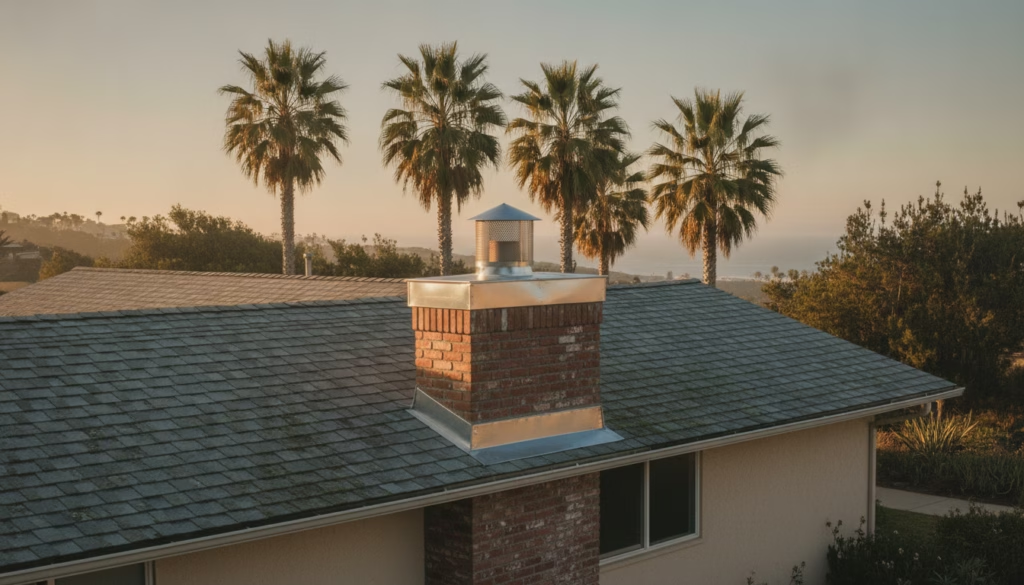
💡 Expert Insight: In coastal properties, I often find the exterior brick looks fine while the interior liner has already failed. The outside of a chimney rarely tells the whole story.
Chimney Relining FAQ
How much does chimney relining cost in Florida?
Cost varies by liner type, flue length, and the extent of existing damage, so an accurate number requires an in-person or video inspection. We focus on identifying the safest, most appropriate fix for your specific chimney rather than a one-size-fits-all price.
How do I know if my chimney needs relining or just a cleaning?
A standard sweep removes creosote and debris, but it won’t fix a cracked tile or corroded metal liner. If cracks, gaps, or crumbling material are visible during an inspection, relining — not cleaning — is the appropriate fix.
Is chimney relining required by code in Florida?
Building codes generally require a properly functioning, appropriately sized liner for any active fireplace or vented gas appliance. An unlined or severely damaged flue typically will not pass inspection during a home sale or insurance review.
How long does a stainless steel liner last?
A correctly sized and installed stainless liner can perform well for many years when paired with routine annual inspections and proper appliance use. Actual lifespan depends on usage frequency, appliance type, and maintenance history.
Can I use my fireplace while waiting for chimney relining?
We strongly recommend avoiding use of any fireplace or appliance once a liner failure has been identified. Continuing to burn through a damaged flue increases the risk of both fire and carbon monoxide exposure.
Does chimney relining help with gas fireplace venting problems?
Yes — an oversized or unlined flue is a common cause of poor draft and condensation issues with gas inserts. Installing a correctly sized liner often resolves venting complaints tied to gas fireplace performance; see our gas fireplace page for related appliance considerations.
What’s the difference between chimney relining and a chimney cap replacement?
Relining addresses the interior flue that carries smoke and gases away from your home, while a cap protects the top opening from rain, debris, and animals. Both matter for chimney health, but they solve different problems — our chimney caps page covers cap-specific concerns.
Final Thoughts on Chimney Relining in St. Pete Beach
A compromised flue liner is one of those problems that hides in plain sight until it causes real damage. Chimney relining in St. Pete Beach FL exists precisely because coastal humidity and aging masonry create the conditions for exactly that kind of hidden failure. The good news is that a thorough inspection almost always catches the problem before it becomes an emergency.
Here’s how to move forward with confidence:
- Schedule a full video-scan chimney inspection before your next fire or gas appliance use.
- Ask your technician to walk you through any cracks, gaps, or debris found.
- Choose a liner type matched to your specific appliance and flue condition.
- Keep documentation of the inspection and repair for insurance and resale purposes.
Our team operates under Florida Contractor License CRC1333200 and Certified Category V Gas License LI45277, with technicians holding CSIA and NFI credentials across chimney and hearth specialties. If you suspect your flue needs attention, schedule a consultation with our certified team today and get a clear, honest answer about what your chimney really needs.