Chimney relining in Inverness FL is the process of repairing or replacing the protective inner passage that carries smoke and gases safely out of your home. A damaged liner isn’t just a cosmetic issue — it’s a direct path for heat, sparks, and carbon monoxide to reach combustible framing or living spaces. If your chimney is more than 20 years old, or you’ve noticed crumbling tiles, it may already be time to act.
We’ve spent years crawling through flues across Citrus County, and the same story repeats: homeowners assume a chimney is fine because it still "draws." Draft and safety aren’t the same thing. This guide explains why relining matters, how to spot trouble, which methods actually hold up in Florida’s humid climate, and what a professional relining project looks like from start to finish.
📌 Key Takeaways
- Cracked or missing flue tiles allow heat and gas to reach nearby wood framing — a leading cause of chimney fires.
- Stainless steel liners are the most common modern fix for wood-burning and gas appliances alike.
- Cast-in-place liners work well for irregular or badly deteriorated masonry flues.
- Annual chimney inspections catch liner damage before it becomes a safety hazard.
- Florida’s humidity and storm cycles accelerate mortar and clay tile breakdown faster than drier climates.
Jump to a section:
- Why Relining Matters
- Warning Signs to Watch For
- Relining Methods Compared
- The Relining Process, Step by Step
- Serving Central Florida Homeowners
- Choosing a Qualified Contractor
- FAQ
Why Relining Matters
Quick Answer: A chimney liner protects your home’s structure from heat and corrosive byproducts, and without one in good shape, you’re relying on brick and mortar alone — which was never designed to be the sole barrier.
Every masonry chimney needs a liner, whether clay tile, metal, or poured cement. According to the Chimney Safety Institute of America, an unlined or damaged flue is one of the top contributing factors in residential chimney fires nationwide. The liner contains combustion byproducts and insulates surrounding materials from extreme temperature swings.
The Florida Climate Factor
Central Florida’s humidity, heavy rain, and occasional freeze events put extra stress on clay tile liners. Moisture seeps into hairline cracks, expands, and widens them over successive seasons. That’s why homeowners in Inverness, Floral City, and Hernando often see liner failure earlier than the national average.
💡 Expert Insight: In our experience servicing Citrus County homes, chimneys built before 1990 frequently used thinner clay tiles that were never rated for today’s high-efficiency wood stoves or gas inserts.
Warning Signs to Watch For
Quick Answer: Visible cracks, chunks of tile debris in the firebox, smoke smell indoors, or a sudden increase in creosote buildup all point to a liner in need of repair.
Most homeowners don’t inspect their flue directly, so they rely on secondary clues. Catching these early can prevent a small crack from becoming a full chimney relining project later.
Cracked Tiles and Crumbling Mortar
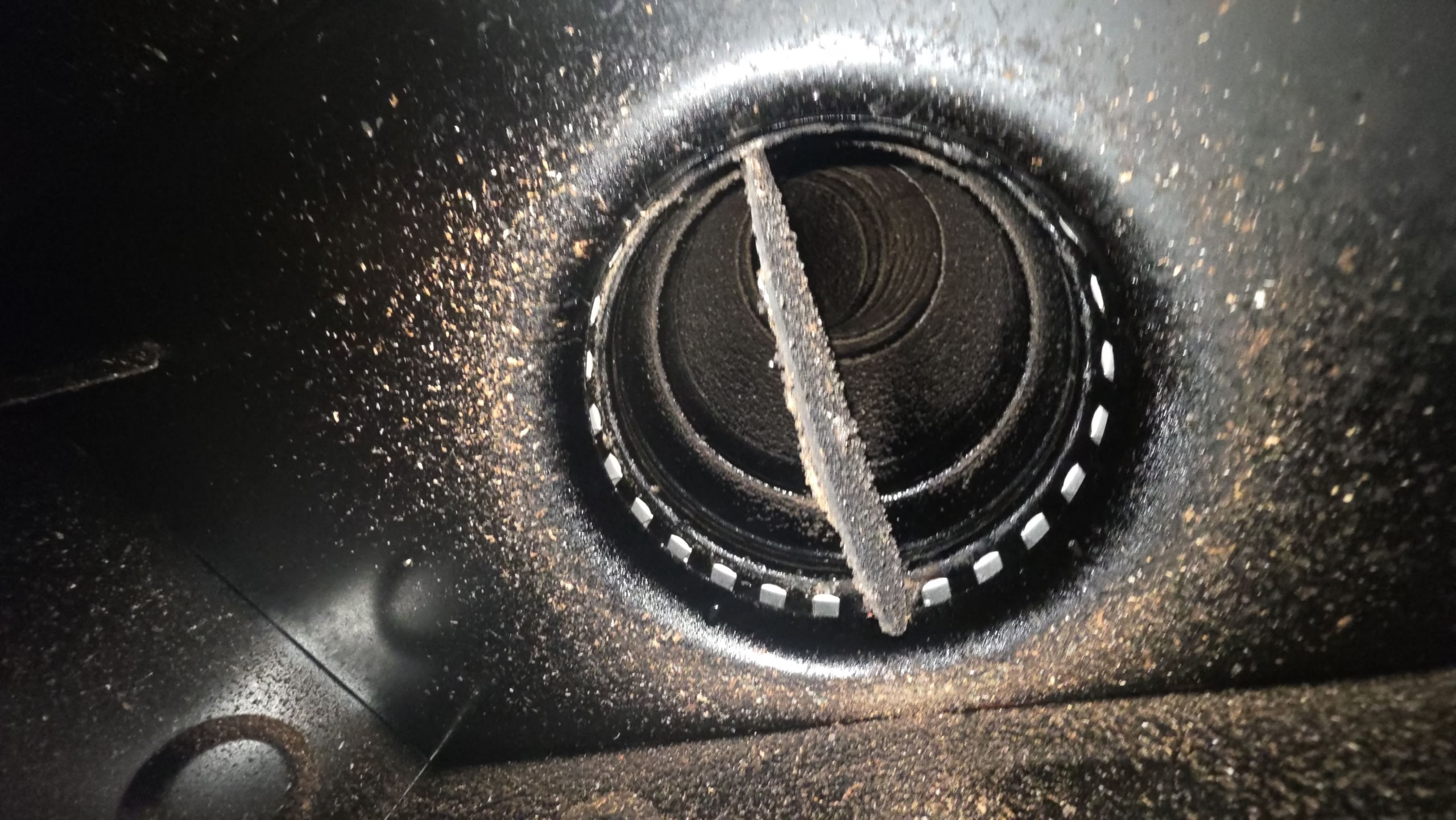
If you find broken tile pieces in the firebox or notice mortar dust after a fire, the flue lining is deteriorating. Left unaddressed, gaps let heat transfer directly to wood framing behind the chimney.
Smoke Smell or Backdraft Issues
A persistent smoky odor between fires, especially in humid weather, often signals a compromised liner allowing gases to seep into the chase or wall cavity. This is closely related to issues covered in our guide on chimney leaks and mold growth.
⚠️ Common Mistake: Many homeowners assume a working damper means the whole system is safe. A damper only controls airflow — it says nothing about the liner’s structural condition.
Chimney Relining Methods Compared
Quick Answer: Stainless steel liners suit most wood-burning and gas systems, while cast-in-place liners are better for irregular or severely damaged masonry flues; the right choice depends on your chimney’s condition and appliance type.
Not every relining job uses the same material. Choosing correctly affects both safety and how long the repair lasts.
Stainless Steel Liners
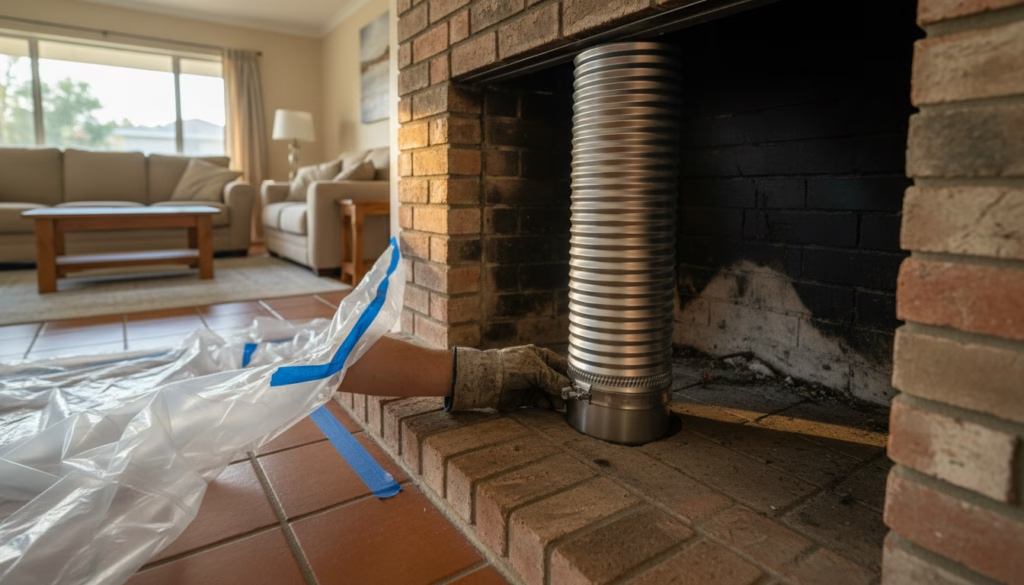
A stainless steel liner is a flexible or rigid metal tube inserted down the flue and insulated to match the appliance it serves. It’s the standard fix for most wood-burning fireplaces, wood stoves, and gas appliances because it’s durable and relatively quick to install.
Cast-in-Place Liners
This method pours a lightweight, insulating cement mixture around an inflatable form inside the flue, creating a smooth, seamless new liner. It’s ideal for chimneys with structural cracks or offsets that a rigid metal liner can’t navigate. This approach often pairs with masonry rebuild repairs when the surrounding brick is also compromised.
| Liner Type | Best For | Typical Lifespan | Key Advantage |
|---|---|---|---|
| Stainless Steel | Wood stoves, gas inserts, standard flues | 15-25 years | Fast install, flexible fit |
| Cast-in-Place | Cracked, irregular, or oversized flues | 25+ years | Reinforces masonry structure |
| Clay Tile Replacement | New construction or full rebuilds | 20-30 years | Traditional appearance |
📊 Data Point: According to the National Fire Protection Association, failure to properly maintain heating equipment, including chimneys, contributes to thousands of home structure fires each year in the U.S.
The Chimney Relining Process, Step by Step
Quick Answer: A proper chimney relining project starts with a camera inspection, followed by debris removal, liner sizing, installation, and a final draft test — usually completed in a single day for most homes.
Here’s what a typical project looks like when handled by a certified technician:
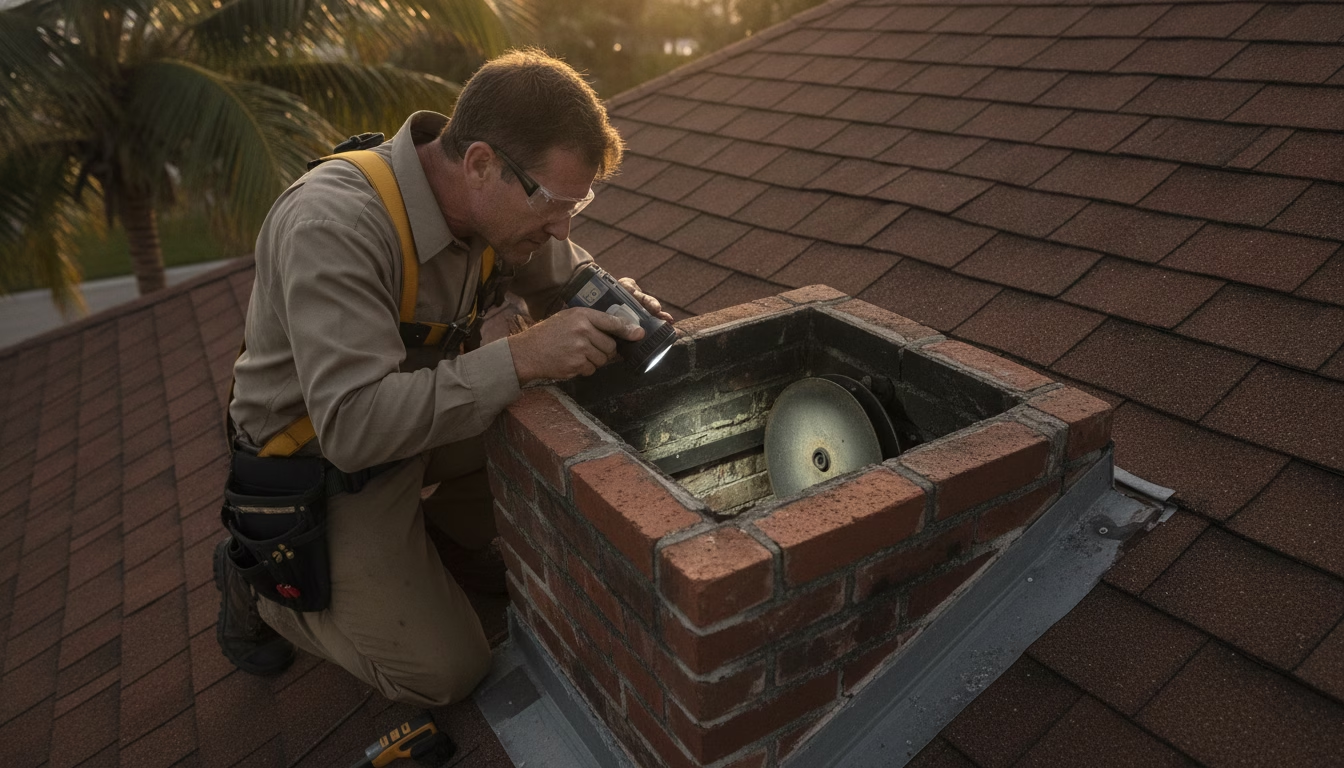
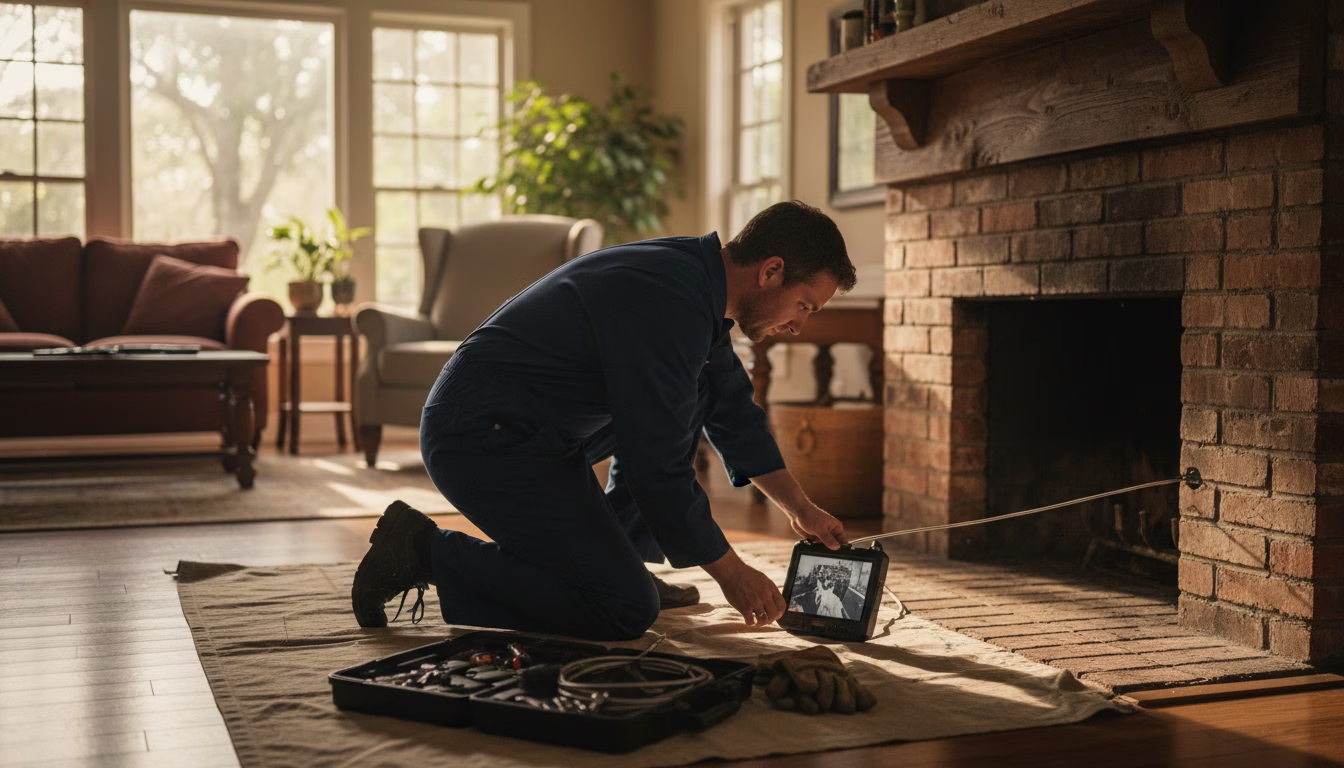
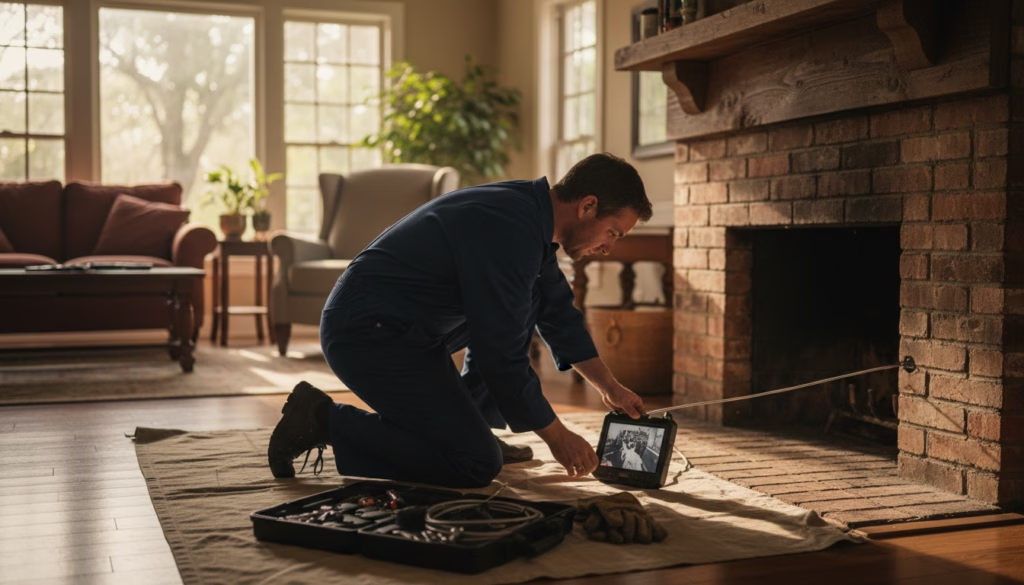
- Camera inspection — A video scope examines the full flue length to document cracks, offsets, or blockages.
- Sizing and material selection — The technician measures the flue and appliance output to choose the correct liner diameter and insulation.
- Debris and obstruction removal — Old broken tile, creosote, or nesting debris is cleared before install.
- Liner installation — The stainless steel or cast-in-place liner is set, insulated, and sealed at the top and bottom.
- Final draft and safety test — The system is tested for proper draw and checked against local building code requirements.
✅ Quick Tip: Ask your technician to run a post-install camera scan so you can see the finished liner yourself — it’s a simple way to confirm the work was done thoroughly.
What Happens If Relining Is Delayed
Postponing a needed reline doesn’t just risk fire — it can also allow moisture into wall cavities, leading to the kind of hidden mold and structural rot discussed in our chimney crown repair guide. Small problems compound quickly once water finds a path inward.
Serving Central Florida Homeowners
Quick Answer: We provide chimney relining Florida homeowners can rely on across Citrus County and neighboring communities, from Inverness to Dunnellon and beyond.
Our technicians regularly work on homes in Inverness, Floral City, Beverly Hills, Hernando, Crystal River, and Dunnellon. Each of these communities shares similar housing stock — many built in the 1980s and 1990s — meaning aging clay tile liners are a common thread across the region.
Why Local Experience Matters
A technician familiar with Citrus County’s soil movement, storm patterns, and common chimney designs can spot problems faster than someone unfamiliar with the area. We’ve relined flues in homes on lake-adjacent lots in Inverness where humidity accelerates tile breakdown, and in older Dunnellon farmhouses with undersized original flues.
Choosing a Qualified Chimney Relining Contractor
Quick Answer: Look for a contractor with recognized chimney certifications, a valid Florida license, and a willingness to show camera footage of your flue before recommending a fix.
Relining work touches fire safety directly, so credentials matter more here than in cosmetic home repairs.
Certifications Worth Asking About
Our team holds a Florida Contractor License (##CRC1333200), Certified Master Chimney Technician (##34), and Certified Chimney Reliner (##94) credentials, among others. The Florida Department of Business and Professional Regulation allows homeowners to verify any contractor’s license status before hiring.
💡 Expert Insight: A qualified reliner should never quote a fix without first scoping the flue on camera. If a contractor skips this step, ask why.
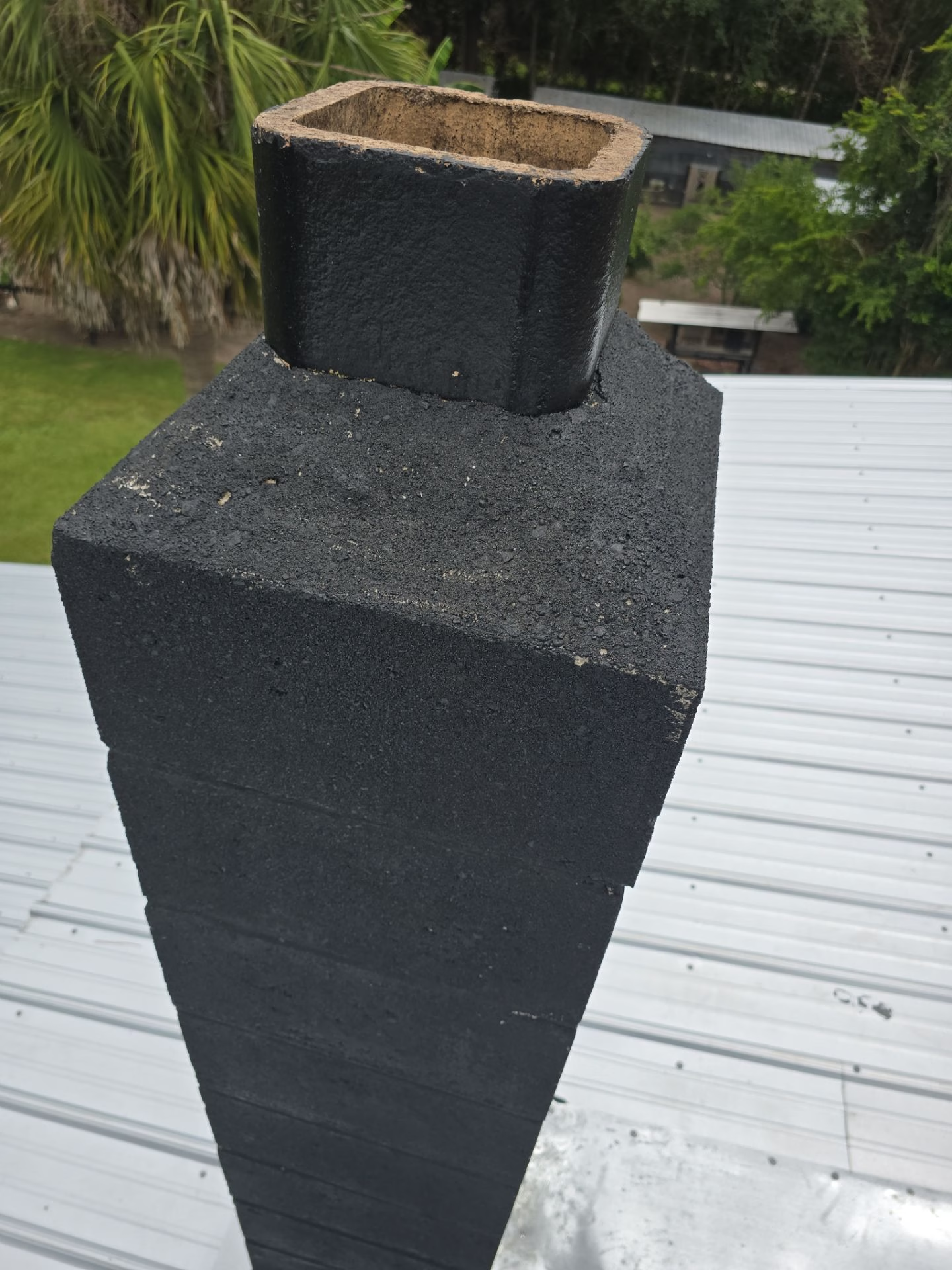
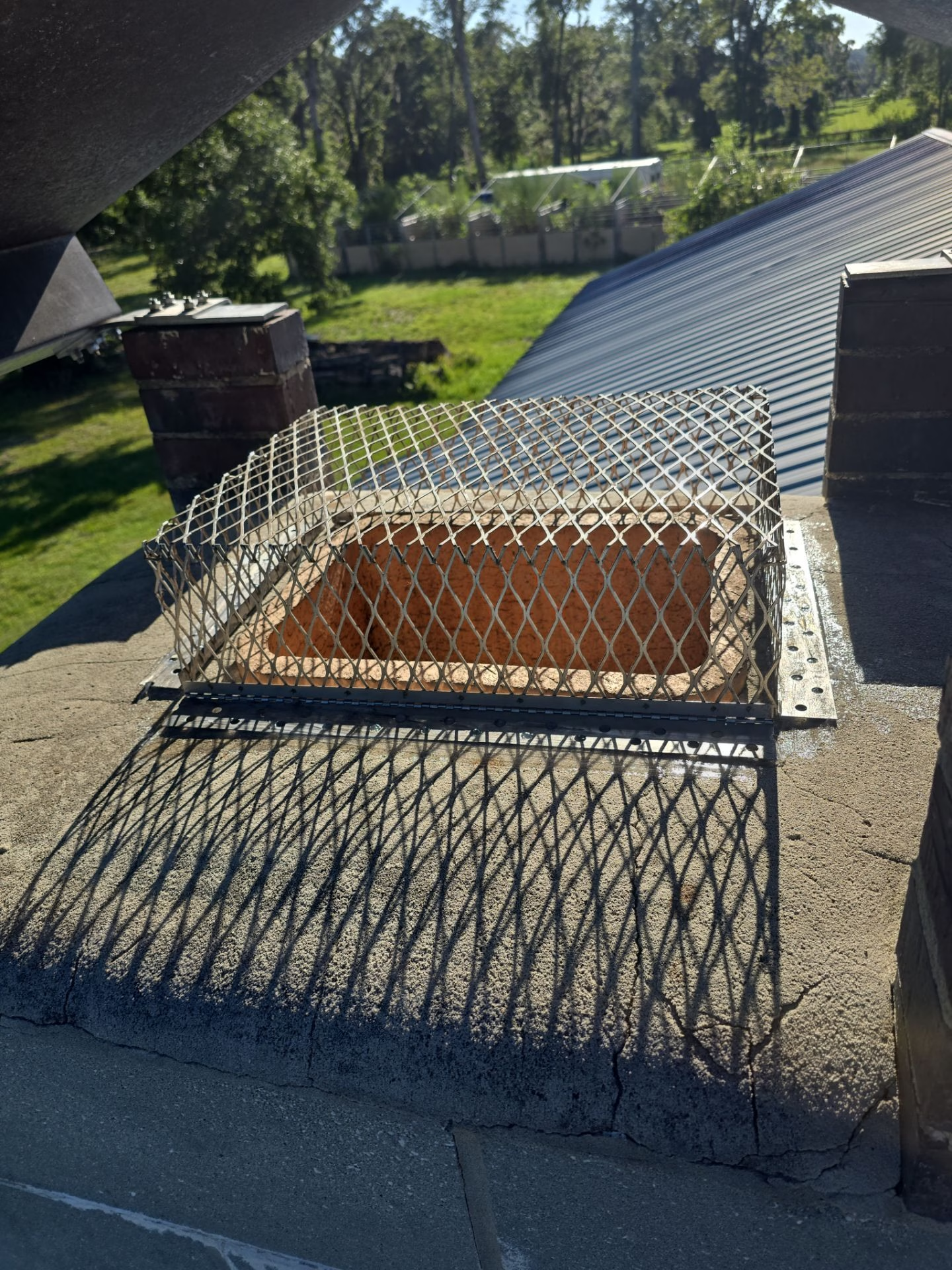
Beyond relining, many homeowners in this situation also need a chimney cap or damper evaluation, since these components work together to keep moisture and animals out of a freshly relined flue.
FAQ
How do I know if my chimney needs relining instead of just repair?
If a camera inspection shows cracked, missing, or misaligned flue tiles along a significant portion of the chimney, relining is usually recommended over spot repair. Partial patches rarely hold up long-term once tile segments have separated.
Is chimney relining in Inverness FL required by code?
Florida building code generally requires a functioning liner for any chimney in active use, and insurance carriers often require proof of an intact liner after a claim or during a home sale. A certified inspection can confirm your current compliance status.
How long does a typical chimney relining project take?
Most residential relining jobs, whether stainless steel or cast-in-place, are completed in a single day. Larger or more damaged flues with structural rebuilds may take longer.
Can I use my fireplace while waiting for relining?
We recommend avoiding use of any fireplace or wood stove once significant liner damage is confirmed, since continued use increases fire and carbon monoxide risk. A temporary inspection tag or written recommendation from your technician can guide this decision.
Does relining help with chimney odor problems?
Yes, in many cases a compromised liner is the direct cause of persistent smoky odors, since gases and moisture escape through cracks into the chase. Replacing the liner and sealing it properly typically resolves the issue.
What’s the difference between chimney relining and a full rebuild?
Relining addresses the interior passage only, while a rebuild reconstructs the exterior masonry structure itself. Many projects combine both when the surrounding brick has also deteriorated.
Do gas fireplaces need relining too, not just wood-burning ones?
Yes, gas appliances still produce moisture and combustion byproducts that require a properly sized, corrosion-resistant liner. An oversized or unlined flue can cause condensation damage even without visible flames or soot.
Final Thoughts
Chimney relining in Inverness FL isn’t a project to put off once warning signs appear — cracked tiles, smoke odor, and debris in the firebox all point to a liner that’s no longer doing its job. The good news is that modern stainless steel and cast-in-place options are durable, code-compliant, and installed in as little as a day by a properly certified technician.
Next steps:
- Schedule a camera inspection to document your flue’s current condition.
- Review liner material options based on your appliance type and flue shape.
- Confirm your contractor’s Florida license and chimney certifications before work begins.
- Pair relining with a cap or damper check to protect the new liner long-term.
Always Fire & Gas is Florida Contractor Licensed (##CRC1333200) and staffed by CSIA and NFI certified chimney technicians serving Inverness and surrounding Citrus County communities. Contact us today to schedule your camera inspection and take the guesswork out of chimney relining.