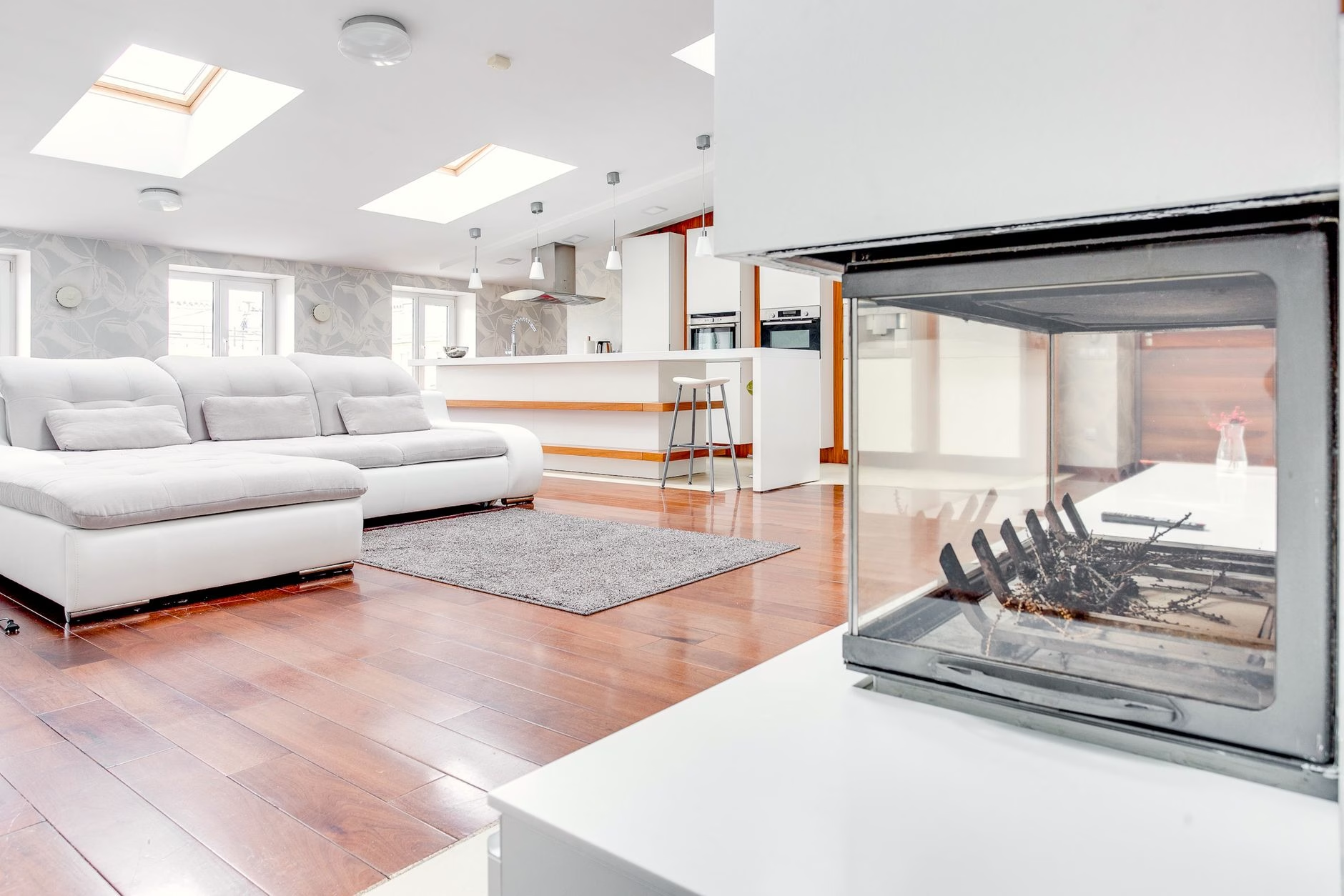
Gas fireplace installation is the process of safely running a gas line, venting, and a certified hearth appliance into your home so you get real flame and warmth at the flip of a switch. Many homeowners assume it’s a weekend DIY project, but that misconception is exactly how carbon monoxide incidents and house fires start. The right installer protects your family, your home, and your investment for decades to come.
We’ve spent years helping Central Florida families in Ocala, Gainesville, Brooksville, Crystal River, Inverness, and Wildwood add safe, efficient gas hearth appliances to their homes. This guide walks through what actually happens during a professional install, what drives the value you get, and how to choose a qualified gas fireplace service near you.
📌 Key Takeaways
- Gas fireplace installation always requires a permitted gas line, proper venting, and code-compliant clearances — never a plug-and-play project.
- Direct vent and B-vent are the two main indoor venting methods for a gas hearth unit, each suited to different home layouts.
- Venting design, gas line length, and appliance style are the biggest factors behind installation value — not the price tag alone.
- A licensed Category V gas installer will pull permits, pressure-test the line, and verify combustion air before lighting the pilot.
- Annual inspection keeps a gas log fireplace safe and efficient for the life of the unit.
Jump to a section:
- What’s Involved in a Professional Installation
- What Drives Gas Fireplace Installation Value
- Direct Vent vs. B-Vent for Indoor Installs
- The Step-by-Step Installation Process
- Venting and Safety Codes You Should Know
- Choosing a Licensed Gas Fireplace Service
- FAQ
What’s Involved in a Professional Gas Fireplace Installation?
Quick Answer: A professional installation combines gas line work, venting, framing adjustments, and safety testing — all performed by a licensed technician under state and national fuel codes.
At its core, installing this type of hearth appliance means connecting a fuel source (natural gas or propane) to a certified unit, then venting combustion byproducts safely outside. This isn’t just running a pipe — it’s calculating BTU load, sizing the gas line correctly, and confirming the venting terminates in a safe location away from windows and soffits.
Why Homeowners Add a Gas Fireplace
Most families want to add this kind of warmth to their home for instant heat without hauling wood, plus the ambiance of real flame. Others are converting an aging wood-burning unit to reduce chimney maintenance. Either way, the appliance still needs the same rigorous safety review.
💡 Expert Insight: Every unit we install gets a combustion analysis before we hand you the remote. It confirms the flame is burning clean and the room is getting proper makeup air.
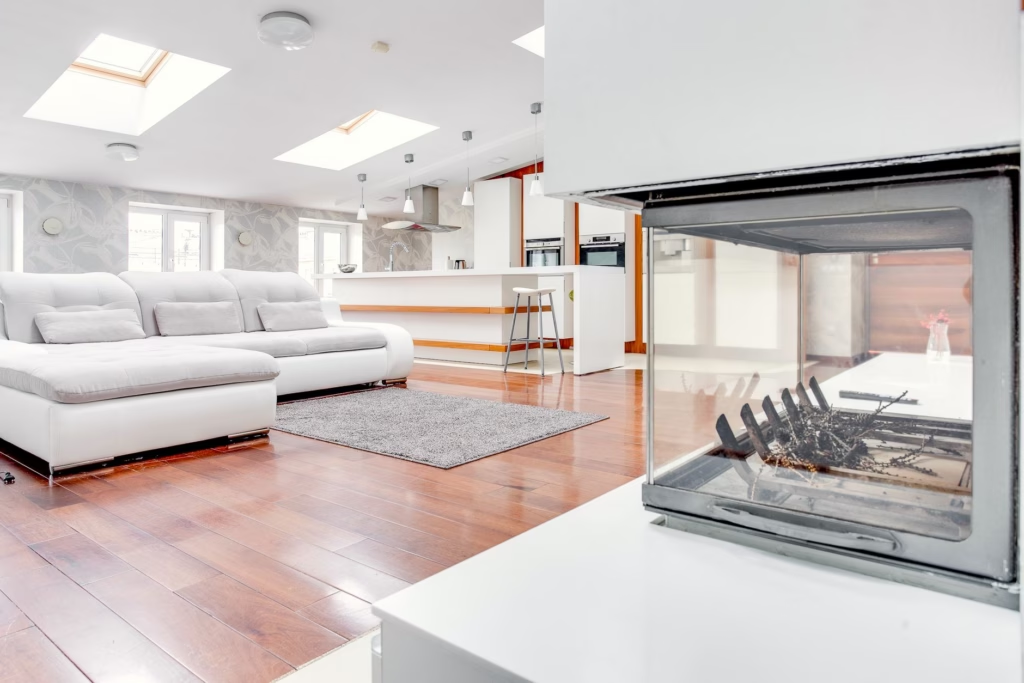
What Drives Gas Fireplace Installation Value
Quick Answer: Installation value depends on venting complexity, gas line distance, and fireplace style — not just the unit itself. We won’t quote a number here, but understanding these factors helps you ask the right questions.
Homeowners often expect a flat number for this project, but every home is different. A slab-on-grade ranch in Gainesville and a two-story home in Inverness require very different venting runs and framing work.
Venting Distance and Path
The farther the appliance sits from an exterior wall or roofline, the more venting material and labor the job requires. Long or angled vent runs also need extra support and clearance verification.
Fireplace Style and Insert Type
A built-in insert replacing an old wood-burning box involves different work than framing new construction for a linear gas insert. Each style has its own clearance and framing requirements documented by the manufacturer. Our gas fireplaces page outlines the styles we install most often across the region.
Gas Line Routing
If your home already has nearby natural gas installation, tie-in is simpler. Homes relying on propane may need LP tank installation or an upgrade to feed the new appliance properly.
⚠️ Common Mistake: Choosing a fireplace insert before confirming venting clearances. This backwards approach often forces a return trip and wasted materials.
| Factor | Low Complexity | High Complexity |
|---|---|---|
| Venting run | Short, straight exterior wall | Long, multi-story, angled |
| Gas line | Existing line nearby | New trenching or LP upgrade needed |
| Appliance type | Insert replacing existing unit | New construction, custom surround |
| Permitting | Standard local permit | Multiple inspections, HOA review |
Direct Vent vs. B-Vent for Indoor Installations
Quick Answer: Direct vent units pull outside air for combustion and vent exhaust outside through a sealed pipe, while B-vent units draw room air and vent only exhaust gases — direct vent is the more common, more efficient choice today.
Indoor gas fireplace installation almost always uses a direct vent system in modern Central Florida homes. It’s a sealed, glass-front unit that never draws heated indoor air for combustion, which keeps your energy bills more stable.
When B-Vent Still Makes Sense
Older masonry chimneys sometimes retain a B-vent gas log set, drawing room air through an open damper. It’s less efficient but can be appropriate for occasional-use ambiance appliances.
Ventless Options Are Rarely Recommended
Some retailers market ventless gas units, but most manufacturers and safety bodies caution against them for full-time use because they release combustion byproducts indoors. We do not install ventless units as a primary heat source.
📊 Data Point: According to the U.S. Consumer Product Safety Commission, improperly vented gas hearth appliances are consistently linked to elevated indoor carbon monoxide readings, reinforcing why sealed venting matters.
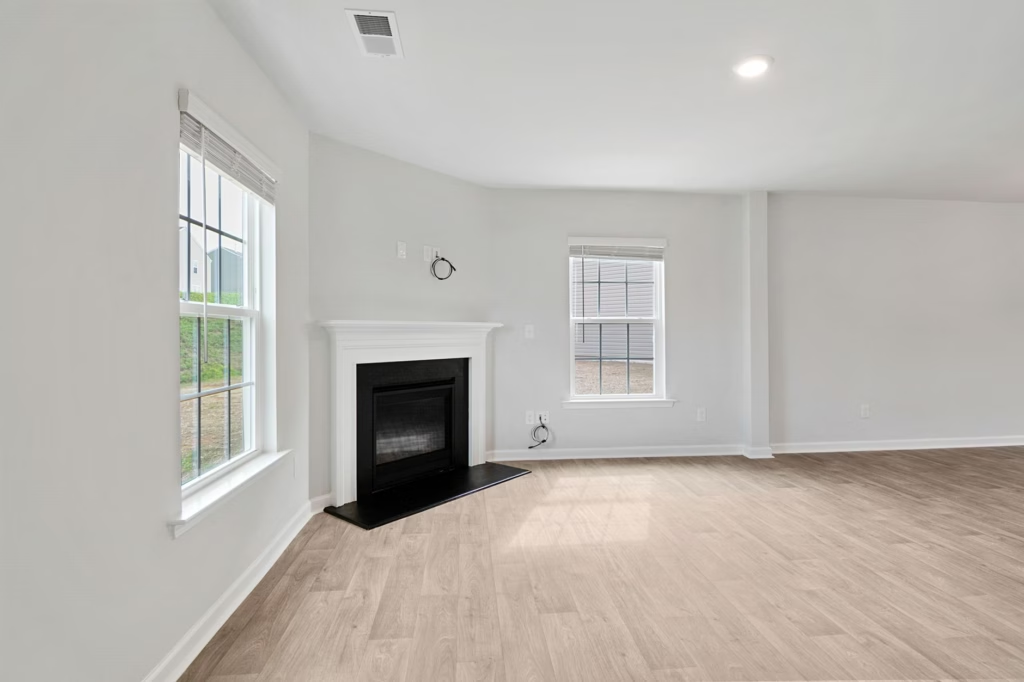
The Step-by-Step Installation Process
Quick Answer: A proper install follows a fixed sequence — assessment, permitting, framing, gas line connection, venting, and final safety testing — completed in that order every time.
Here’s the sequence our technicians follow on every job, whether it’s a retrofit in Ocala or new construction in Brooksville:
- Site assessment — measure the space, confirm clearances, and calculate BTU needs for the room.
- Permitting — pull the required local permit before any gas work begins.
- Framing and hearth prep — build or adjust the surround to manufacturer specifications.
- Gas line connection — run and pressure-test the line per NFPA 54 National Fuel Gas Code.
- Venting installation — install the direct vent or chimney liner and confirm proper termination clearance.
- Final testing — verify combustion, check for leaks, and walk you through the controls.
For homes converting an appliance entirely, our appliance installation team coordinates the gas-side work alongside the hearth build.
Working Around Existing Chimneys
Many older Central Florida homes have masonry chimneys that need relining or crown repair before a new insert goes in. If your chimney shows cracking, our masonry rebuilds and repair team handles that prep work first.
✅ Quick Tip: Ask your installer to show you the pressure-test results in writing before they close up any wall or hearth framing.
Venting and Safety Codes You Should Know
Quick Answer: Vent installation must meet clearance-to-combustibles rules, terminate away from openings, and pass inspection — these aren’t optional guidelines, they’re code requirements.
Every hearth venting project in Florida is governed by state licensing rules and the national fuel gas code. Our team holds a Certified Category V Gas License (##LI45277), which specifically covers this scope of work.
Carbon Monoxide Is the Real Risk
A poorly sealed vent joint or blocked termination can push carbon monoxide back into living spaces. The OSHA Carbon Monoxide Safety guidance explains why CO is so dangerous — it’s colorless, odorless, and builds up quickly in enclosed rooms.
Why Certification Matters
Organizations like the Chimney Safety Institute of America and the National Fireplace Institute set the training standards our technicians hold, including Certified Master Chimney Technician (##34) and Certified Hearth Design Specialist (##177069) credentials.
💡 Expert Insight: In my experience inspecting older Sumter and Citrus County homes, the most common vent failure isn’t the appliance itself — it’s a chase cover or termination cap that’s rusted through and letting moisture in.
Choosing a Licensed Gas Fireplace Service
Quick Answer: Look for a state-licensed gas installer with hearth-specific certifications, transparent permitting practices, and a willingness to explain venting choices — not just the fastest quote.
When you search for a gas fireplace service, you’ll find a mix of general handymen and truly licensed specialists. The distinction matters more with gas work than almost any other home project.
Questions to Ask Before You Hire
Ask whether they’re licensed under Florida’s gas contractor rules, regulated through the Florida Department of Agriculture and Consumer Services for LP work, and whether they pull permits as standard practice. A reputable installer will answer these without hesitation.
Serving Central Florida Communities
We install and service gas fireplaces throughout Ocala, Gainesville, Brooksville, Crystal River, and Inverness, along with surrounding communities in Marion, Alachua, Citrus, and Sumter counties. Our crews also handle related work like propane installation and leak inspection for homes converting fuel types or adding new appliances.
⚠️ Common Mistake: Hiring based on the lowest quote without confirming the installer’s gas license number. Florida requires this credential for any gas line connection work.
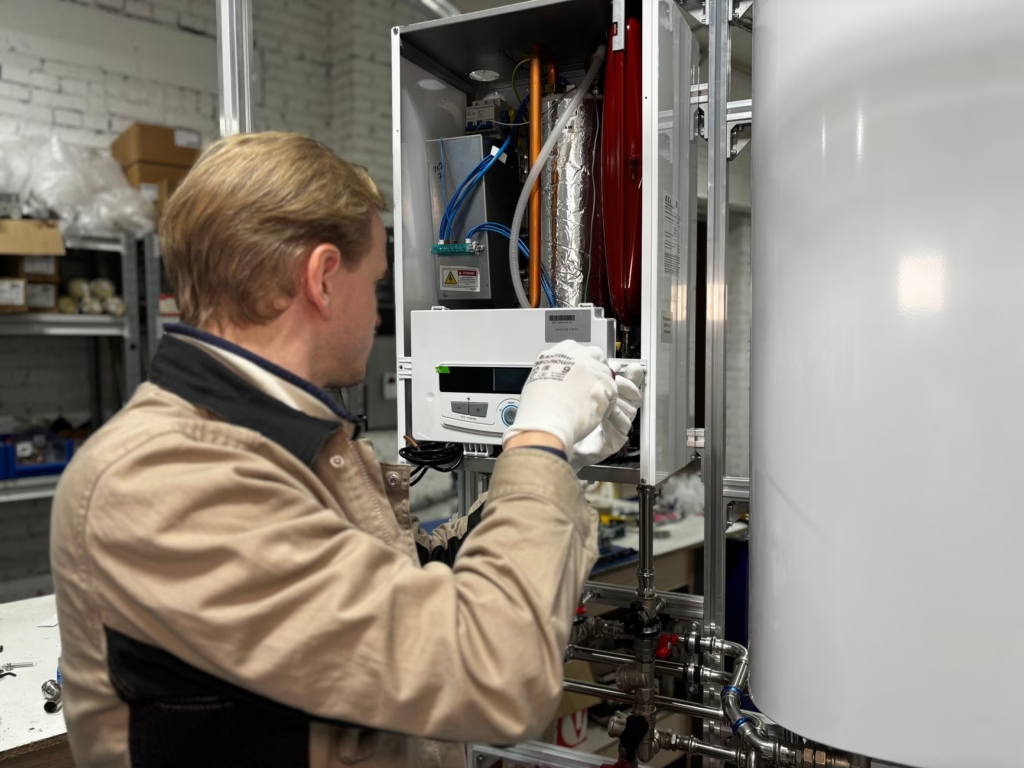
Ongoing Service After Installation
Installation is only the beginning. Annual inspection catches worn gaskets, pilot issues, and venting blockages before they become safety problems, similar to how our chimney inspections catch masonry issues early.
| Task | DIY-Safe? | Why It Matters |
|---|---|---|
| Cleaning glass front | Yes | Cosmetic only, no gas exposure |
| Checking pilot flame color | Observe only | Blue flame = healthy combustion |
| Gas line connections | No | Requires licensed technician |
| Venting inspection | No | Needs certified technician access |
FAQ
How much does it cost to have a gas fireplace installed?
Cost varies based on venting distance, gas line access, and appliance style, so there’s no single flat number. A licensed installer will assess your specific home before providing any figures.
How much does a gas fireplace cost to install compared to a wood-burning unit?
Gas installations typically involve gas line and venting work, while wood-burning units focus on masonry and chimney requirements. Each has different labor and material considerations, which is why an in-home assessment matters more than a general estimate.
Can I add a gas fireplace to a home that only has electric heat?
Yes, but it requires either a new natural gas line or an LP tank installation to supply fuel to the appliance. Our team evaluates your existing utilities before recommending the best fuel path.
Is gas fireplace installation safe for homes with young children or pets?
Yes, when installed correctly with proper clearances and a protective screen, it’s a safe heat source for families. Direct vent units also run cooler on the glass surface than many older wood-burning inserts.
Do I need a permit for indoor gas fireplace installation in Florida?
Yes, permits are required for gas line and venting work in nearly every Central Florida jurisdiction. A licensed contractor pulls these permits as part of a compliant installation.
How often does a gas fireplace need service after installation?
Most manufacturers and hearth professionals recommend annual inspection to check the pilot, venting, and gas connections. Regular service keeps the unit running efficiently and safely for years.
What’s the difference between a gas fireplace insert and a new gas fireplace installation?
An insert fits into an existing masonry opening, while a new installation may involve framing a fireplace into a wall that never had one. Both require the same licensed gas and venting work regardless of which path you choose.
Final Thoughts
Gas fireplace installation is a rewarding upgrade, but it’s not a project to shortcut. From venting selection to gas line pressure testing, every step protects your family’s safety and your home’s long-term value. Central Florida homeowners deserve an installer who treats each detail — not just the flame — as essential.
Next steps:
- Assess your current heating setup and note where you’d like the fireplace located.
- Confirm whether your home has existing gas service or needs an LP tank installation.
- Schedule an in-home consultation with a licensed Category V gas installer.
- Ask for a written scope covering permitting, venting, and testing before work begins.
Always Fire and Gas holds Florida Contractor License ##CRC1333200 and Certified Category V Gas License ##LI45277, serving homeowners across Marion, Alachua, Citrus, and Sumter counties. Contact our team today to schedule your gas fireplace installation consultation and get straightforward, honest guidance for your home.