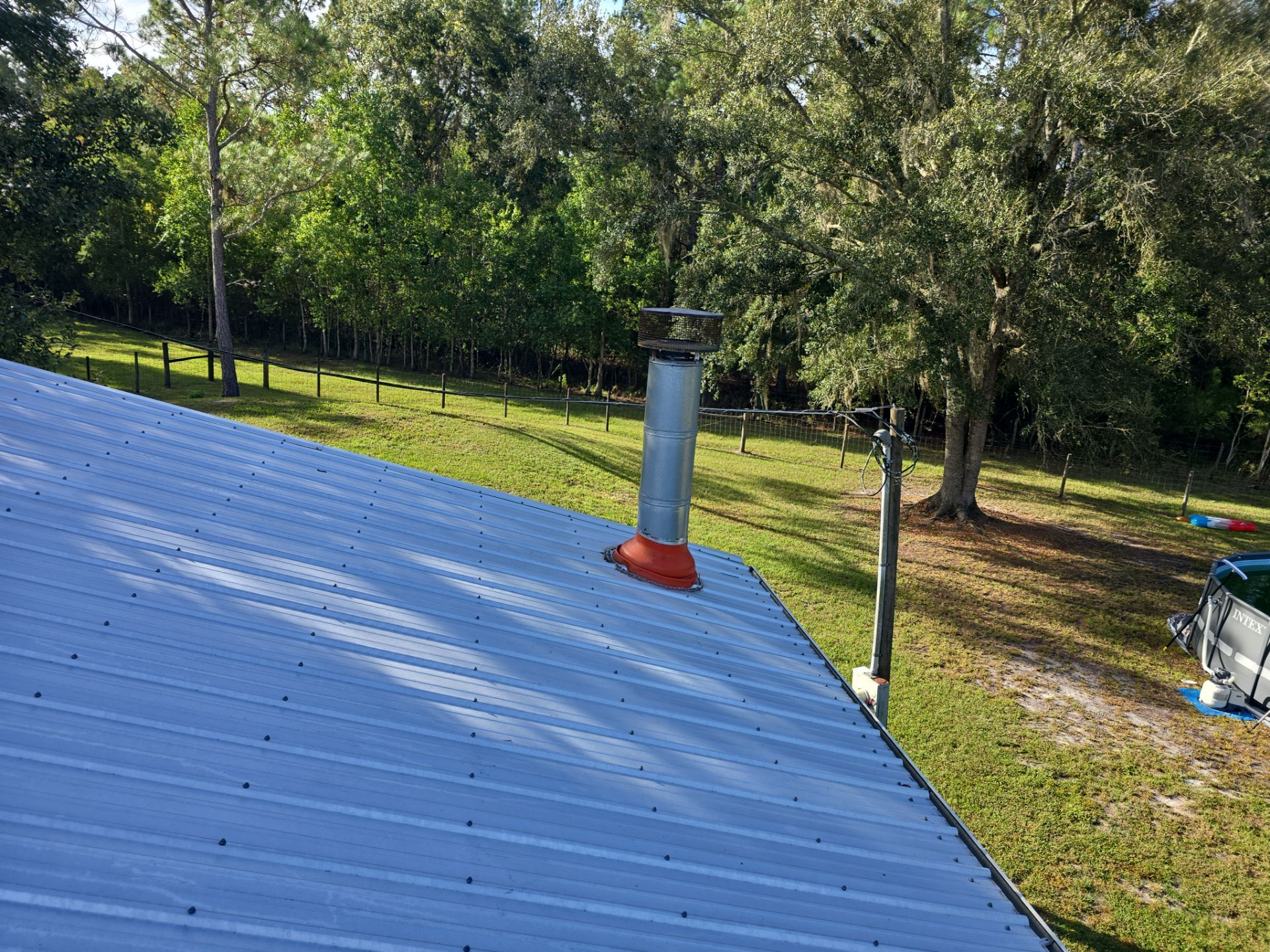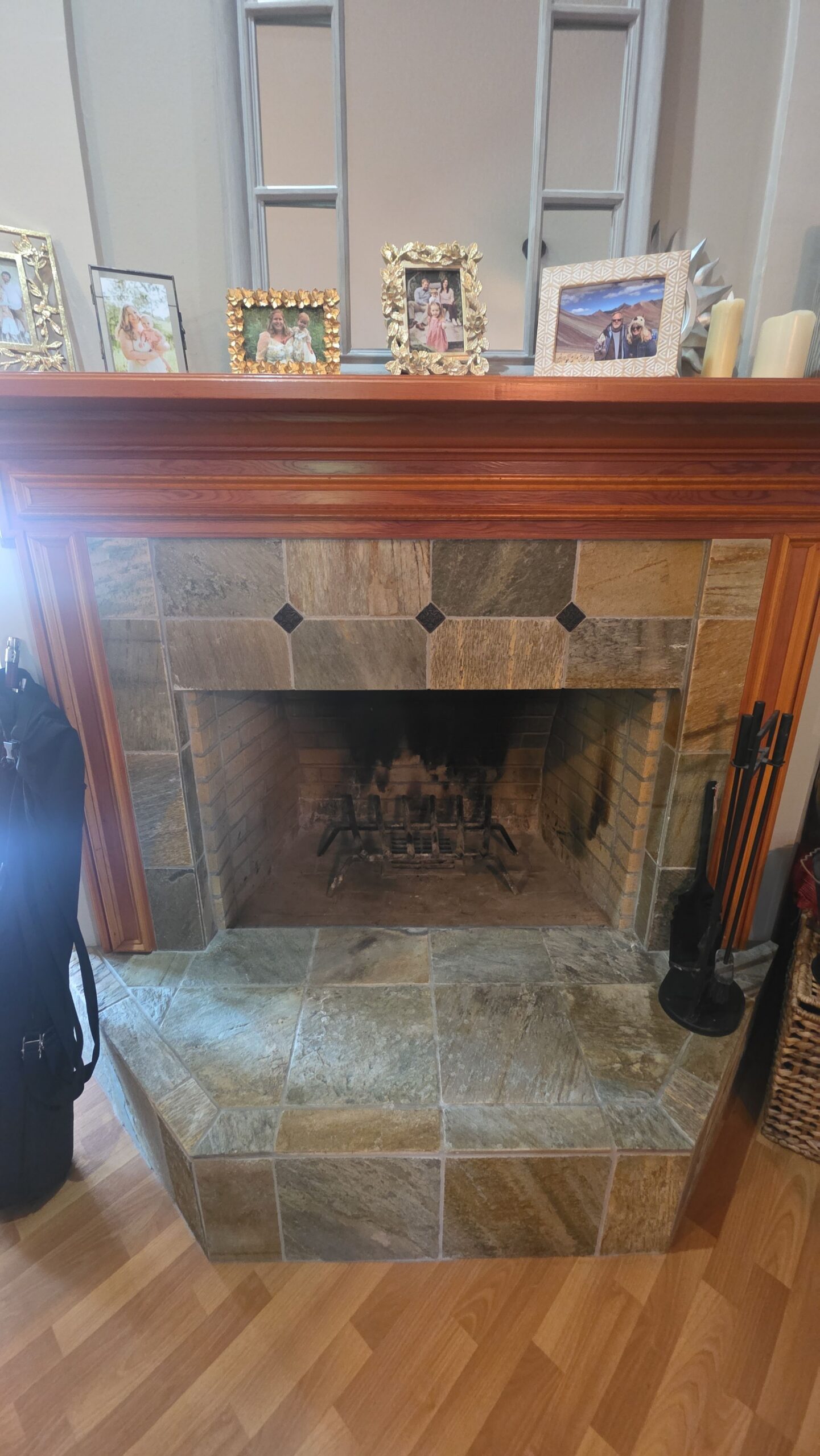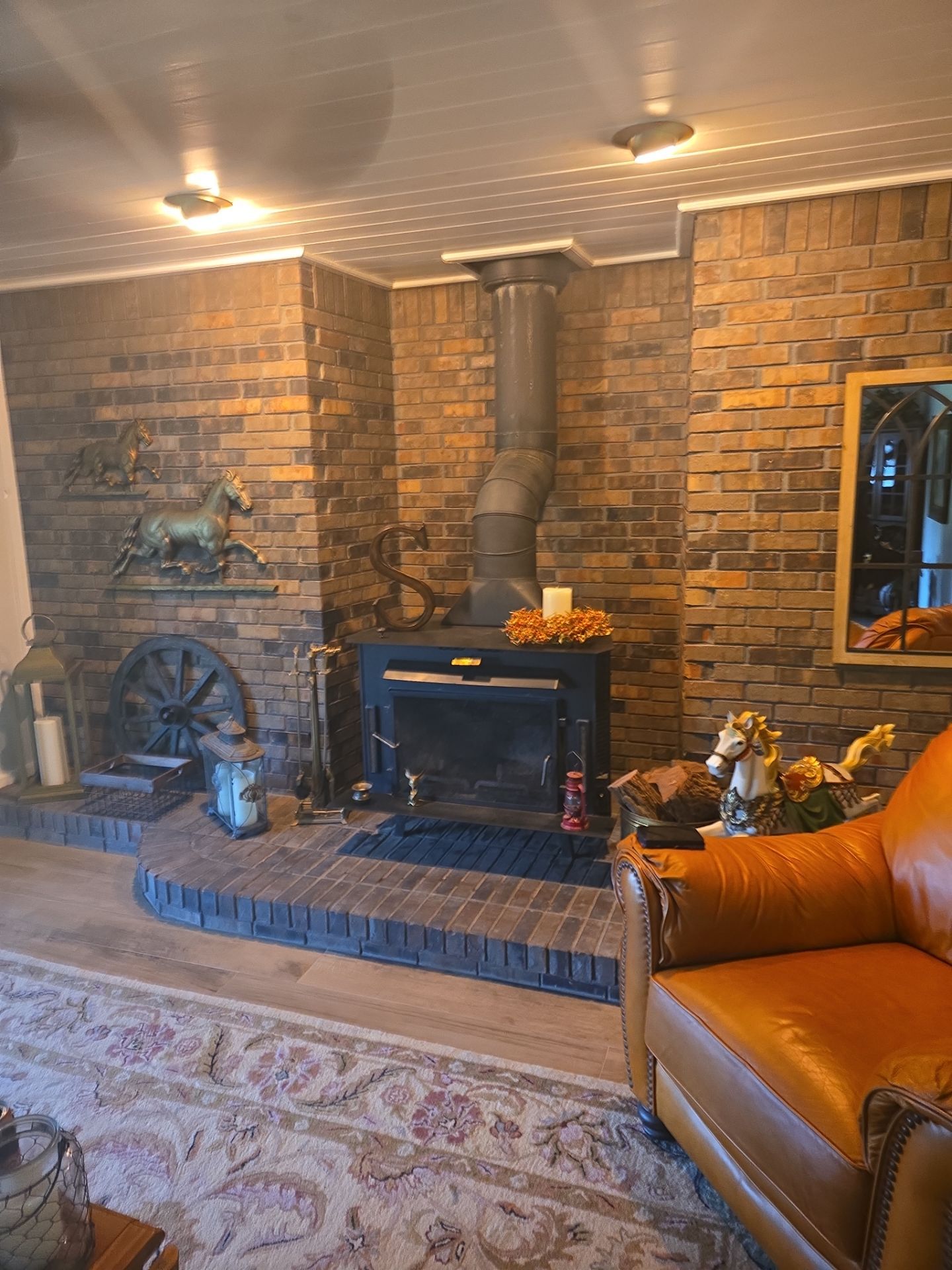
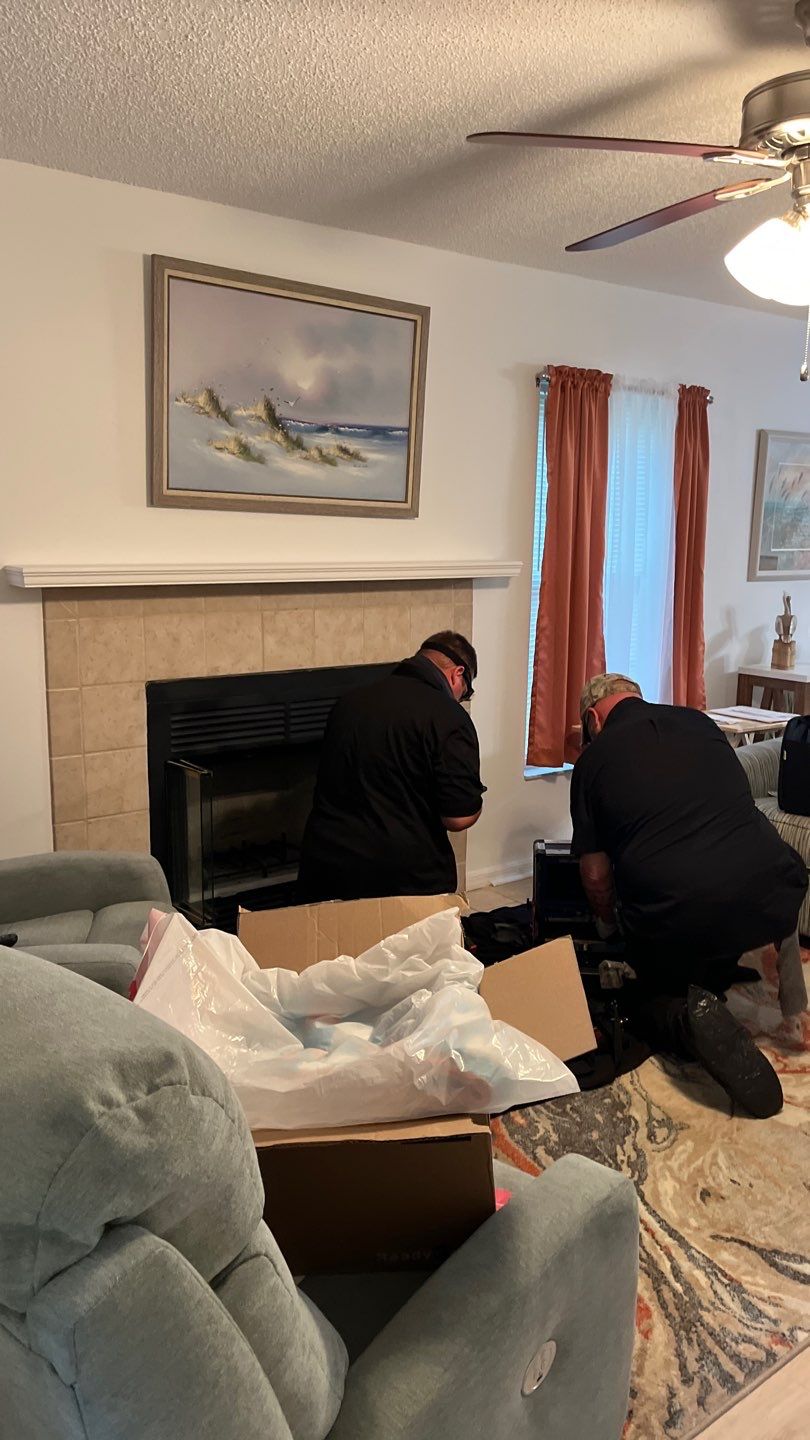
Fireplaces are one of the most loved features in North Central Florida homes, but they’re also one of the most misunderstood. Many homeowners assume a fireplace that looks fine on the outside is safe to use, when hidden creosote, cracked flues, or gas leaks can turn a cozy evening into a real hazard. The direct answer: fireplaces are safe and efficient only when they’re matched to your home, installed to code, and inspected regularly by a licensed technician.
We’ve serviced thousands of chimneys and fireplaces across Marion County since 1982, and the pattern never changes — the fireplaces that cause problems are the ones nobody looked at in years. This guide walks through the types available, how to choose between gas and wood, the warning signs that mean it’s time to call a pro, and what a real inspection involves. Whether you’re in Ocala, Dunnellon, or The Villages, the safety fundamentals are the same.
📌 Key Takeaways
- Gas, wood burning, wood stove, electric, and water vapor fireplaces each suit different homes and lifestyles.
- Creosote buildup is the leading cause of chimney fires, according to the National Fire Protection Association.
- Annual inspection by a CSIA-certified technician catches problems before they become emergencies.
- Never use an unlicensed crew — ask for a Florida contractor license number before any work begins.
- A written ZERO Mess Guarantee means your home is protected during every service visit.
Jump to a section:
- See the Main Fireplace Types
- Compare Gas vs. Wood Options
- Follow Year-Round Safety Habits
- Spot Warning Signs Early
- Know What an Inspection Includes
- Read Homeowner FAQs
What Are the Main Types of Fireplaces?
Quick Answer: Ocala homeowners typically choose between gas, wood burning, wood stove, electric, or water vapor fireplaces, each with different maintenance needs. The right choice depends on how often you’ll use it and how much upkeep you want to handle.
Gas Fireplaces
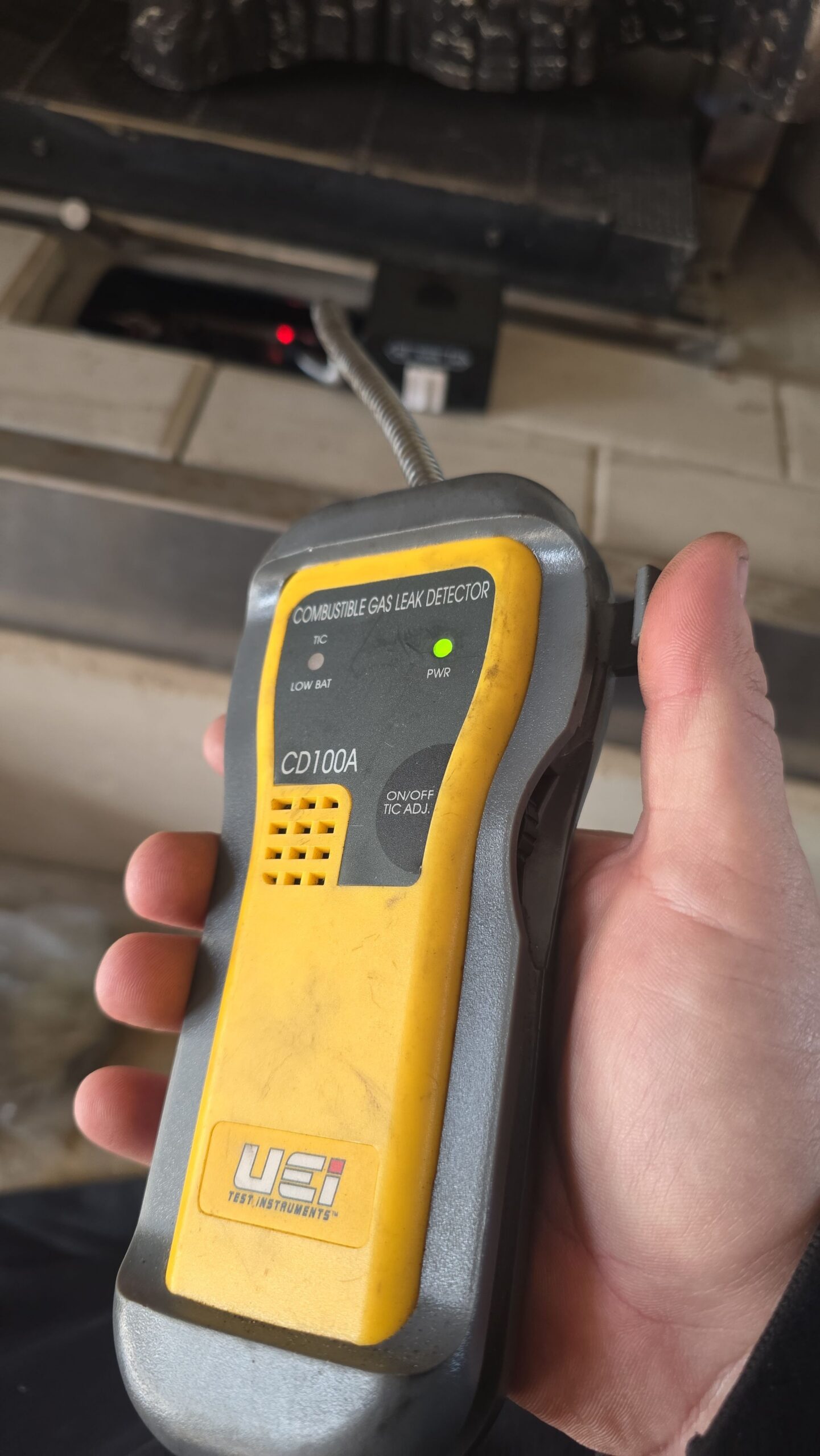
Gas fireplaces light with a switch or remote and burn cleaner than wood. They still need a working gas line, a sound venting system, and yearly checks by a Category V gas-certified technician. Our team holds Certified Category V Gas License LI45277, which covers exactly this kind of work.
Wood Burning and Wood Stove Fireplaces
Wood burning units provide the classic crackle many Florida transplants miss from up north. They demand the most attention because creosote, a flammable tar-like residue, builds up inside the flue every time wood burns. Wood stoves are more efficient but still require the same flue inspections as open wood burning fireplaces.
Electric and Water Vapor Fireplaces
Electric fireplaces need no venting at all, making them the simplest option for condos, rentals, or homes without an existing chimney. Water vapor units create a realistic flame effect using ultrasonic mist and LED light, with none of the combustion risk tied to gas or wood. Both are popular with Villages and Lake Nona area homeowners who want ambiance without maintenance.
✅ Quick Tip: If you’re unsure which fireplace style fits your home, a free design consultation can walk you through the pros and cons before you commit to anything.
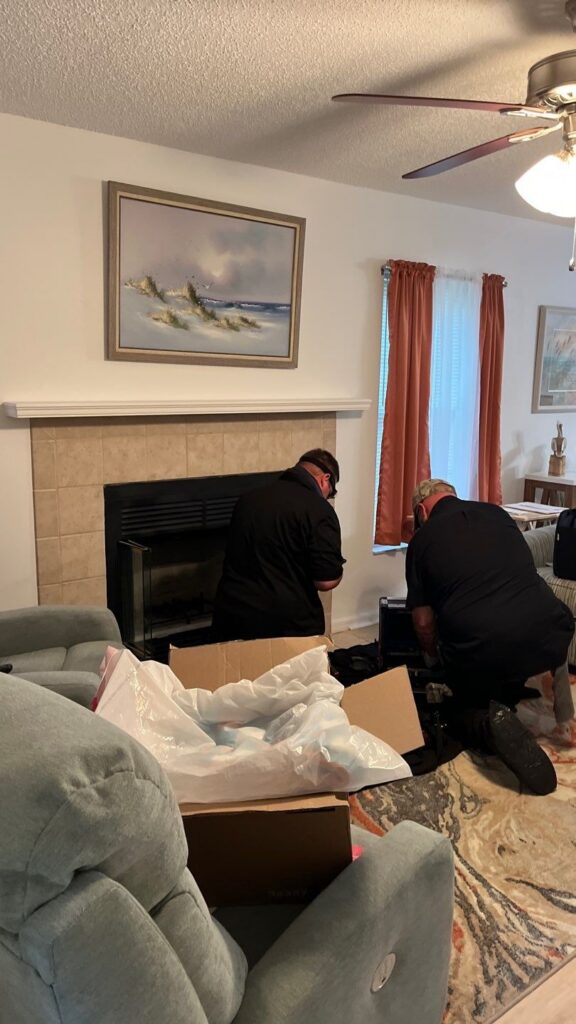
Gas vs. Wood Burning Fireplaces: Which Fits Your Ocala Home?
Quick Answer: Gas fireplaces suit homeowners who want convenience and lower maintenance, while wood burning fireplaces suit those who value tradition and don’t mind annual sweeping. Both can be done right with a licensed install and routine inspection.
Comparing the Two Options
Gas units start instantly and shut off completely, which matters for older homeowners or anyone managing a home they don’t use year-round, common in Marion County’s retiree communities. Wood burning fireplaces, by contrast, require stacked fuel, more hands-on tending, and more frequent sweeping to clear creosote.
| Factor | Gas Fireplace | Wood Burning Fireplace |
|---|---|---|
| Startup | Instant, remote or switch | Requires kindling and time |
| Maintenance | Annual gas line & venting check | Annual sweep to remove creosote |
| Venting | Dedicated gas flue or direct vent | Masonry or metal chimney |
| Best for | Low-maintenance comfort | Traditional ambiance, frequent use |
| Common risk | Gas leaks if unmaintained | Chimney fires from creosote |
⚠️ Common Mistake: Homeowners sometimes assume a gas fireplace never needs inspection because there’s no visible soot. Gas lines, igniters, and venting still need a yearly check to rule out leaks.
If you already have an older wood burning fireplace and you’re weighing a switch, our gas fireplace installation cost guide breaks down what’s involved before you decide. Many homeowners converting for a home sale or HOA requirement in Dunnellon and Ocala start there.
How Do You Keep Fireplaces Safe Year-Round?
Quick Answer: Safe fireplaces depend on three habits: annual professional inspection, prompt repair of cracks or damper issues, and never skipping a sweep before the first cold snap. Florida’s humidity adds its own wrinkles to standard fireplace care.
Why Florida’s Climate Complicates Things
Our humidity encourages moisture intrusion into masonry chimneys, which can crack the chimney crown and let water reach the firebox. Combined with short bursts of heavy fireplace use during October through January cold snaps, that moisture damage often goes unnoticed until a real repair is needed. According to the U.S. Environmental Protection Agency, properly maintained wood-burning appliances also produce less particulate pollution, which matters for households with respiratory concerns.
A Seasonal Safety Routine
- Schedule a professional inspection before the first cold snap of the season.
- Clear the area around the hearth of furniture, rugs, and decorations.
- Test the damper to confirm it opens and closes fully.
- Check the chimney cap and crown for cracks or gaps after summer storms.
- Book a sweep if it’s been more than a year since the last cleaning.
💡 Expert Insight: We’re Florida’s Most Certified team, holding two state licenses and six national certifications, including CSIA Certified Chimney Sweep #10020. That depth of training is what catches the problems a quick glance misses.
What Are the Warning Signs Fireplaces Need Attention?
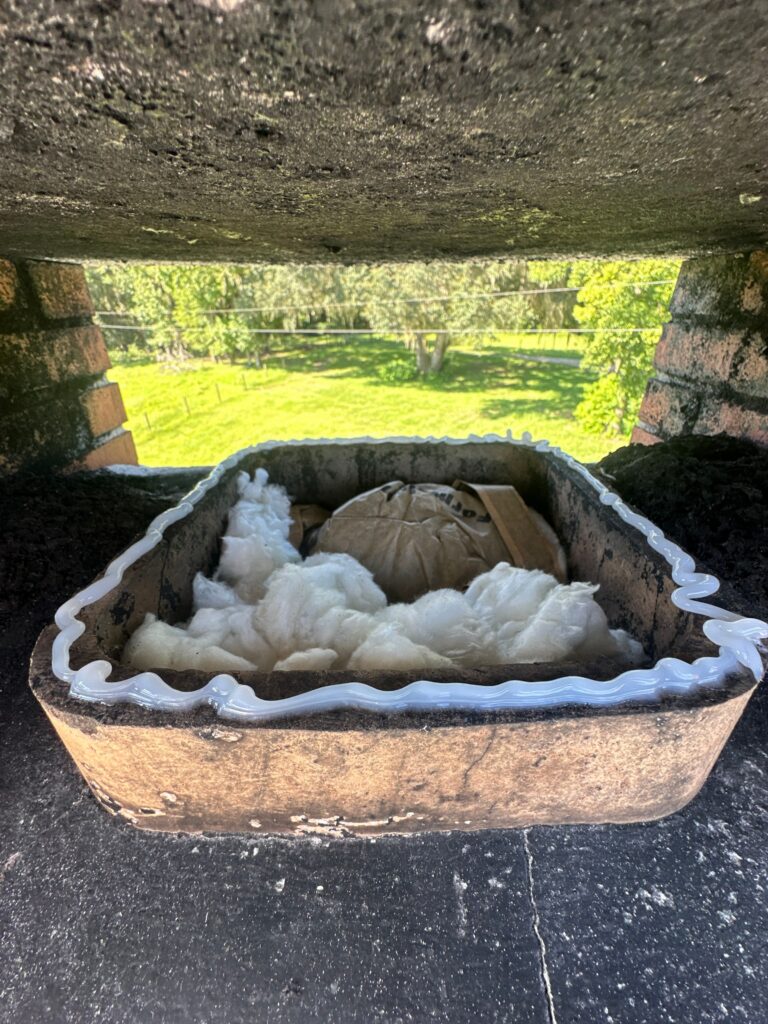
Quick Answer: A smoky smell when the fireplace is off, a pilot light that won’t stay lit, or visible cracks in the firebox all mean it’s time to call a licensed technician. Ignoring these signs risks fire, carbon monoxide, or a failed home inspection.
Symptom-to-Action Guide
| Symptom | Likely Cause | Recommended Action |
|---|---|---|
| Smoky odor between fires | Creosote buildup or damper leak | Schedule a sweep and inspection |
| Fireplace won’t light | Gas valve, igniter, or pilot issue | Call a Category V gas-certified tech |
| White staining on bricks | Efflorescence from water intrusion | Have the crown and cap assessed |
| Rust on firebox or damper | Chronic moisture exposure | Request a damper repair evaluation |
| Agent flags it before closing | Deferred maintenance or past repairs | Get a documented inspection report |
When It’s a Bigger Problem
Sometimes what looks like a simple fix, like a damper that won’t close, points to a cracked crown letting water in from above. Our cracked chimney crown repair guide covers exactly how that damage develops. Trade partners, including real estate agents and builders across Marion County, often call us in when a deal is on the line and documentation is needed fast.
📊 Data Point: The National Fire Protection Association reports that failure to clean is the leading contributing factor in home heating fires, underscoring why routine chimney and fireplace service isn’t optional.
What Happens During a Professional Fireplace Inspection?
Quick Answer: A professional inspection checks the firebox, flue, damper, gas lines or venting, and exterior masonry, then documents findings in writing. That paperwork is often exactly what closings, insurance renewals, and HOAs require.
Inside the Firebox and Flue
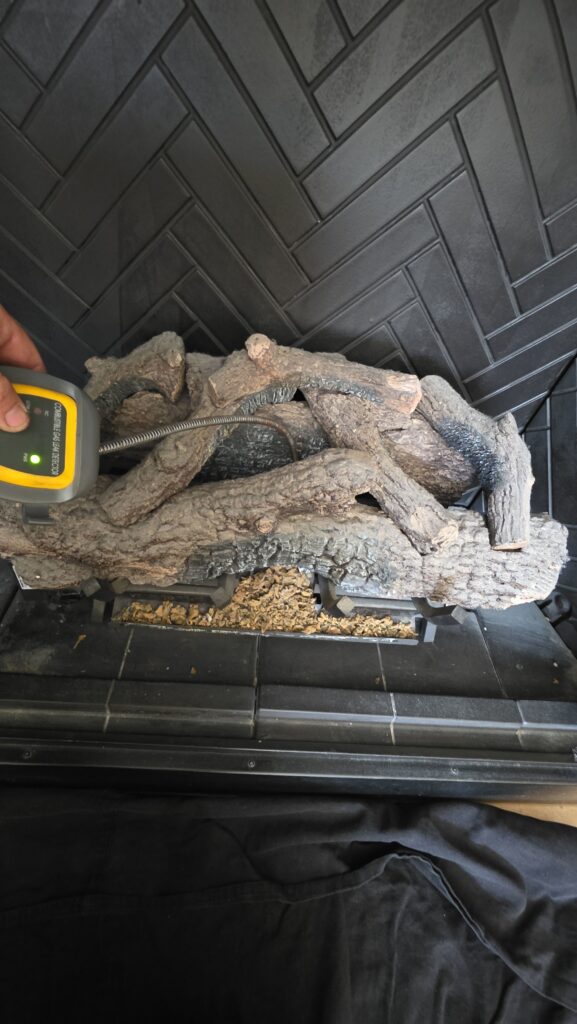
A certified technician examines the firebox lining, the damper function, and the flue interior for creosote glaze or cracks. For gas units, that includes testing the gas line connections and venting for leaks using proper equipment, not guesswork.
Documentation You Can Use
Every visit includes a written report, which matters most when you’re selling a home, settling an insurance question, or satisfying an HOA request to address a fireplace or propane tank. We tarp floors, HEPA vacuum debris, and remove every trace of soot under our written ZERO Mess Guarantee, so your home looks untouched afterward.
✅ Quick Tip: Keep inspection reports with your home records. Buyers, agents, and insurers across Ocala and The Villages increasingly ask for them upfront.
If your fireplace shares a chase with a propane system, it’s also worth confirming tank placement meets Florida code; our propane tank placement guide explains the setback rules HOAs often reference.
Fireplaces FAQ
How often should fireplaces be inspected in Florida?
Most fireplaces should be inspected once a year, ideally before the first cold snap in October or November. Florida’s humidity accelerates masonry wear, so annual checks catch moisture damage before it spreads.
Can gas fireplaces be used without a chimney?
Some gas fireplaces use direct venting through an exterior wall instead of a traditional chimney, while ventless models burn without external venting at all. A licensed Category V gas technician can confirm which setup is safe for your specific home.
Why does my fireplace smell smoky even when it’s not in use?
A lingering smoky odor usually means creosote has built up inside the flue or the damper isn’t sealing properly. This is one of the most common reasons homeowners schedule a sweep and inspection together.
Are wood burning fireplaces still allowed in Ocala and Marion County?
Yes, wood burning fireplaces remain common and legal throughout Marion County, Dunnellon, and surrounding areas, provided they’re installed and maintained to code. Some HOAs in communities like The Villages do have their own restrictions worth checking.
What’s the difference between electric and water vapor fireplaces?
Electric fireplaces use LED light and a heating element behind a glass panel, while water vapor units create a true-to-life flame illusion using ultrasonic mist. Neither requires venting, making both low-maintenance alternatives to gas or wood fireplaces.
How do I know if my chimney is safe for my wood burning fireplace?
A safe chimney has an intact crown, a clear flue free of heavy creosote, and a damper that opens and closes fully. The only reliable way to confirm all three is a hands-on inspection by a certified chimney technician.
Do fireplaces affect a home sale or insurance renewal in Florida?
Yes, agents and insurers increasingly request documentation that fireplaces and chimneys have been inspected and are in good condition. A written report from a licensed technician can resolve concerns before they delay a closing or renewal.
Final Thoughts
Fireplaces add genuine comfort and value to a Florida home, but only when they’re matched to the house and kept up on schedule. Between gas, wood burning, wood stove, electric, and water vapor options, there’s a safe fit for nearly every homeowner in Ocala, Dunnellon, and The Villages. The fastest way to protect your home is documentation from a licensed team, not guesswork.
- Identify which fireplace type matches your home and how often you’ll use it.
- Schedule a professional inspection before the next cold snap arrives.
- Address any warning signs, cracks, or odors right away.
- Keep written inspection reports on file for insurance, HOA, or resale needs.
Always Fire & Gas holds Florida Contractor License CRC1333200 and Certified Category V Gas License LI45277, backed by six national certifications and a written ZERO Mess Guarantee. When others say they can’t, we show up and get it done right. Call or text (352) 282-0158 to schedule your fireplace inspection today.