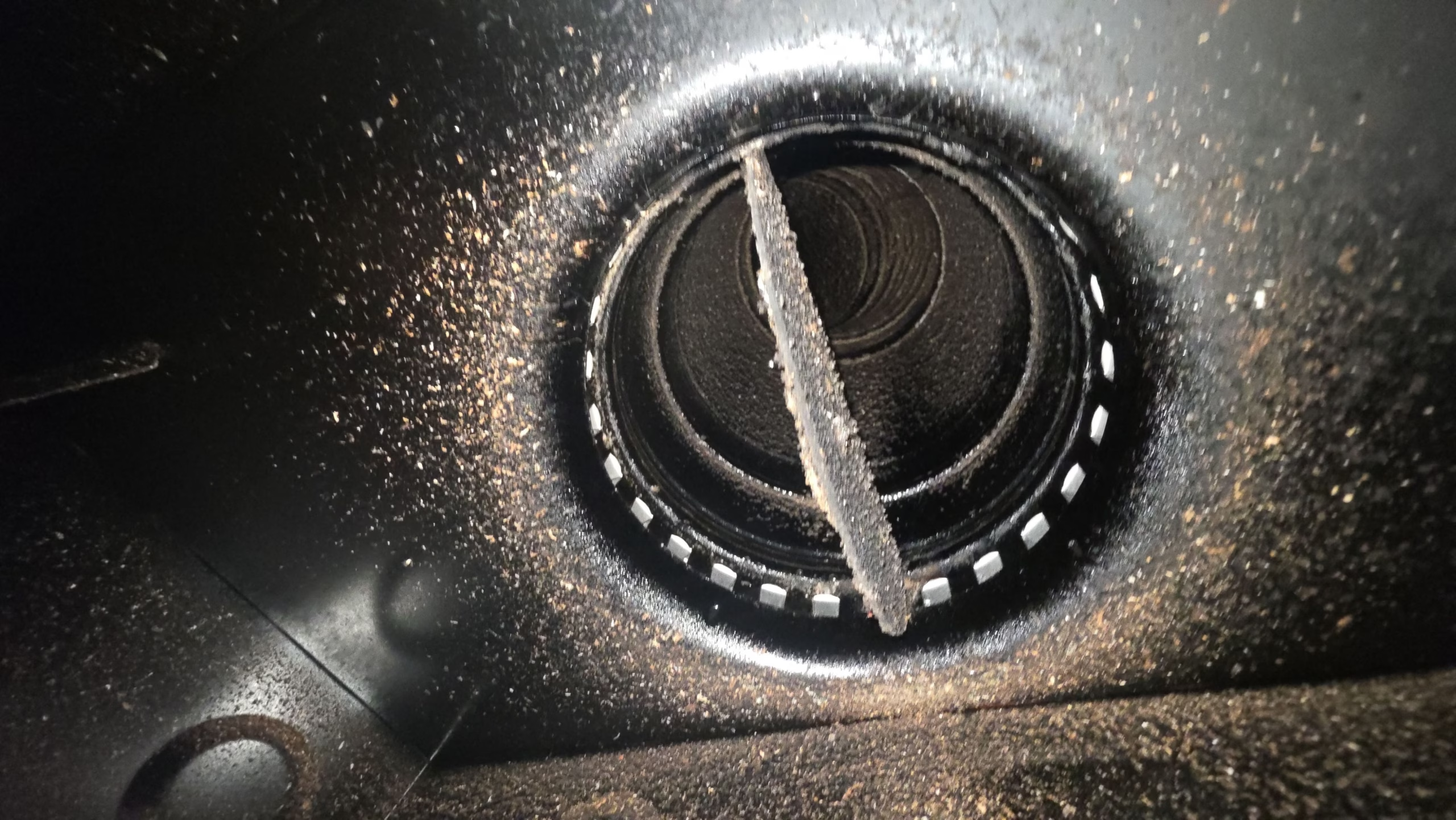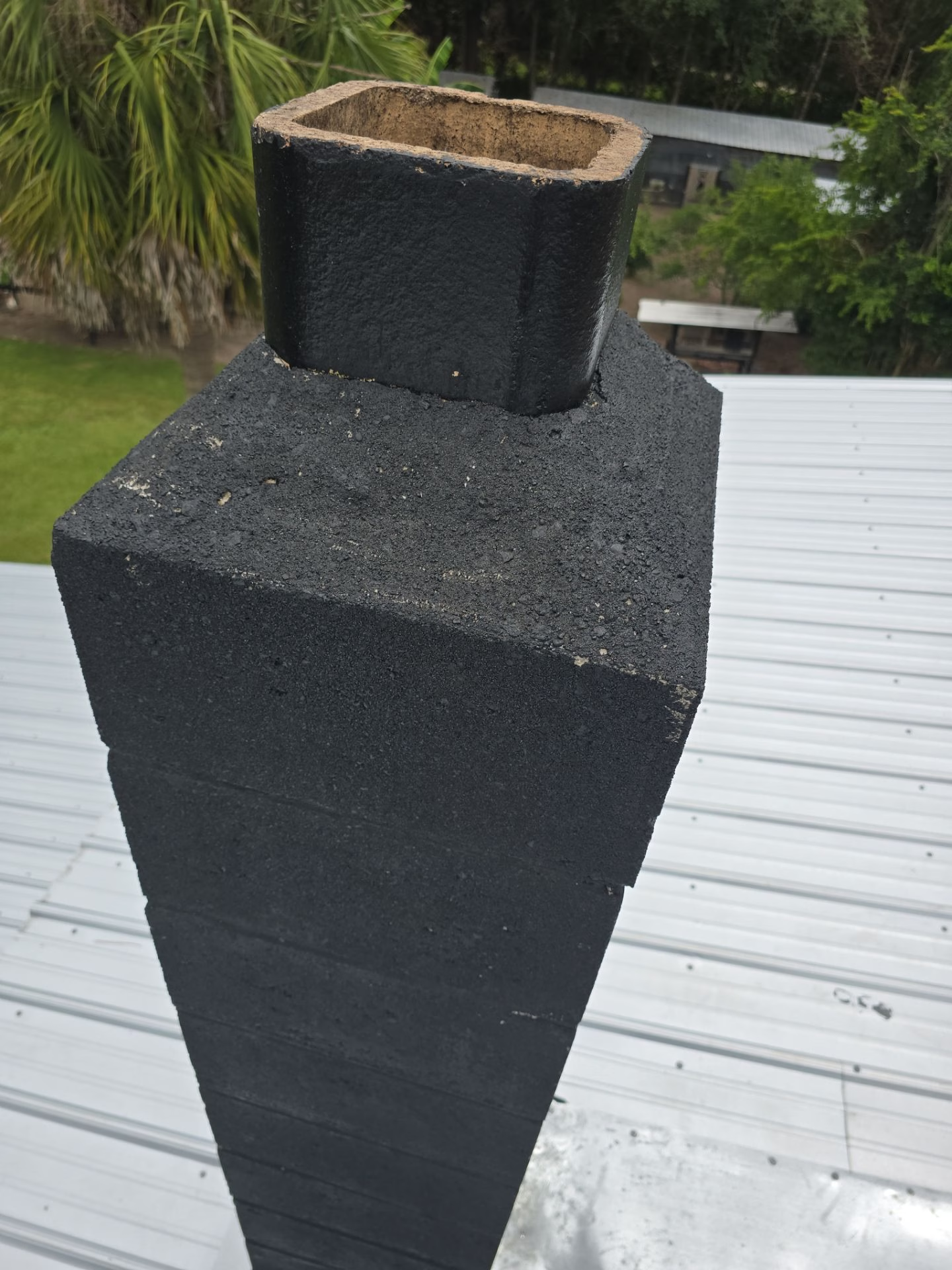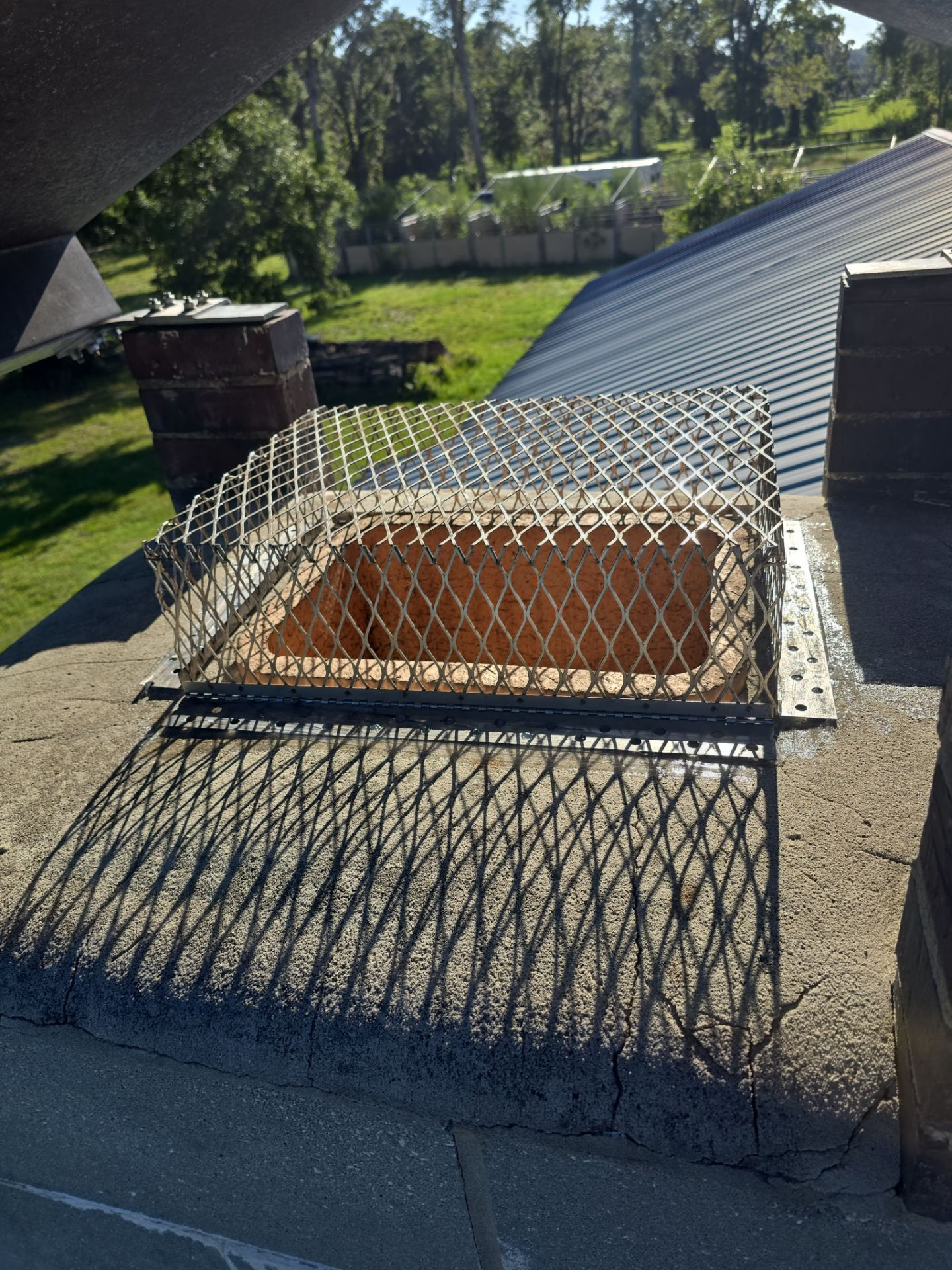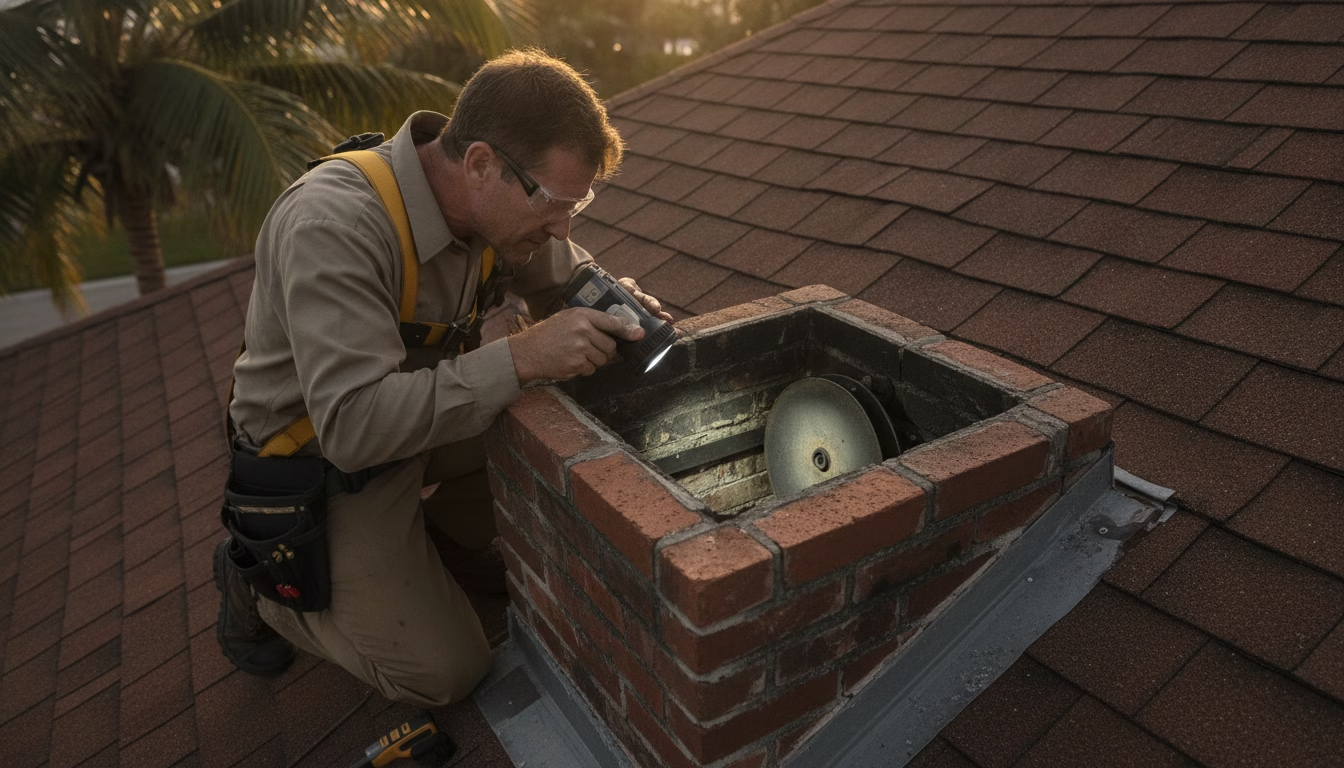
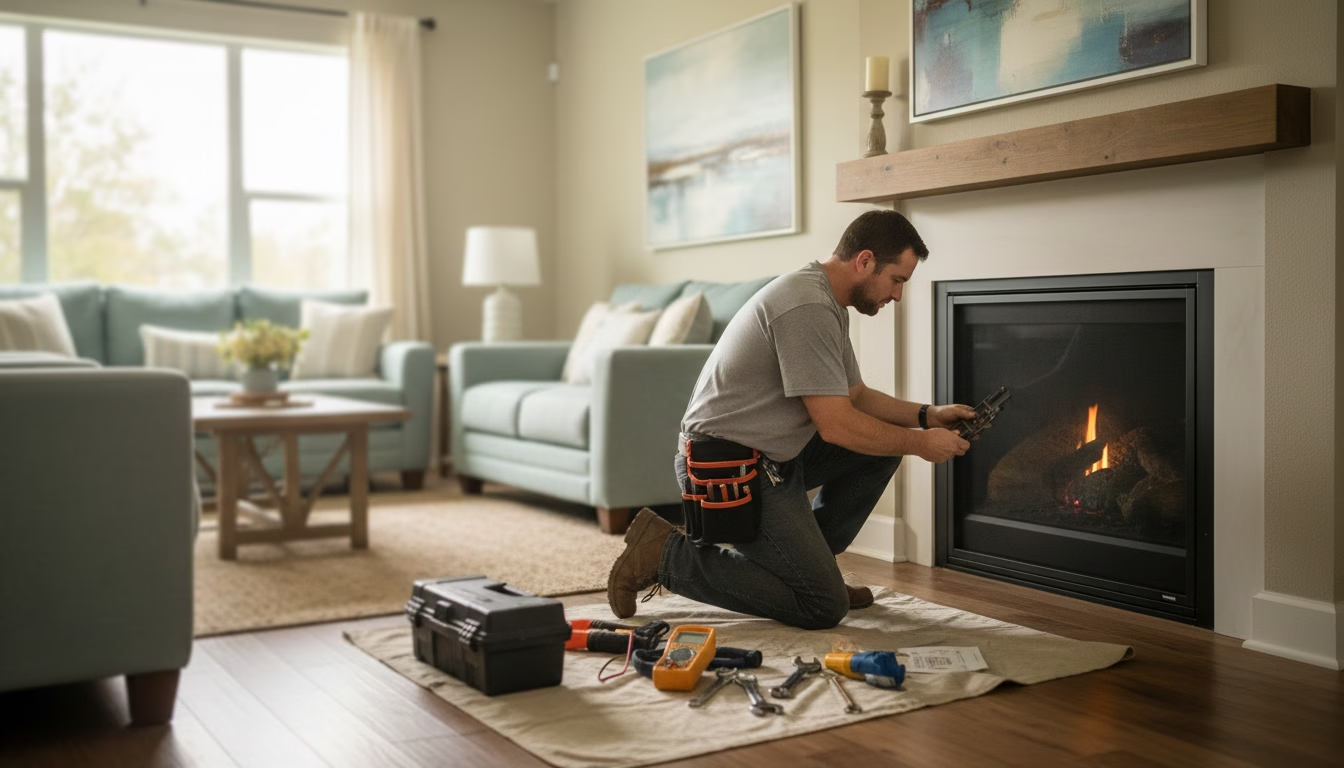
Fireplace repair Crystal River FL homeowners can trust starts with knowing the difference between a cosmetic annoyance and a genuine safety hazard. A fireplace that smells like gas, won’t stay lit, or leaves soot streaks above the mantel needs a licensed technician, not a wait-and-see approach. Ignoring small issues almost always turns a simple fix into a costly rebuild.
Many homeowners near the Crystal River waterfront assume a fireplace that "still works" is a fireplace that’s still safe. That’s a misconception we hear often, and it’s one reason chimney fires and carbon monoxide incidents still happen every winter across Florida. This guide walks through the warning signs, what a professional repair visit actually involves, and how to keep your hearth safe for years to come.
📌 Key Takeaways
- A gas smell or pilot light that won’t hold means shut it down and call a Category V gas-certified technician immediately.
- Cracked mortar, rust, or white staining (efflorescence) around the firebox signals moisture damage that worsens fast.
- Annual inspections catch 90% of costly problems while they’re still minor and inexpensive to fix.
- Wood, gas, and electric fireplaces each fail differently — the repair approach isn’t one-size-fits-all.
- Never restart a fireplace after a suspected chimney fire without a full inspection first.
Jump to a section:
- Spot Common Fireplace Problems Early
- Know the Warning Signs That Mean Stop Using It
- Compare Repair Needs by Fireplace Type
- See What a Professional Repair Visit Involves
- Weigh DIY vs Professional Repair
- Prevent Future Fireplace Problems
- Read Frequently Asked Questions
Spot Common Fireplace Problems Early
Quick Answer: Most fireplace failures trace back to moisture, worn gaskets, or blocked venting. Catching these early keeps repairs simple and inexpensive.
Crystal River’s humid, coastal air is tough on masonry and metal fireboxes alike. Salt-laden moisture accelerates rust on gas valves and corrodes damper hinges faster than in drier inland areas. We’ve serviced waterfront homes where a fireplace looked fine on the surface but had significant hidden corrosion behind the firebox panel.
Wood-Burning Fireplace Wear
Creosote buildup, cracked firebrick, and damaged dampers are the top three issues we find in older wood-burning fireplaces. According to the Chimney Safety Institute of America, creosote is a major contributor to residential chimney fires when sweeping is neglected. A wood burning fireplace that hasn’t been swept in over a year should be inspected before the next use.
Gas Fireplace Glitches
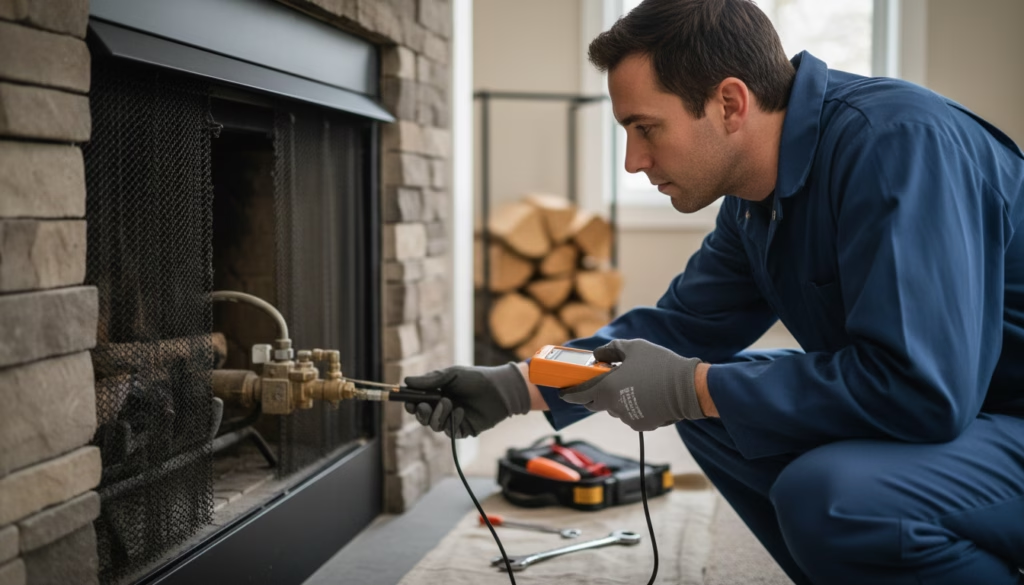
Gas units fail differently — pilot lights that won’t hold, thermocouple wear, or a faint sulfur smell are the usual culprits. Any suspected leak calls for an immediate gas leak inspection before the unit is used again. A gas fireplace repair visit typically starts with a full pressure and combustion check.
⚠️ Common Mistake: Homeowners often try to relight a gas pilot repeatedly instead of calling a technician. Repeated relighting attempts can mask a bigger safety issue, like a cracked heat exchanger.
Know the Warning Signs That Mean Stop Using It
Quick Answer: A gas odor, dark smoke stains, or a damper that won’t seal are all signs to stop using the fireplace and call a licensed technician right away.
Some symptoms are obvious, like visible flames escaping the firebox opening. Others are subtle, such as a faint metallic smell or a slight headache after an evening by the fire — a possible sign of carbon monoxide exposure. The EPA notes that indoor combustion appliances should always vent properly to avoid CO buildup.
| Symptom | Likely Cause | Recommended Action |
|---|---|---|
| Gas smell near unit | Loose fitting or valve leak | Shut off gas, call a Category V certified tech |
| Won’t stay lit | Worn thermocouple or pilot assembly | Schedule gas fireplace repair |
| White staining on brick | Moisture intrusion (efflorescence) | Chimney inspection needed |
| Smoke backs into room | Blocked flue or bad damper | Damper and flue inspection |
| Cracks in firebox panel | Age, heat stress, or settling | Masonry or panel repair |
💡 Expert Insight: As a Certified Master Chimney Technician, I always tell homeowners that soot streaks above the mantel are rarely just cosmetic — they usually point to a draft problem that needs a closer look.
When It’s a Chimney Issue, Not the Fireplace Itself
Sometimes the firebox is fine, but the chimney above it is the real problem. Cracked crowns, deteriorated flue liners, or a stuck damper can all mimic a fireplace malfunction. A full chimney inspection is the only way to know for sure which component needs attention.
Compare Repair Needs by Fireplace Type
Quick Answer: Wood, gas, electric, and water vapor fireplaces each have distinct failure points, so the right fix depends entirely on the unit type.
We service all four types across Citrus and Marion counties, and homeowners are often surprised how different the repairs are. An electric fireplace repair usually involves wiring or heating element issues, while a water vapor fireplace problem often traces back to the ultrasonic humidifier unit.
Table: Fireplace Type vs Typical Repair
| Fireplace Type | Common Failure | Typical Fix |
|---|---|---|
| Wood-burning | Creosote buildup, cracked firebrick | Sweep, reline, or rebuild firebox |
| Gas | Pilot/thermocouple failure, gas odor | Valve service, leak inspection |
| Electric | Heating element or wiring fault | Component replacement |
| Water vapor | Ultrasonic unit malfunction | Unit diagnostic and repair |
| Wood stove | Gasket wear, flue creosote | Gasket replacement, sweep |
📊 Data Point: The National Fire Protection Association reports that heating equipment, including fireplaces and chimneys, is a leading cause of residential home fires each winter, according to the NFPA.
See What a Professional Repair Visit Involves
Quick Answer: A proper visit includes a visual inspection, function test, and a written explanation of findings before any repair work begins.
When we arrive at a home for fireplace repair, the process is methodical, not guesswork. Here’s what homeowners can expect from a licensed technician:
- Visual inspection of the firebox, flue, and surrounding masonry or framing.
- Function testing of the damper, pilot assembly, or electric components.
- Gas pressure and leak testing for any gas-fed unit.
- A written summary of findings with photos, before any repair begins.
- The repair itself, followed by a final safety test and walkthrough.
Why Licensing and Certification Matter
Fireplace and chimney work touches both fire safety and combustion gas, so credentials matter more than most homeowners realize. Our team holds a Florida Contractor License (CRC1333200) and a Certified Category V Gas License (LI45277), along with CSIA and NFI certifications across the crew. You can verify contractor licensing status directly through Florida’s DBPR before hiring anyone for gas or chimney work.
✅ Quick Tip: Ask any technician for their license and certification numbers before they start work — a reputable company will hand them over without hesitation.
Weigh DIY vs Professional Repair
Quick Answer: Cleaning glass doors or vacuuming ash is fine for homeowners, but anything touching gas lines, dampers, or masonry belongs to a licensed pro.
I’ve seen well-meaning homeowners cause bigger problems trying to save a weekend — over-tightening a gas fitting, or caulking a crack that actually needed a full masonry rebuild. Some tasks are genuinely safe for a homeowner; others carry real risk.
Table: DIY-Safe vs Pro-Only Tasks
| Task | DIY-Safe? | Notes |
|---|---|---|
| Cleaning glass doors | Yes | Use non-abrasive cleaner only |
| Vacuuming visible ash | Yes | Only when fully cooled |
| Tightening gas fittings | No | Requires certified gas technician |
| Repairing cracked firebrick | No | Structural and heat-safety concern |
| Damper adjustment or repair | No | Improper seal risks CO buildup |
| Chimney crown cracks | No | Moisture intrusion worsens quickly |
If a crack, leak, or persistent odor shows up, that’s the line where DIY stops. A quick call for a professional fireplace repair visit is always cheaper than repairing damage caused by a well-intentioned but risky fix.
Prevent Future Fireplace Problems
Quick Answer: Annual inspections, prompt leak response, and moisture control are the three habits that prevent most fireplace repair calls.
Homes throughout Crystal River, Homosassa, Inverness, Dunnellon, and Floral City share a common enemy: humidity. Moisture works into masonry joints and metal components year-round, which is why we recommend an annual chimney and fireplace check before cooler weather arrives each fall.
Watch for Chimney-Related Moisture Damage
Chimney leaks are one of the sneakiest causes of fireplace trouble, since water often travels far from where it enters. Left unchecked, it can lead to chimney leaks causing mold growth inside wall cavities near the firebox. If your home’s air conditioning system seems to pull smoky odors into the room, that’s often related to pressure imbalance — a problem we cover in detail on our page about why an AC system can make a fireplace smell worse.
💡 Expert Insight: In my experience working across Citrus and Marion counties, homes closest to the water need chimney caps and crown sealant checked every single year, not every few years.
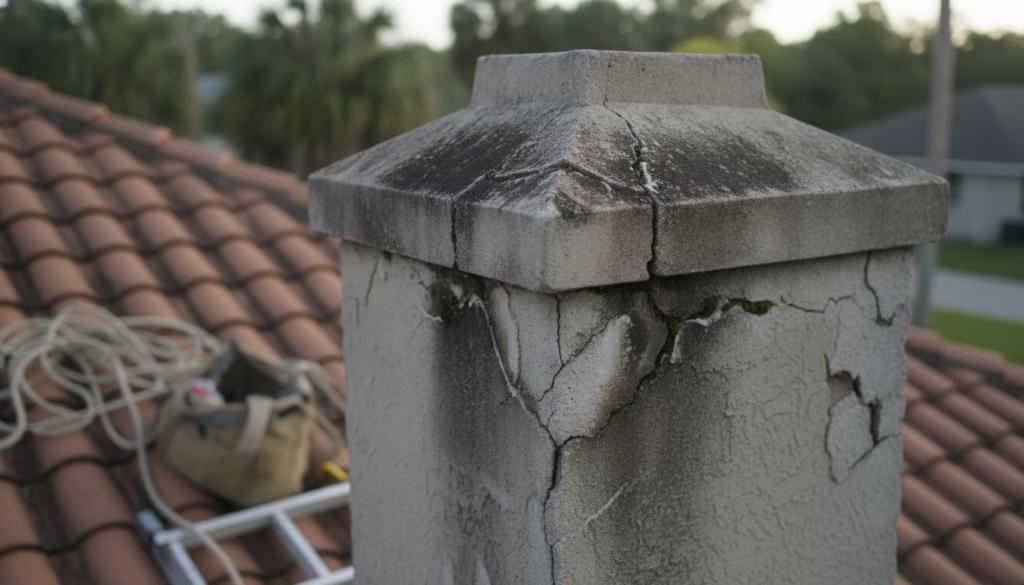
Our licensed and certified team also serves nearby communities including Gainesville, Ocala, Brooksville, and Wildwood, so the same seasonal advice applies broadly across the region. If it’s been more than a year since your last check, now is the time to book one before the first cool front rolls in.
Frequently Asked Questions
How much does fireplace repair cost in Crystal River FL?
Costs vary widely depending on whether the issue is a simple pilot assembly replacement or a full masonry rebuild. A technician can only give an accurate number after a hands-on inspection, since hidden damage is common in coastal homes.
Is it safe to use a fireplace that smells like gas?
No — shut off the gas supply immediately and leave the area if you smell gas near a fireplace. Call a Category V gas-certified technician right away rather than attempting to diagnose it yourself.
How often should a gas fireplace be inspected?
Most manufacturers and safety organizations recommend an annual inspection before the heating season begins. Homes near the Crystal River waterfront may need more frequent checks due to higher humidity exposure.
Can an electric fireplace be repaired, or does it need replacing?
Many electric fireplace issues, like a faulty heating element or wiring fault, are repairable rather than requiring full replacement. A diagnostic visit determines whether a component swap or a new unit makes more sense.
What’s the difference between a chimney sweep and fireplace repair?
A chimney sweep removes creosote and debris from the flue, while fireplace repair addresses the firebox, gas components, or structural issues. Many service visits include both since they’re closely related.
Why does my fireplace only smoke when the AC is running?
This usually points to negative air pressure in the home competing with the chimney for makeup air. It’s a common issue in tightly sealed modern homes and is worth a professional look rather than ignoring it.
Do you offer fireplace repair near Crystal River FL or just chimney service?
We provide full fireplace repair alongside chimney and gas services across Crystal River and the broader Citrus County area. Our technicians handle gas, wood-burning, electric, and water vapor units under one licensed team.
Final Thoughts
Fireplace repair Crystal River FL homeowners need isn’t just about restoring a cozy flame — it’s about protecting the home from fire risk, gas leaks, and hidden moisture damage. The signs are usually there long before a real problem develops, from a stubborn pilot light to a faint gas odor. Catching them early, with a licensed and certified technician, keeps small issues from becoming expensive ones.
Next steps:
- Note any warning signs you’ve noticed — smell, smoke, or staining.
- Turn off the gas supply if you suspect a leak, and avoid using the unit.
- Schedule a full inspection before the next cold front arrives.
- Ask your technician for license and certification numbers up front.
Our team holds Florida Contractor License #CRC1333200 and Certified Category V Gas License #LI45277, backed by CSIA and NFI certifications. If your fireplace is showing any of these warning signs, schedule a fireplace inspection with our licensed Crystal River team today.