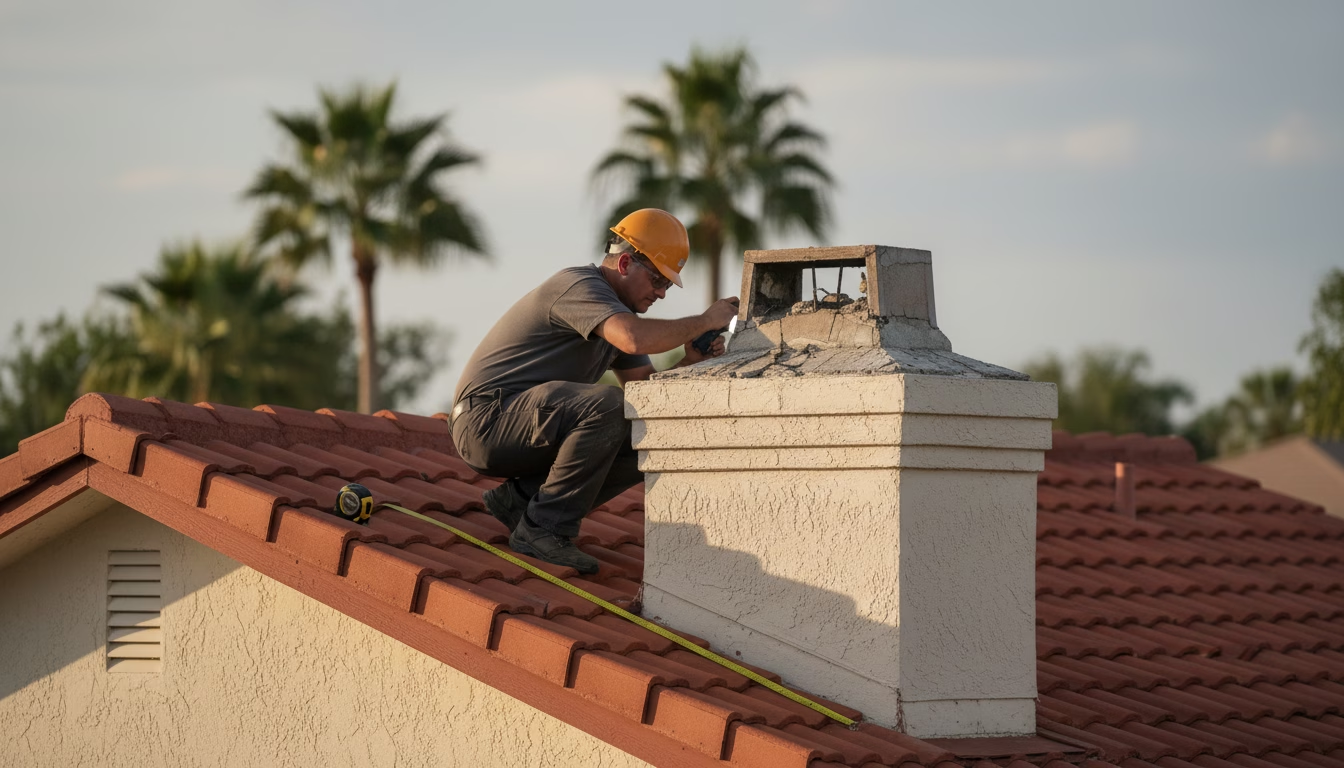
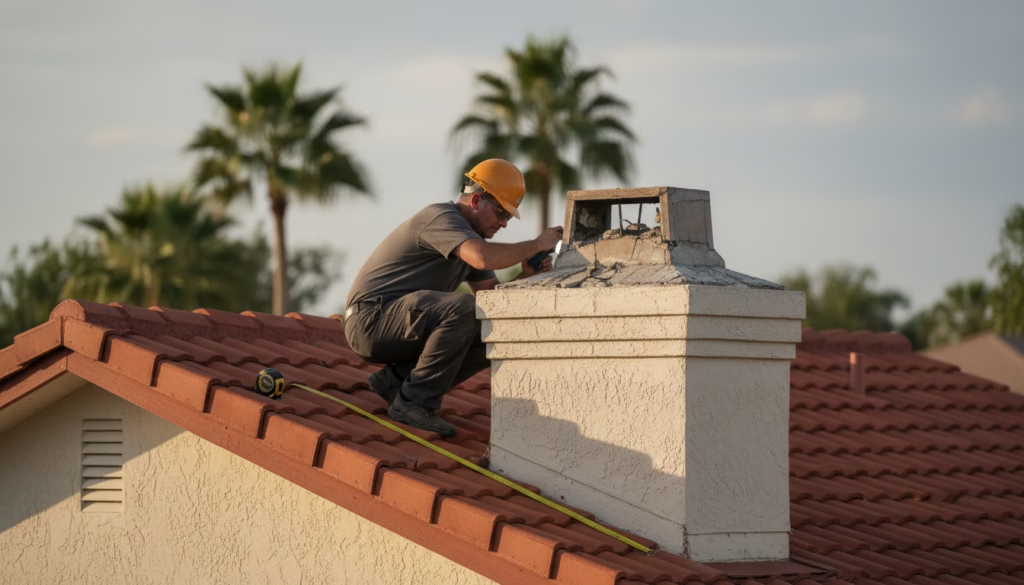
Chimney repair old field homeowners search for usually starts with a simple clue: a water stain, a loose brick, or smoke that won’t draft right. The good news is most chimney problems in this part of Florida are fixable when caught early, and a licensed technician can usually diagnose the issue in a single visit. Humidity, heavy rain, and seasonal freeze-thaw swings all take a toll on masonry chimneys here, which is why routine checkups matter more than most homeowners realize.
📌 Key Takeaways
- Rust-colored stains, flaking mortar, or a leaning cap almost always mean water is getting into the chimney system.
- Small cracks in a chimney crown left untreated can lead to full masonry rebuilds within a few seasons.
- A licensed chimney repair contractor should inspect flue liners, dampers, and flashing every year, not just the visible brick.
- DIY patching often traps moisture instead of solving it — professional waterproofing and repair last far longer.
- Central Florida’s humidity and storm patterns mean chimney caps and chase covers need more frequent checks than in drier climates.
Jump to a Section
- Warning Signs You Need Chimney Repair
- Common Chimney Repair Old Field Homeowners Request
- DIY vs. Professional Chimney Repair
- What a Chimney Repair Contractor Inspects
- Repair Timing and Seasonal Care
- Serving Old Field and Nearby Communities
- FAQ
Warning Signs You Need Chimney Repair
Quick Answer: Water stains, crumbling mortar, a wobbly cap, or a smoky-smelling fireplace are the clearest signals that a chimney needs professional attention soon. Ignoring these signs almost always increases the scope — and the disruption — of the eventual fix.
Chimneys take a beating in Central Florida. Between summer downpours, high humidity, and the occasional cold front, masonry and metal components are constantly expanding and contracting. That movement is normal, but over years it opens tiny gaps that water exploits.
Visible Damage Versus Hidden Damage
Some damage is obvious — a cracked chimney crown, spalling brick, or a missing cap. Other issues hide inside the flue or behind the chase cover, which is why a visual glance from the ground isn’t a real inspection. According to the Chimney Safety Institute of America, most house fires linked to chimneys stem from creosote buildup or structural deterioration that went unnoticed for years.
⚠️ Common Mistake: Homeowners often assume a chimney is fine if smoke draws normally. A functioning draft doesn’t rule out a cracked liner or a rusted damper — those problems develop quietly.
Common Chimney Repair Old Field Homeowners Request
Quick Answer: The most frequent calls we get involve crown cracks, deteriorated flashing, damaged caps, and leaning or leaning masonry chimneys — all tied to long-term moisture exposure. Each has a different repair path depending on severity.
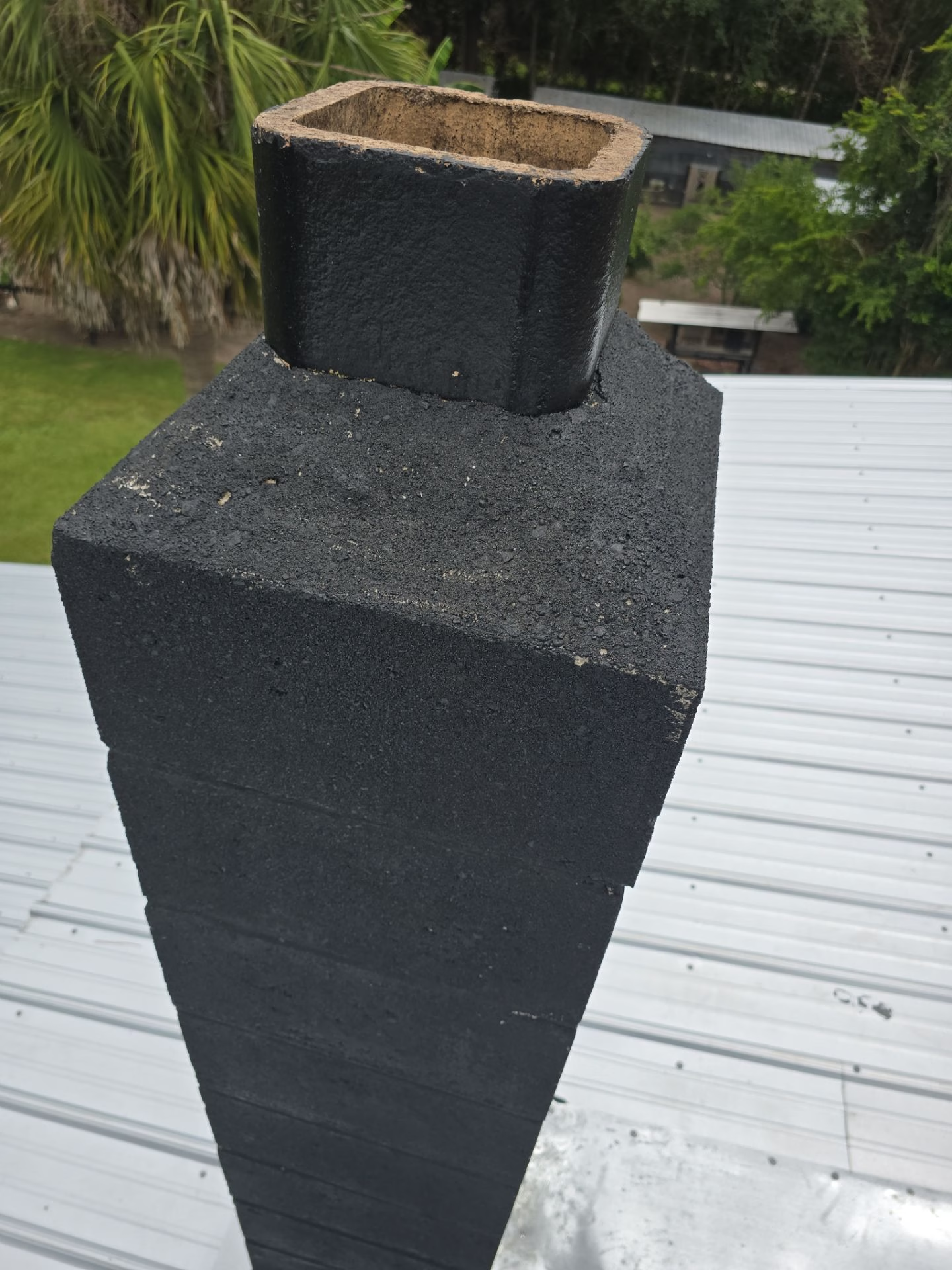
A cracked chimney crown is the top culprit we see across our service area. The crown is the concrete cap sealing the top of the masonry structure, and once it cracks, rainwater seeps directly into the brick and flue below. Left alone, this single issue can cascade into a full masonry rebuild.
Flashing, Caps, and Damper Issues
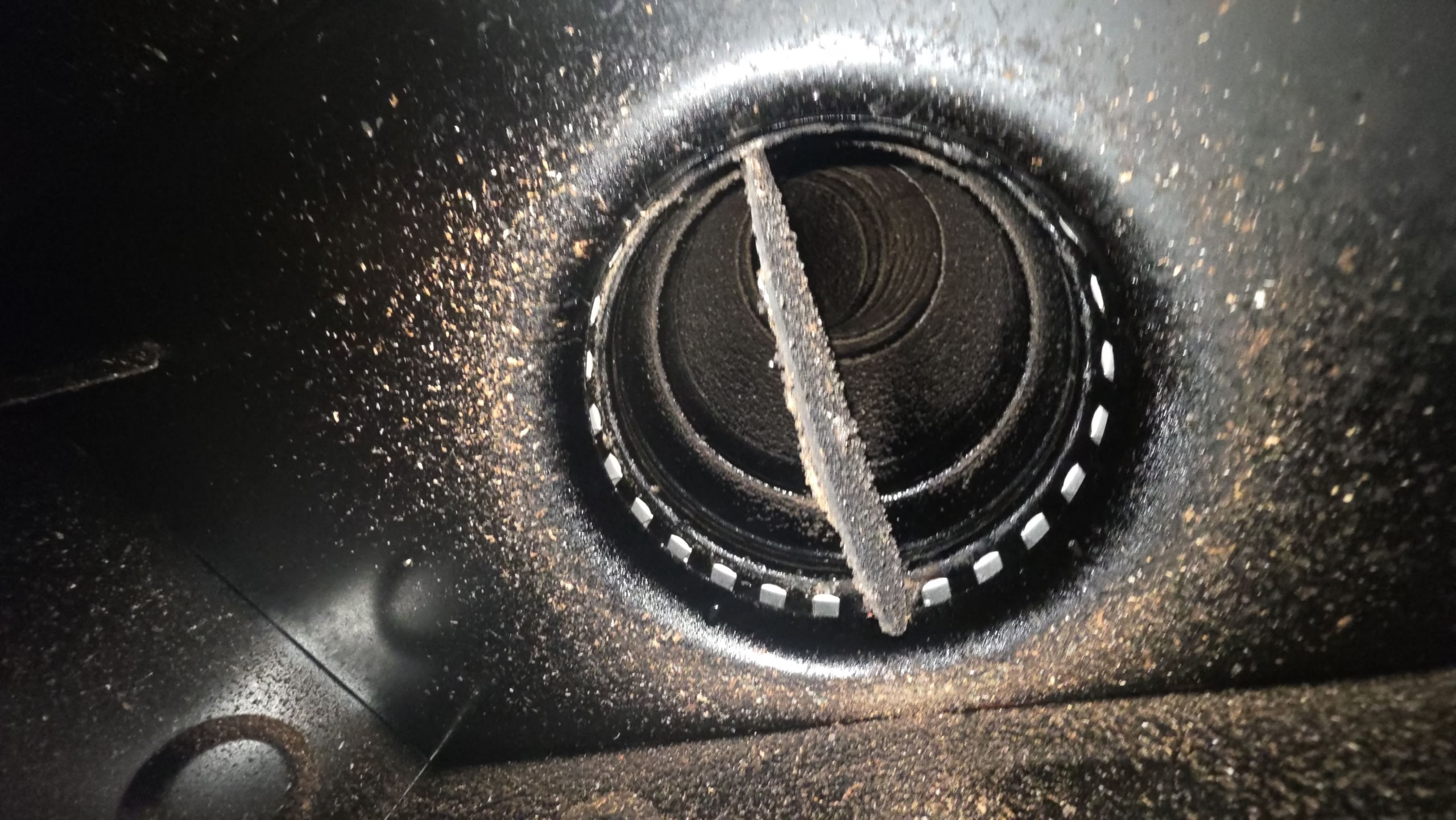
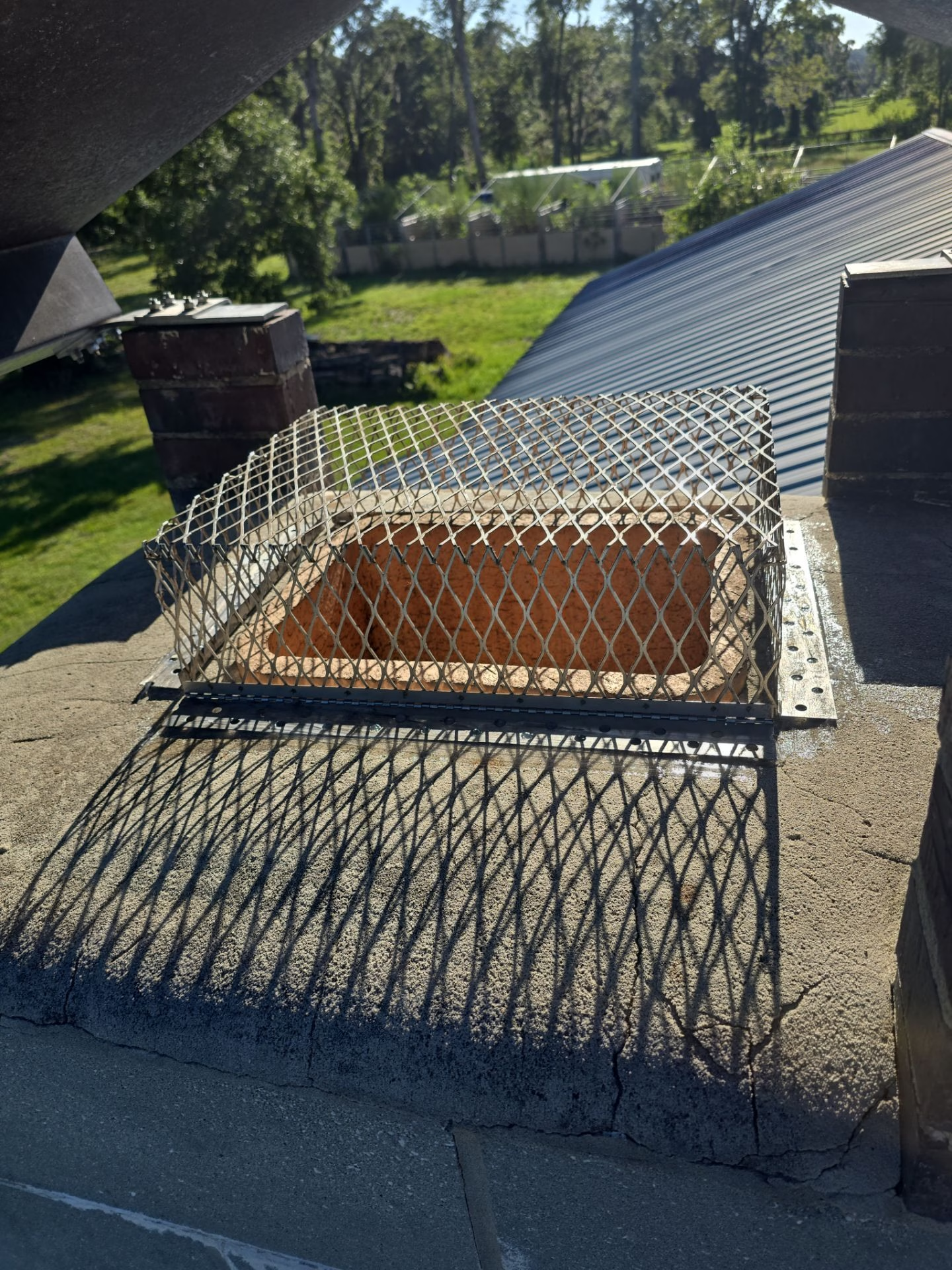
Flashing is the metal barrier where the chimney meets the roofline, and it’s a common failure point after storms. A damaged chimney cap lets rain, debris, and animals into the flue, while a stuck or rusted damper wastes conditioned air and invites pests. In my experience inspecting homes throughout this region, these three issues account for the vast majority of service calls.
💡 Expert Insight: If your chimney was built before modern flashing standards, a simple re-flash during a routine repair visit can prevent thousands in future water damage.
DIY vs. Professional Chimney Repair
Quick Answer: Sealing small cosmetic cracks yourself is sometimes reasonable, but structural, flue, or flashing work should always go to a licensed contractor. Chimneys involve fire safety, ventilation codes, and roofline penetrations that carry real risk if done incorrectly.
| Task | DIY Feasible? | Why It Matters |
|---|---|---|
| Cleaning debris off a cap | Yes | Low risk, easy to see results |
| Sealing hairline crown cracks | Sometimes | Wrong sealant traps moisture |
| Rebuilding masonry courses | No | Structural integrity, fire code |
| Flue relining | No | Requires certified installation |
| Flashing replacement | No | Roof penetration, leak risk |
| Damper repair/replacement | No | Ventilation safety, gas codes |
📊 Data Point: The National Fire Protection Association recommends annual chimney inspections for all solid-fuel and gas-burning systems, regardless of how often they’re used.
Why Licensing and Certification Matter
Always Fire and Gas operates under Florida Contractor License #CRC1333200, and our technicians hold credentials including Certified Master Chimney Technician #34 and CSIA Certified Chimney Sweep #10020. These aren’t just letters after a name — they represent hands-on training in the exact masonry, venting, and gas-safety standards that apply to chimney repair work across Florida.
What a Chimney Repair Contractor Inspects
Quick Answer: A thorough inspection covers the crown, cap, flashing, flue liner, damper, and firebox — not just what’s visible from the ground. Each component gets checked for cracks, rust, gaps, and moisture intrusion.
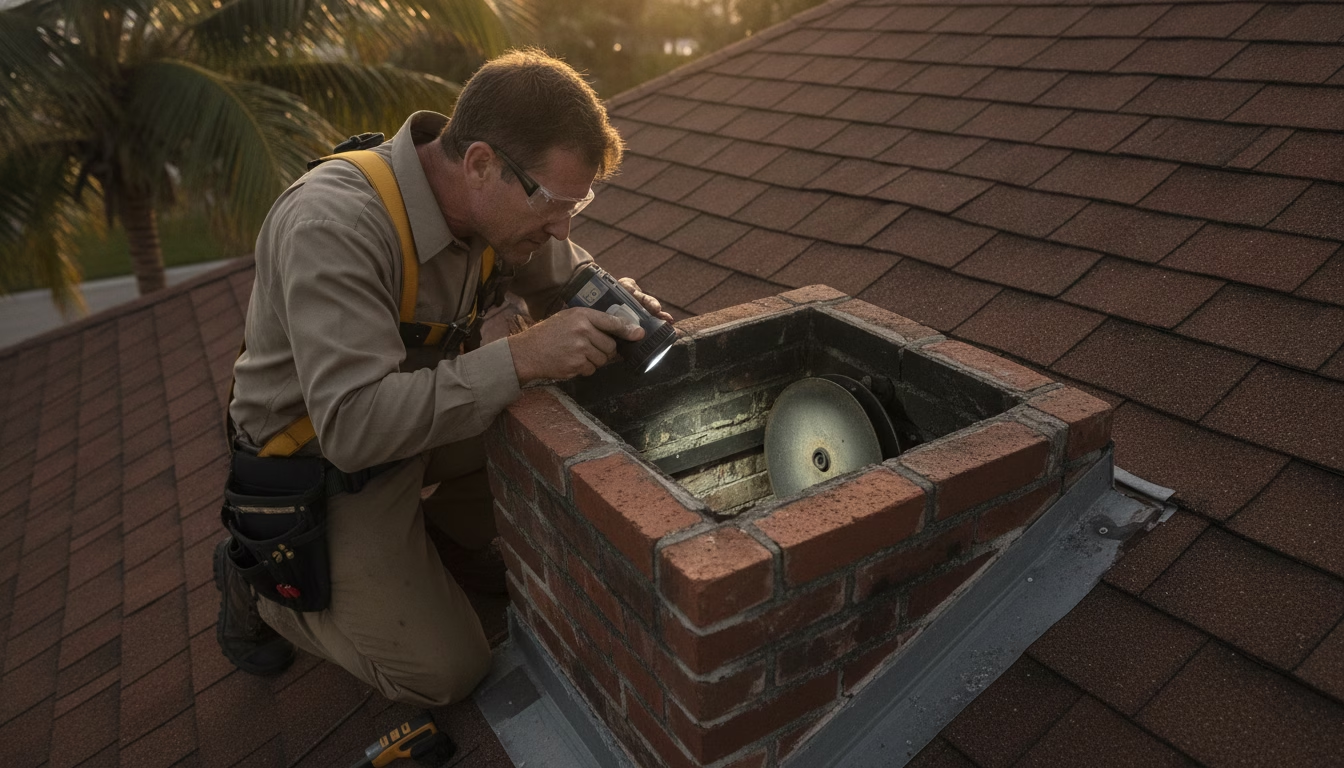
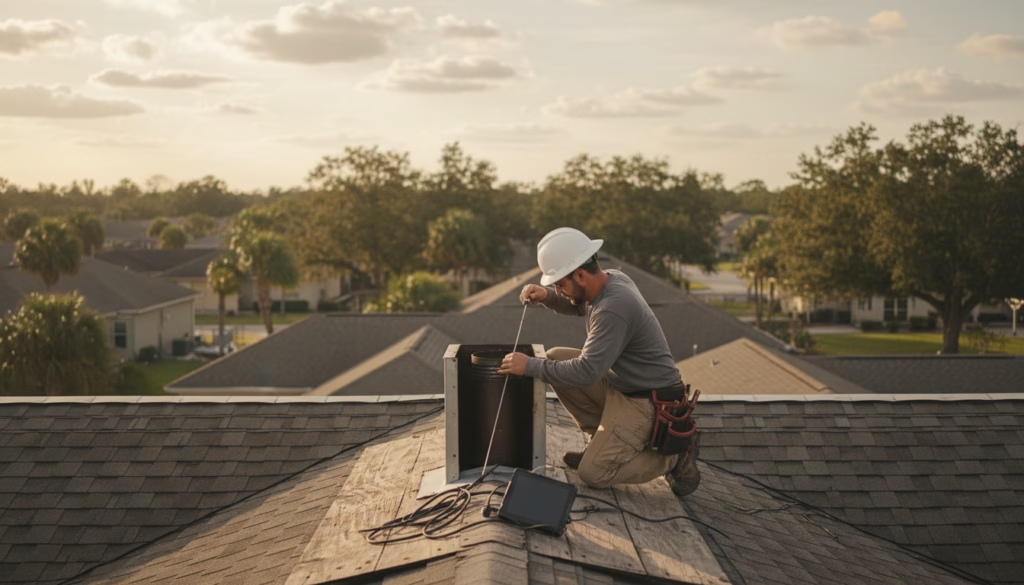
When we arrive for a chimney inspection, we start outside and work inward. That means a roof-level look at the crown and cap, a check of flashing seams, and then a flue camera scan if there’s any sign of interior deterioration.
Flue Relining and Structural Repairs
If the flue liner shows cracking or gaps, relining is often the safest path forward rather than patching. A damaged liner lets heat and combustion gases reach the surrounding masonry, which is a genuine fire hazard the Environmental Protection Agency has flagged in guidance on residential wood-burning appliance safety.
✅ Quick Tip: Ask your contractor for photos or video from the flue scan. A reputable chimney repair contractor should be able to show you exactly what they found, not just tell you.
Repair Timing and Seasonal Care
Quick Answer: Late spring through early fall — before the rainy season peaks and before fireplace season begins — is the ideal window for most chimney repair work in Central Florida. Waiting until winter often means rushed scheduling and continued water exposure.
A Seasonal Repair Checklist
- Spring: Schedule an inspection before summer storms arrive.
- Summer: Address flashing and crown repairs while rain is heaviest.
- Early fall: Complete masonry or relining work before cooler weather.
- Late fall: Final sweep and damper check before first fireplace use.
| Symptom | Likely Cause | Recommended Action |
|---|---|---|
| Rust stains on damper | Crown or flashing leak | Schedule inspection promptly |
| White staining on brick | Efflorescence from moisture | Waterproofing evaluation |
| Smoky odor indoors | Draft or flue issue | Flue inspection and cleaning |
| Loose or missing cap | Storm or age damage | Cap replacement |
| Leaning chimney structure | Foundation or mortar failure | Structural assessment |
⚠️ Common Mistake: Delaying repairs until the first cold snap. By then, contractors are booked solid and small issues may have worsened over the humid months.
Serving Old Field and Nearby Communities
Quick Answer: We provide licensed chimney repair across Old Field and the broader North Central Florida region, including Gainesville, Alachua, High Springs, Archer, and Hawthorne. Local familiarity means we know how each community’s housing stock tends to age.
Homes near Old Field often share construction patterns with neighboring Gainesville and Alachua properties — brick or block chimneys built decades ago, many now due for a crown or flashing refresh. We also regularly serve High Springs, Archer, and Hawthorne homeowners who reach out after noticing similar warning signs.
Why Local Experience Matters
Having worked on chimneys throughout this stretch of Florida, I’ve seen how our specific soil movement, humidity, and storm exposure affect masonry differently than in drier states. That regional knowledge shapes every recommendation we make, whether it’s a simple cap swap or a full masonry rebuild.
💡 Expert Insight: If you’re also noticing musty smells or visible mold near the firebox, that’s often linked to the same moisture path causing your chimney repair old field neighbors are already addressing this season. Our guide on chimney leaks and mold growth covers that connection in more detail.
FAQ
How much does chimney repair cost in Old Field FL?
Costs vary widely based on whether the issue is cosmetic, like a cap replacement, or structural, like a masonry rebuild. A licensed inspection is the best way to get an accurate, itemized assessment for your specific chimney.
How do I find a reliable chimney repair contractor near me?
Look for state contractor licensing and industry certifications such as CSIA or NFI, and ask whether the technician documents findings with photos or video. Always Fire and Gas holds Florida Contractor License #CRC1333200 along with several CSIA and chimney-specific certifications.
Can a cracked chimney crown really cause major damage?
Yes — a cracked crown lets water travel directly into the brick and flue, which accelerates deterioration season after season. What starts as a minor crack can eventually require a full masonry rebuild if left unaddressed.
How often should a chimney be inspected in Florida?
An annual inspection is the standard recommendation from national fire safety authorities, and Florida’s humidity and storm activity make that guidance especially relevant here. Homes near lakes or with heavy tree cover may benefit from more frequent checks.
Is it safe to use a fireplace with a damaged chimney?
No — a damaged flue liner, cracked crown, or stuck damper can allow heat, gases, or embers to reach unintended areas. It’s safest to pause use until a professional confirms the chimney is sound.
What’s the difference between chimney relining and chimney repair?
Repair typically addresses specific damaged components like the crown, cap, or flashing, while relining replaces the interior flue liner itself. A full inspection determines which approach — or combination — your chimney actually needs.
Do you provide chimney repair services outside Old Field?
Yes, our team regularly serves surrounding Central Florida communities including Gainesville, Ocala, Alachua, and Bushnell in addition to Old Field. Coverage details are available on our service area pages.
Final Thoughts
Chimney repair old field homeowners need doesn’t have to mean a stressful, drawn-out project. With early detection, licensed inspection, and the right repair approach — whether that’s a cap swap, crown seal, or full reline — most chimneys can be restored to safe, reliable condition. The key is acting on warning signs before Florida’s humidity and storms turn a small crack into a structural problem.
Next Steps:
- Watch for stains, loose caps, or smoky odors and note when they started.
- Schedule a professional inspection rather than attempting structural DIY fixes.
- Ask your contractor for licensing details and documented findings.
- Plan major repairs for spring or summer, ahead of fireplace season.
Always Fire and Gas is licensed under Florida Contractor License #CRC1333200 and staffed by CSIA and NFI certified technicians serving Old Field and surrounding Central Florida communities. Contact our team today to schedule your chimney inspection and protect your home before the next storm season arrives.