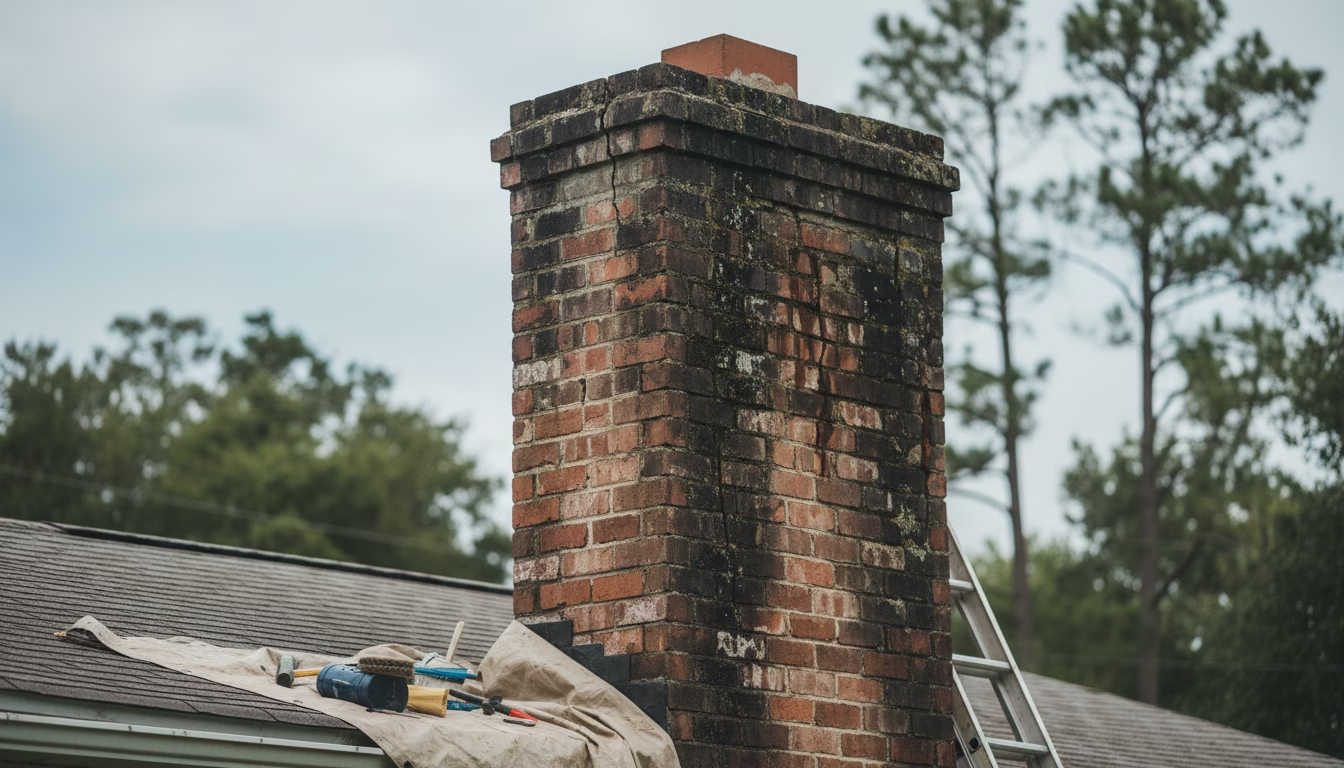
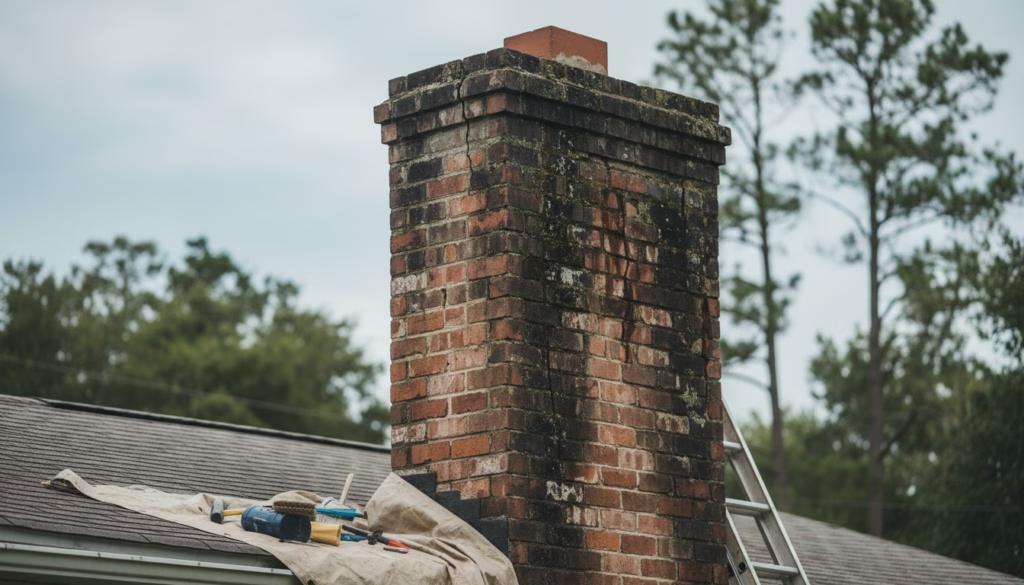
If you need chimney repair in Crescent City FL, the direct answer is this: most masonry cracks, leaks, and damaged crowns can be safely repaired by a licensed chimney contractor before they turn into costly structural or fire hazards. Crescent City’s humid, storm-prone climate is hard on brick and mortar, and small problems rarely stay small. A quick misconception worth clearing up first: a chimney that "looks fine" from the ground can still have serious internal damage.
We’ve spent years crawling on Central Florida roofs and peering down flue liners, and the pattern is always the same — homeowners wait until they see a stain on the ceiling before calling. By then, the fix usually costs more and takes longer. This guide walks through what causes chimney damage here, how repairs actually work, and how to tell a quick patch from a real structural problem.
📌 Key Takeaways
- Florida’s humidity and heavy rain accelerate mortar joint and crown deterioration faster than drier climates.
- A cracked chimney crown is one of the earliest warning signs of water intrusion — don’t ignore hairline cracks.
- Licensed, certified technicians follow NFPA 211 safety standards for masonry and liner repairs.
- Annual inspections catch small issues (spalling brick, rust, gaps) before they require a full rebuild.
- Crescent City homeowners near the St. Johns River face extra moisture exposure and should inspect chimneys twice a year.
Quick Navigation
- Why Crescent City Chimneys Need Extra Attention
- Chimney Repair Crescent City FL: What Homeowners Need to Know
- Common Repairs We Handle
- DIY vs. Professional Repair
- What a Professional Inspection Involves
- Frequently Asked Questions
Why Crescent City Chimneys Need Extra Attention
Quick Answer: Crescent City’s lakeside humidity, seasonal storms, and older brick homes combine to make chimney deterioration happen faster here than in drier regions. Regular inspection is the best defense.
Crescent City sits near the St. Johns River and Lake Crescent, which means the air carries more moisture year-round. That moisture works its way into porous brick and mortar, causing freeze-thaw-like expansion even without hard freezes, because repeated wet-dry cycles stress the same joints. Over time, small cracks widen into gaps that let water reach the chimney’s interior structure.
Many homes in this part of Putnam County were built decades ago, and their original masonry wasn’t always finished with a proper crown or cap. Without that protection, rainwater pools directly on top of the flue and seeps downward. This is one reason chimney repair contractor calls spike here after hurricane season.
💡 Expert Insight: As a Florida Certified Master Chimney Technician, I’ve found that homes within a mile of open water need inspections roughly twice as often as inland properties, simply because of ambient humidity levels.
How Weather Patterns Speed Up Damage
Afternoon thunderstorms are routine in Central Florida summers, and each one drives water into any existing gap. According to the National Fire Protection Association, chimneys and vents are a leading contributor to residential structure fires when not properly maintained, which underscores why water damage shouldn’t be treated as purely cosmetic. A wet chimney system is also a weaker one, structurally and thermally.
Chimney Repair Crescent City FL: What Homeowners Need to Know
Quick Answer: Reliable chimney repair in Crescent City FL starts with an accurate diagnosis, not guesswork — a technician needs to identify whether the issue is cosmetic, structural, or both before recommending a fix.
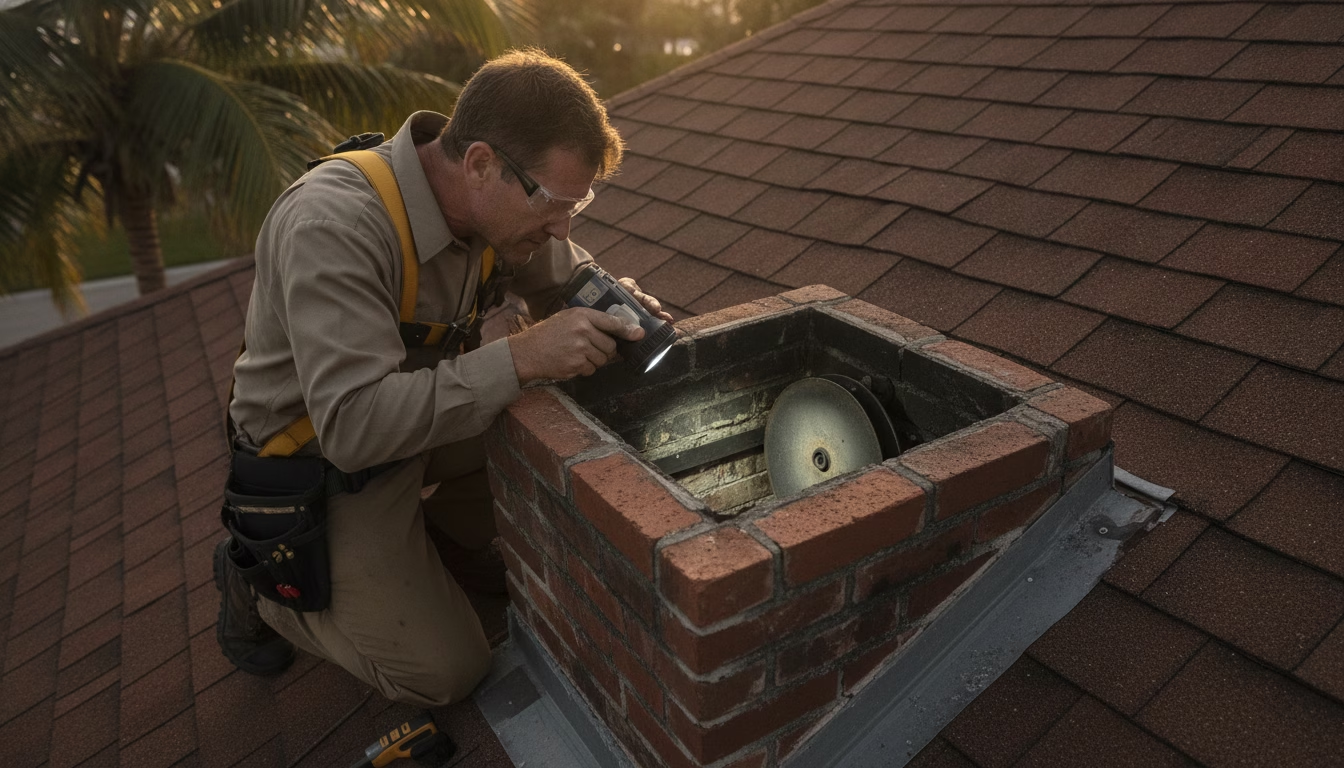
Most calls we get start the same way: a homeowner notices a stain, a loose brick, or a musty smell near the fireplace. The right first step is always a full inspection, not a patch job. A qualified technician will check the crown, flashing, mortar joints, flue liner, and damper before recommending any repair.
We hold a Florida Contractor License (##CRC1333200) along with several chimney-specific certifications, including Certified Master Chimney Technician and CSIA Certified Chimney Specialist credentials. These aren’t just letters after a name — they represent standardized training in masonry repair, liner replacement, and fire-safety code compliance recognized by the Chimney Safety Institute of America.
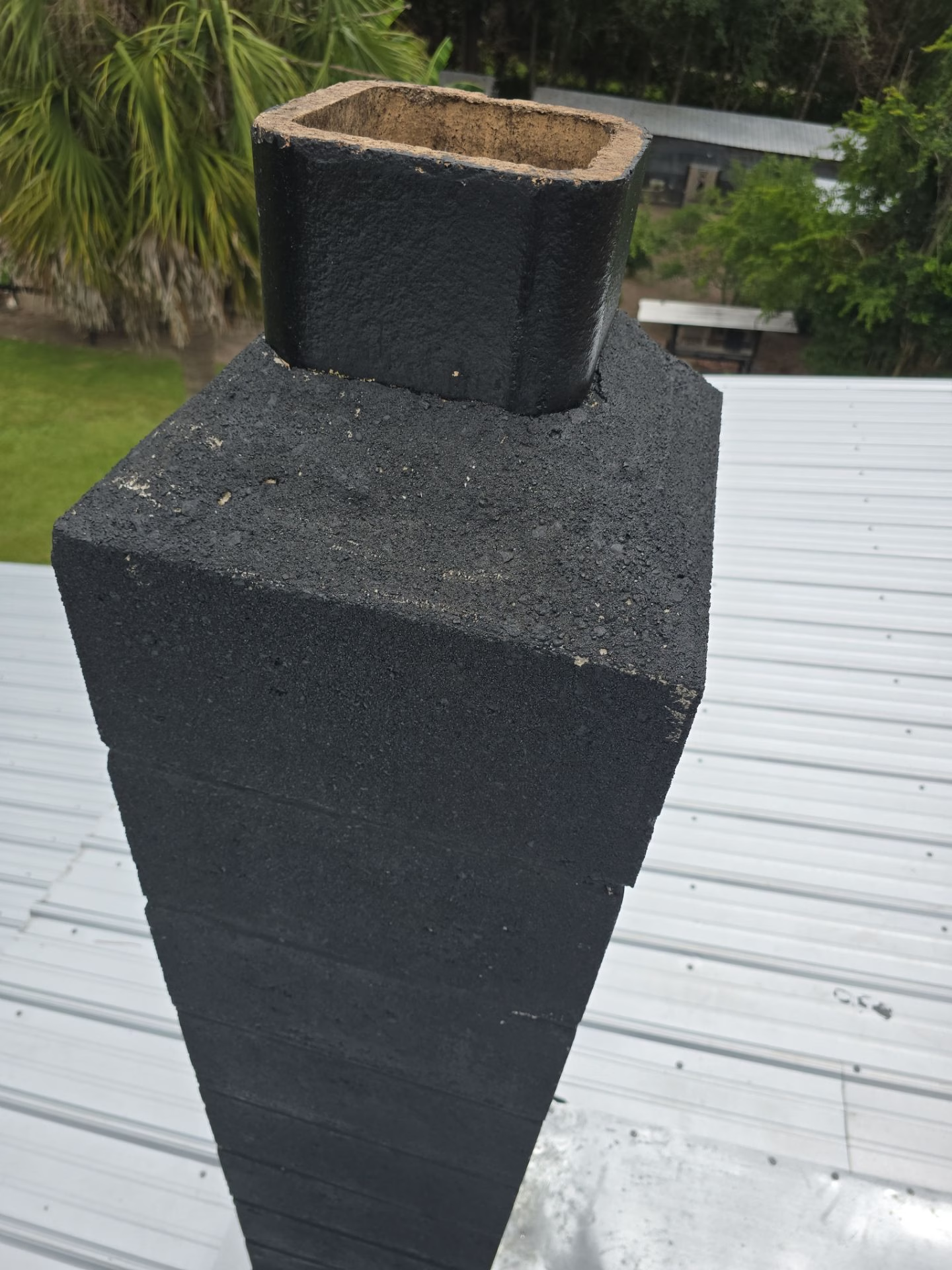
⚠️ Common Mistake: Painting or caulking over a cracked crown without addressing the underlying gap only traps moisture inside, often accelerating internal damage.
Signs You Need Repair Now vs. Signs You Can Monitor
Some issues are urgent; others can wait for a scheduled visit. Knowing the difference saves money and stress.
| Sign | Urgency | Likely Repair |
|---|---|---|
| Water stains on ceiling near chimney | High | Flashing or crown repair |
| Visible daylight through mortar joints | High | Masonry rebuild |
| Efflorescence (white chalky residue) | Medium | Waterproofing, crown sealing |
| Small hairline crack in crown | Medium | Crown repair, caulking |
| Rust on damper or firebox | High | Liner inspection, damper repair |
| Loose or spalling bricks | High | Masonry rebuilds repair |
If you’re seeing any "High" urgency item on that list, treat it as a call to schedule service, not a wait-and-see situation.
Common Repairs We Handle
Quick Answer: The most frequent chimney repairs in this region involve cracked crowns, deteriorated mortar joints, damaged flashing, and worn flue liners — all fixable without a full teardown in most cases.
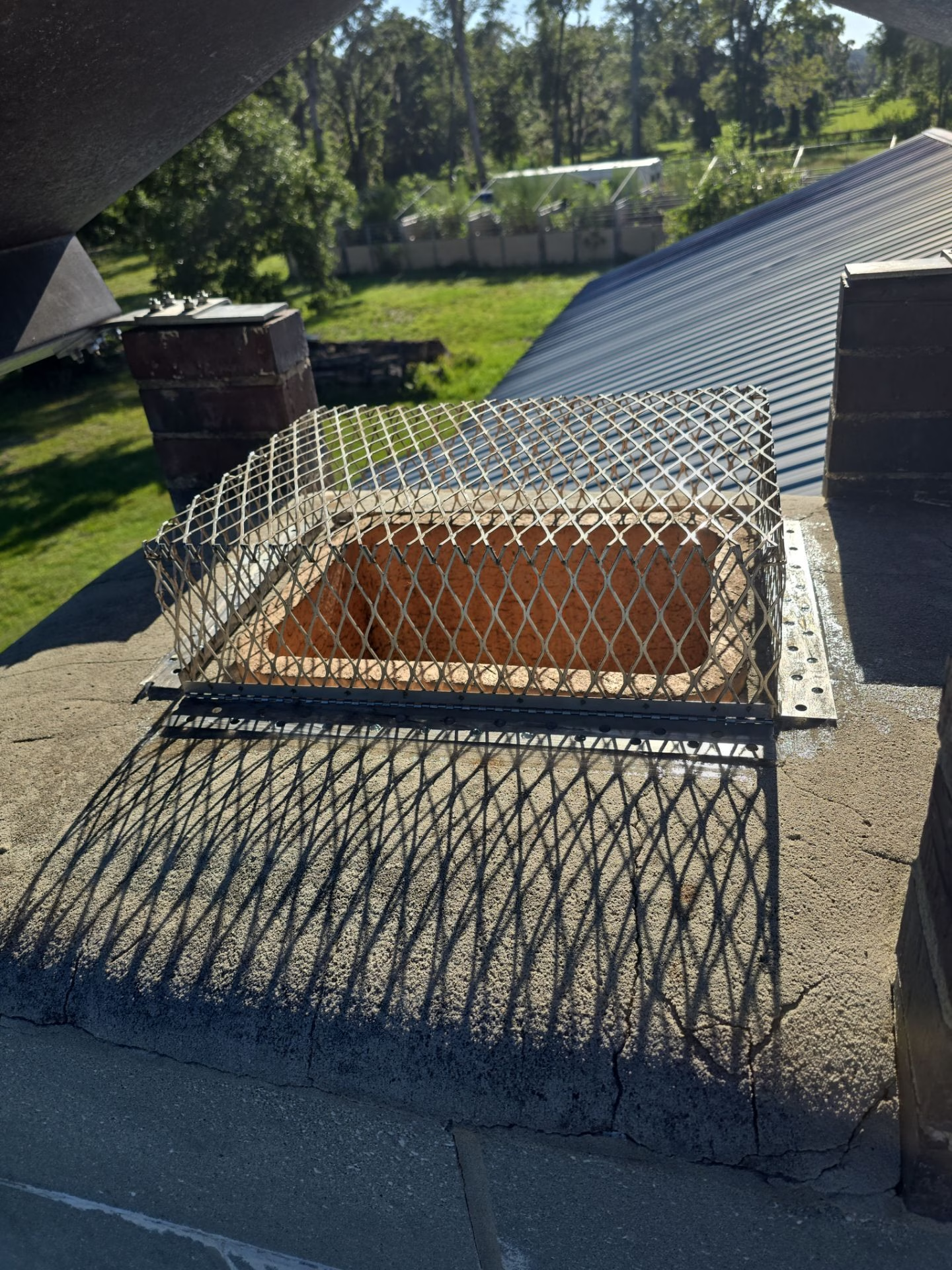
A cracked chimney crown is the single most common issue we diagnose across Putnam and Alachua counties. The crown is the concrete or mortar cap on top of the chimney, and once it cracks, water has a direct path inside. Repairing it early is far less invasive than waiting for internal damage.
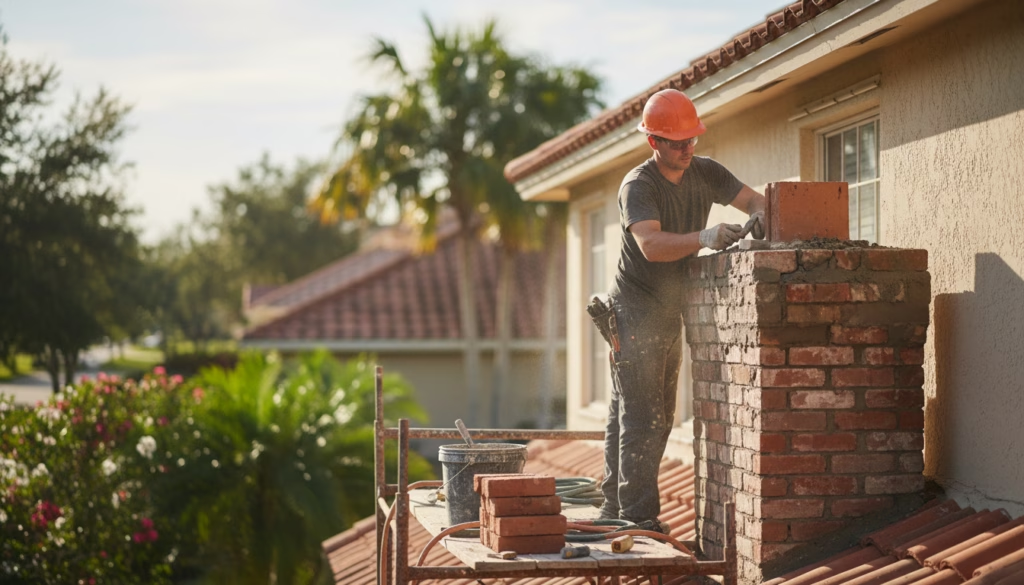
Mortar joint deterioration is next in line, especially on chimneys over 20 years old. When mortar crumbles, the whole structure loses integrity, and that’s when masonry rebuilds repair becomes necessary rather than optional. We rebuild affected sections using matching brick and mortar so the repair blends with the original structure.
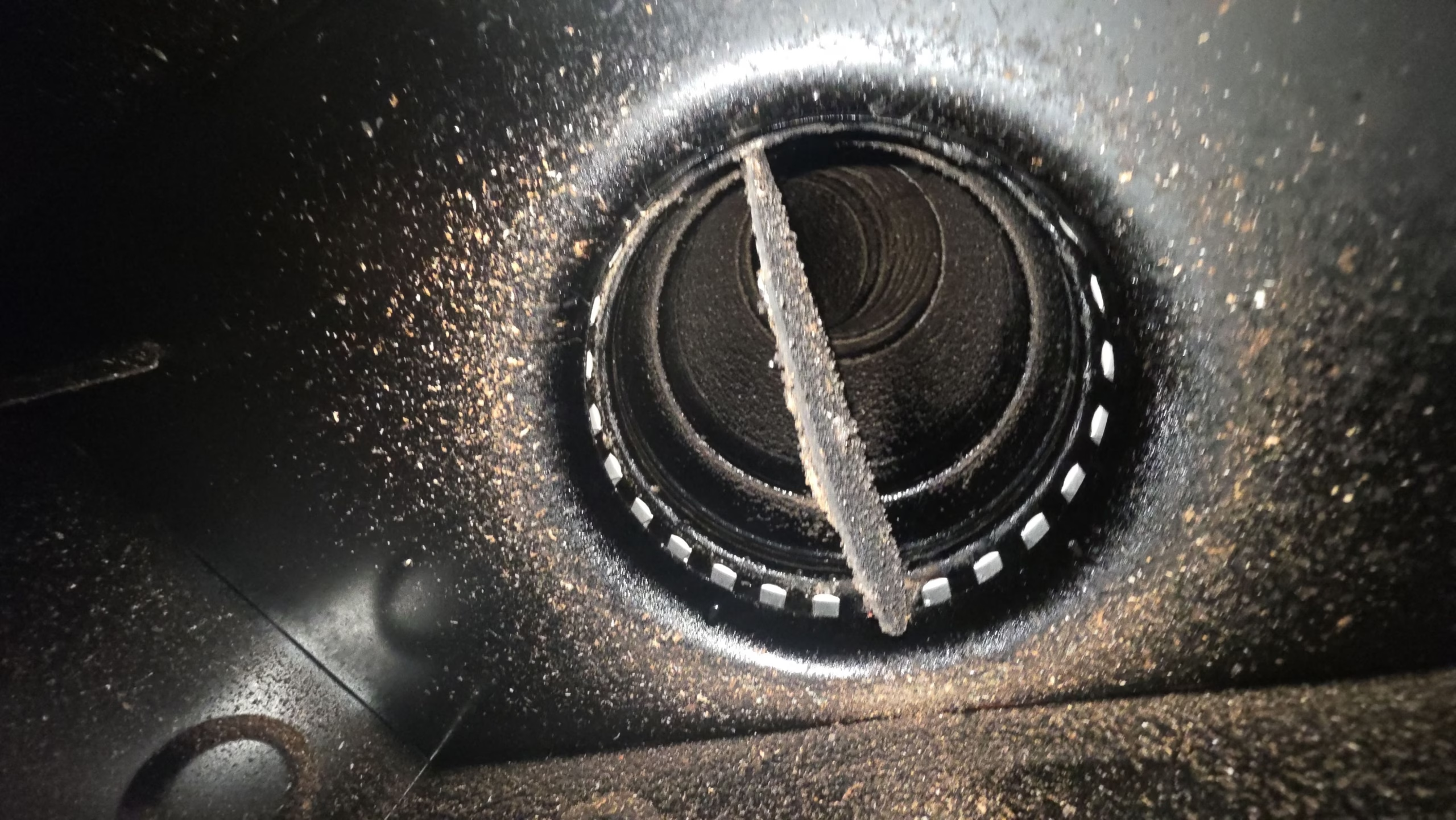
Flue liners can also crack from heat cycling or settle out of alignment. Chimney relining restores a safe, sealed pathway for smoke and gases to exit the home, which matters for both wood-burning and gas appliances alike.
✅ Quick Tip: If your chimney serves a gas appliance, ask your technician to check the liner specifically for gas-safe sealing, since gas byproducts behave differently than wood smoke.
Chimney Leaks and Flashing Repair
Flashing is the metal barrier where the chimney meets the roofline, and it’s a frequent failure point during Florida’s rainy season. A chimney leak repair often comes down to resealing or replacing flashing rather than touching the masonry itself. It’s a smaller job, but skipping it leads to bigger interior damage later.
DIY vs. Professional Repair
Quick Answer: Minor cosmetic touch-ups can sometimes be handled by a confident homeowner, but structural, liner, and roof-height work should always go to a licensed chimney repair contractor for safety reasons.
Climbing a ladder to inspect a chimney is inherently risky, and misdiagnosing a structural crack can lead to bigger repair bills down the road. The table below breaks down where the line typically falls.
| Task | DIY Reasonable? | Why |
|---|---|---|
| Visual ground-level inspection | Yes | Low risk, helps spot obvious issues |
| Sealing small hairline cracks | Sometimes | Requires correct sealant, still risky on roof |
| Crown repair or rebuild | No | Structural, needs proper materials and technique |
| Flue liner replacement | No | Requires certification and specialized tools |
| Flashing repair | No | Roof-height work, waterproofing expertise needed |
| Full masonry rebuild | No | Structural load-bearing work |
📊 Data Point: The U.S. Occupational Safety and Health Administration notes that falls from roofs and ladders remain among the most common causes of serious injury in residential trades, which is a big reason we don’t recommend DIY chimney-height work — see general guidance at osha.gov.
Why Licensing and Certification Matter
Florida requires contractors performing this kind of structural and gas-adjacent work to hold proper state licensing. You can verify any contractor’s license status through the Florida Department of Business and Professional Regulation. Our team carries a Florida Contractor License (##CRC1333200) and a Certified Category V Gas License (##LI45277), plus multiple CSIA and NFI credentials, so every repair follows recognized safety standards.
What a Professional Inspection Involves
Quick Answer: A proper inspection covers the crown, flashing, mortar, flue liner, and damper, both visually and often with a camera, to catch damage that isn’t visible from the ground.
Here’s generally how we approach it, step by step:
- Exterior visual check of the crown, cap, and chase cover for cracks or gaps.
- Roofline inspection of flashing and surrounding shingles for wear or separation.
- Interior firebox and damper check for rust, warping, or debris.
- Camera-assisted flue liner scan to spot internal cracks or creosote buildup.
- Written report with photos and a clear repair recommendation, prioritized by urgency.
This process applies whether the home is in Crescent City, Gainesville, Bushnell, Dunnellon, Alachua, or Clermont — the same humidity and storm exposure challenges show up across our whole Central Florida service area, just in varying degrees.
💡 Expert Insight: In my experience, homes closer to open water or heavy tree cover need the camera scan every single visit — moisture and debris hide problems that a flashlight alone won’t catch.
Regular chimney cleaning schedules also play a role here, since creosote and debris buildup can mask or worsen structural issues if left unaddressed for years.
Frequently Asked Questions
How much does chimney repair cost in Crescent City FL?
Costs vary widely depending on whether the issue is a simple crown seal or a full masonry rebuild. The only accurate way to know is a hands-on inspection, since photos alone rarely reveal internal liner or structural damage.
What is the most common chimney repair needed in Florida homes?
Cracked chimney crowns and deteriorated mortar joints are the most frequent repairs we see in Central Florida, largely due to humidity and seasonal storms. Both are typically preventable with routine inspections.
How do I find a reliable chimney repair contractor near me?
Look for a contractor with an active Florida Contractor License, chimney-specific certifications like CSIA or NFI, and clear inspection reports. You can verify licensing directly through Florida’s DBPR licensing lookup.
Can a leaking chimney cause damage inside my house?
Yes, water that enters through a cracked crown or damaged flashing can travel down into ceilings, walls, and the firebox. Left unaddressed, this often leads to mold growth and more expensive interior repairs.
How often should chimneys be inspected in Central Florida?
Most homes benefit from an annual inspection, but properties near lakes or rivers, like parts of Crescent City, may need a check twice a year. Frequency also depends on how often the fireplace or gas appliance is used.
Is chimney repair different for gas fireplaces versus wood-burning ones?
Yes, gas systems require liner sealing appropriate for combustion byproducts, while wood-burning chimneys deal more with creosote and heat-cycling cracks. Both still rely on the same crown, flashing, and mortar fundamentals.
Do I need a permit for chimney masonry rebuilds in Putnam County?
Permit requirements depend on the scope of work and local building codes, and a licensed contractor should handle that process for you. This is one more reason to hire a properly licensed chimney repair contractor rather than attempt a DIY rebuild.
Final Thoughts
Chimney repair in Crescent City FL isn’t something to put off once you notice a crack, stain, or drafty smell near the fireplace. Florida’s humidity and storm patterns make small issues grow quickly, but most problems are very fixable when caught early by a licensed, certified technician. We’ve seen firsthand how a simple crown repair today prevents a full rebuild two years from now.
Here’s how to move forward:
- Walk around your home and look for visible cracks, stains, or loose bricks near the chimney.
- Schedule a full inspection rather than guessing at the cause yourself.
- Ask your contractor to verify their Florida license and chimney certifications.
- Address flashing and crown issues promptly before the next storm season.
- Set a recurring annual (or twice-yearly, if near water) inspection reminder.
Always Fire and Gas is Florida Contractor Licensed (##CRC1333200) and staffed by CSIA and NFI certified chimney technicians serving Crescent City, Gainesville, Bushnell, Dunnellon, Alachua, and Clermont. Contact us today to schedule your chimney inspection and protect your home before the next storm rolls in.