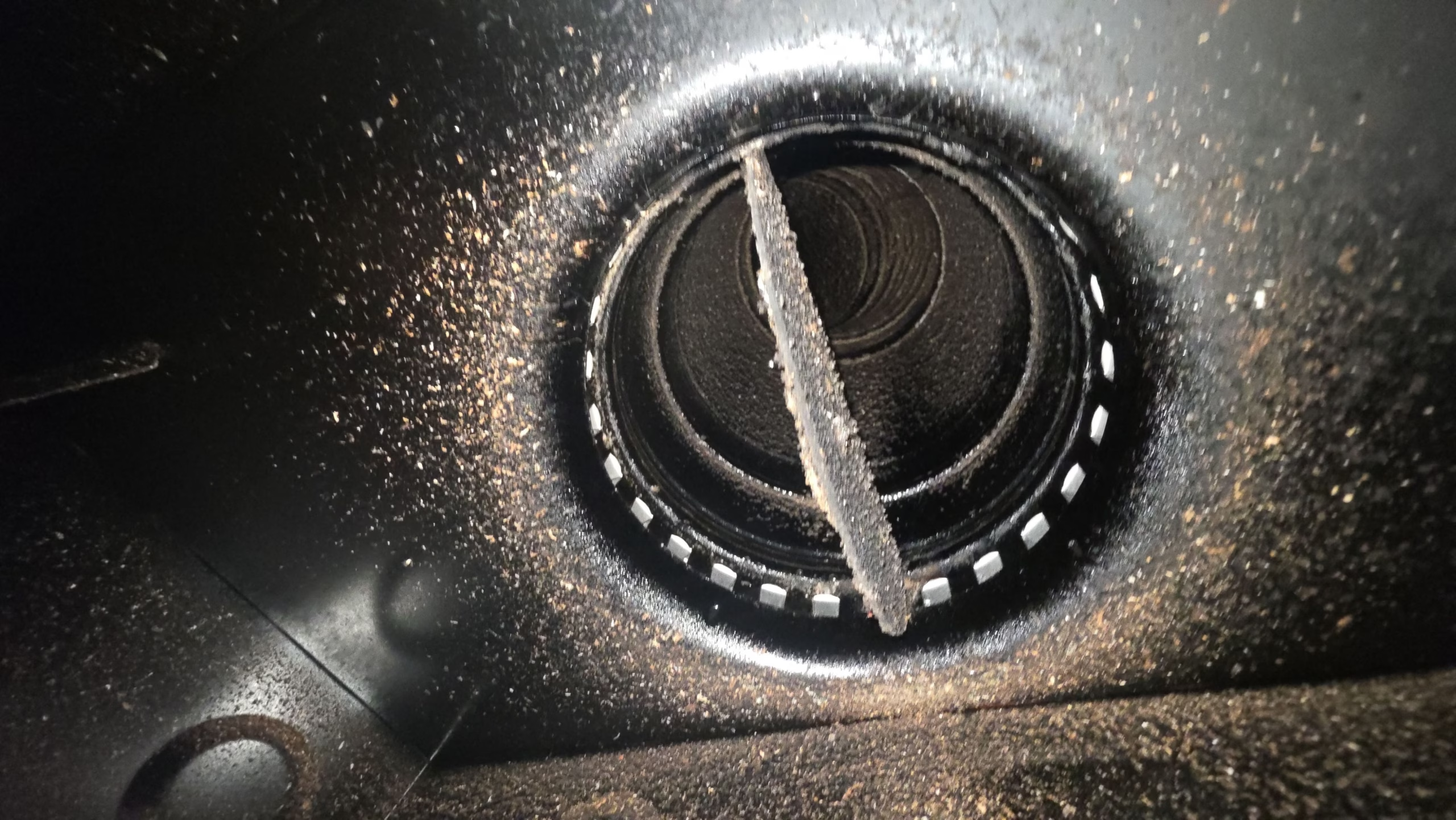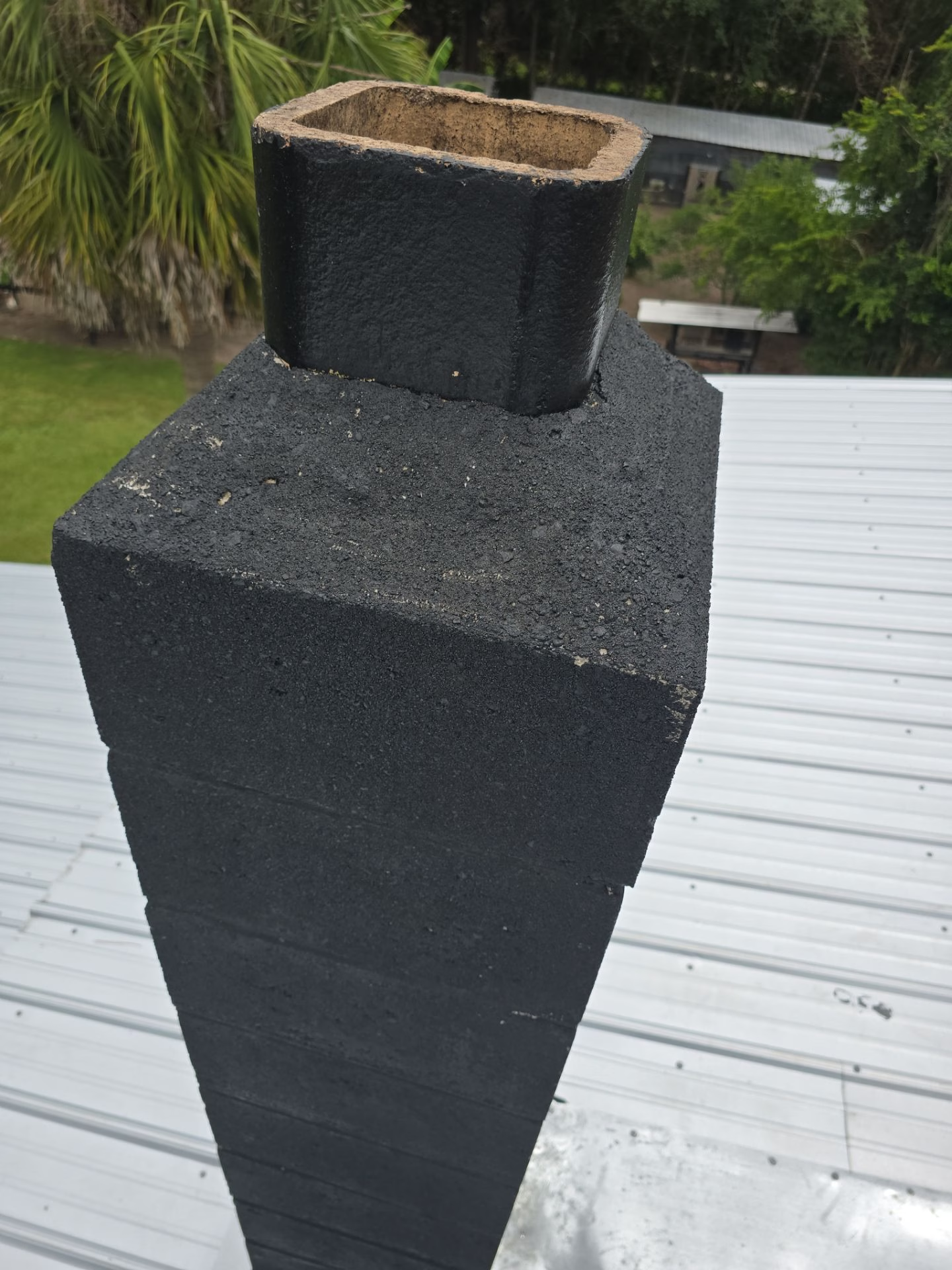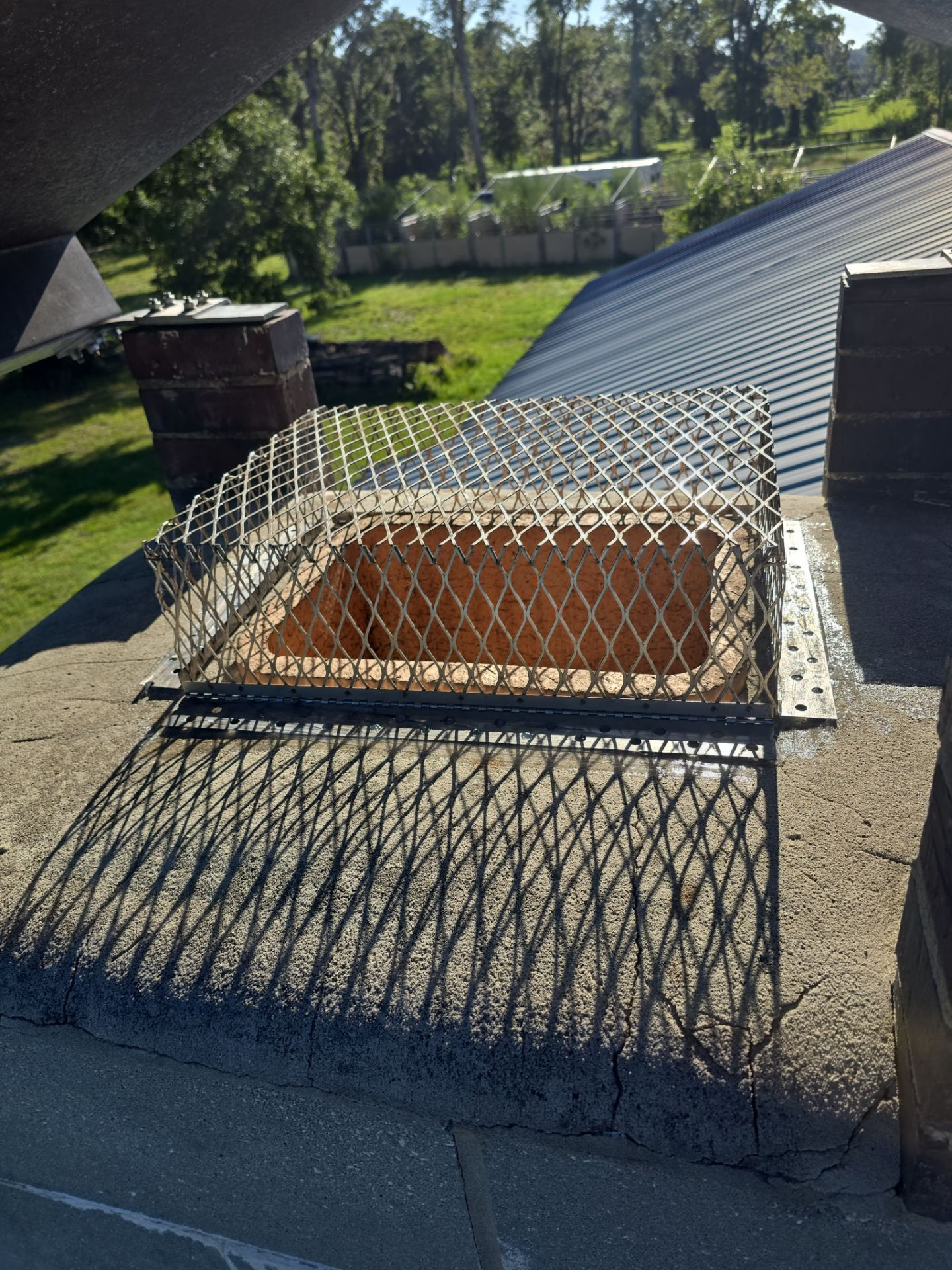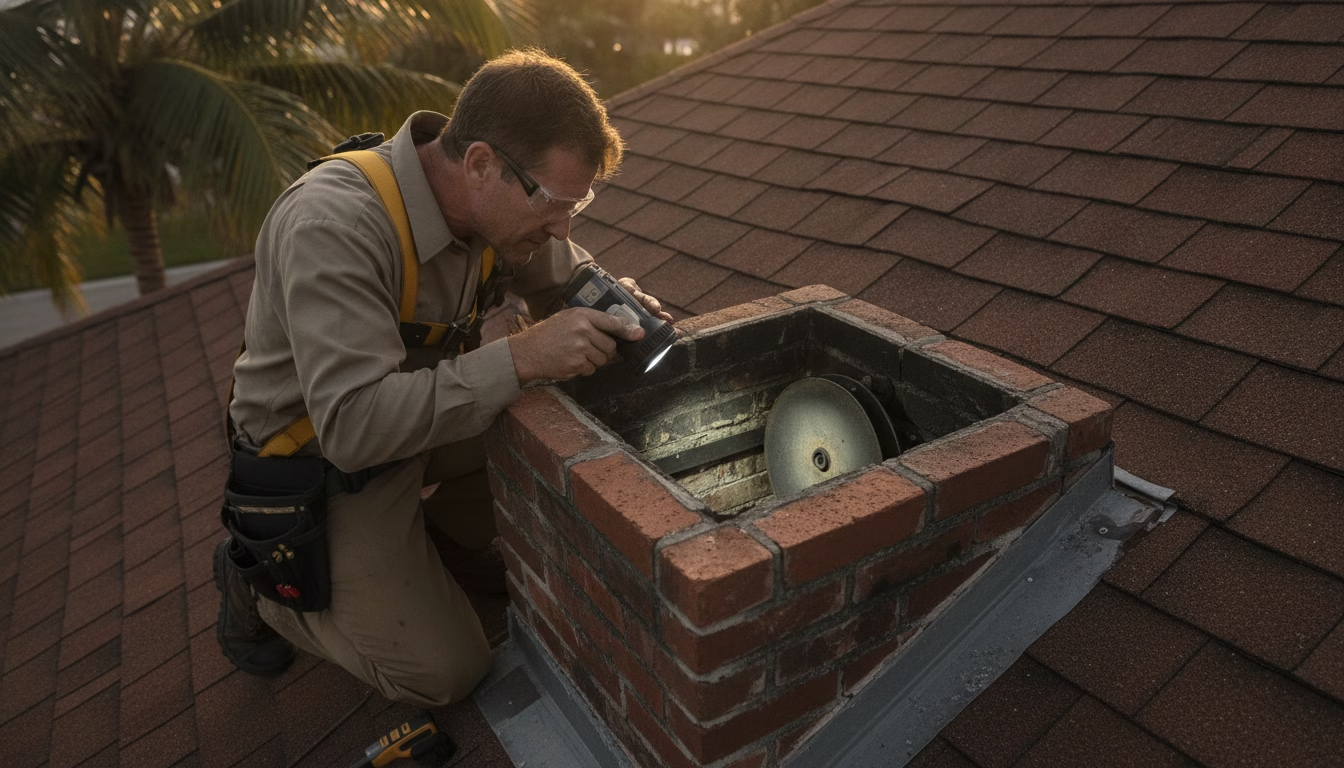
Chimney relining in Gainesville FL is the process of restoring or replacing the protective flue passage inside a masonry chimney so smoke, heat, and gas vent safely outside your home. A cracked or missing liner lets dangerous heat reach nearby wood framing, which is one of the leading causes of residential chimney fires. If your chimney is more than 20 years old or has never been inspected, relining may already be overdue.
Many Central Florida homeowners assume a chimney is "fine" simply because it looks solid from the outside. In reality, the flue liner does the real safety work, and it’s hidden from view. This guide walks through the warning signs, the relining methods we use, and what to expect from a professional service call.
📌 Key Takeaways
- A damaged or missing flue liner is a fire and carbon monoxide hazard, not just a cosmetic issue.
- Stainless steel liners are the most common modern fix for masonry chimneys across Alachua and Marion counties.
- Cracked liners often show up as heavy soot staining, white efflorescence, or a smoky smell indoors.
- A CSIA-trained technician should evaluate flue condition with a video scan before any relining work begins.
- Annual inspections catch small liner problems before they turn into costly masonry rebuilds.
Jump to a section:
- What Chimney Relining Actually Repairs
- Warning Signs You Shouldn’t Ignore
- Relining Methods We Use in Central Florida
- Why This Matters for Florida Homes
- What Happens During a Relining Visit
- Relining vs. Other Chimney Repairs
- FAQ
What Chimney Relining Actually Repairs
Quick Answer: Chimney relining replaces or restores the interior flue passage—the liner—so combustion gases and heat exit safely without contacting the surrounding masonry or framing. It’s a targeted fix, not a full rebuild.
A flue liner is the tube-shaped barrier running up the inside of a chimney. It can be clay tile, a poured cast-in-place liner, or a stainless steel liner sleeve. Over decades of Florida humidity, freeze-thaw cycles, and creosote buildup (a flammable byproduct of wood combustion), clay tiles crack or shift out of alignment.
How Liner Damage Develops
Most liner failure starts small: a hairline crack from thermal stress, a chip from age, or gaps where old mortar joints failed. Left alone, these gaps widen every burn season. According to the National Fire Protection Association, improperly maintained chimneys and connectors are a documented contributor to home heating fires nationwide.
💡 Expert Insight: A liner doesn’t have to be visibly broken to fail its job. Even a 1/4-inch gap can let heat transfer into wall framing over repeated fires.
Warning Signs You Shouldn’t Ignore
Quick Answer: Smoke smell indoors, visible cracks during a flashlight check, white staining on brick, and rusted damper parts all point to a liner in trouble. Any one of these warrants a professional look.
Homeowners in Gainesville, High Springs, and Dunnellon often call us after noticing a smoky odor that lingers for days after a fire. That smell usually means combustion byproducts are leaking through a compromised liner into the chimney chase or attic space.
Signs Specific to Central Florida Homes
Our humid climate adds a wrinkle: efflorescence, the white chalky deposit on brick, signals moisture is penetrating through a cracked flue and reacting with mortar salts. In Belleview and Inverness homes with older wood-burning fireplaces, we frequently find tile liners that have shifted from decades of settling.
⚠️ Common Mistake: Assuming a chimney sweep visit alone will reveal liner damage. A basic cleaning removes soot, but a proper liner check requires a video inspection tool to see cracks behind the visible surface.
Relining Methods We Use in Central Florida
Quick Answer: Stainless steel liners are the most common modern solution, though cast-in-place liners suit chimneys with irregular flue shapes. The right choice depends on chimney condition, appliance type, and flue size.
Every relining project starts with a diagnostic scan to confirm the flue’s interior shape and damage extent. From there, our technicians—including Certified Chimney Reliner ##94 on our team—recommend a solution matched to the appliance connected, whether that’s a wood-burning fireplace, gas insert, or generator flue.
Stainless Steel vs. Cast-in-Place
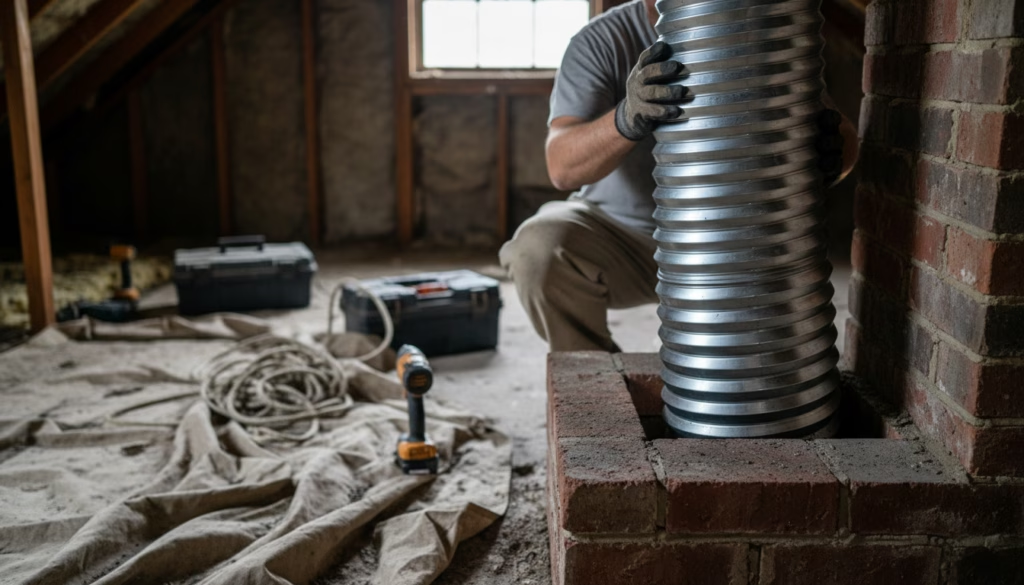
Stainless steel liners are flexible or rigid metal sleeves inserted through the chimney and connected to the appliance below. They’re a strong fit for gas and wood appliances alike and hold up well against Florida’s humidity when properly insulated.
Cast-in-place liners involve pouring a lightweight, insulating masonry mixture around an inflatable form, creating a smooth new channel bonded to the existing masonry. This method works well for chimneys with structural cracks in the surrounding brick, since it reinforces the whole flue wall rather than just sleeving it.
📊 Data Point: The U.S. Environmental Protection Agency notes that improperly maintained wood-burning appliances and their venting systems contribute to indoor air quality problems, reinforcing why intact liners matter for both safety and air quality.
Why This Matters for Florida Homes
Quick Answer: Central Florida’s humidity, seasonal storms, and mix of older masonry homes make liner integrity especially important for preventing moisture intrusion and slow-building fire hazards.
Homes across Ocala, Bushnell, and Fort Meade often have chimneys built decades ago, before current liner standards were common practice. A damaged flue in these older structures lets moisture seep into masonry joints, accelerating spalling brick and crumbling mortar.
The Fire Risk Behind Neglected Liners
Creosote is sticky, flammable residue that builds up faster when a liner is cracked and airflow is uneven. A compromised liner traps more of it against masonry and wood framing nearby, raising fire risk with every use. Regular chimney inspections catch this buildup and liner wear before it becomes a structural issue.
✅ Quick Tip: Schedule an inspection before your first fire of the season, not after you’ve already noticed smoke smell or soot stains.
What Happens During a Relining Visit
Quick Answer: A relining service typically involves a video flue inspection, a discussion of liner options, the relining installation itself, and a final safety check before you use the fireplace again.
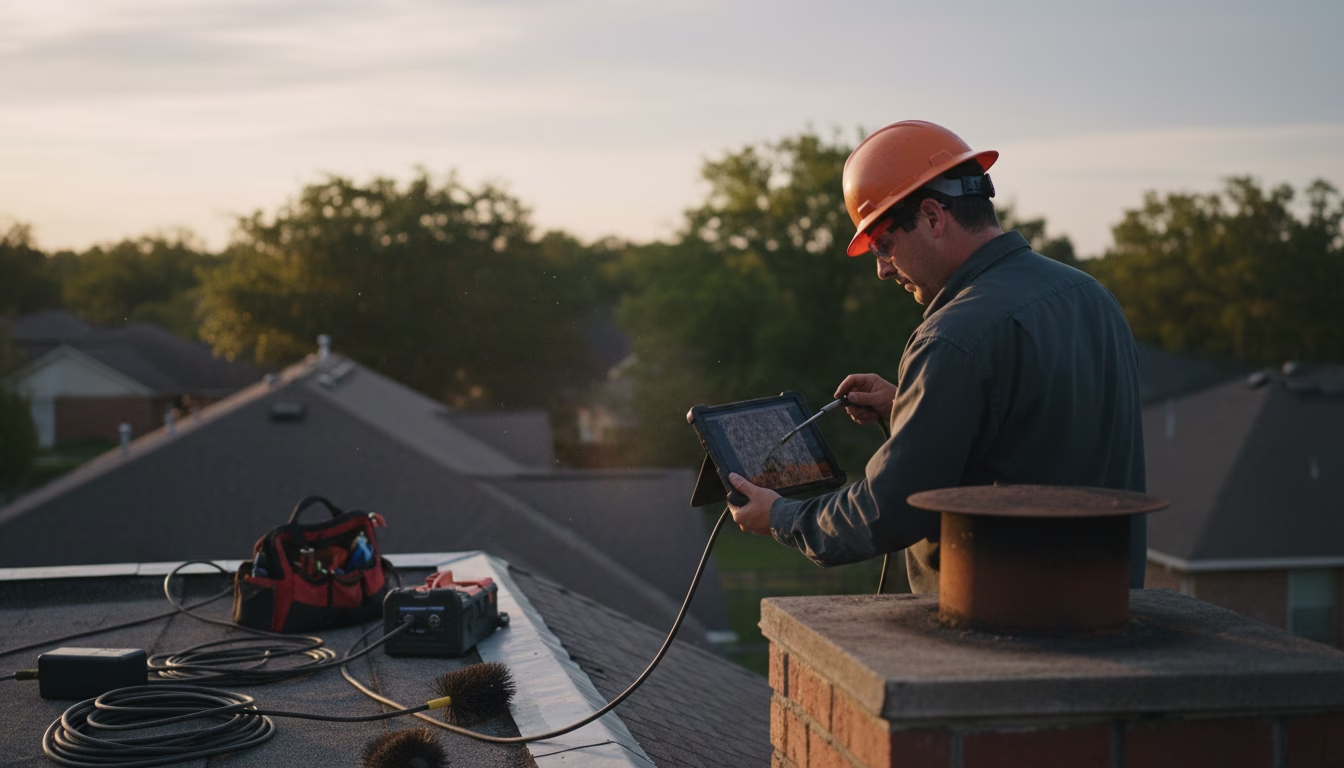
On a typical visit, our licensed technicians start with a camera scan to document existing damage. We walk homeowners through what we find, explain which liner type fits the chimney’s condition, and outline the installation steps before any work begins.
After Installation
Once the new liner is in place, we test draft and connections to confirm proper venting. If your chimney also shows cracked crown damage or masonry wear, we’ll flag it separately since crown repair and masonry rebuilds are distinct services from lining work.
Our team holds Florida Contractor License ##CRC1333200 and multiple CSIA credentials, including Certified Master Chimney Technician ##34 and Certified Chimney Specialist ##59. You can review our licensing and certifications directly.
Relining vs. Other Chimney Repairs
Quick Answer: Relining addresses the interior flue passage specifically, while crown repair, tuckpointing, and rebuilds address the exterior masonry structure. Homeowners sometimes need more than one service at once.
| Repair Type | What It Fixes | When It’s Needed |
|---|---|---|
| Chimney Relining | Interior flue passage, liner cracks | Smoke smell, failed video scan, appliance upgrade |
| Crown Repair | Top masonry cap | Visible cracks on chimney crown, water intrusion |
| Masonry Rebuild | Structural brick/mortar | Leaning chimney, crumbling brick, major deterioration |
| Chimney Sweep | Creosote/soot removal | Routine seasonal maintenance |
💡 Expert Insight: In my experience inspecting older homes near High Springs, a chimney rarely needs just one repair. A liner problem often coincides with a cracked crown, since both stem from years of moisture cycling through the same structure.
Homeowners searching for chimney relining Gainesville FL contractors should ask whether the company performs a video scan before quoting any work. Without visual confirmation, it’s guesswork rather than diagnosis.
Frequently Asked Questions
How do I know if my chimney needs relining?
Signs include a smoky smell indoors, visible cracks in a flashlight check, white staining on the brick, or a failed video scan during inspection. A professional camera inspection is the most reliable way to confirm liner condition.
Is chimney relining covered during a routine cleaning?
No, a standard sweep removes soot and creosote but doesn’t repair or replace a damaged liner. Relining is a separate, more involved service that requires specialized tools and materials.
How long does a chimney reline take?
Most residential relining projects are completed in a single day, though timing depends on chimney height, liner type, and any additional repairs discovered during inspection. Complex cast-in-place jobs may take longer to cure properly.
Do gas fireplaces need chimney relining too?
Yes, gas appliances still vent through a flue that can deteriorate over time, and using the wrong liner size or material can affect draft and safety. Many older masonry chimneys weren’t originally sized for modern gas inserts, making a relining evaluation important during conversion.
What is the difference between a stainless steel liner and a clay tile liner?
Stainless steel liners are metal sleeves installed into an existing flue and work well for most wood and gas appliances. Clay tile liners are original masonry components that, once cracked, are typically replaced rather than repaired individually.
Can I get chimney relining service in High Springs or Dunnellon FL?
Yes, our technicians serve High Springs, Dunnellon, and surrounding Central Florida communities as part of our regular service area. Scheduling a video inspection first helps determine the right liner solution for your specific chimney.
Why does my chimney smell smoky even when it’s not in use?
A lingering smoky odor often signals creosote residue trapped behind a cracked or gapped liner, especially in humid conditions. This is one of the more common reasons homeowners contact us about chimney relining Gainesville FL service after ruling out other causes.
Final Thoughts
A sound flue liner is the difference between a chimney that vents safely and one that quietly puts your home at risk. Chimney relining in Gainesville FL and surrounding communities isn’t a cosmetic upgrade—it’s a core safety repair that protects your family, your framing, and your indoor air quality. If it’s been years since your last inspection, or you’ve noticed smoke smell, staining, or soot buildup, it’s worth having a certified technician take a look.
Next steps:
- Note any warning signs you’ve noticed—smoky odor, staining, or visible cracks.
- Schedule a video flue inspection before your next fire.
- Ask whether relining, crown repair, or a masonry rebuild fits your chimney’s condition.
- Confirm your contractor’s licensing and CSIA certifications before work begins.
Always Fire and Gas is licensed under Florida Contractor License ##CRC1333200 and staffed by CSIA-certified chimney technicians. Contact our team today to schedule a chimney inspection and find out if relining is the right next step for your home.