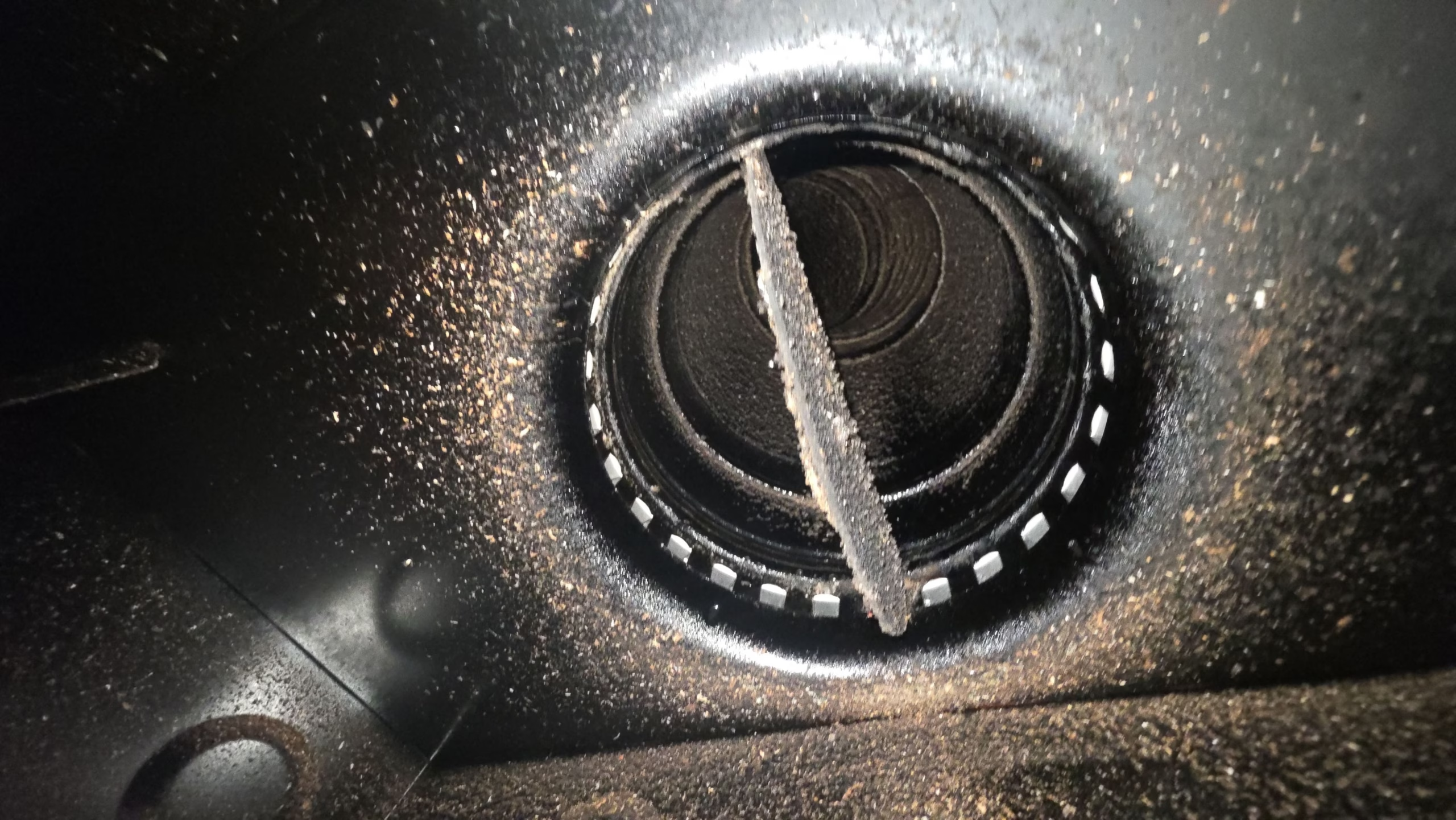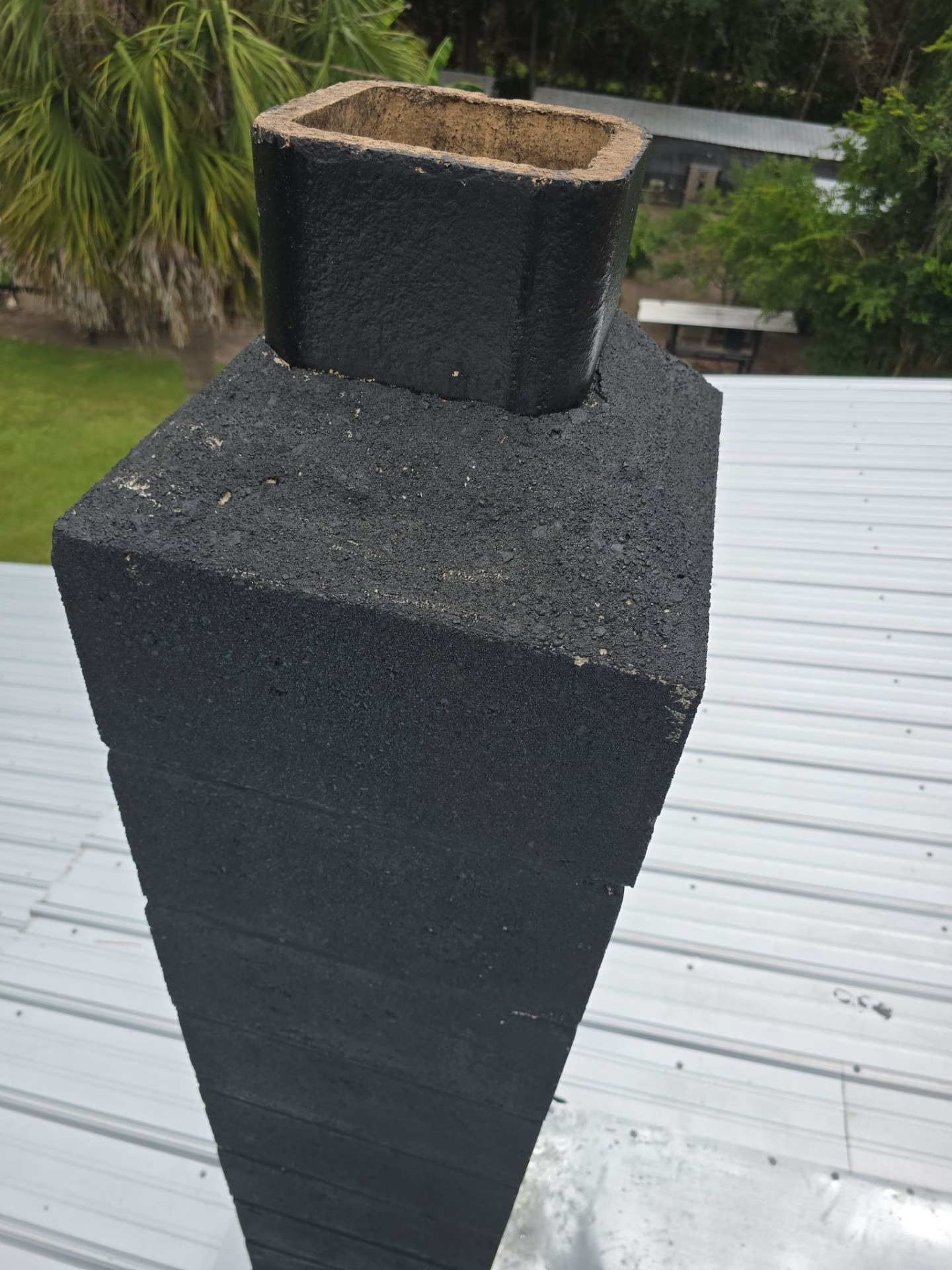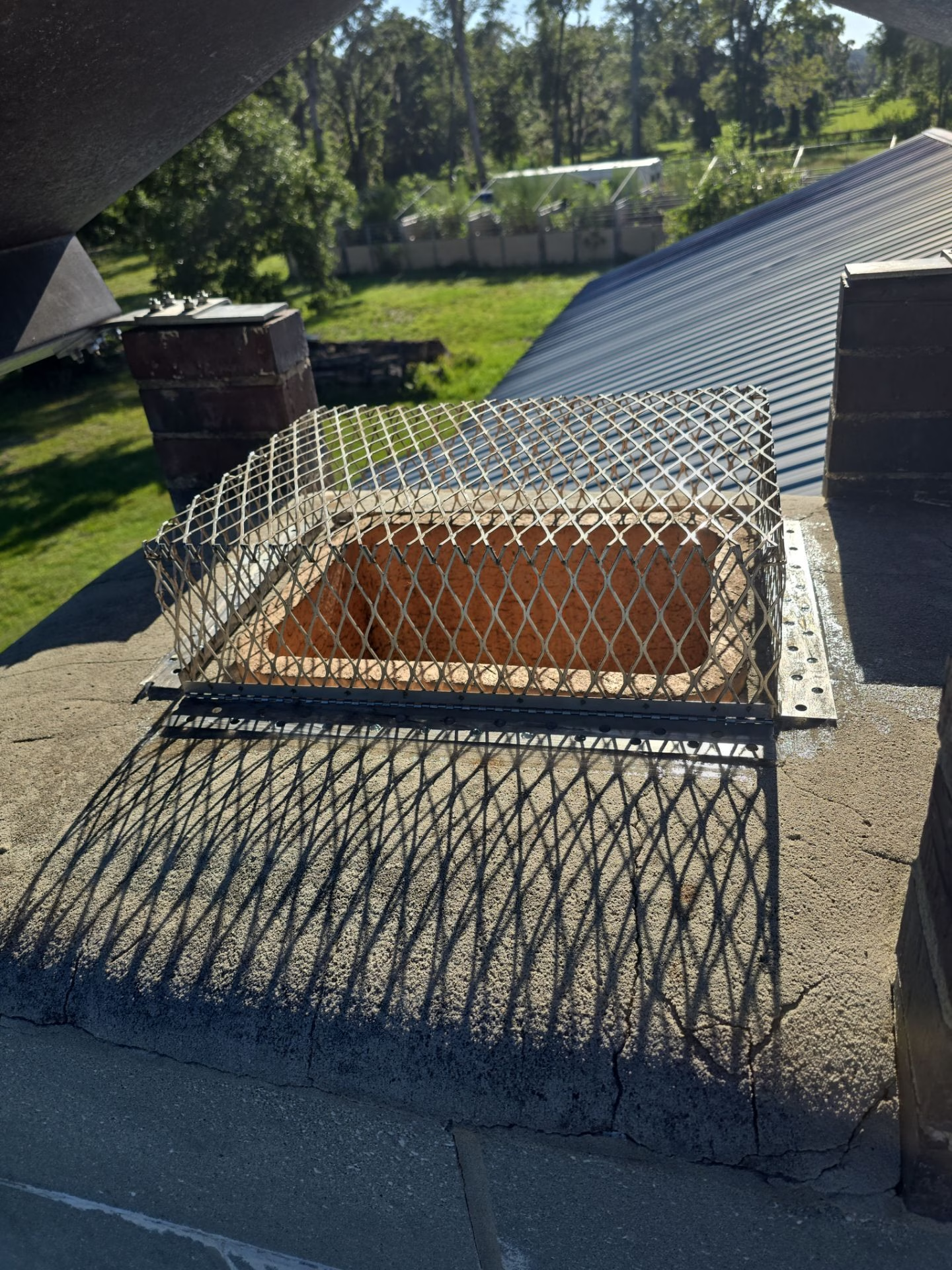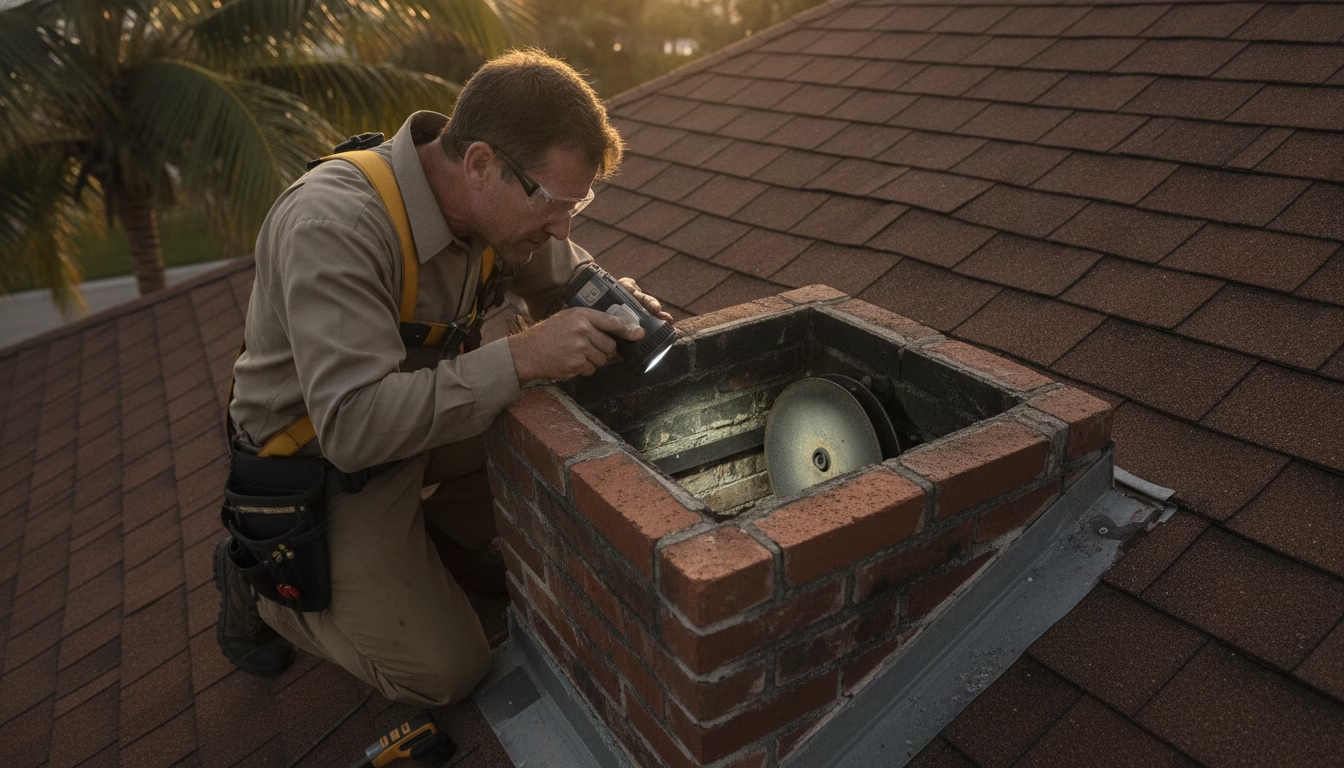
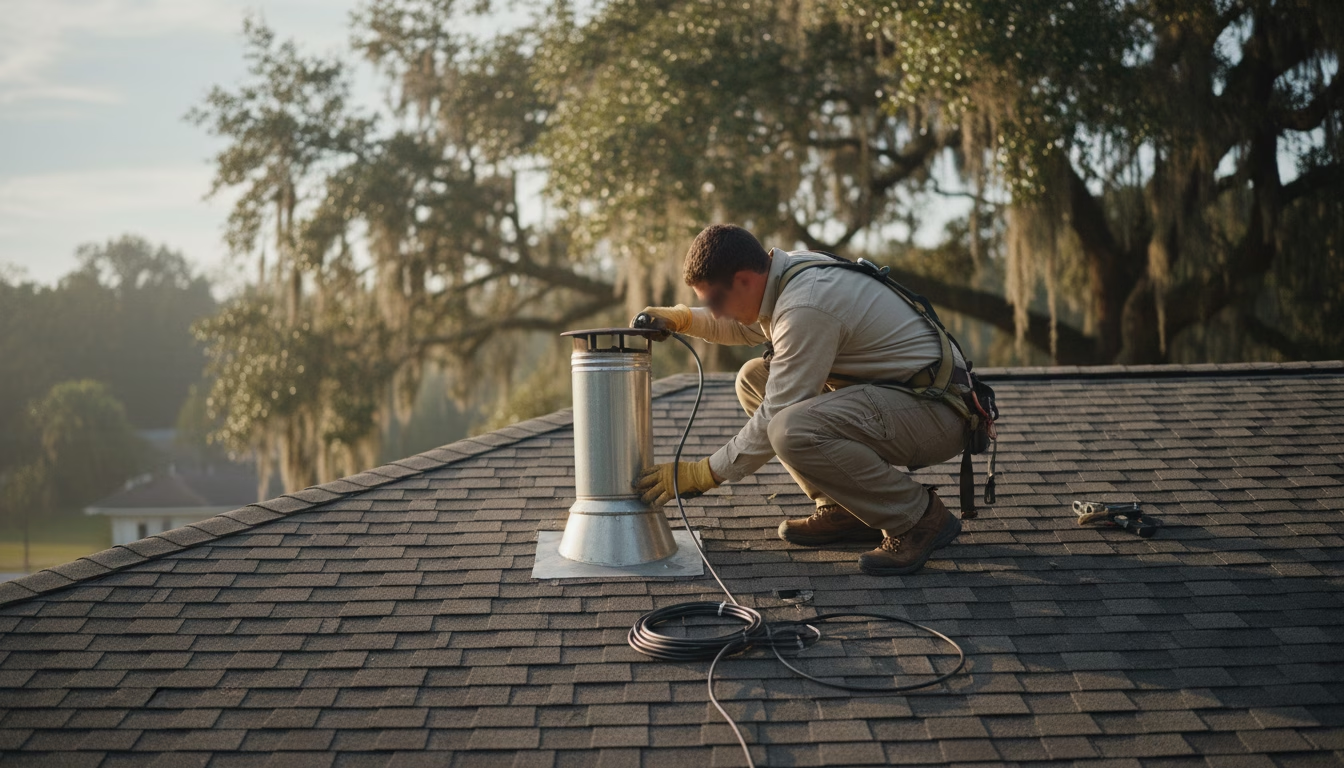
A chimney inspection High Springs FL homeowners schedule each year is the single best way to catch fire hazards before they become emergencies. Many folks assume a chimney is fine simply because a fire "draws well," but hidden creosote buildup, cracked flue liners, and animal nests cause most residential chimney fires. A trained technician can spot these issues long before they turn dangerous.
The National Fire Protection Association recommends annual inspections for every home with a fireplace or wood stove, regardless of how often it’s used. If you’re a High Springs homeowner who hasn’t had your chimney checked in the last twelve months, this guide walks through exactly what to expect, why it matters, and what warning signs deserve immediate attention.
📌 Key Takeaways
- Schedule a chimney inspection at least once a year, even for rarely-used fireplaces.
- Level 1 inspections cover routine annual checkups; Level 2 is required after a sale, renovation, or chimney fire.
- Creosote buildup, cracked crowns, and rusted dampers are the top issues found in North Central Florida chimneys.
- Florida’s humidity accelerates masonry deterioration, making inspections more urgent here than in drier climates.
- A CSIA-certified technician follows documented industry standards, not guesswork.
Quick Navigation
- What Is a Chimney Inspection?
- Why High Springs Homeowners Need Annual Inspections
- The Three Levels of Chimney Inspection Explained
- What Happens During Your Inspection
- Warning Signs You Shouldn’t Ignore
- Chimney Inspection vs. Chimney Sweep
- FAQ
What Is a Chimney Inspection?
Quick Answer: A chimney inspection is a documented visual and technical review of your flue, liner, cap, and masonry to confirm the system is safe to use. It’s different from a chimney sweep, which focuses on cleaning rather than diagnosing.
A proper inspection examines the entire venting system, not just what you can see from the fireplace. Technicians check the crown, flashing, cap, damper, and interior flue lining for cracks, gaps, or blockages. In many older High Springs homes, the masonry was built decades ago and has never been formally evaluated.
Why Documentation Matters
A written inspection report matters more than most homeowners realize. It creates a paper trail for insurance claims, home sales, and future repair decisions. According to the Chimney Safety Institute of America (CSIA), certified technicians follow a standardized checklist so nothing gets skipped or eyeballed.
💡 Expert Insight: I’ve walked into homes where the fireplace looked spotless but the flue liner had a six-inch crack hidden above the smoke chamber. Without a scope camera, that damage is invisible from the hearth.
Why High Springs Homeowners Need Annual Inspections
Quick Answer: Central Florida’s humid climate speeds up masonry breakdown and encourages mold and mildew inside unused flues. Annual inspections catch this deterioration before it leads to leaks or fire hazards.
Homes throughout High Springs, Alachua, and Newberry deal with heavy seasonal rain and high humidity most of the year. That moisture works its way into brick and mortar joints, weakening the structure from the inside out. A chimney inspection Alachua FL homeowners rely on often reveals water damage long before any visible leak appears indoors.
Regional Wear Patterns We See Often
Across our Gainesville, Newberry, and High Springs service calls, three issues repeat constantly: spalling brick from moisture cycles, deteriorated chimney crowns, and rusted dampers from humidity exposure. Homes near Crystal River and Dunnellon also see salt-air corrosion on metal components. These regional patterns are exactly why a generic checklist isn’t enough — the technician needs local experience.
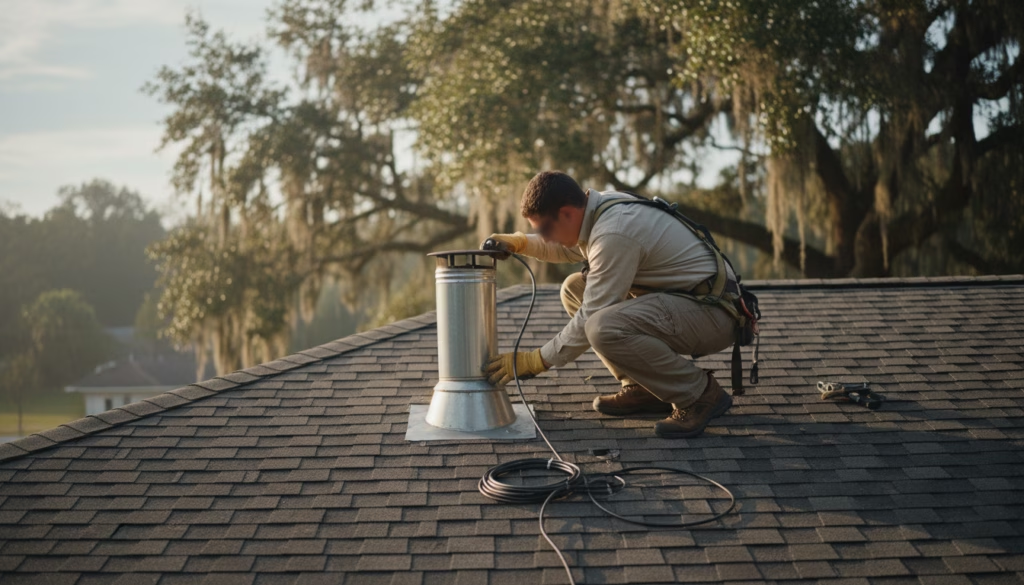
⚠️ Common Mistake: Skipping inspections because the fireplace "isn’t used much." Unused chimneys still trap moisture, attract wildlife nests, and develop mold — sometimes worse than actively-used ones.
The Three Levels of Chimney Inspection Explained
Quick Answer: Chimney inspections come in three levels, each triggered by different circumstances — routine annual checks, deeper evaluations after changes, and invasive assessments after damage.
Understanding which level applies to your situation helps set the right expectations before the technician arrives.
| Inspection Level | When It’s Needed | What’s Included |
|---|---|---|
| Level 1 | Routine annual maintenance, no known issues | Visual check of accessible flue, damper, and firebox |
| Level 2 | Home sale, chimney fire, relining, or system change | Level 1 plus video scan of flue interior and attic/crawlspace access points |
| Level 3 | Suspected hidden damage from Level 2 findings | May involve removing masonry or components to fully assess damage |
Choosing the Right Level for Your Home
Most High Springs homeowners only need a Level 1 inspection annually. However, if you’re buying or selling a home, had a chimney fire, or just finished a relining project, a Level 2 inspection is the appropriate standard of care.
📊 Data Point: The National Fire Protection Association (NFPA) reports that heating equipment, including chimneys and fireplaces, remains a leading cause of home structure fires in the United States each year.
What Happens During Your Inspection
Quick Answer: A technician examines the exterior masonry, interior flue with a video scope, damper function, and connected appliances, then delivers a written report with recommendations.
The process typically takes under an hour for a standard Level 1 visit. It starts outside with a look at the crown, cap, and flashing, then moves indoors to the firebox and damper.
Step-by-Step Walkthrough
- Exterior review of the chimney crown, cap, and masonry joints.
- Interior scope of the flue liner to check for cracks, creosote, or blockages.
- Damper operation test to confirm proper opening and sealing.
- Check for signs of water intrusion, mold, or pest activity.
- Written report with photos and repair recommendations, if any.
Our technicians hold Florida Contractor License #CRC1333200, Certified Chimney Sweep (CSIA) #10020, and Certified Master Chimney Technician #34 credentials, so every inspection follows documented industry procedure rather than a quick glance.
✅ Quick Tip: Ask for photos of the flue interior with your report. A picture of creosote buildup or a hairline crack makes the recommendation far easier to understand.
Warning Signs You Shouldn’t Ignore
Quick Answer: White staining on brick, rusted damper hardware, smoke smell when the AC runs, and visible cracks in the crown all signal it’s time for an inspection sooner rather than later.
Many of these signs are easy to dismiss as cosmetic, but they usually point to moisture intrusion or flue damage underneath.
Symptom-to-Action Guide
| Symptom | Likely Cause | Recommended Action |
|---|---|---|
| White chalky staining (efflorescence) | Moisture moving through masonry | Schedule inspection to check crown and flashing |
| Musty or smoky smell near AC vents | Chimney drawing air improperly | Read about why your AC makes the fireplace smell and book a check |
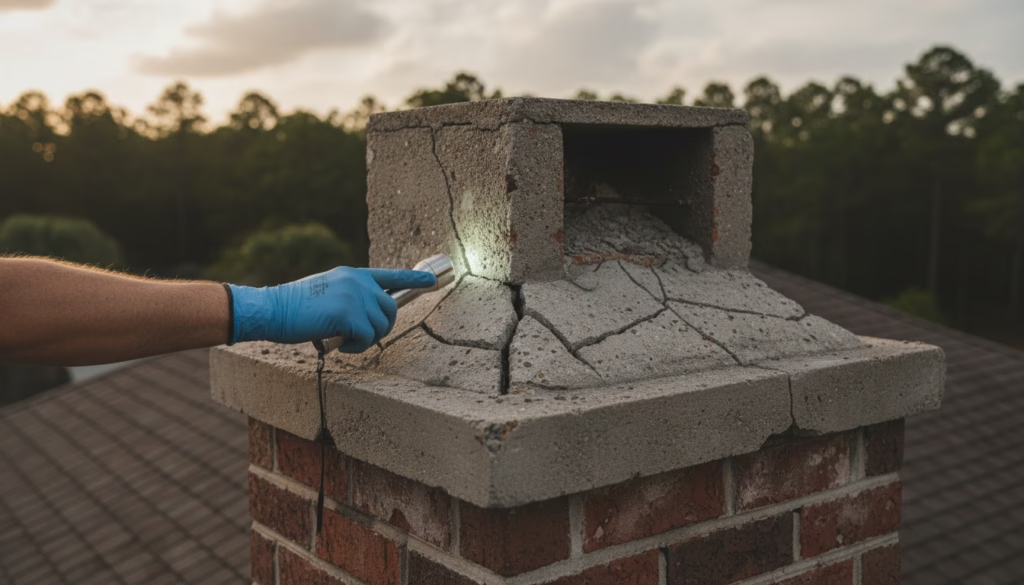
| Cracked or spalling crown | Water intrusion and freeze-thaw-like humidity cycling | See cracked chimney crown repair signs |
| Rust on damper or firebox | Ongoing moisture exposure | Request a damper repair evaluation |
💡 Expert Insight: If you smell smoke inside the house but haven’t used the fireplace in weeks, that’s often a sign of a failing damper seal or a blockage — not just "old house smell."
Chimney Inspection vs. Chimney Sweep: What’s the Difference
Quick Answer: An inspection diagnoses the condition of your system; a sweep physically removes soot and creosote. You often need both, but they’re not interchangeable services.
Some homeowners assume a sweep automatically includes an inspection, but that’s not always true depending on the provider.
Why You Shouldn’t Skip Either One
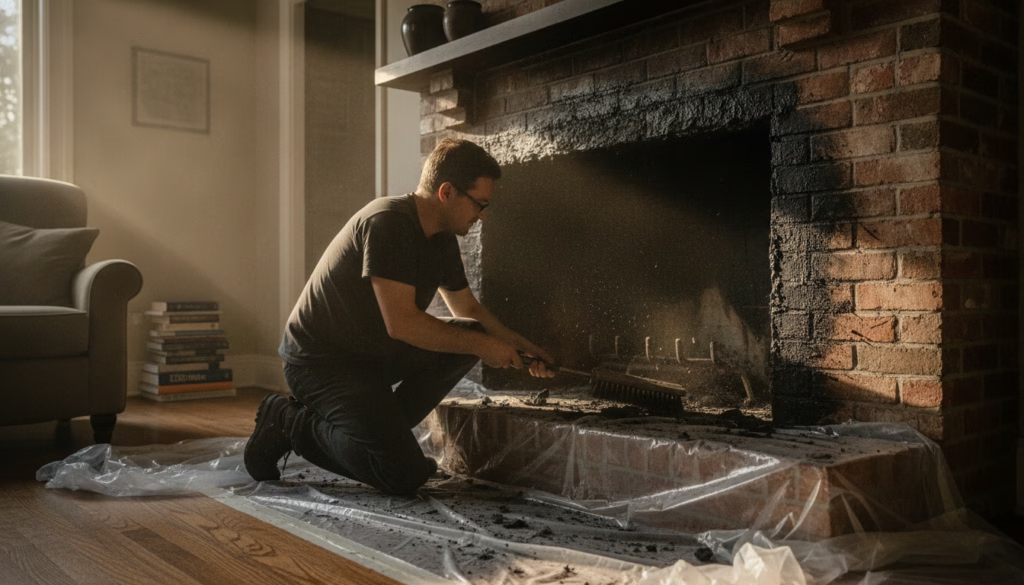
Creosote is a flammable tar-like byproduct of wood combustion that builds up inside the flue over time. According to the U.S. Environmental Protection Agency, incomplete combustion in wood-burning appliances increases creosote and particulate buildup, which is why regular cleaning paired with inspection matters. If our team finds structural issues during a sweep, we’ll recommend a full inspection and, if needed, masonry rebuilds and repair or a chimney relining service.
⚠️ Common Mistake: Hiring a sweep-only service and assuming the chimney has been "cleared" for safety. Cleaning removes buildup; it doesn’t confirm structural integrity.
Carbon monoxide exposure is another reason inspections matter beyond fire risk. The Consumer Product Safety Commission notes that blocked or damaged venting systems are a common contributor to CO buildup in homes. A blocked flue doesn’t just risk fire — it can force dangerous gases back into living spaces.
FAQ
How often should I get a chimney inspection in High Springs FL?
Most homes need one chimney inspection per year, ideally before the cooler months when fireplace use increases. Homes near High Springs and Alachua with heavy tree cover may benefit from a mid-year check too, since debris and nesting activity build up faster.
What does a chimney inspection cost in Florida?
Costs vary based on the inspection level and any access challenges, such as steep rooflines or multi-story chimneys. Rather than focus on price, ask what’s included — a Level 1 visual check is very different in scope from a full video-scoped Level 2 inspection.
Can I inspect my own chimney instead of hiring a professional?
A basic visual check from the ground is fine for spotting obvious damage like missing caps or visible cracks. However, interior flue conditions and hidden creosote buildup require a scope camera and trained eyes to evaluate safely and accurately.
Do gas fireplaces need chimney inspections too?
Yes, gas fireplace venting systems still need periodic checks for blockages, corrosion, and proper draft. If you’re considering a switch, our gas fireplace installation guide covers venting requirements in more detail.
What’s the difference between a chimney cap and a chimney inspection?
A chimney cap is a physical component that keeps water, debris, and animals out of the flue opening. An inspection is the diagnostic process that determines whether that cap, and everything else in the system, is functioning properly.
How long does a chimney inspection take?
A standard Level 1 inspection usually takes 30 to 60 minutes, depending on chimney height and accessibility. More involved Level 2 inspections, which include video scoping, can take longer since every foot of the flue is reviewed on camera.
Is a chimney inspection required before selling a home in Florida?
Florida doesn’t have a blanket statewide mandate, but many buyers, lenders, and home inspectors request one as part of the closing process. A documented Level 2 inspection report can prevent last-minute negotiation surprises during a home sale.
Final Thoughts
A reliable chimney inspection High Springs FL residents can count on isn’t just paperwork — it’s the difference between a safe winter fire and a preventable emergency. From creosote buildup to cracked crowns, most of the serious risks we find were invisible until someone actually looked with the right tools. Homes throughout Alachua, Newberry, Gainesville, and the surrounding communities share similar humidity-driven wear patterns, which makes annual checkups especially worthwhile here.
Here’s how to move forward:
- Note when your chimney was last inspected, or admit if you’re not sure.
- Watch for warning signs like staining, rust, or smoke odors between now and your next appointment.
- Schedule a Level 1 inspection annually, or a Level 2 after any major change to the system.
- Keep the written inspection report on file for insurance and resale purposes.
Our team holds Florida Contractor License #CRC1333200 and multiple CSIA and NFI certifications, and we treat every home the way we’d want our own family’s chimney treated. Contact us today to schedule a thorough chimney inspection for your High Springs area home.