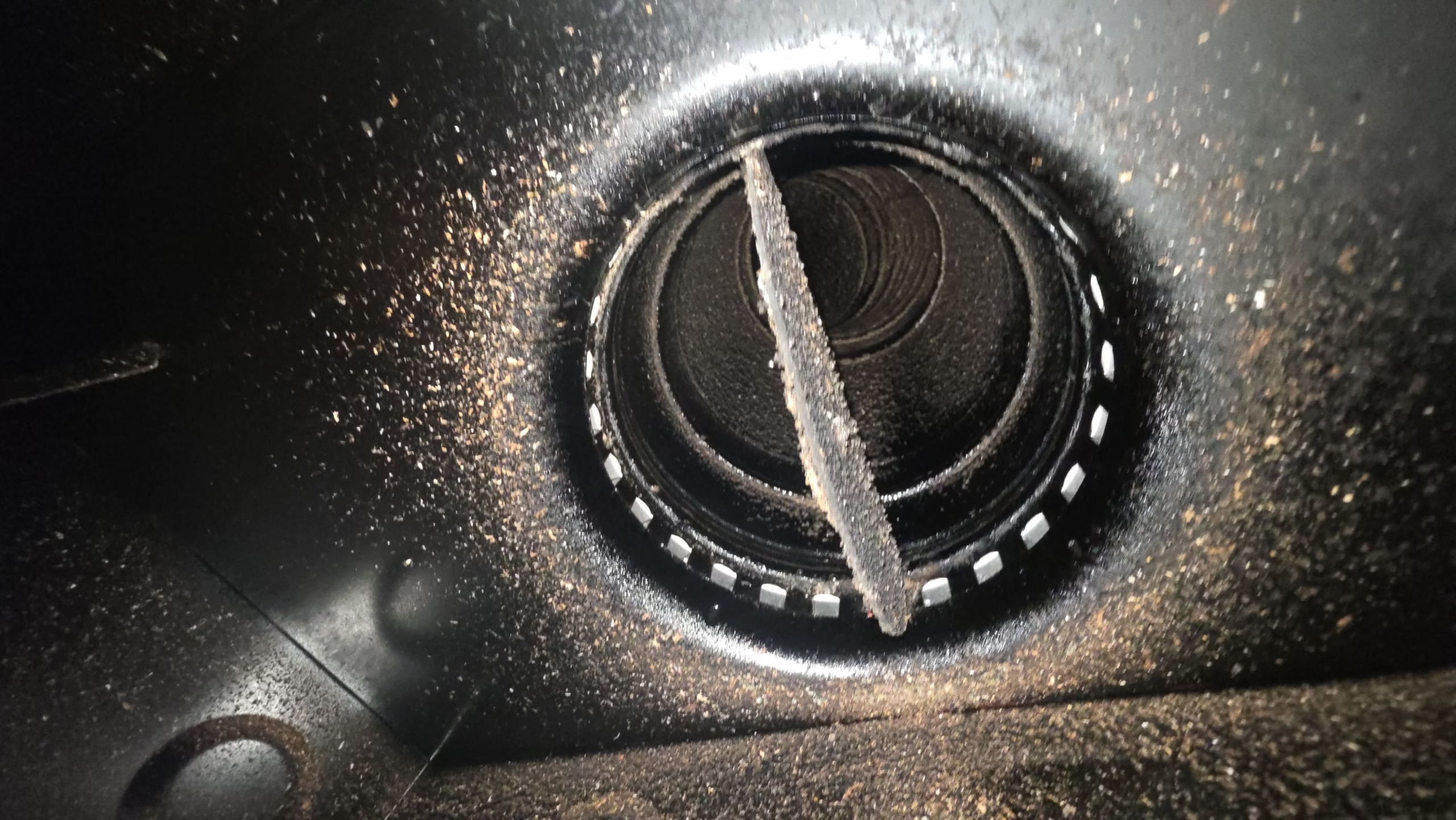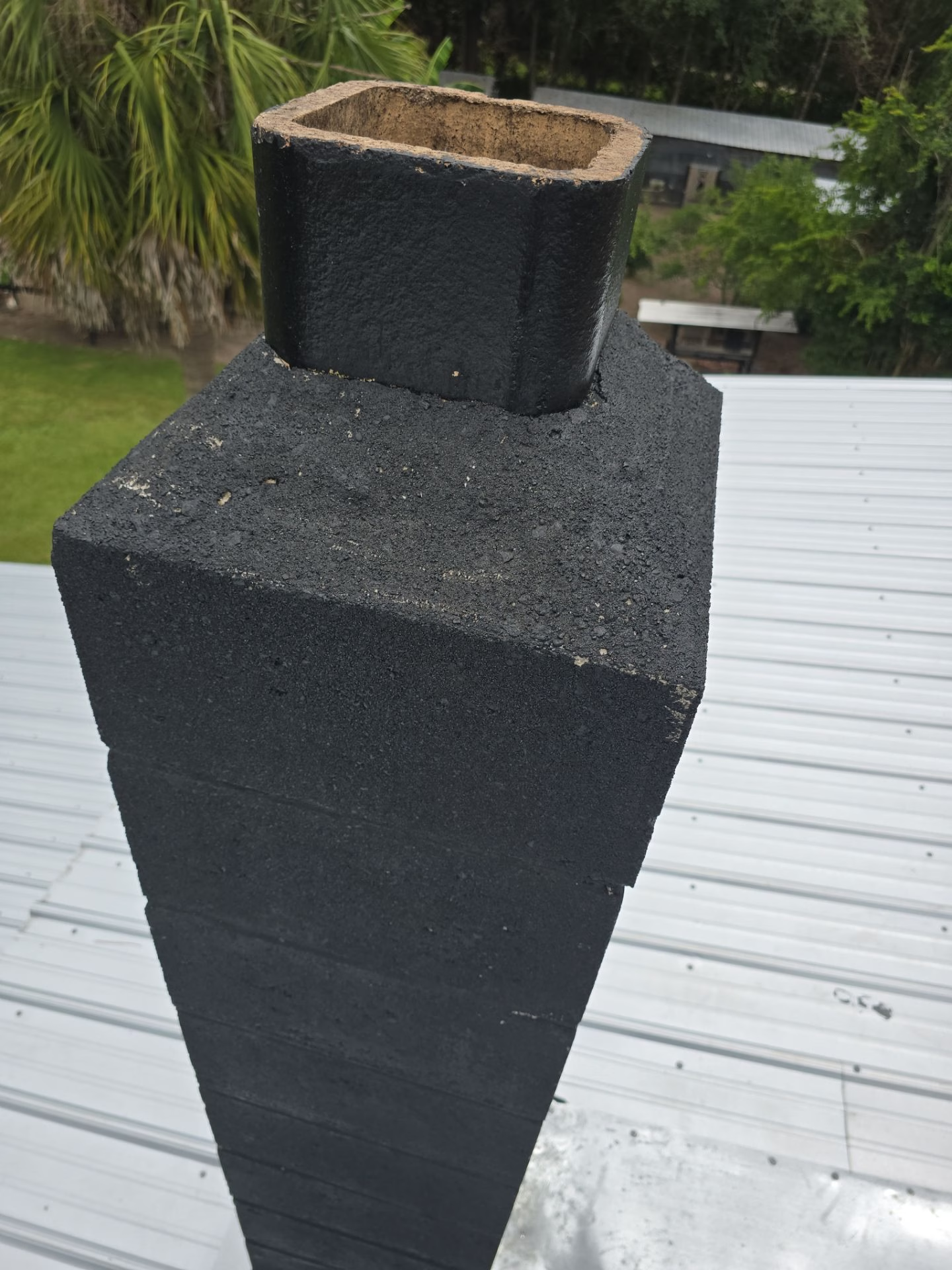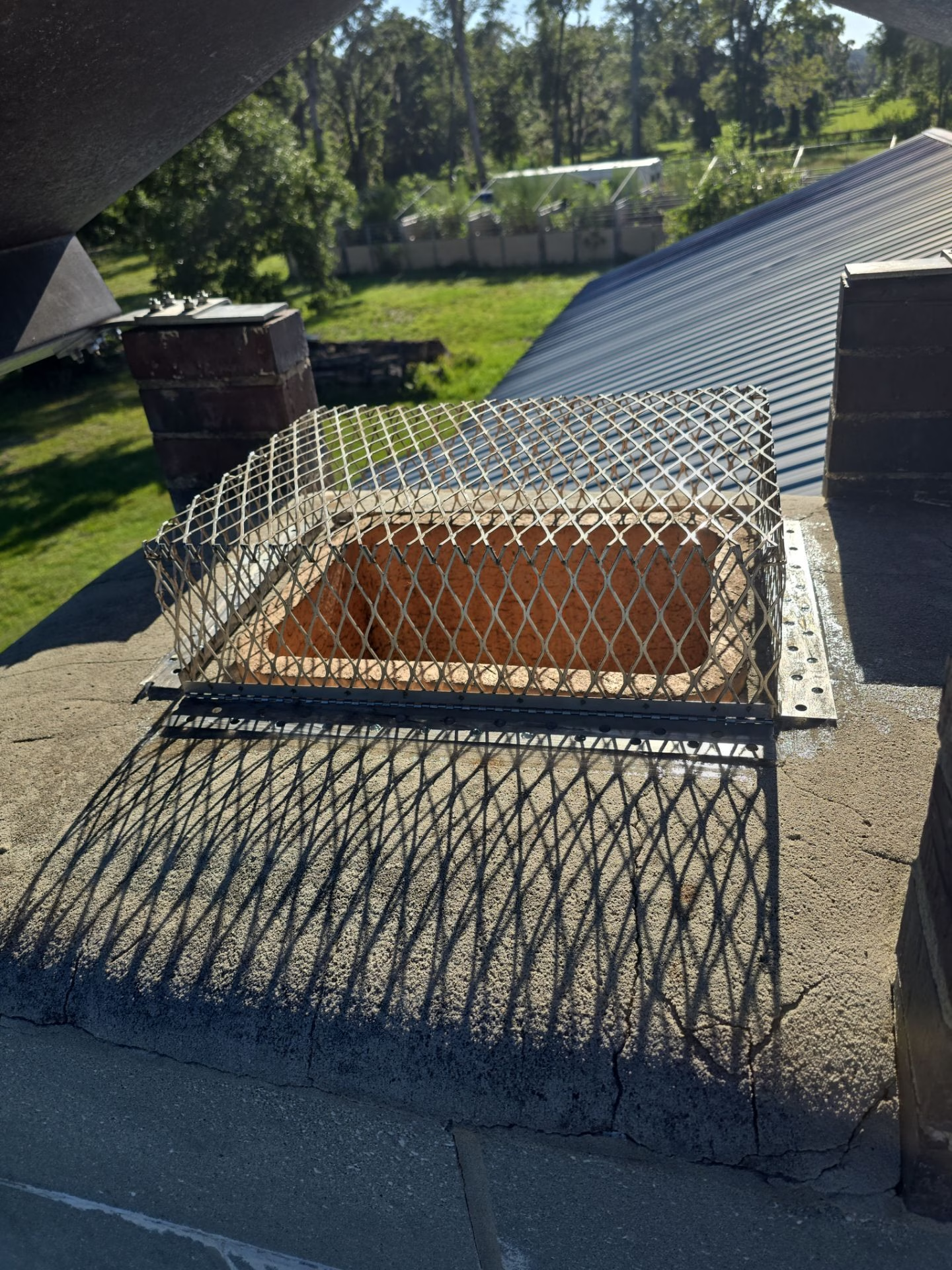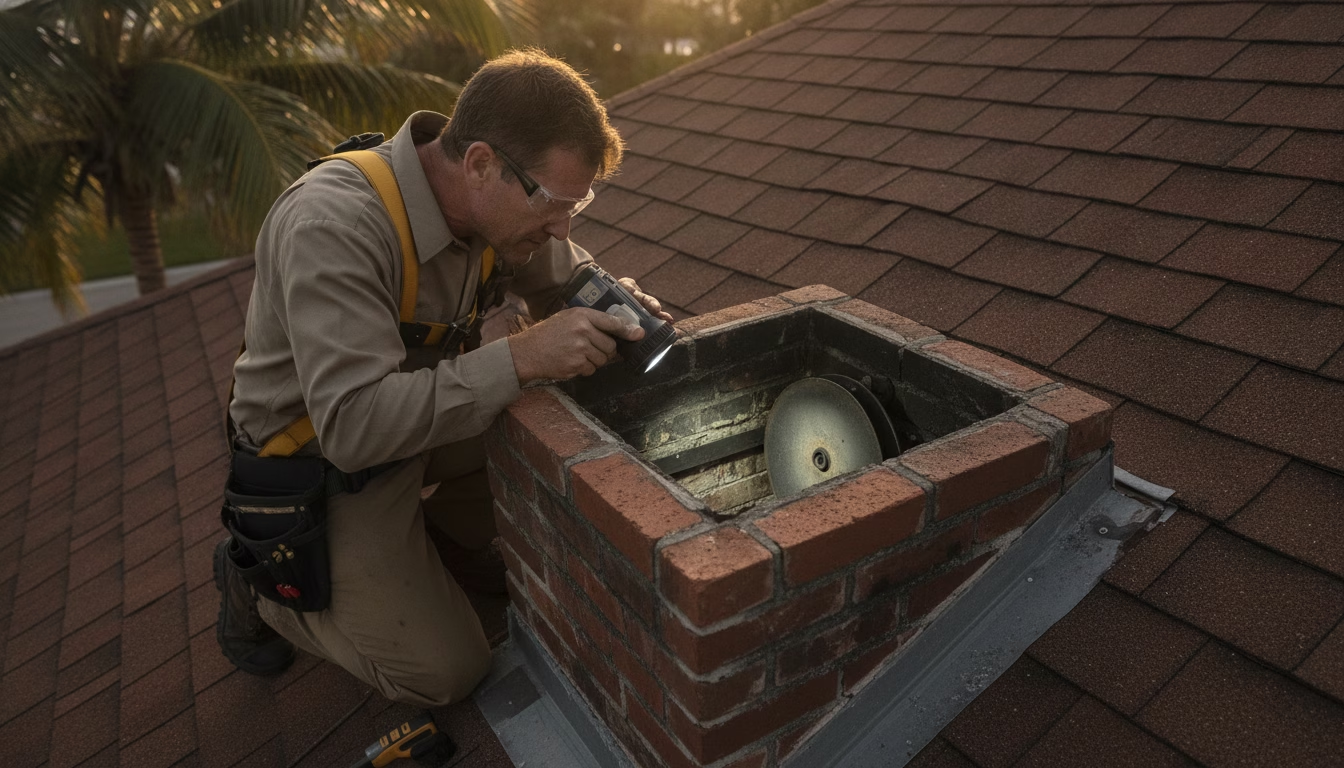
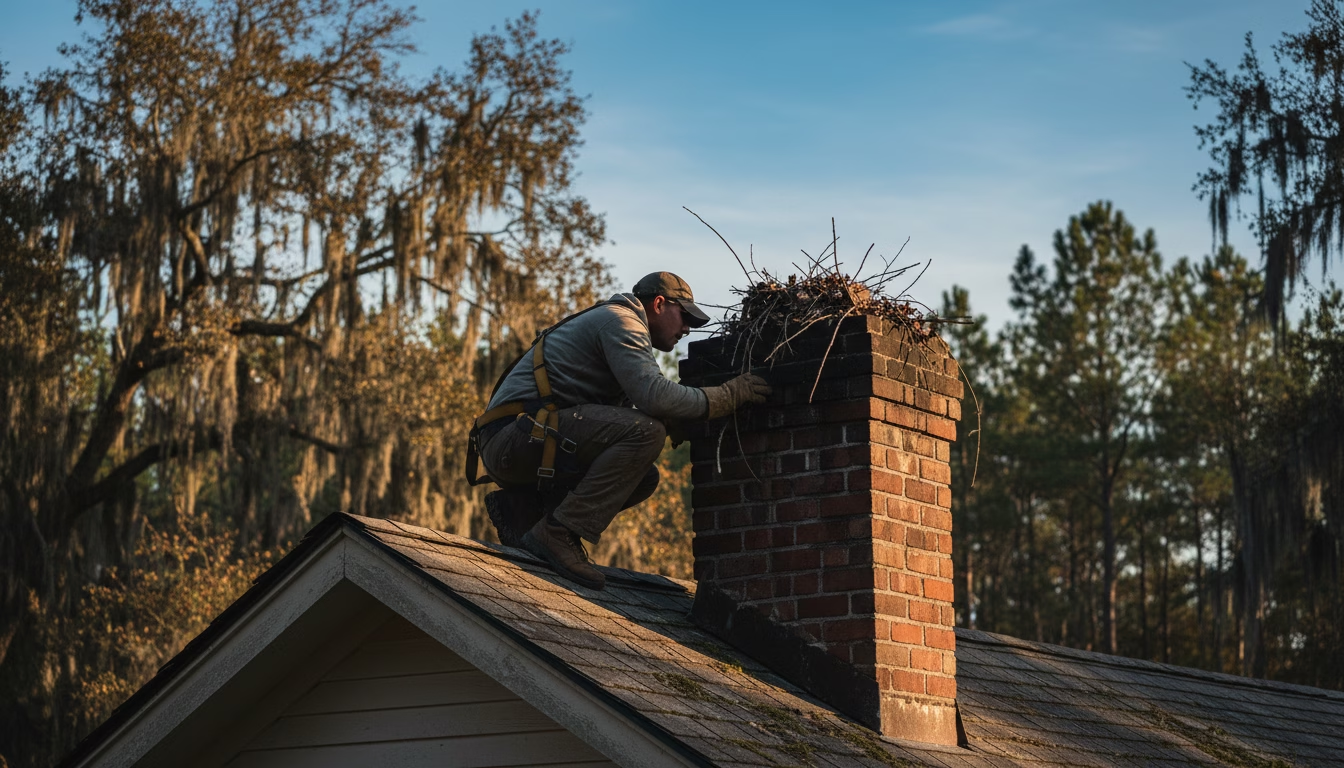
Chimney cap installation in High Springs FL is the single most affordable way to keep rain, animals, and embers out of your flue. A missing or damaged cap lets water pool on your chimney crown, which is often the first step toward costly masonry damage. If you’ve noticed rust streaks, animal noises, or a musty smell near your fireplace, a new cap is likely overdue.
Many homeowners assume a chimney is a simple, static structure that doesn’t need much attention. In reality, an open flue is basically an uncovered chimney pipe inviting rain, squirrels, and debris straight into your living room. We’ve walked into more than one High Springs attic where a bird’s nest had blocked the flue for months before anyone noticed the smoke smell. A properly fitted cap solves that problem in an afternoon.
📌 Key Takeaways
- A chimney cap keeps rain, animals, and debris out of your flue and helps prevent costly crown damage.
- Stainless steel caps generally outlast galvanized versions in Florida’s humid climate.
- Warning signs include rust stains, animal sounds, water in the firebox, and a musty odor.
- Professional installation includes a full flue and crown inspection, not just a cap swap.
- Always Fire and Gas holds Florida Contractor License #CRC1333200 and multiple CSIA certifications.
Jump to a section:
- Why Chimney Caps Matter for Florida Homes
- Warning Signs You Need a New Cap
- How Professional Chimney Cap Installation Works
- Comparing Chimney Cap Materials
- DIY vs. Professional Installation
- Serving High Springs and Nearby Communities
- FAQ
Why Chimney Caps Matter for Florida Homes
Quick Answer: A chimney cap blocks rainwater, wildlife, and falling debris from entering an open flue, protecting your masonry and indoor air quality. Without one, moisture damage and animal intrusion are only a matter of time.
Central Florida’s heavy summer storms send a surprising amount of water down an uncapped flue. That water settles on the chimney crown, the concrete slab at the top of the chase, and slowly cracks it over freeze-thaw-like humidity cycles. Once the crown cracks, water works its way into the masonry itself.
The Wildlife Problem
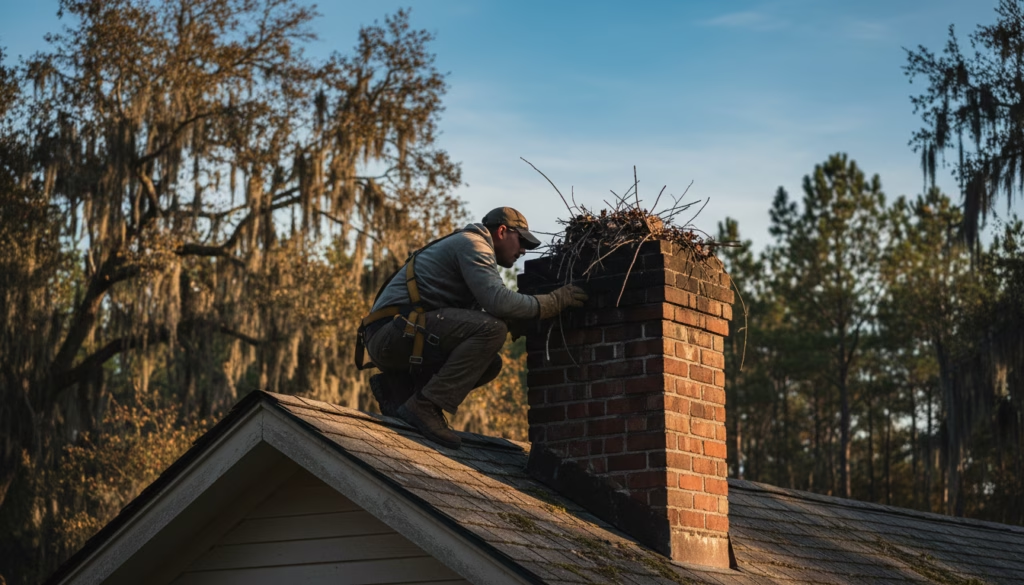
High Springs sits close to wooded areas where squirrels, raccoons, and birds regularly look for warm, dry nesting spots. An open chimney is an open invitation. A properly sized cap with mesh screening keeps these animals out while still allowing smoke and gases to vent safely.
💡 Expert Insight: According to the National Fire Protection Association, chimneys and vents are a leading contributor to home heating fires, and blocked or damaged venting is a common factor. A secure cap is a small investment against a serious risk.
Warning Signs You Need a New Cap
Quick Answer: Rust stains, animal noises, water in the firebox, and a musty smell are the clearest signs your existing cap has failed or was never installed. Catching these early prevents bigger repairs later.
Most homeowners don’t think about their chimney cap until something goes wrong. By the time you notice a stain on the ceiling near the fireplace, water has likely been entering for weeks or months.
Common Symptoms and What They Mean
| Symptom | Likely Cause | Recommended Action |
|---|---|---|
| Rust-colored streaks on the chimney exterior | Failing metal cap or flashing | Schedule a chimney cap and flashing inspection |
| Scratching or chirping sounds | Animal nesting in an open flue | Cap installation with mesh screening |
| Water pooling in the firebox after rain | Missing or undersized cap | Cap replacement sized to the flue |
| Musty or smoky odor with no fire burning | Moisture trapped in the flue | Combined cap and crown inspection |
⚠️ Common Mistake: Homeowners often buy a generic hardware-store cap without measuring the flue opening correctly. An ill-fitting cap can blow off in a storm or leave gaps large enough for small animals to squeeze through.
If you’re seeing more than one of these symptoms, it’s worth scheduling a chimney inspection alongside your cap evaluation. A trained technician can also check for related issues like a cracked chimney crown, since a damaged crown and a missing cap often show up together.
How Professional Chimney Cap Installation Works
Quick Answer: A proper installation starts with a flue inspection, correct measurement of the opening, and selection of a durable material, followed by a secure, weathertight fit. It typically takes less than a day for a standard single-flue chimney.
We treat every chimney cap installation in High Springs FL as more than a quick part swap. The flue, crown, and flashing all interact, so we inspect the full system before recommending a fix.
Step-by-Step Process
- Inspect the flue and crown. We check for existing cracks, rust, or gaps before measuring for the new cap.
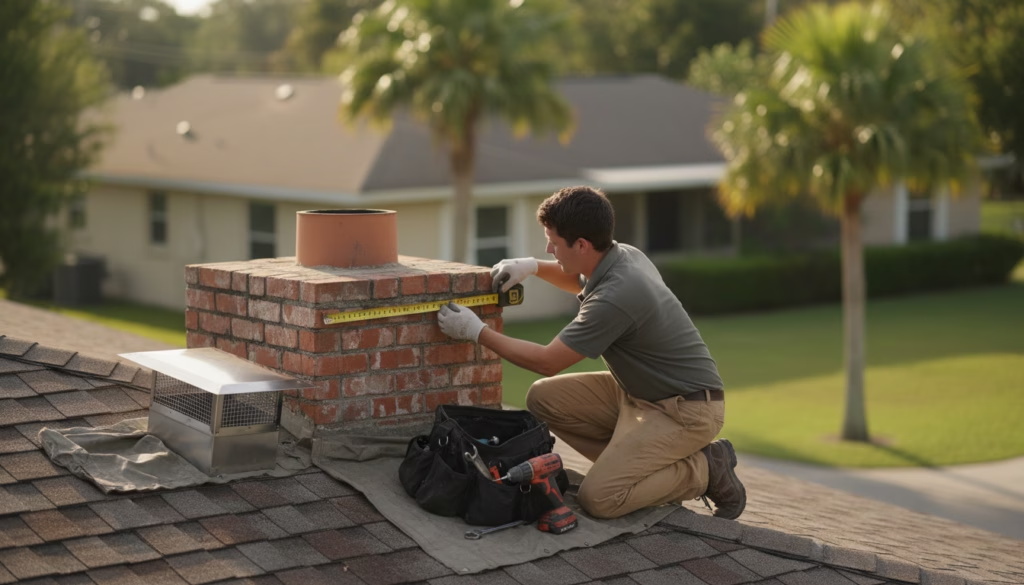
- Measure the flue opening precisely. Round and rectangular flues both require exact dimensions for a secure fit.
- Select the right cap style. Single-flue, multi-flue, and chase covers each solve slightly different problems.
- Install and seal the cap. We secure the cap with corrosion-resistant fasteners and seal any gaps against moisture.
- Final function check. We confirm proper draft and airflow before we consider the job complete.
✅ Quick Tip: Ask whether your installer checks the chimney crown at the same visit. A new cap on top of a cracked crown only solves half the problem.
Our technicians hold Certified Master Chimney Technician (#34), Certified Chimney Journeyman (#5053), and CSIA Certified Chimney Specialist (#59) credentials, along with Florida Contractor License #CRC1333200. That combination means the same visit can address caps, crowns, and related leaky chimney repair work if needed.
Comparing Chimney Cap Materials
Quick Answer: Stainless steel caps hold up best in Florida’s humidity and salt-air exposure near the Gulf side of our service area, while galvanized steel and copper offer lower- and higher-cost alternatives with different lifespans.
Material choice matters more in Florida than in drier climates. Humidity, afternoon storms, and coastal air all accelerate corrosion on lower-grade metals.
Material Options
| Material | Durability in FL Climate | Best For |
|---|---|---|
| Stainless steel | Excellent; resists rust and corrosion | Most Florida homes, including humid or coastal areas |
| Galvanized steel | Moderate; can rust over time | Budget-conscious replacements with shorter expected lifespan |
| Copper | Excellent; develops a protective patina | Homeowners wanting a decorative, long-lasting finish |
📊 Data Point: The CSIA (Chimney Safety Institute of America) notes that regular chimney maintenance, including functional caps, is a core part of preventing chimney fires and structural deterioration. Material selection directly affects how long that protection lasts.
We generally recommend stainless steel for most homes we serve, from Alachua to Micanopy, because it balances long-term performance with a clean appearance that suits both traditional and modern masonry.
DIY vs. Professional Installation
Quick Answer: DIY cap installation can work for simple, easily accessible chimneys, but professional installation ensures correct sizing, secure fastening, and a related inspection of the crown and flashing.
Roof work carries real fall risk, and an improperly fitted cap can undo the benefit entirely. Weigh the trade-offs before deciding.
Side-by-Side Comparison
| Factor | DIY Installation | Professional Installation |
|---|---|---|
| Safety | Roof access risk without fall protection | Trained technicians with proper equipment |
| Fit accuracy | Often estimated, not measured | Precisely measured to the flue |
| System check | Cap only | Cap, crown, flashing, and flue reviewed together |
| Long-term protection | Variable, depends on installer skill | Consistent, code-aware installation |
💡 Expert Insight: As of 2026, roof-related falls remain a leading cause of home-repair injuries tracked by OSHA, which is one reason we recommend professional installation for anything beyond a single-story, easily accessible flue.
Serving High Springs and Nearby Communities
Quick Answer: We install and service chimney caps throughout High Springs and neighboring communities, including Alachua, Gainesville, Newberry-area homes, and out toward Micanopy and Hawthorne.
High Springs’ mix of older masonry homes and newer construction means we see everything from historic crowns needing careful cap sizing to newer flues that just need a first-time cap. The same humid, storm-prone climate affects every home in the region similarly.
Where Else We Work
We also regularly handle chimney cap installation and related chimney services in Gainesville, Alachua, Micanopy, and communities across our broader Marion and Alachua County service area. If your home is outside High Springs proper, our Gainesville service area page has additional local detail. Many of these same homeowners also ask us about chimney cleaning cost factors once a cap inspection uncovers buildup inside the flue.
✅ Quick Tip: If you’re unsure whether your home falls inside our service area, reach out through our contact page — we’re happy to confirm before scheduling.
FAQ
How much does chimney cap installation cost in High Springs FL?
Costs vary based on flue size, material, and whether crown or flashing repair is also needed. We provide a clear, itemized recommendation after an on-site inspection rather than a generic estimate.
How do I know if my chimney cap needs to be replaced?
Rust stains, visible gaps, animal activity, or water reaching the firebox after rain are the clearest signs. A quick inspection can confirm whether repair or full replacement makes more sense.
Can I install a chimney cap myself?
You can, but roof access carries fall risk and incorrect sizing is common with store-bought caps. Professional chimney cap installation ensures a secure, weathertight fit and includes a check of the crown and flashing.
What is the best material for a chimney cap in Florida?
Stainless steel typically performs best in Florida’s humidity, resisting rust far longer than galvanized steel. Copper is a durable, higher-end alternative for homeowners wanting a decorative finish.
Does a chimney cap stop animals from getting into my chimney?
Yes, a properly fitted cap with mesh screening blocks squirrels, birds, and raccoons from nesting in the flue. Without one, animal intrusion is one of the most common chimney problems we see in our service area.
How long does chimney cap installation take?
Most standard single-flue installations take a few hours, including the inspection. Multi-flue chimneys or jobs that uncover crown damage may take longer to address properly.
Who do I call for chimney cap service near me in High Springs FL?
Look for a licensed, CSIA-certified chimney company with experience in Florida’s climate. Always Fire and Gas holds Florida Contractor License #CRC1333200 and several CSIA certifications, and serves High Springs and the surrounding area.
Final Thoughts
Chimney cap installation in High Springs FL is a small job with an outsized impact on protecting your home from water, wildlife, and debris. Left unaddressed, a missing or failing cap can lead to crown damage, masonry deterioration, and unwelcome animal guests. The good news is that catching the warning signs early keeps the fix simple and affordable in terms of effort and hassle.
Here’s how to move forward:
- Walk outside and visually check your chimney for rust, gaps, or an obviously missing cap.
- Note any recent water stains, odors, or animal sounds near the fireplace.
- Schedule a professional chimney cap installation and inspection before the next major storm season.
- Ask your technician to check the crown and flashing at the same visit.
Always Fire and Gas is a licensed Florida contractor (#CRC1333200) serving High Springs and the surrounding communities with certified chimney technicians. Contact us today to schedule your chimney cap inspection and protect your home before the next storm rolls through.