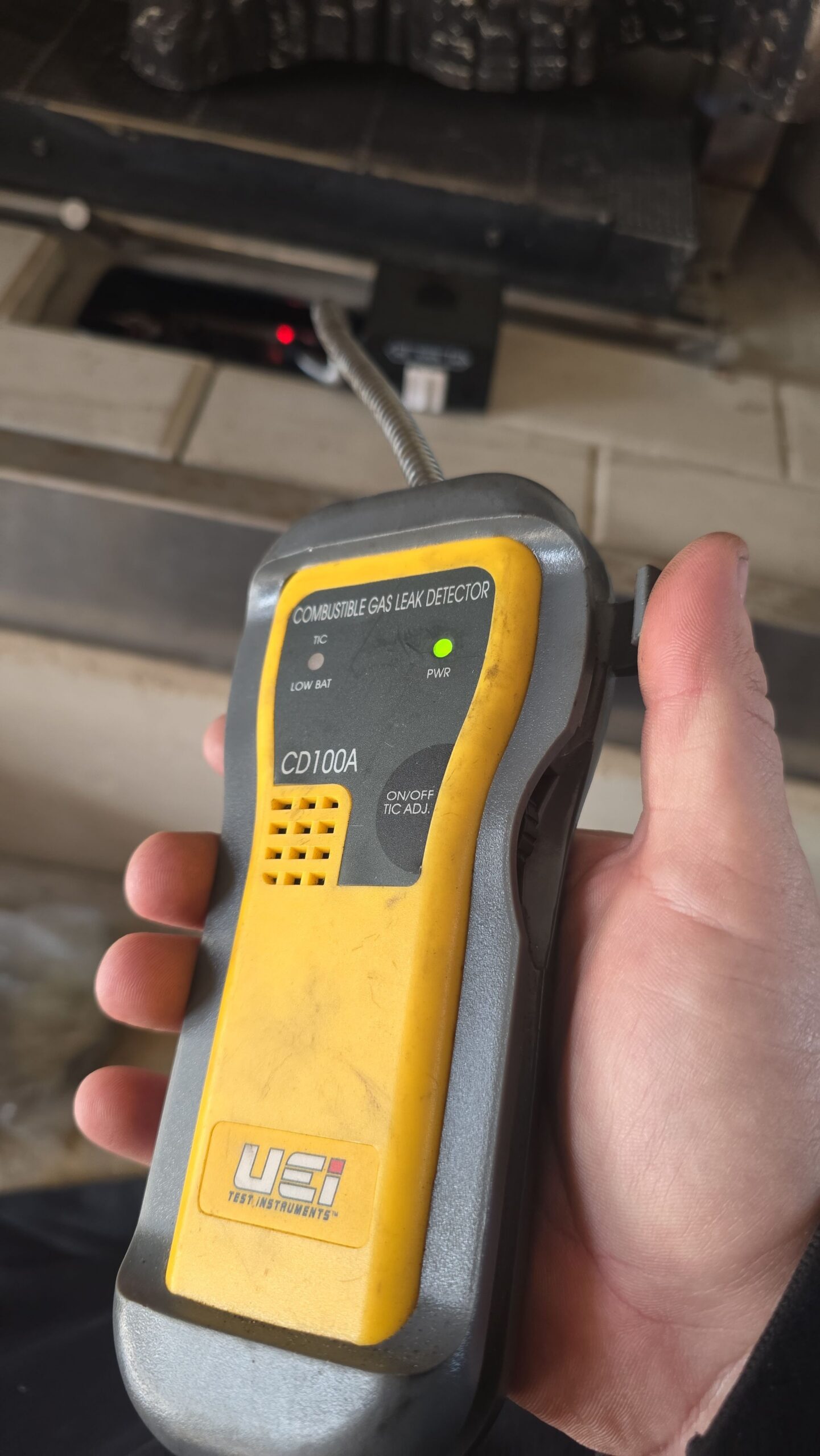
Gas fireplace inserts are sealed, high-efficiency units that slide into an existing masonry or prefab firebox to deliver real heat without the mess of wood. If your old wood fireplace sits cold most of the year, or you’re worried about creosote buildup and drafty chimneys, an insert solves both problems at once. It’s one of the fastest ways to make a rarely-used fireplace safe, efficient, and actually enjoyable again.
At Always Fire & Gas, we’ve been doing this kind of work in North Central Florida since 1982. We’ve seen firsthand what happens when an insert gets installed without the right liner or clearance — and we’ve seen how a properly done job gives a homeowner decades of worry-free warmth. This guide walks you through what gas fireplace inserts actually are, how they’re installed, and what it takes to keep one running safely in a Florida home.
📌 Key Takeaways
- Gas fireplace inserts fit inside your existing firebox and vent through a sealed liner, unlike open wood fireplaces.
- Vented inserts are safer for most Florida homes; ventless models have real limitations worth understanding first.
- A proper installation requires a correctly sized chimney liner and a licensed gas technician, not a general handyman.
- Annual inspection catches liner corrosion, pilot issues, and venting blockages before they become safety problems.
- Always Fire & Gas installs under two state licenses and six national certifications, backed by a written ZERO Mess Guarantee.
In This Guide:
- What Is a Gas Fireplace Insert and How Does It Work?
- Why Ocala Homeowners Are Switching to Gas Inserts
- Choosing the Right Gas Fireplace Insert for Your Home
- What to Expect From a Licensed Installation
- Maintaining Your Insert Year After Year
- Frequently Asked Questions
What Is a Gas Fireplace Insert and How Does It Work?
Quick Answer: A gas fireplace insert is a self-contained firebox, usually steel or cast iron, that fits inside an existing fireplace opening and burns natural gas or propane through a sealed combustion system. It’s different from a standalone gas log set because it’s built to seal the old opening and dramatically improve efficiency.
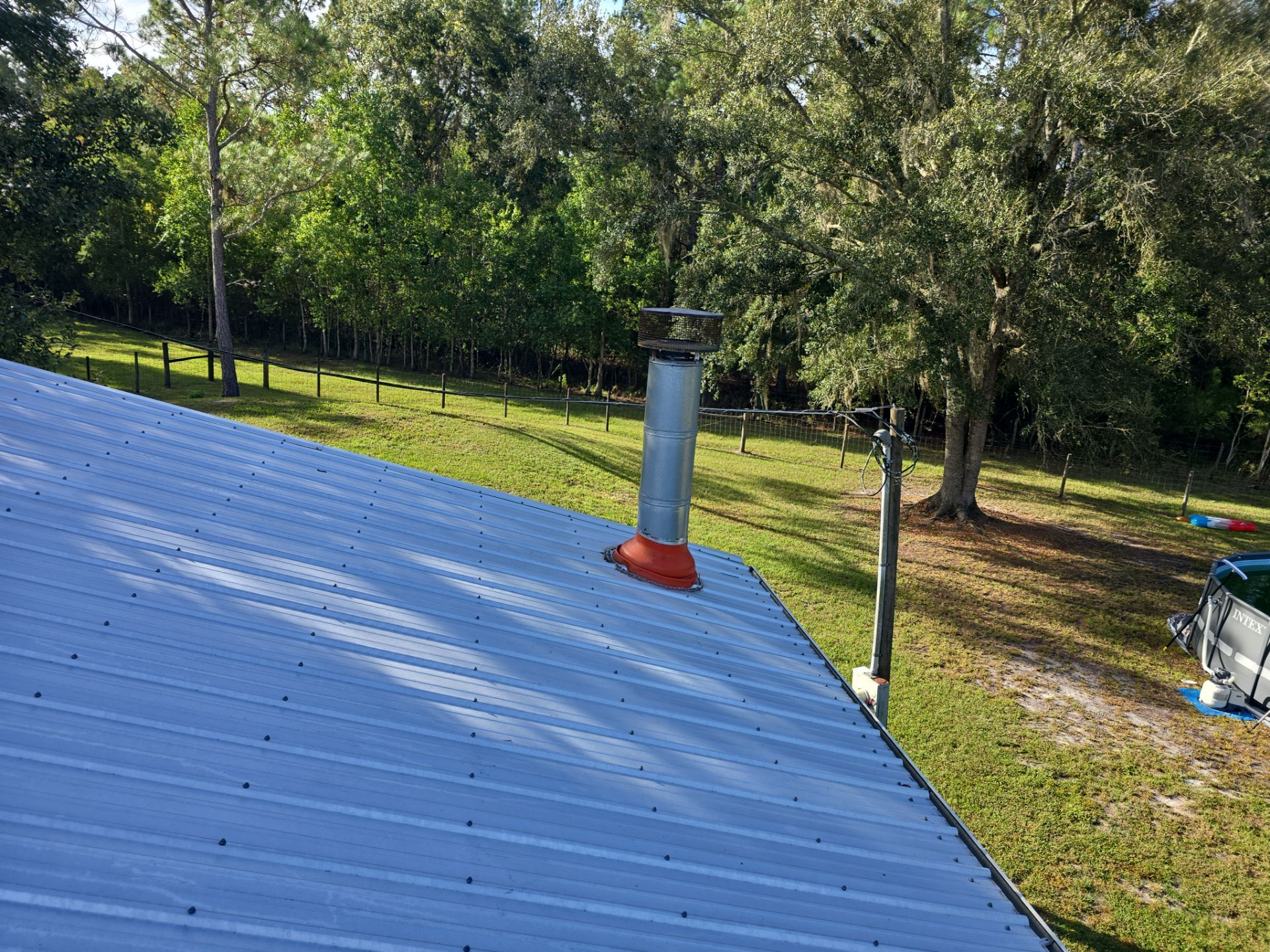
The unit connects to a gas line and, in most cases, to a stainless steel liner that runs up your existing chimney. That liner, sometimes called a flue liner, carries combustion byproducts safely outside instead of letting them spill into the room. Without a correctly sized liner, exhaust gases can back up — which is exactly the kind of hidden danger we train for.
Vented vs. Ventless Inserts
Vented inserts use a liner or direct-vent pipe to exhaust combustion gases outside the home, which is why most Florida code officials and insurers prefer them. Ventless (unvented) inserts burn cleaner fuel and release byproducts into the living space, relying on oxygen depletion sensors for shutoff.
⚠️ Common Mistake: Homeowners sometimes install a ventless insert into a chimney meant for a vented unit, or vice versa, because the fireplace openings look similar. The two systems are not interchangeable, and getting it wrong can mean a failed inspection or a safety hazard.
According to the National Fire Protection Association, chimney and venting systems must match the appliance’s listed venting category exactly — this isn’t a place to improvise. A licensed technician checks your existing flue, home size, and ventilation before recommending either option.
Why Ocala Homeowners Are Switching to Gas Fireplace Inserts
Quick Answer: Gas inserts remove the two biggest headaches of an old wood fireplace — creosote buildup and heat loss through an open flue — while giving you instant warmth at the flip of a switch. For a fireplace you only use a handful of nights a year, that reliability matters.
We work across Marion County, including Ocala, Dunnellon, Belleview, and out toward The Villages and Orlando, and the pattern is consistent. Older homeowners want proof the job is done right before anyone touches their chimney, and transaction-driven homeowners — sellers, buyers, HOA residents — want documentation an inspector or agent won’t flag.
Safety Benefits Over Wood-Burning Fireplaces
A neglected wood-burning fireplace builds up creosote, a flammable byproduct of incomplete combustion, inside the flue. The U.S. EPA notes that wood smoke also contributes fine-particle pollution that can affect indoor and outdoor air quality. A sealed gas insert largely eliminates both concerns because it burns cleaner and contains combustion inside a closed firebox.
💡 Expert Insight: In nine years doing this work, the leaky, cracked, or creosote-choked chimneys I inspect are almost always wood-burning units that haven’t been swept in years. Converting to an insert doesn’t just add convenience — it removes an entire category of fire risk from the home.
Energy Efficiency and Comfort
Open wood fireplaces actually pull warm conditioned air out of the house and up the chimney, which is wasteful in a Florida home running air conditioning most of the year. A sealed gas insert, by contrast, is a closed combustion system that doesn’t compete with your HVAC for air.
📊 Data Point: According to the U.S. Department of Energy, traditional open masonry fireplaces can be only 5-10% efficient at heating a room, while modern gas inserts can reach much higher efficiency because the firebox is sealed and insulated.
That efficiency gain matters even in a mild Florida climate, where homeowners want warmth on the occasional cold snap night without an energy penalty the rest of the year. Explore our gas fireplace options to see which style fits an existing opening.
Choosing the Right Gas Fireplace Insert for Your Home
Quick Answer: The right insert depends on your existing fuel source, firebox size, and how much heat output you actually need. Natural gas, propane, size, and venting type are the four variables that determine fit.
Most Ocala-area homes already run on propane, since natural gas lines aren’t available everywhere in Marion County. That makes propane inserts common, though homes closer to municipal gas lines in town can often convert directly.
Natural Gas vs. Propane Inserts
Both fuel types burn similarly clean and heat comparably well; the real difference is supply. Propane requires a tank, which may need LP tank installation or relocation if an HOA wants it out of sight. Natural gas requires an existing utility line nearby, which our team can confirm during a site visit.
| Factor | Natural Gas Insert | Propane Insert |
|---|---|---|
| Fuel source | Municipal gas line | On-site LP tank |
| Best for | Homes already on gas lines | Rural or HOA-restricted properties |
| Tank visibility | Not applicable | May need screening or relocation |
| Typical availability | Limited in parts of Marion County | Available almost anywhere |
| Conversion complexity | Moderate | Moderate to higher if tank move needed |
✅ Quick Tip: If an HOA in a community like Stonebridge or On Top of the World is pushing you to hide a propane tank, ask about relocation and screening options before assuming you need an entirely different fuel source.
What to Expect From a Licensed Installation
Quick Answer: A proper installation includes a firebox inspection, correct liner sizing, a certified gas connection, and a final safety test — not just sliding a unit into place. Skipping any of those steps is how insurance claims and failed inspections happen.
Here’s generally how the process unfolds:
- We inspect the existing firebox, flue, and chimney structure for damage or code issues.
- We size and install a liner matched to the insert’s venting category.
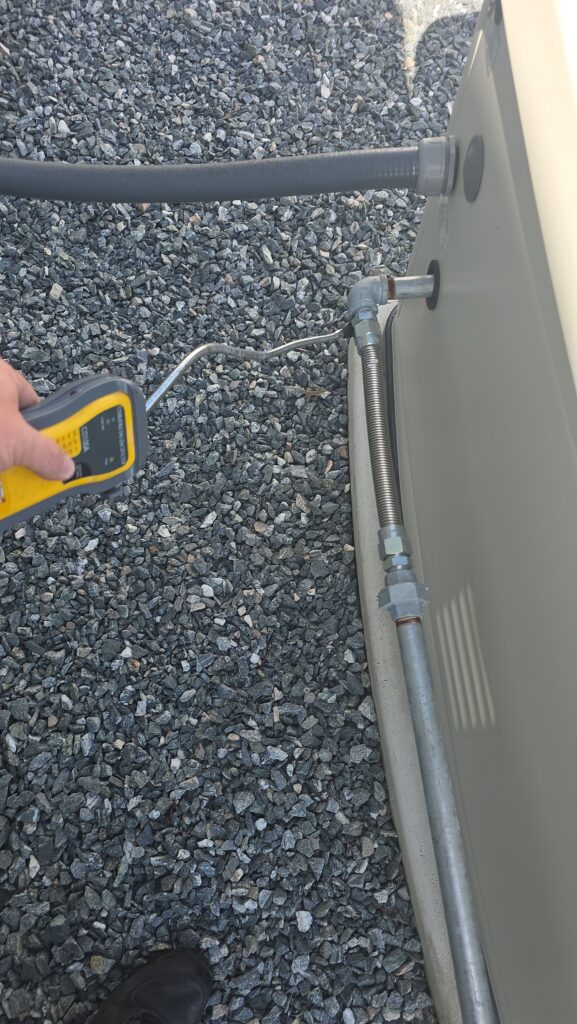
- A licensed technician runs and pressure-tests the gas connection.
- We verify clearances, combustion air, and carbon monoxide safety before handoff.
- You receive written documentation of the work, which matters for insurers, agents, and future inspections.
Chimney Liner and Venting Requirements
An undersized or damaged liner is one of the most common issues we find during older fireplace conversions. The CSIA recommends liner inspection anytime a venting system changes, which an insert installation always does. Our team holds CSIA Certified Chimney Specialist and Certified Chimney Sweep credentials specifically for this kind of diagnostic work.
⚠️ Common Mistake: Some installers reuse an old, unlined masonry flue without checking its condition first. A cracked or oversized flue can let combustion byproducts linger instead of exhausting properly — a risk no homeowner should accept to save a step.
We hold Florida Contractor License CRC1333200 and Certified Category V Gas License LI45277, and every technician on our 20-person team works under documented training. If a job requires appliance hookups beyond the insert itself, our gas appliance installation team handles that in the same visit.
Maintaining Your Gas Fireplace Insert Year After Year
Quick Answer: Gas fireplace inserts need far less maintenance than wood units, but they still need an annual inspection to check the liner, pilot assembly, and venting. Skipping this is the most common reason an insert underperforms or trips a safety sensor.
Even though there’s no creosote to sweep, dust, pollen, and small debris can still affect the burner and pilot over a Florida year. A yearly check also confirms the liner hasn’t shifted or corroded, especially after our region’s heavy summer storms.
| Maintenance Task | Recommended Frequency | Why It Matters |
|---|---|---|
| Full inspection | Annually, before cold season | Confirms liner, pilot, and venting are intact |
| Glass and burner cleaning | Annually or as needed | Keeps flame pattern even and efficient |
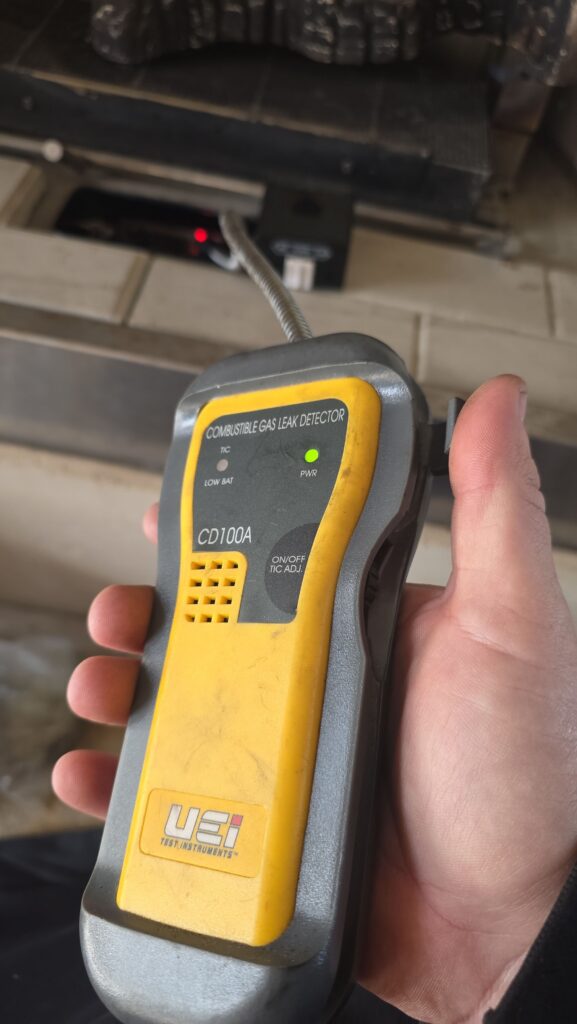
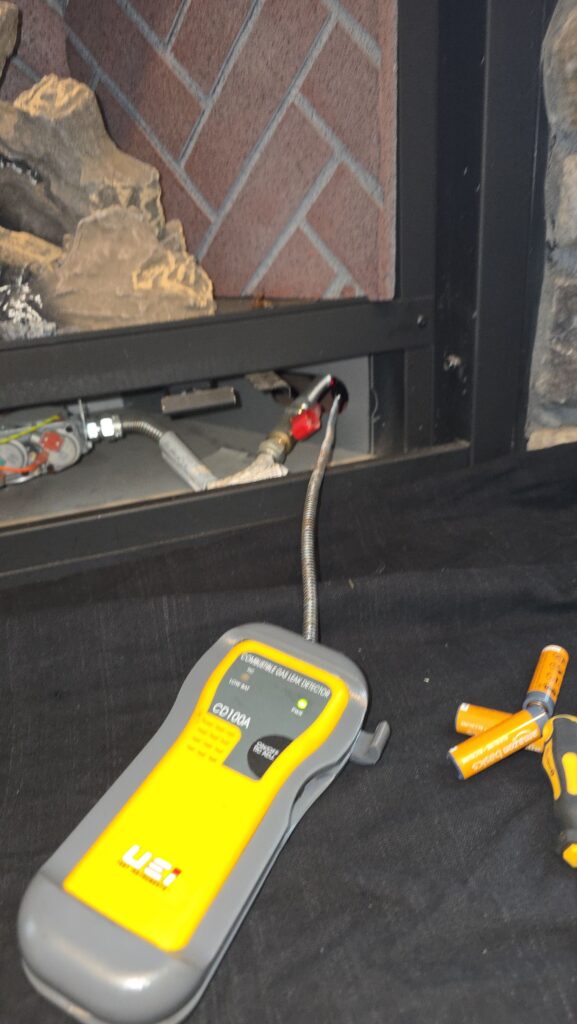
| Gas line leak check | Annually | Catches small leaks before they worsen |
| Chimney/liner review | Annually, after storm season | Checks for water intrusion or shifting |
💡 Expert Insight: We recommend scheduling your insert check in early fall, ahead of the October-through-January window when Florida households actually use their fireplace. It’s the same logic behind our chimney inspection scheduling for wood-burning customers.
If your home has experienced heavy rain or wind, it’s also worth reviewing our guide on chimney leaking after a storm, since water intrusion around an old flue can affect a newly installed liner.
Frequently Asked Questions
Can gas fireplace inserts be installed in any existing fireplace?
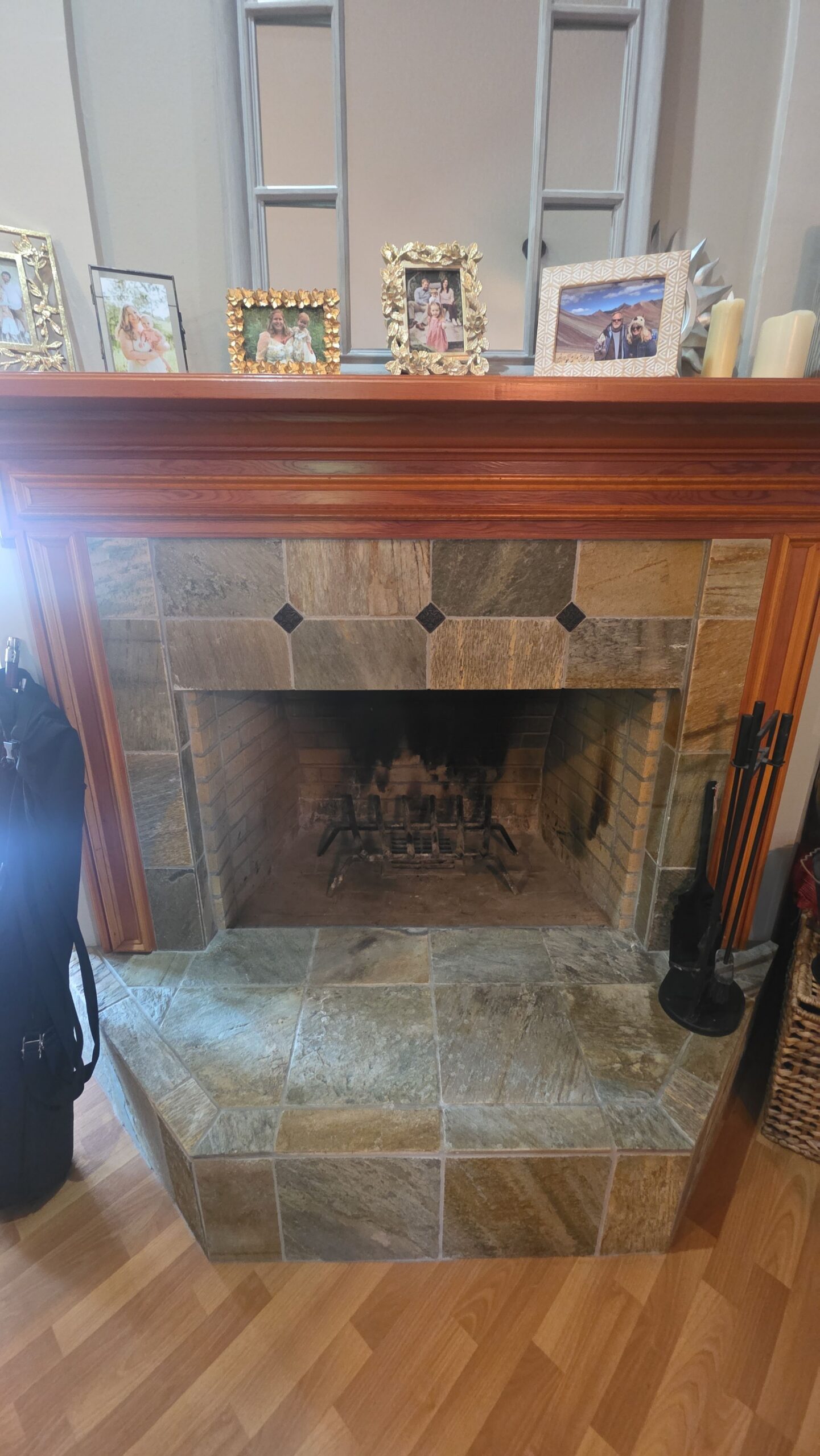
Most existing masonry or prefab fireplaces can accept an insert, but the firebox and chimney must first be inspected for size, damage, and venting compatibility. A licensed technician confirms this before any installation begins.
Do gas fireplace inserts need a chimney sweep?
Gas inserts don’t produce creosote the way wood fires do, so they don’t need traditional sweeping, but the liner and venting system still need an annual inspection. Skipping that check is how small issues like liner corrosion go unnoticed.
Are ventless gas inserts safe for Florida homes?
Ventless inserts are legal in many areas but come with usage limitations, including room-size and ventilation requirements, since they release combustion byproducts indoors. Most homeowners we work with in Ocala and The Villages prefer vented units for that reason.
How long do gas fireplace inserts typically last?
With annual maintenance, a quality gas insert can provide many years of reliable service, though exact lifespan depends on usage, unit quality, and whether it was installed correctly from the start. Regular inspection is the biggest factor in a long service life.
Will a gas fireplace insert pass inspection for a home sale?
It should, as long as the installation included a proper liner, documented gas connection, and code-compliant clearances. We provide written documentation specifically because agents and inspectors in Marion County and Orlando ask for it during closings.
What’s the difference between a gas fireplace insert and a gas log set?
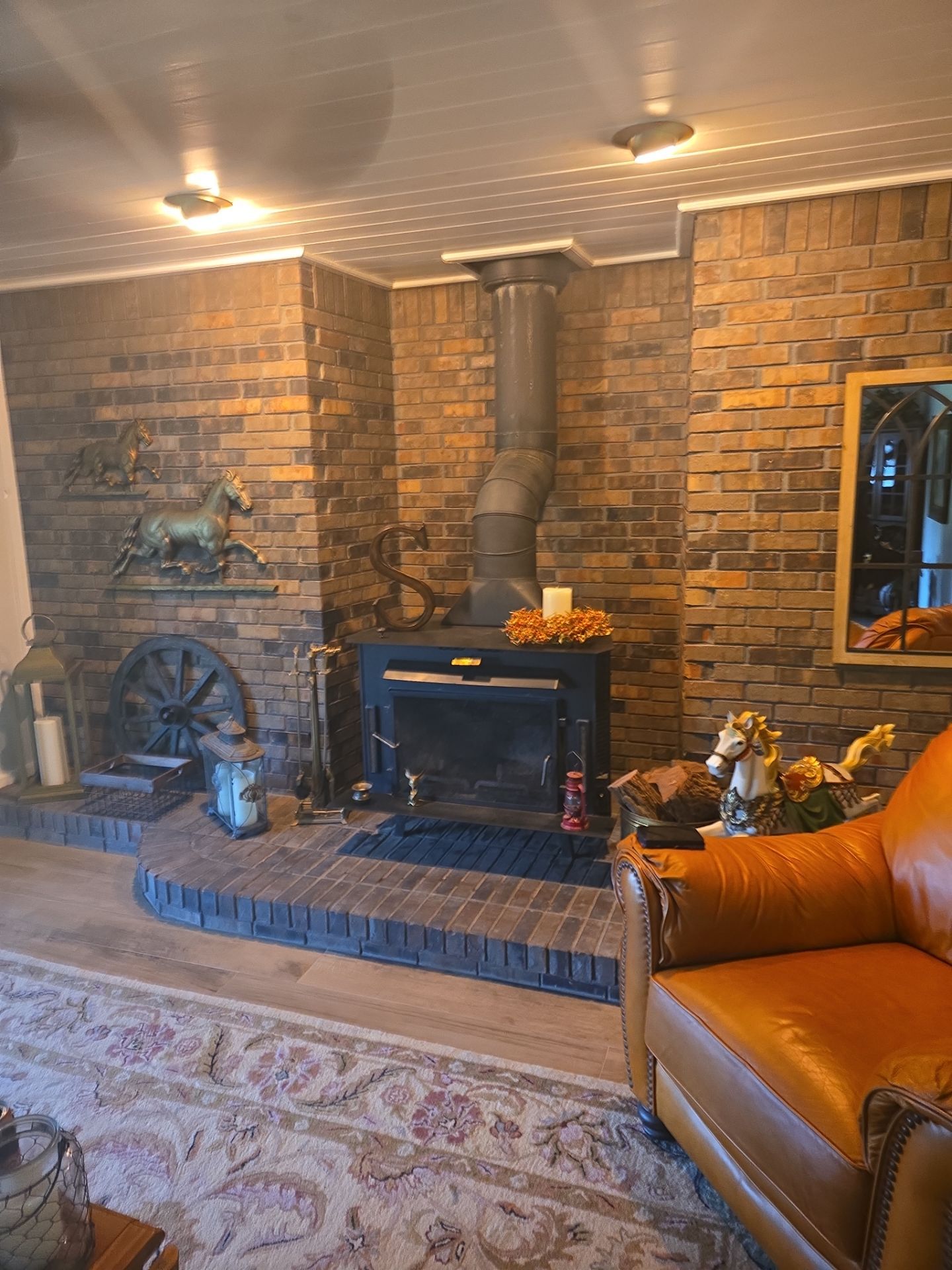
An insert is a sealed, self-contained unit that replaces the open firebox entirely, while a log set burns inside an existing open fireplace without sealing it. Inserts are generally more efficient because they don’t lose heat up an open flue.
Do I need a new gas line for a fireplace insert?
It depends on whether your home already has a line running to the fireplace location; if not, our team can run a new natural gas or propane line as part of the installation. This is evaluated during the initial site visit before any quote is finalized.
Final Thoughts
Gas fireplace inserts give rarely-used Florida fireplaces a second life — safer, cleaner, and far less demanding than an open wood-burning setup. The key is matching the right insert and liner to your home’s existing chimney, then keeping up with a simple annual check. Done right, it’s a one-time project that pays off in comfort and peace of mind for years.
- Schedule a firebox and chimney evaluation before choosing an insert.
- Decide between natural gas and propane based on your home’s existing setup.
- Confirm your installer carries the correct state and gas licensing.
- Book an annual inspection each fall to keep the system safe.
Always Fire & Gas has served North Central Florida families since 1982, working under Florida Contractor License CRC1333200 and Certified Category V Gas License LI45277, backed by six national certifications and a written ZERO Mess Guarantee. Call or text (352) 282-0158 to schedule your gas fireplace insert consultation today.