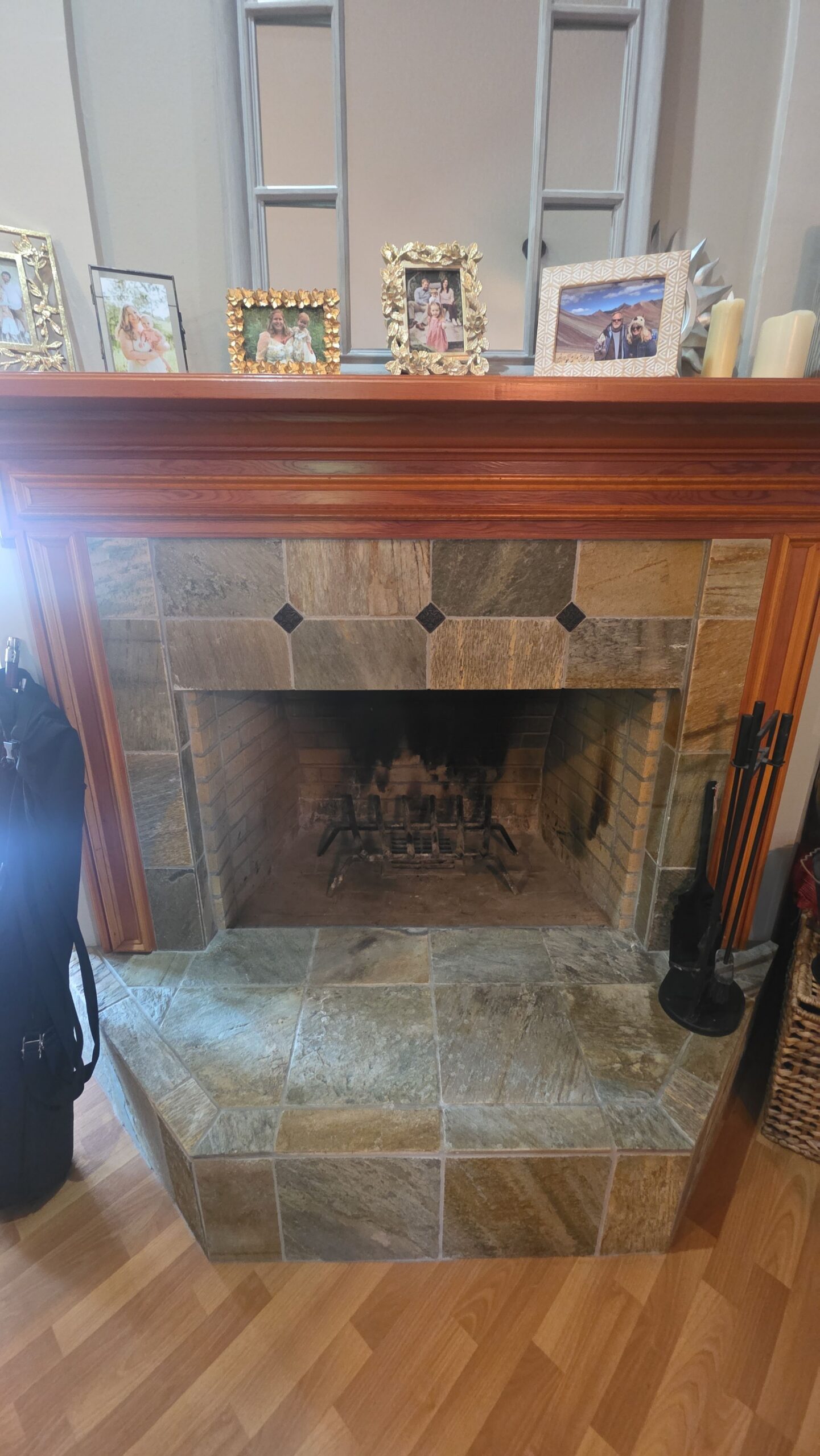
Electric fireplace inserts give Ocala homeowners real flame-look warmth without the chimney, gas line, or combustion risk that come with traditional hearths. They plug into a standard outlet, need no venting, and produce zero carbon monoxide. Many neighbors still assume "electric" means fake-looking or unsafe out of the box — that misconception costs them a genuinely low-maintenance upgrade.
At Always Fire & Gas, family-owned since 1982, we’ve swapped out more old wood and gas units for electric inserts in Marion County than almost anyone else in the region. We’ve seen what goes wrong when homeowners buy an off-the-shelf unit and wedge it into an existing firebox without checking clearances or electrical capacity. This guide walks through how electric fireplace inserts work, when they make sense for Central Florida living, and what a safe installation actually looks like.
📌 Key Takeaways
- Electric fireplace inserts need no chimney, flue, or gas line — just a properly rated outlet.
- They produce zero combustion byproducts, making them a strong fit for sealed, energy-efficient Florida homes.
- Existing masonry fireboxes often need an inspection before an insert goes in, to confirm the opening and wiring can handle it.
- Supplemental heat output usually tops out around 5,000–9,000 BTU, enough to warm a single room, not a whole house.
- A licensed installer protects your insurance and resale paperwork, which matters most during a home sale or HOA review.
Jump to a section:
- What Are Electric Fireplace Inserts, Really?
- Weighing the Benefits for Florida Homes
- Installation and Safety Requirements
- Electric vs. Gas vs. Wood: Choosing the Right Fit
- Maintenance and Long-Term Care
- Frequently Asked Questions
What Are Electric Fireplace Inserts, Really?
Quick Answer: An electric fireplace insert is a self-contained heating and light unit that slides into an existing firebox or a built framed opening, using LED flame technology and a fan-forced heater instead of real combustion.
The term confuses people because "insert" usually brings to mind a cast-iron wood stove. Electric units borrow the shape but swap the fuel source entirely. No flue, no fuel line, no ash.
How the Technology Works
Most modern units use layered LED lighting, a rotating or vibrating element, and a mirrored or mist effect to simulate flickering flame. A built-in heater — usually 1,500 watts — cycles on a thermostat. Many models run the flame effect with the heat off, which is popular for Florida’s long warm season.
Common Myths We Hear in Ocala
Homeowners often tell us an electric unit will look plastic or won’t throw real heat. Current-generation inserts use far more realistic flame rendering than units from even five years ago, and the heating coil genuinely warms a room. The bigger limitation is coverage area, not realism.
⚠️ Common Mistake: Buying an insert sized by firebox opening alone, without checking the room’s square footage or the unit’s rated BTU output, leaves homeowners with a fireplace that looks great but barely takes the chill off a large den.
Weighing the Benefits for Florida Homes
Quick Answer: Electric fireplace inserts suit Central Florida’s short, mild heating season because they deliver instant ambiance and spot heat without the moisture, pests, or combustion risk tied to wood or gas systems.
Florida homeowners use a fireplace a fraction of the days a northern homeowner does. That changes what "worth it" means.
Why Humidity and Heat Change the Calculus
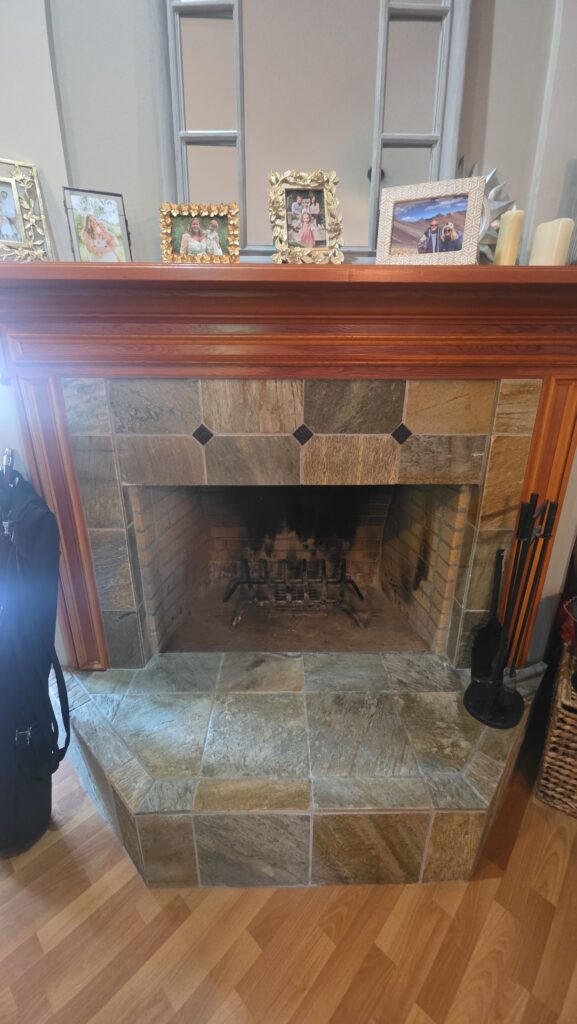
Masonry chimneys in our climate absorb moisture during our long wet season, which can invite spalling brick and water intrusion over time — something we cover in our chimney water intrusion guide. An electric insert removes that chimney entirely from the moisture equation, since no flue is required once the unit is wired correctly.
Who Benefits Most
We see the strongest fit among three groups: retirees in The Villages and Marion County who want warmth without maintenance, sellers in Orlando-area neighborhoods prepping a home for closing, and owners converting a rarely used wood firebox they no longer want to clean. According to the U.S. Department of Energy, zone heating a single occupied room can reduce whole-house heating costs compared to running central systems for short cold snaps — a pattern that matches our Oct-through-Jan call volume here in Ocala.
💡 Expert Insight: A client in Dunnellon replaced a leaking, decades-old masonry firebox with an electric insert last winter. No more chimney leaks to chase, and she still gets flame ambiance every evening — without lighting a single match.
| Feature | Electric Insert | Gas Insert | Wood Burning |
|---|---|---|---|
| Venting required | None | Direct vent or flue | Masonry flue |
| Combustion byproducts | None | Yes, vented | Yes, significant |
| Typical heat output | 5,000–9,000 BTU | 20,000–40,000 BTU | Varies, inconsistent |
| Maintenance frequency | Minimal, occasional dusting | Annual inspection | Annual sweeping required |
| Best fit | Supplemental ambiance, low upkeep | Primary heat, realistic flame | Traditional feel, hands-on owners |
Installation and Safety Requirements
Quick Answer: Electric fireplace inserts still require correct electrical capacity, proper clearance from combustibles, and — in many cases — a licensed inspection of the existing firebox before installation.
People assume "no gas, no chimney" means "no permit, no professional." That’s not always accurate, especially when retrofitting an older masonry opening.
Electrical Load and Permitting
Most inserts draw 1,500 watts on a dedicated 120-volt circuit. Older homes may need a circuit upgrade or a new outlet installed to code. The National Fire Protection Association publishes residential electrical and fireplace safety standards that inform how we evaluate every installation.
What a Licensed Install Looks Like
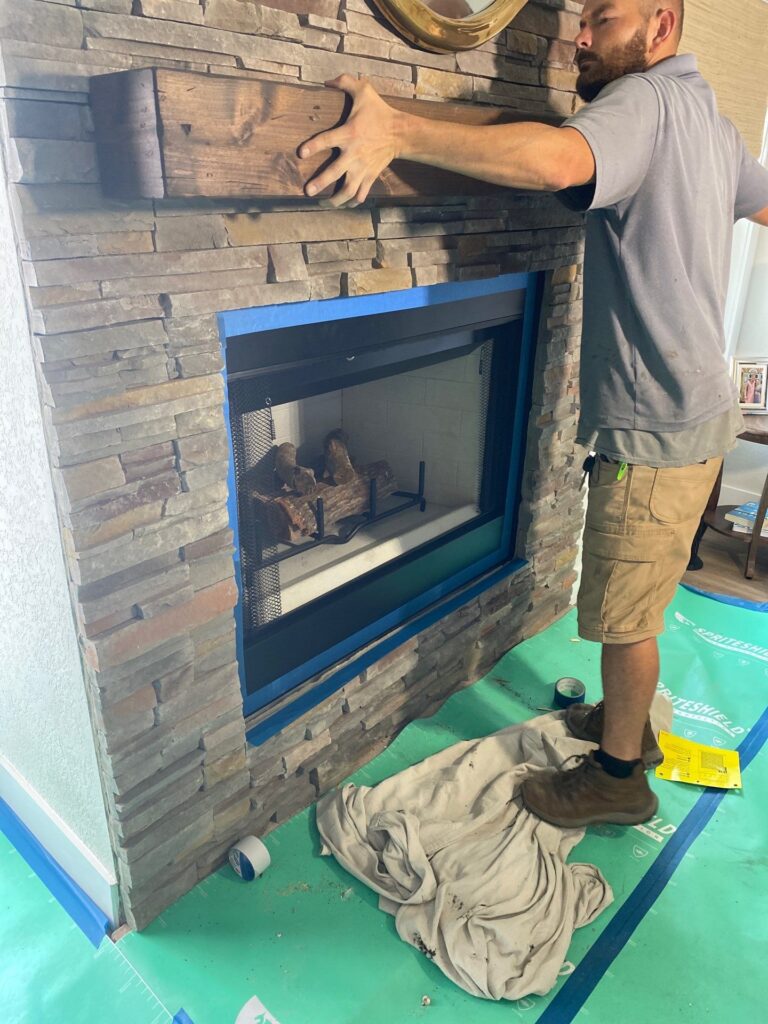
Our crew inspects the firebox for cracks, confirms the surrounding materials meet clearance rules, verifies the electrical supply, and finishes with a clean fit — no gaps, no exposed wiring. We hold Florida Contractor License #CRC1333200 and Certified Category V Gas License #LI45277, and our team includes CSIA Certified Chimney Sweeps and an NFI Certified Hearth Design Specialist, so the same crew that handles your gas or wood conversion can evaluate an electric retrofit correctly.
📊 Data Point: The Consumer Product Safety Commission has flagged portable electric heaters as a leading contributor to home heating fires when used on damaged cords or overloaded outlets — a reminder that "electric" still means "respect the wiring," even without an open flame.
Electric vs. Gas vs. Wood: Choosing the Right Fit
Quick Answer: Choose electric for low-maintenance ambiance and supplemental warmth, gas for stronger whole-room heat with realistic flame, and wood only if you want the traditional experience and are ready for annual sweeping.
Matching the Unit to Your Household
A retiree in a Villages patio home who rarely runs the heat may be perfectly served by an electric unit on a timer. A larger Heathrow or Lake Nona household that heats a great room through several cold weeks most winters may prefer the higher output of a gas fireplace, covered in more depth on our gas fireplace installation cost page.
When a Hybrid Approach Makes Sense
Some of our clients keep an existing masonry chimney structurally sound for resale value while running an electric insert day-to-day, deferring any wood-burning use. This is common with homes near MetroWest and Stonebridge, where buyers want a working hearth feature but rarely build real fires.
✅ Quick Tip: If you’re unsure which fuel type fits your household, ask for a walkthrough before buying any unit online. A ten-minute inspection can save you from returning an insert that doesn’t fit your opening or circuit.
Maintenance and Long-Term Care
Quick Answer: Electric fireplace inserts need far less upkeep than wood or gas systems — mainly dusting the lens, checking the fan, and confirming the outlet and cord stay in good condition.
A Simple Seasonal Routine
- Wipe the glass or acrylic flame lens monthly to keep the light effect crisp.
- Check the power cord and outlet for wear, heat discoloration, or looseness each fall.
- Vacuum the lower vent grille where dust collects behind the fan.
- Have the surrounding firebox and chimney structure checked periodically if the unit sits inside an old masonry opening, even though it’s no longer vented.
When to Call a Professional
If the flame effect flickers inconsistently, the fan grinds, or the unit trips a breaker, stop using it and call a licensed technician rather than troubleshooting the wiring yourself. We also recommend a broader chimney inspection if your electric insert sits inside an older masonry firebox, since structural issues like a cracked chimney crown can still affect the surrounding masonry even without active venting.
💡 Expert Insight: We’re proud of our BBB A+ rating since 2018 with zero unresolved complaints — a record built on documenting every job, electric retrofits included, with photos and a written summary.
Frequently Asked Questions
Are electric fireplace inserts worth it in Florida?
Yes, for most homeowners who want ambiance and occasional supplemental heat without chimney upkeep, humidity concerns, or combustion byproducts. They’re especially practical in Ocala and The Villages, where the heating season is short.
Do electric fireplace inserts need a chimney?
No. Electric fireplace inserts don’t burn fuel, so they don’t produce exhaust gases and never need a flue or chimney. They can go into an existing masonry opening or a new framed wall feature.
Can I put an electric insert into an old wood-burning firebox?
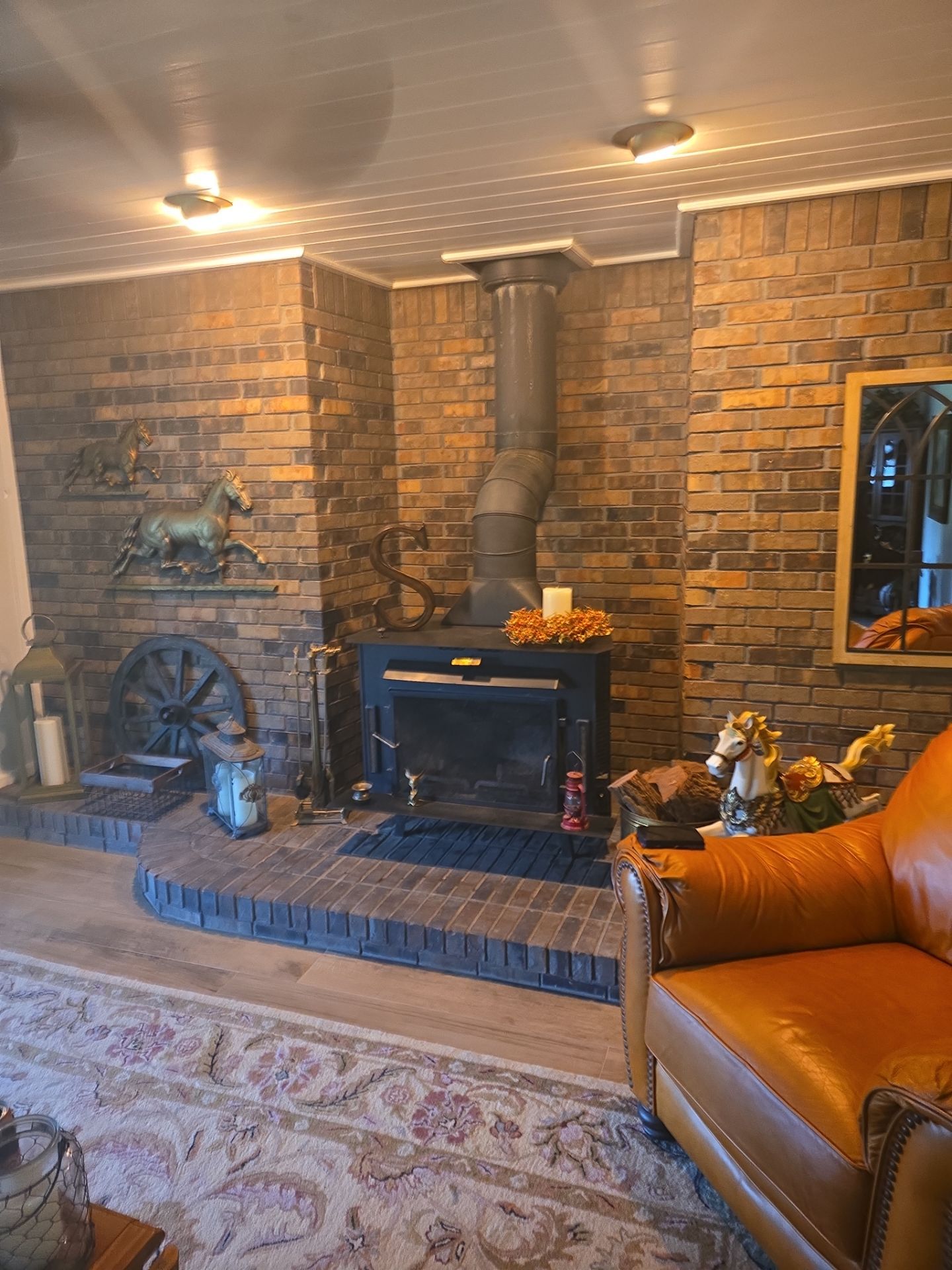
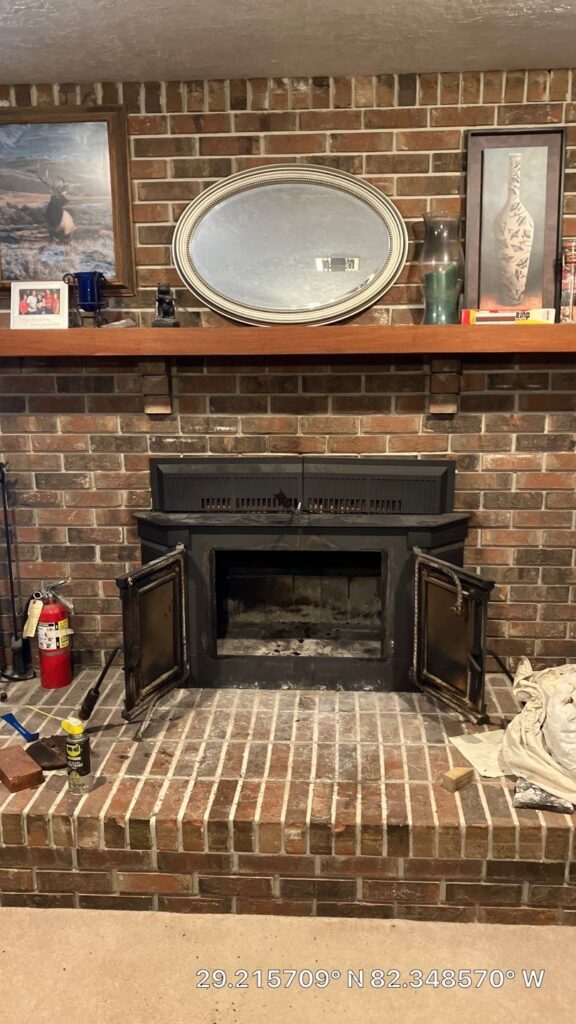
Often yes, but the opening and surrounding materials should be inspected first for cracks, debris, or structural issues. A licensed technician confirms the space and electrical supply before the unit goes in.
How much heat does an electric fireplace insert actually produce?
Most residential units produce between 5,000 and 9,000 BTU, enough to noticeably warm a single room but not a whole house. They work best as supplemental heat alongside central HVAC.
Will an electric fireplace insert affect my home insurance or inspection at closing?
A properly installed, permitted electric unit typically causes no issues at closing, unlike an undocumented gas or wood conversion. Keeping installation paperwork on hand helps satisfy an agent or inspector’s questions quickly.
Is it safe to run an electric fireplace insert overnight?
Most units include auto shut-off and overheat protection, but we still recommend following manufacturer guidance and avoiding unattended overnight use on aging wiring. Have your outlet and circuit checked if the home is older or the breaker trips repeatedly.
What’s the difference between an electric fireplace insert and a standalone electric fireplace?
An insert is built to slide into an existing firebox opening or framed cavity for a built-in look, while a standalone unit is freestanding furniture-style. Both use the same core LED and heating technology.
Final Thoughts on Electric Fireplace Inserts
Electric fireplace inserts remain one of the simplest upgrades we install for Ocala and Marion County homeowners who want real ambiance without chimney maintenance or combustion risk. They won’t replace a gas or wood system for households chasing serious whole-room heat, but for supplemental warmth and a safer retrofit, they’re hard to beat. As of 2026, we’re seeing more requests for electric conversions tied to home sales, HOA requirements, and simple peace of mind.
Next steps if you’re considering an electric fireplace insert:
- Have your existing firebox or wall opening inspected for size, condition, and clearance.
- Confirm your electrical circuit can support the unit without overloading existing wiring.
- Choose a licensed installer who documents the work in writing.
- Schedule a seasonal check on the cord, fan, and surrounding masonry each fall.
Always Fire & Gas is family-owned since 1982, holds two Florida state licenses and six national certifications, and backs every job with our ZERO Mess Guarantee — floors tarped, HEPA vacuumed, debris fully removed, in writing. Florida Contractor License #CRC1333200. When others say they can’t, we show up. Call or text (352) 282-0158 to schedule your electric fireplace insert consultation today.