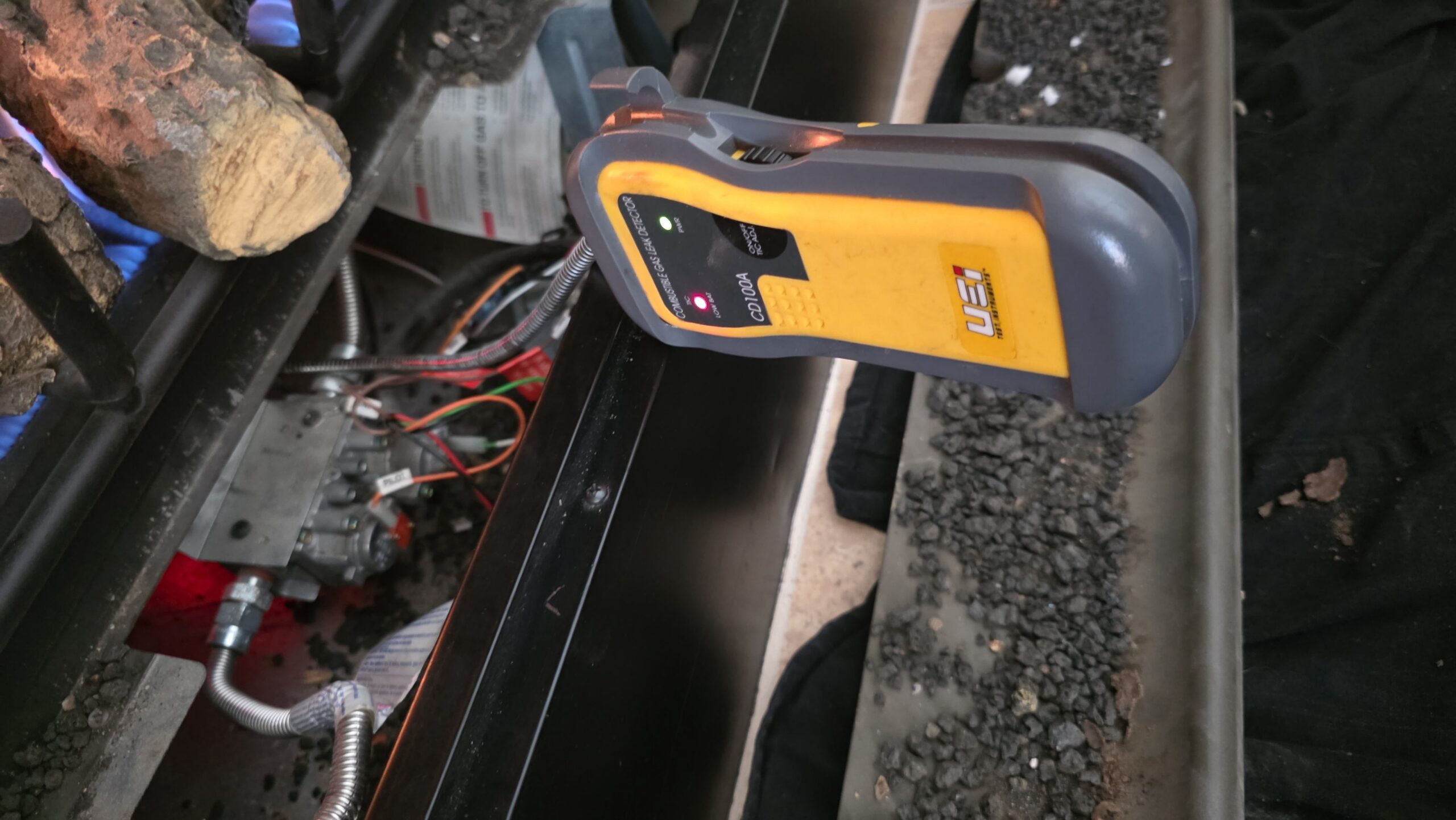
An LP gas lines inspection is a professional check of every fitting, joint, and connection between your propane tank and your appliances. It confirms there are no leaks, no corrosion, and no pressure problems before a small issue becomes a dangerous one. Most homeowners never think about their gas piping until something smells wrong, and by then the repair is often bigger than it needed to be.
We’ve walked into more than one central Florida crawlspace where a corroded fitting had been slowly leaking for months. The homeowner had no idea, because propane is odorized but a slow leak outdoors can dissipate before it’s noticeable. That’s exactly why routine inspection matters more than reacting to symptoms.
📌 Key Takeaways
- An LP gas lines inspection checks fittings, regulators, and pressure — not just the tank itself.
- Have gas connections inspected annually, or immediately after storms, additions, or appliance swaps.
- Hire a certified gas installer holding a Florida Category V gas license, never a handyman.
- Warning signs include hissing sounds, dead vegetation near lines, and a rotten-egg smell.
- Always Fire and Gas serves homeowners across Marion, Lake, Citrus, and Sumter counties.
Jump to a section:
- What an LP Gas Lines Inspection Covers
- Why Every Central Florida Home Needs an LP Gas Lines Inspection
- What Happens During the Inspection Process
- Warning Signs You Should Never Ignore
- DIY Checks vs. Certified Gas Installer Service
- How Often to Schedule an Inspection
- Choosing a Gas Safe Registered Installer
- FAQ
What an LP Gas Lines Inspection Covers
Quick Answer: A thorough inspection examines the tank connection, regulator, buried or exposed piping, and every appliance hookup for leaks, corrosion, and proper pressure. It’s more than a quick sniff test — it’s a documented, standards-based check.
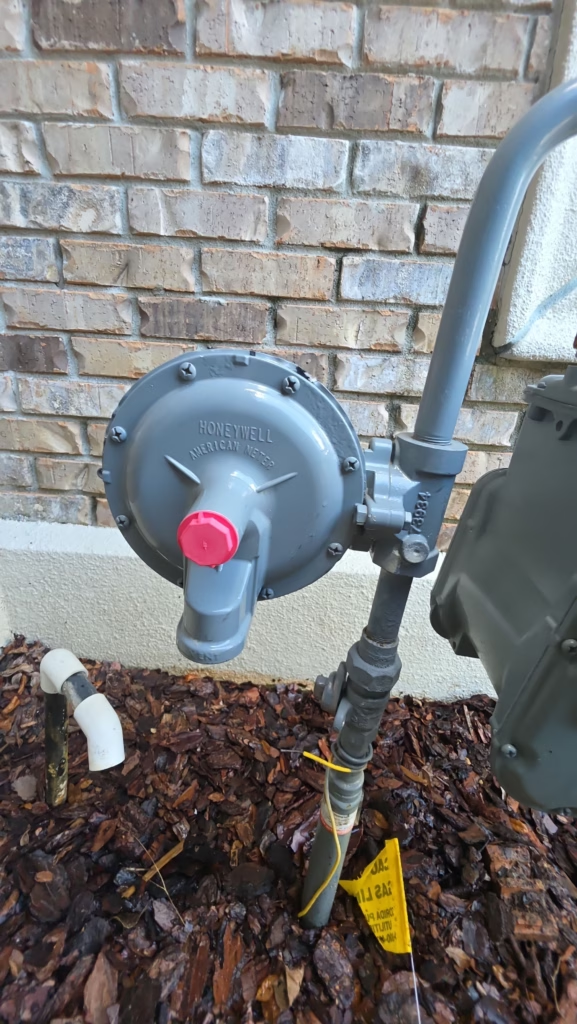
Propane systems rely on a chain of components working together: the tank, the regulator that steps pressure down, the piping that carries gas to the house, and the shutoff valves at each appliance. A technician checks each link individually because a failure anywhere in that chain can create a hazard.
Why a Regulator Check Is Non-Negotiable
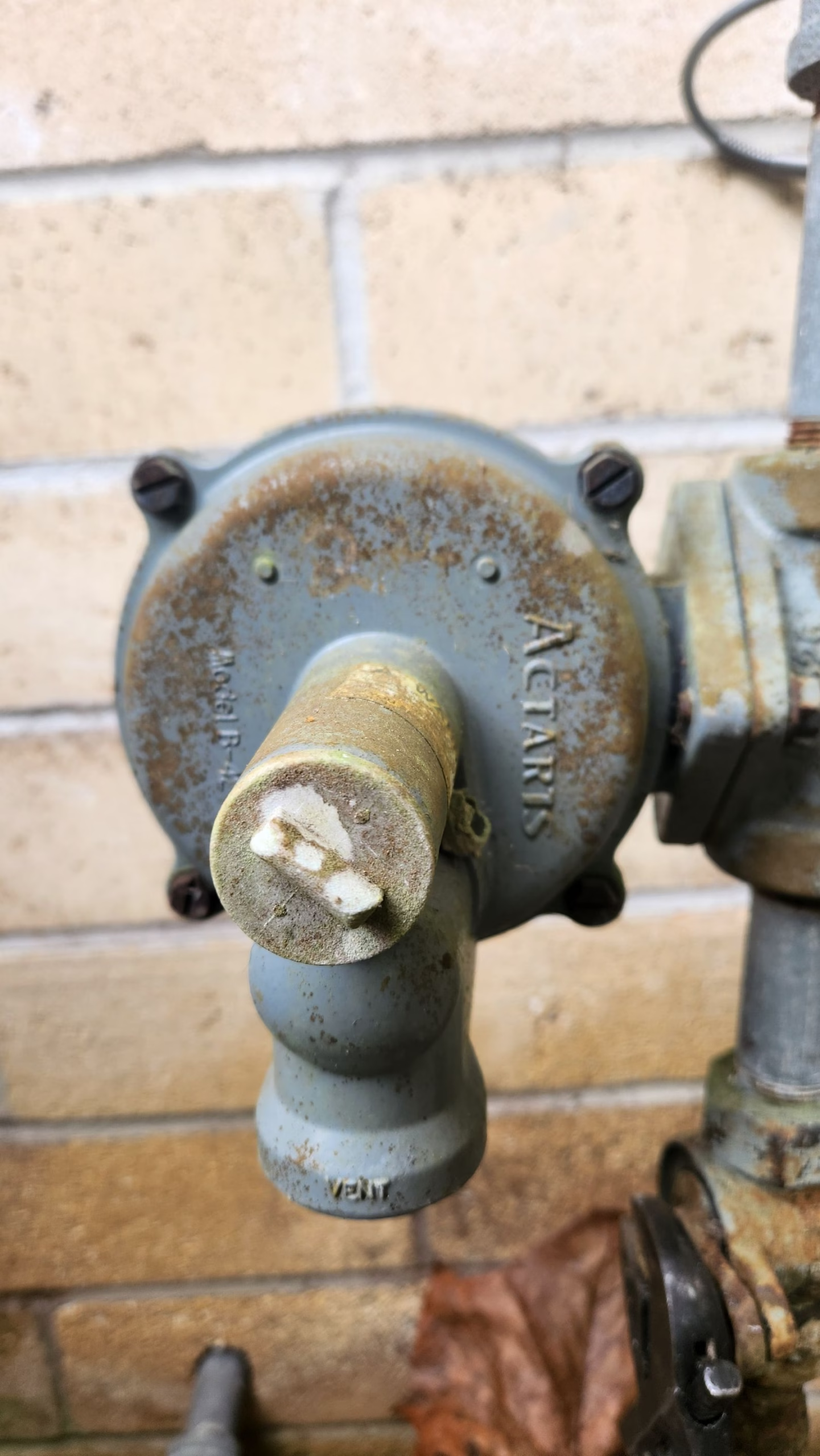
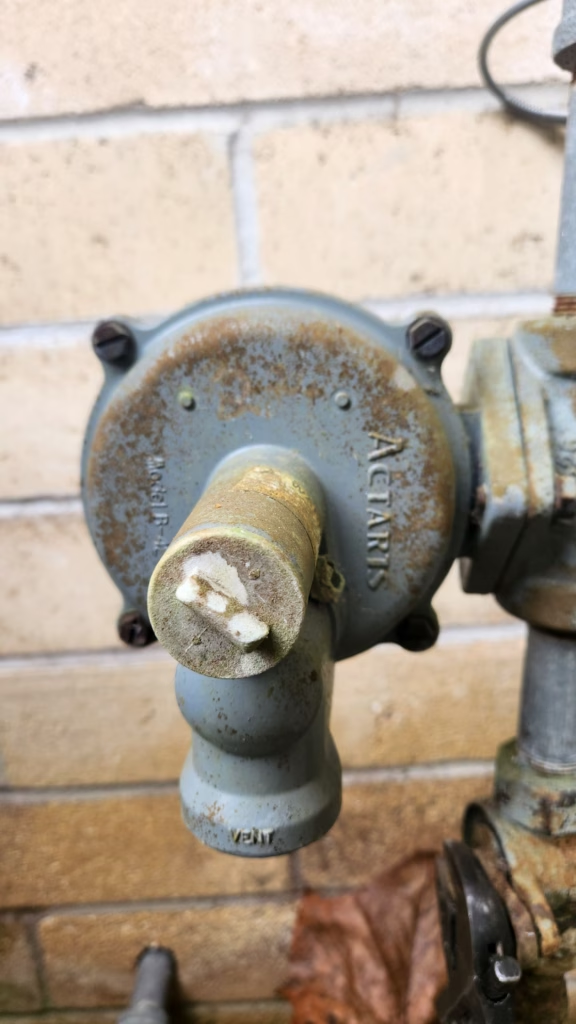
The regulator controls how much pressure reaches your appliances. A failing regulator can send too much gas pressure into your home’s piping, which stresses fittings and can trigger safety shutoffs on furnaces and water heaters. According to NFPA’s guidance on fuel gas code, pressure regulation is one of the most cited factors in gas system failures nationwide.
✅ Quick Tip: Ask your technician to show you the pressure test readings in writing, not just tell you "it’s fine." A documented reading protects you if you sell the home later.
Why Every Central Florida Home Needs an LP Gas Lines Inspection
Quick Answer: Florida’s humidity, sandy soil, and storm activity accelerate corrosion and shifting around buried gas lines faster than in drier climates. Regular inspection catches that wear before it becomes a leak.
Homes in Ocala, The Villages, Inverness, and Brooksville sit on soil that shifts with our seasonal rains. That movement can stress underground piping and loosen fittings over years. We’ve also seen storm season push tree roots into old propane lines, something a visual inspection alone won’t always catch without pressure testing.
Aging Systems in Older Central Florida Homes
Many homes in Gainesville, Deland, and Crystal River were built decades ago with piping materials that have since been improved. An inspection identifies whether your gas connection uses outdated fittings that no longer meet current code expectations.
💡 Expert Insight: As a Certified Category V gas license holder, I look for flexible connector wear first — it’s the most common failure point we find in homes over 15 years old.
What Happens During the Inspection Process
Quick Answer: A professional inspection typically follows five steps: visual check, pressure test, connection tightening verification, appliance shutoff test, and a written report. The whole process usually takes under an hour for a typical home.
- Visual walkthrough of the tank, exposed piping, and any visible corrosion or damage.
- Pressure test using a manometer to confirm the system holds steady pressure with no drop.
- Connection check at every joint, valve, and appliance hookup for tightness and wear.
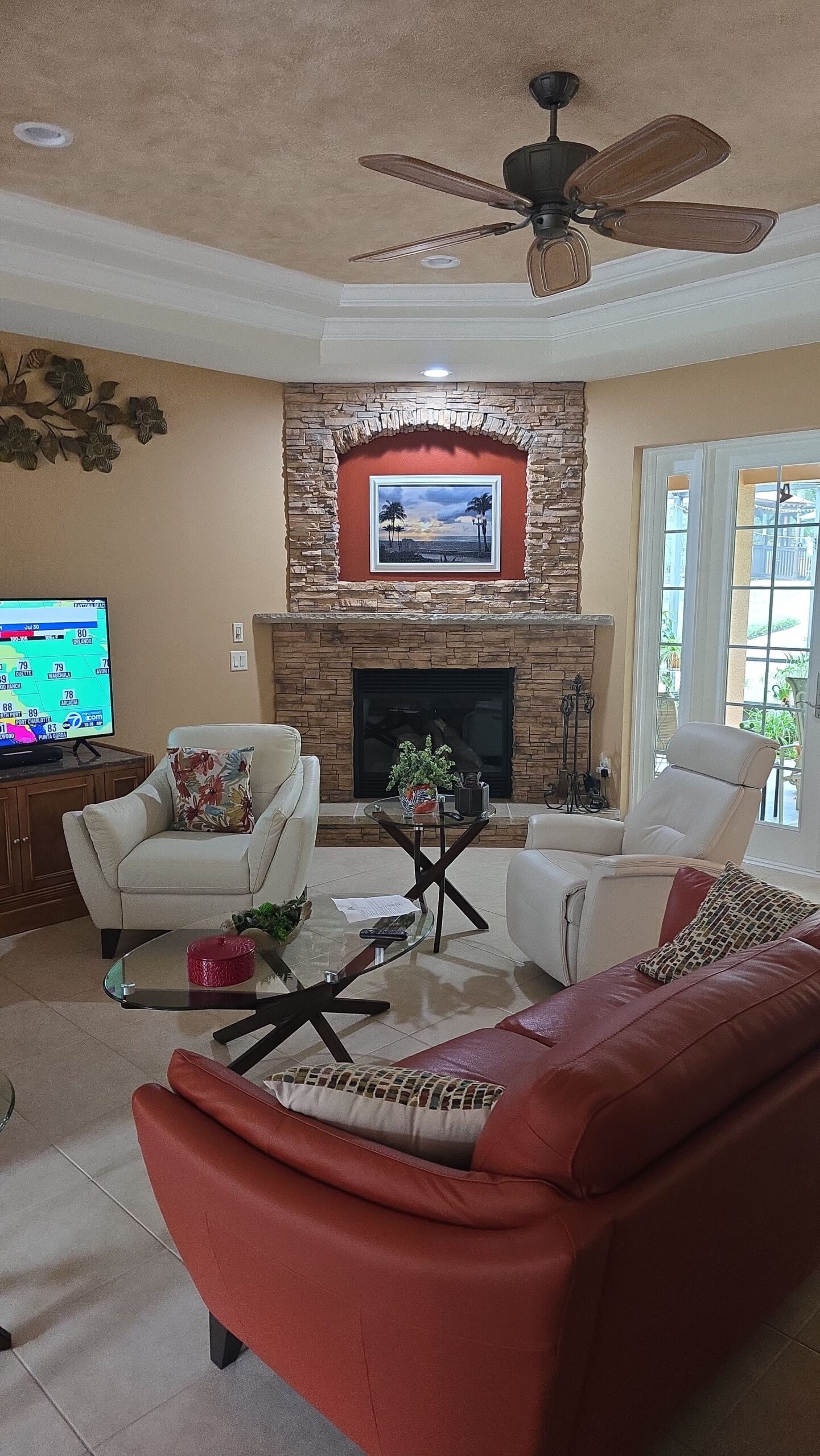
- Appliance-specific testing on ranges, fireplaces, generators, and water heaters tied to the gas appliance installation work you may have had done.
- Written summary documenting findings, so you have a record for insurance or resale purposes.
⚠️ Common Mistake: Some homeowners assume a leak-detection spray test alone counts as a full inspection. It only catches active leaks at the surface — it misses pressure loss inside the line.
What a Technician Documents in the Report
A proper report notes pipe material, age estimates, pressure readings, and any recommended repairs. This paperwork matters if you’re adding a generator gas line or planning an LP tank upgrade or relocation later.
Warning Signs You Should Never Ignore
Quick Answer: A rotten-egg smell, hissing near fittings, dead patches of grass along buried lines, or a pilot light that won’t stay lit are all signals to call for an inspection immediately.
Propane is odorized specifically so leaks are detectable by smell, a practice recommended by the EPA’s guidance on fuel storage safety. If you notice that smell, leave the area, avoid switches or open flames, and call a professional from a safe distance.
📊 Data Point: According to industry data compiled by the Propane Education & Research Council, routine system inspections are one of the top recommended practices for preventing residential propane incidents.
Signs That Are Easy to Miss
Not every problem announces itself loudly. A slight yellow tint on a gas flame instead of blue, unusually high propane usage, or appliances that cycle oddly can all point to a connection problem worth checking.
DIY Checks vs. Certified Gas Installer Service
Quick Answer: Homeowners can safely do a visual walk-around, but pressure testing and repairs require licensed expertise. Mixing the two approaches keeps you safe without wasted effort.
| Task | Safe for Homeowner? | Requires Certified Gas Installer |
|---|---|---|
| Visual check for rust or dents on tank | Yes | No |
| Checking for dead grass along buried lines | Yes | No |
| Soap-bubble leak spot check | Yes, with caution | No |
| Pressure/manometer testing | No | Yes |
| Regulator adjustment or replacement | No | Yes |
| Reconnecting appliances after service | No | Yes |
| Full written inspection report | No | Yes |
✅ Quick Tip: If your soap-bubble test shows even small bubbling, stop and call a professional rather than tightening the fitting yourself — over-tightening can crack older brass connectors.
How Often to Schedule an Inspection
Quick Answer: Most Central Florida homes should schedule an inspection annually, with additional checks after storms, renovations, or new gas appliance installs.
| Situation | Recommended Inspection Timing |
|---|---|
| Routine home with existing propane system | Every 12 months |
| After a hurricane or major storm | Within 2-4 weeks |
| Before installing a new gas fireplace or range | Before installation begins |
| After adding a whole-home generator | At installation and 12 months after |
| Home purchase or sale | Before closing |
Tying Inspections to Other Projects
If you’re planning a natural gas installation, a range conversion, or reviewing gas fireplace installation costs, it makes sense to bundle an inspection into that same visit.
Choosing a Gas Safe Registered Installer
Quick Answer: Look for a technician with a verifiable Florida Category V gas license and general contractor license, not just a handyman with tools. Ask to see credentials before work begins.
Florida requires specific licensing for gas work, and homeowners can verify a contractor’s status through the Florida Department of Business and Professional Regulation. We hold Florida Contractor License #CRC1333200 and Certified Category V Gas License #LI45277, and we’re glad to have either verified before you sign anything.
💡 Expert Insight: A properly licensed installer will never rush a pressure test. If someone’s in and out in ten minutes, that’s a red flag worth questioning.
Questions to Ask Before Hiring
Ask how the pressure test is performed, whether you’ll receive written documentation, and what happens if a leak is found. A confident, certified gas installer answers all three without hesitation.
Frequently Asked Questions
How often should I get an LP gas lines inspection in Florida?
Most homes benefit from an annual LP gas lines inspection, with extra checks after storms or major appliance changes. Central Florida’s humidity and soil movement make yearly checks especially worthwhile compared to drier climates.
What does an LP gas lines inspection cost to skip versus complete?
We don’t quote pricing here, but the value comparison is simple: a completed inspection protects your family and home, while skipping one risks undetected leaks, appliance damage, or worse. Ask your installer for a value-based estimate specific to your system.
Can I smell a propane leak even if it’s small?
Often yes, because propane is odorized with a rotten-egg scent specifically for detection, though wind and outdoor conditions can sometimes mask small outdoor leaks. That’s why pressure testing catches what smell alone might miss.
Is a certified gas installer required by law in Florida?
Yes, gas piping work in Florida legally requires a licensed contractor, typically holding a Category V gas license for propane and natural gas systems. Homeowners can confirm license status through the state’s licensing board before hiring anyone.
What’s the difference between a gas connection check and a full inspection?
A gas connection check usually looks only at visible fittings near an appliance, while a full inspection includes pressure testing the entire system from tank to appliance. The full inspection catches problems a quick visual check cannot.
Do gas fireplaces in Inverness need the same inspection as other appliances?
Yes, gas fireplaces installed in Inverness or anywhere in our service area connect to the same propane system and need the same pressure and connection checks. We inspect fireplace-specific shutoff valves as part of any full system review.
How long does a typical LP gas lines inspection take?
Most residential inspections take under an hour, though homes with complex piping, multiple appliances, or older systems may take longer. Your technician should still complete a full report before leaving.
Final Thoughts
An LP gas lines inspection is one of those quiet, unglamorous home maintenance tasks that pays off by preventing the problems you never see coming. From regulator wear to shifting soil around buried lines, Central Florida’s climate gives propane systems a lot to handle year-round. Catching issues early keeps your family safer and your appliances running the way they should.
Next steps:
- Walk your property and note any smell, hissing, or dead vegetation near gas lines.
- Check when your system was last professionally inspected.
- Schedule a full inspection, especially if it’s been over a year or you’ve had recent storm activity.
- Ask your technician for written pressure-test documentation before they leave.
Always Fire and Gas is licensed under Florida Contractor License #CRC1333200 and Certified Category V Gas License #LI45277, serving homeowners from Ocala to The Villages to Crystal River. Contact our team today to schedule your LP gas lines inspection and get a documented, professional peace of mind.