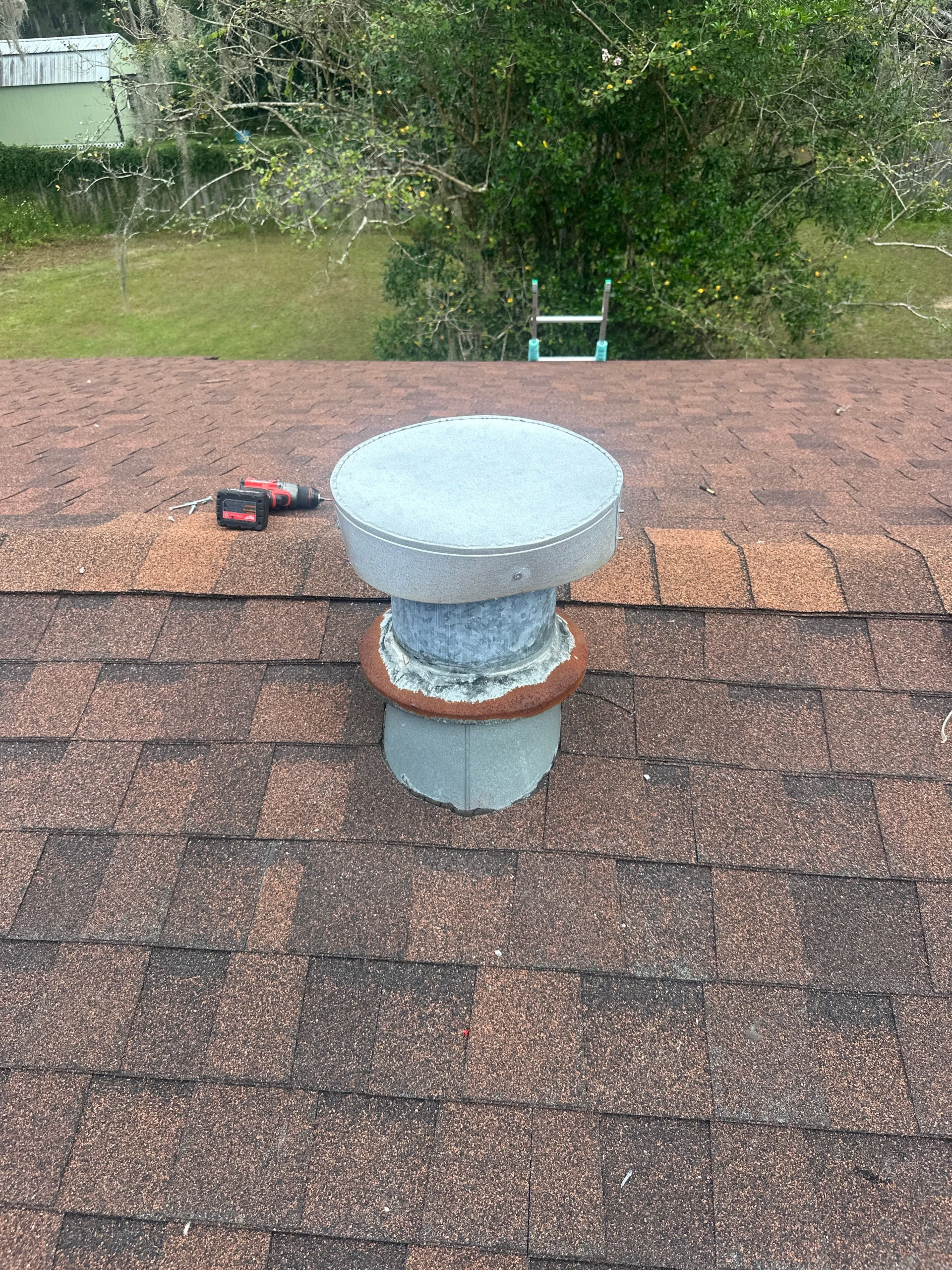
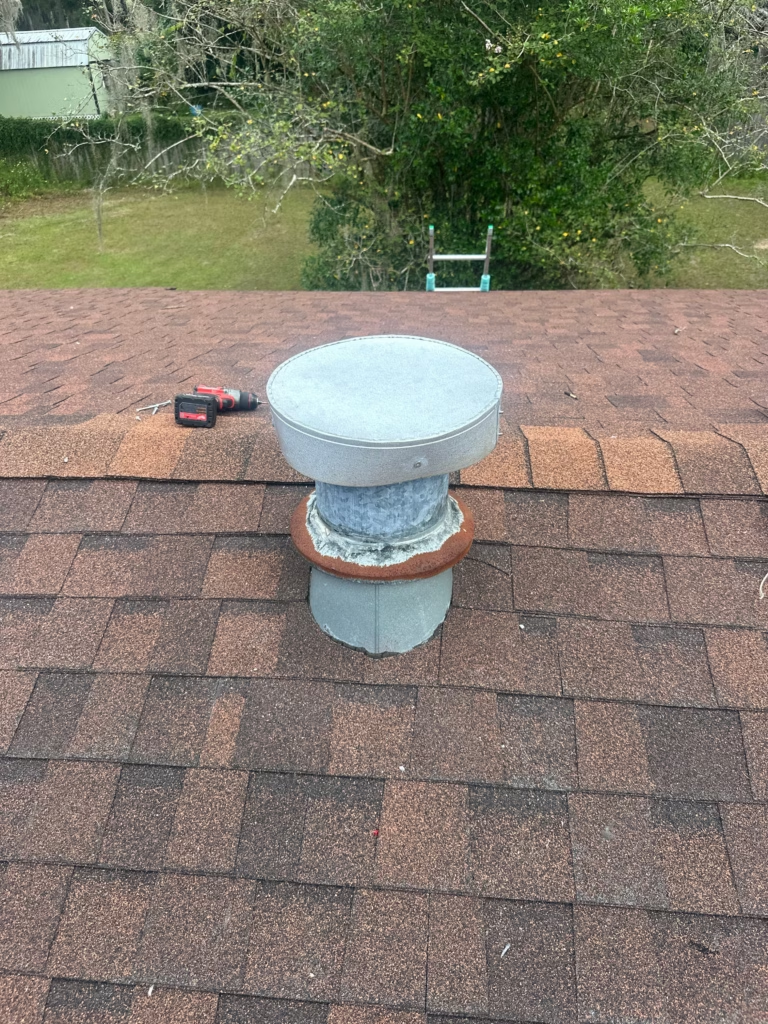
Chimney relining Sewalls Point FL is the process of installing a new, code-compliant liner inside a damaged or aging chimney flue to stop heat, gas, and moisture from reaching the surrounding masonry. Many homeowners don’t realize their flue has failed until they spot smoke smell indoors, cracked tiles, or a chimney fire warning from an inspector. A properly installed liner restores safe venting and protects the structure for years to come.
We’ve walked into more than a few Florida attics where a crumbling clay tile liner had been quietly venting heat straight into wood framing. It’s not always dramatic — sometimes it’s just a faint smoky odor after a fire. But the risk underneath is real, and it’s one of the most common repairs we perform across central Florida chimneys of every age.
📌 Key Takeaways
- A damaged flue liner is a leading cause of chimney-related house fires, according to fire safety authorities.
- Stainless steel liners are the most common relining solution for wood-burning and gas appliances alike.
- Annual inspections catch liner problems before they become structural repairs.
- Cast-in-place liners can also reinforce a weak masonry chimney while relining it.
- Only work with a certified chimney technician for relining — it’s a life-safety system, not a cosmetic fix.
Jump to a section:
- What Chimney Relining Actually Fixes
- Signs Your Flue Needs Relining
- Liner Types Compared
- What the Relining Process Looks Like
- Why Local Conditions Matter
- Frequently Asked Questions
What Chimney Relining Actually Fixes
Quick Answer: Chimney relining repairs or replaces the inner passage that carries smoke, heat, and combustion gases safely out of your home. Without a sound liner, heat can transfer directly to nearby wood framing, and gases can leak into living spaces.
A chimney flue is the internal channel — usually clay tile, metal, or masonry — that directs exhaust upward and away from the roofline. Over time, that liner cracks from heat cycling, moisture, or simple age. Once gaps form, the chimney no longer meets the safety clearances it was originally built to provide.
Why an Unlined or Damaged Flue Is Dangerous
An unlined or cracked flue lets heat escape through mortar joints and into combustible material nearby. The National Fire Protection Association notes that improperly maintained chimneys and vents remain a recurring factor in residential heating fires each year. That’s why standards like NFPA 211 require a continuous, corrosion-resistant liner appropriately sized to the connected appliance.
💡 Expert Insight: As a Certified Master Chimney Technician, I’ve seen liners fail from the inside out — the outer masonry can look perfectly fine while the flue passage underneath is falling apart.
Signs Your Flue Needs Relining
Quick Answer: Persistent smoke smell, visible tile fragments in the firebox, white staining, or a failed inspection are the clearest signals your chimney needs a new liner. Ignoring these signs risks both fire safety and indoor air quality.
Flue damage rarely announces itself loudly. Instead, homeowners notice smaller clues first — a lingering campfire smell days after a fire, or soot appearing on the fireplace surround. These are early warnings worth acting on.
Common Symptoms Homeowners Report
We regularly hear the same handful of complaints from families across our service area, whether we’re working in Gainesville, Inverness, or a coastal home like this one. Below is a quick reference table for matching symptoms to next steps.
| Symptom | Likely Cause | Recommended Action |
|---|---|---|
| Smoke smell indoors | Cracked or gapped liner | Schedule a Level 2 inspection |
| Tile fragments in firebox | Deteriorating clay liner | Reline before next use |
| White staining (efflorescence) | Moisture penetrating masonry | Inspect flue and cap together |
| Rust flakes on damper | Corroded metal liner | Replace with stainless steel liner |
| Chimney fire history | Creosote buildup, damaged flue | Full inspection and reline evaluation |
⚠️ Common Mistake: Many homeowners assume a chimney sweep alone will fix flue damage. Cleaning removes creosote buildup, but it does not repair cracked tiles or gaps — that requires actual relining work.
Liner Types Compared
Quick Answer: Stainless steel liners suit most wood-burning and gas retrofits, while cast-in-place liners strengthen a weak chimney structure at the same time. The right choice depends on your appliance type, chimney condition, and how the flue is currently sized.
Each liner material has trade-offs worth understanding before committing to a repair plan.
Stainless Steel, Clay Tile, and Cast-in-Place
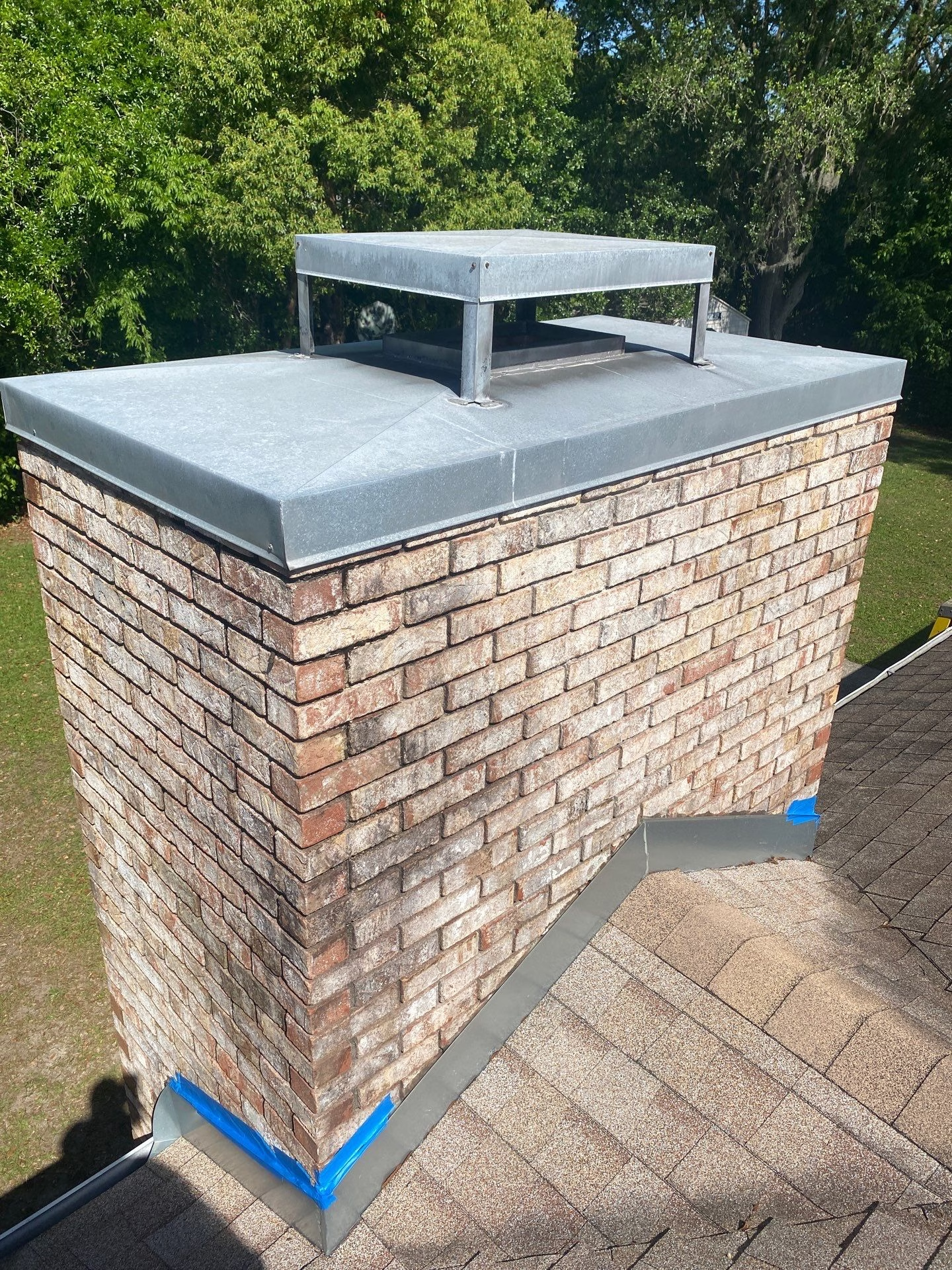
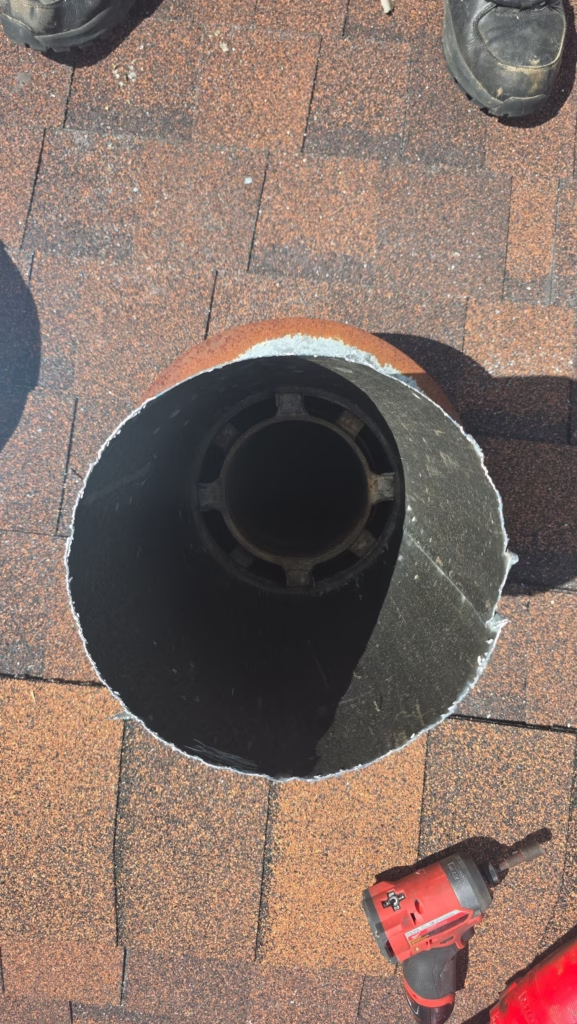
Stainless steel liners are flexible or rigid metal tubes rated for wood, gas, or oil appliances. Clay tile liners are the traditional masonry option, often original to older homes but prone to cracking with age. Cast-in-place liners use a poured, insulating material that reinforces cracked masonry while creating a smooth new interior surface.
📊 Data Point: According to the Chimney Safety Institute of America, a properly sized and insulated liner improves draft performance and reduces creosote accumulation compared to an oversized or damaged flue.
Gas appliances typically need a smaller-diameter liner than an open wood-burning fireplace, because oversized flues cool exhaust gases too quickly, encouraging condensation and corrosion. Matching liner size to appliance BTU output is one of the details a certified technician checks before installation.
What the Relining Process Looks Like
Quick Answer: A typical relining project starts with a full chimney inspection, followed by removing damaged material, sizing the new liner, and sealing connections at the appliance and cap. Most residential relining jobs are completed in a single day.
We walk every homeowner through the same general sequence, whether the home is on the coast or further inland.
Step-by-Step Overview
- Inspection first — a camera-assisted inspection confirms the liner condition and appliance connection.
- Debris and old liner removal — cracked tile sections or failed metal are cleared from the flue.
- Liner sizing — the new liner is matched to the connected appliance’s venting requirements.
- Installation — the liner is fed through the flue and secured top to bottom.
- Insulation and sealing — insulation wrap and a proper cap keep the system weathertight.
- Final safety check — draft and clearance are verified before the system is signed off.
If the chimney also shows a cracked crown or needs masonry repair, we typically address that in the same visit to avoid repeat scaffolding costs down the line.
✅ Quick Tip: Ask whether your relining project includes a new or inspected chimney cap — an open or damaged cap lets rain shorten the life of any liner, new or old.
Why Local Conditions Matter
Quick Answer: Florida’s humidity, storm exposure, and seasonal use patterns accelerate liner wear compared to drier climates. Homes across our service footprint — from Gainesville to Belleview, Dunnellon, and High Springs — all face similar moisture-driven chimney stress.
Unlike northern states where chimneys run daily for months, many Florida fireplaces sit unused for long stretches, then face sudden heavy humidity. That cycle of dry heat and moist air speeds up corrosion in metal liners and cracking in clay tile.
Storms, Humidity, and Seasonal Use
Afternoon storms and salt-influenced air near coastal communities add another layer of wear on masonry and metal components. A chimney cap in poor condition, paired with a compromised liner, can let water intrude for months before staining becomes visible inside the home.
💡 Expert Insight: In our experience servicing homes from Inverness to the coast, the chimneys that fail fastest are the ones running occasional gas logs without a liner rated for the moisture that builds up between uses.
The EPA’s guidance on wood smoke and home heating also notes that poorly maintained venting systems can affect indoor air quality, reinforcing why a sound liner matters beyond fire risk alone. Pairing relining with a properly fitted chimney cap helps protect the investment long-term.
When Masonry Repair Should Happen Alongside Relining
If the surrounding brick or block shows spalling, cracked mortar, or a leaning crown, relining alone won’t solve the underlying structural issue. In those cases we recommend pairing the liner project with masonry rebuild and repair work so both problems are addressed together, rather than opening the same chimney twice.
Frequently Asked Questions
How much does chimney relining cost in Florida?
Cost varies by liner material, chimney height, and whether masonry repair is needed alongside it. Rather than quote a number here, we recommend a free on-site evaluation so the estimate reflects your chimney’s actual condition.
How long does a chimney liner last?
A properly installed stainless steel liner can last 15-20 years or more with routine maintenance, while cast-in-place liners are designed to last the lifespan of the chimney itself. Actual lifespan depends on usage frequency, moisture exposure, and annual inspection habits.
Can I use my fireplace with a cracked flue liner?
We don’t recommend it. A cracked liner allows heat and gases to reach masonry and framing not designed for direct contact, which raises fire risk with every use until it’s repaired.
Is chimney relining sewalls point necessary for gas fireplaces too?
Yes — gas appliances still need a correctly sized, sealed liner, since older masonry flues are often too large for modern gas venting and lead to condensation issues. This is one of the most common relining calls we receive.
Do I need a permit for chimney relining in Florida?
Most municipalities require a permit for chimney relining, since it affects a life-safety system. A licensed contractor typically handles permitting as part of the project scope.
How do I know if my chimney needs relining versus just cleaning?
A cleaning removes creosote and debris, but a certified inspection is the only reliable way to confirm whether the liner itself is cracked or deteriorated. If cleaning alone doesn’t resolve smoke odor or draft issues, relining is usually the next step.
Who is qualified to perform chimney relining work?
Look for CSIA-certified chimney sweeps or certified chimney reliners, along with a valid Florida contractor license. Credentials confirm the technician follows current NFPA and manufacturer installation standards.
Final Thoughts
Chimney relining Sewalls Point homeowners rely on isn’t a cosmetic upgrade — it’s a fire-safety repair that protects the structure and the people inside it. From cracked clay tile to corroded metal, a compromised liner rarely fixes itself, and the damage tends to worsen quietly each season. Whether your home is near the coast or further inland toward Gainesville, Belleview, or Dunnellon, the same inspection-first approach applies.
Next steps:
- Schedule a full chimney inspection before your next fire.
- Ask for a written assessment of liner condition and recommended material.
- Pair relining with cap or masonry repair if either shows wear.
- Keep documentation of the completed work for insurance and resale records.
Always Fire and Gas holds Florida Contractor License #CRC1333200 and our team includes CSIA-certified chimney sweeps and specialists, along with a Certified Master Chimney Technician on staff. Contact us today to schedule your certified chimney inspection and protect your home before your next fire.