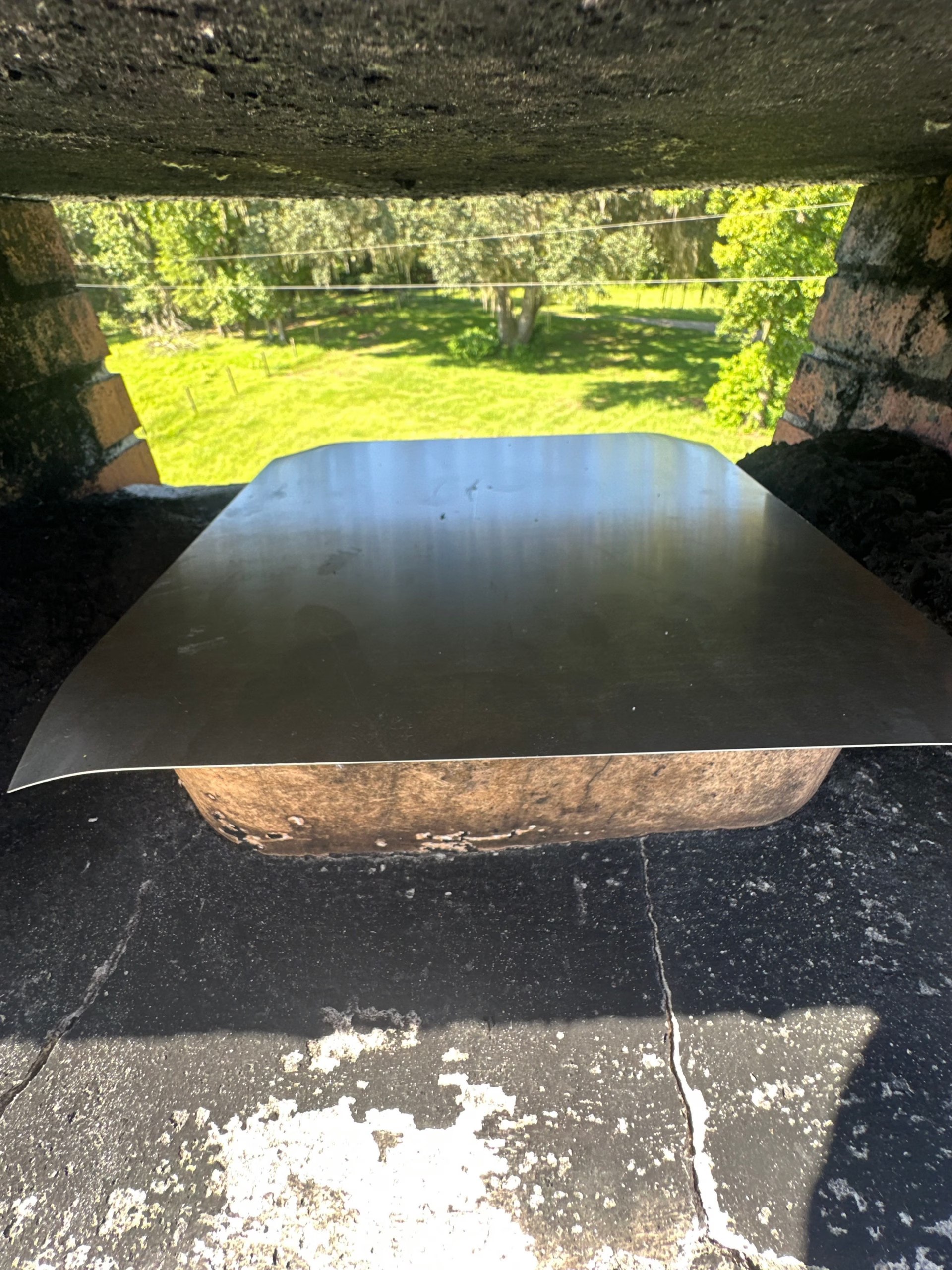
A chimney damper is the metal plate or valve that opens and closes your flue, and when it fails, you lose heat, money, and safety. Many Central Florida homeowners never think about this small part until smoke backs into the living room or a musty draft creeps in during summer. The good news: most damper problems are diagnosable in minutes and fixable without tearing into your chimney.
A damper that won’t seal lets humid Florida air, insects, and even rain into your flue year-round. One that won’t open fully can trap smoke and carbon monoxide inside your home during a fire. Understanding how this part works — and what warning signs mean — protects both your family and your masonry.
📌 Key Takeaways
- A chimney damper should open fully for fires and close tightly when the fireplace is unused.
- Rust, warping, and creosote buildup are the top three causes of damper failure in humid climates.
- A damper stuck open wastes conditioned air and invites pests, wasps, and rain into the flue.
- Top-mount dampers are more energy efficient than traditional throat dampers for most Florida homes.
- A certified chimney technician can inspect and repair a damper in a single visit in most cases.
Jump to a section:
- What a Chimney Damper Does and Why It Matters
- Warning Signs Your Damper Needs Attention
- Types of Dampers Found in Central Florida Homes
- Chimney Damper Repair vs. Replacement
- DIY Checks vs. Professional Damper Service
- How Certified Technicians Handle Damper Repairs
- Frequently Asked Questions
What a Chimney Damper Does and Why It Matters
Quick Answer: A chimney damper is a movable plate inside the flue that regulates airflow, keeping heat in when closed and venting smoke out when open. Without one working correctly, your fireplace loses efficiency and your home loses protection from the outdoors.
Think of the damper as a door between your living room and the outside world. When you’re not burning a fire, that door should stay shut to keep conditioned air inside. When a fire is lit, it needs to open wide enough for smoke and combustion gases to escape safely.
Why Florida Humidity Makes This Part Vulnerable
Central Florida’s humidity accelerates rust on metal damper plates and hardware. In homes from Gainesville to Ocala, we regularly find dampers frozen shut or warped from years of moisture exposure. According to the U.S. Environmental Protection Agency, poor ventilation and combustion byproducts indoors can contribute to serious indoor air quality problems, which is one reason a functioning damper matters beyond comfort.
💡 Expert Insight: In my years sweeping chimneys around Alachua and Marion counties, I’ve seen more damper failures from humidity-driven rust than from actual fire use. Florida’s climate is tougher on this part than the fires themselves.
Warning Signs Your Damper Needs Attention
Quick Answer: Smoke in the room, a drafty fireplace when it’s closed, or visible rust are the clearest signs your chimney damper needs service. Catching these early prevents bigger, costlier chimney repairs down the line.
Most homeowners notice a problem only after it’s already causing discomfort. Below are the signals worth acting on right away.
Common Symptoms and What They Mean
| Symptom | Likely Cause | Recommended Action |
|---|---|---|
| Smoke backs into the room | Damper won’t open fully | Schedule inspection and cleaning |
| Draft or cold air with damper closed | Warped plate or broken seal | Repair or reseat damper |
| Visible rust or flaking metal | Moisture exposure over time | Replace damper assembly |
| Handle won’t move at all | Creosote buildup or corrosion | Professional cleaning and lubrication |
| Higher energy bills in winter | Damper stuck partially open | Full inspection of damper system |
⚠️ Common Mistake: Homeowners often force a stuck damper handle, which can snap the mechanism entirely. If it won’t move smoothly, stop and call a technician rather than pushing harder.
When Smoke Smell Alone Is a Red Flag
A lingering smoky odor even when the fireplace hasn’t been used often points to a damper that isn’t sealing. This lets flue odors drift into the house, especially on humid days. The National Fire Protection Association recommends annual chimney inspections partly because these subtle issues rarely announce themselves loudly.
Types of Dampers Found in Central Florida Homes
Quick Answer: Central Florida homes typically use either a traditional throat damper near the firebox or a top-mount damper at the chimney crown. Each has different strengths for our humid, storm-prone climate.
Knowing which type you have helps set expectations for repair versus replacement.
Throat Dampers vs. Top-Mount Dampers
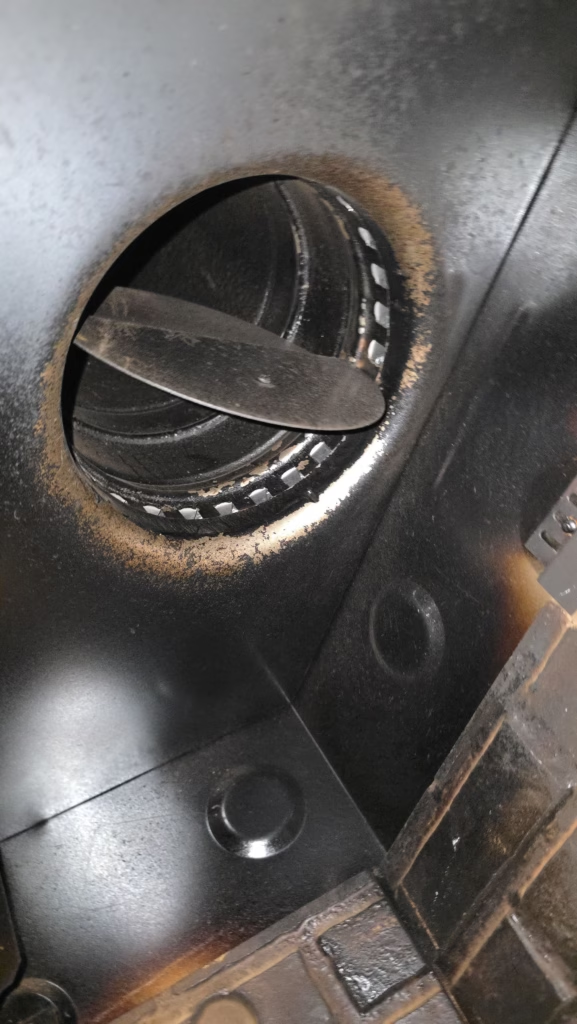
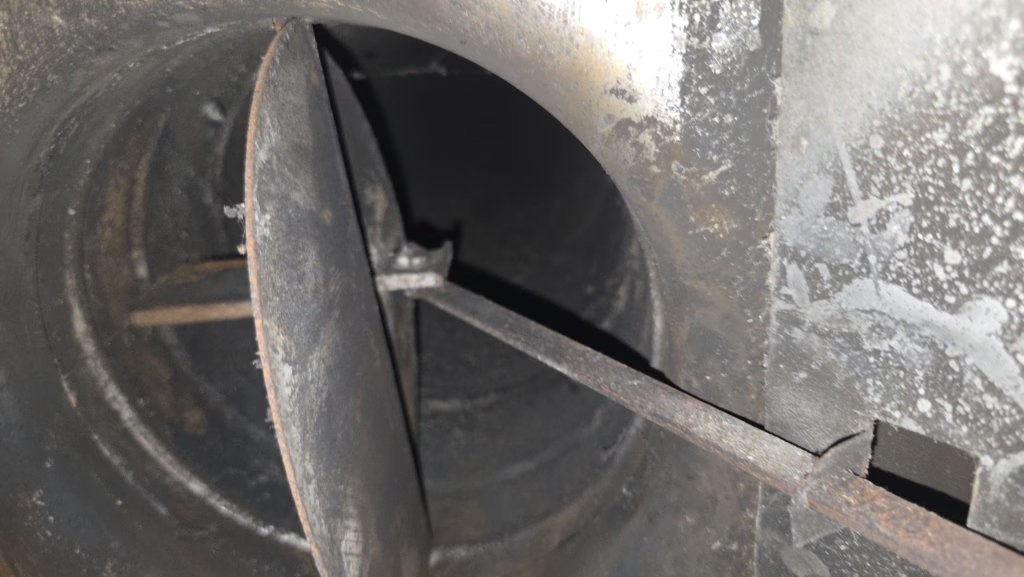
A throat damper sits just above the firebox and is opened with a lever or handle. These are common in older homes throughout Deland, Eustis, and Brooksville, and they tend to rust from the inside out since they sit closest to combustion moisture.
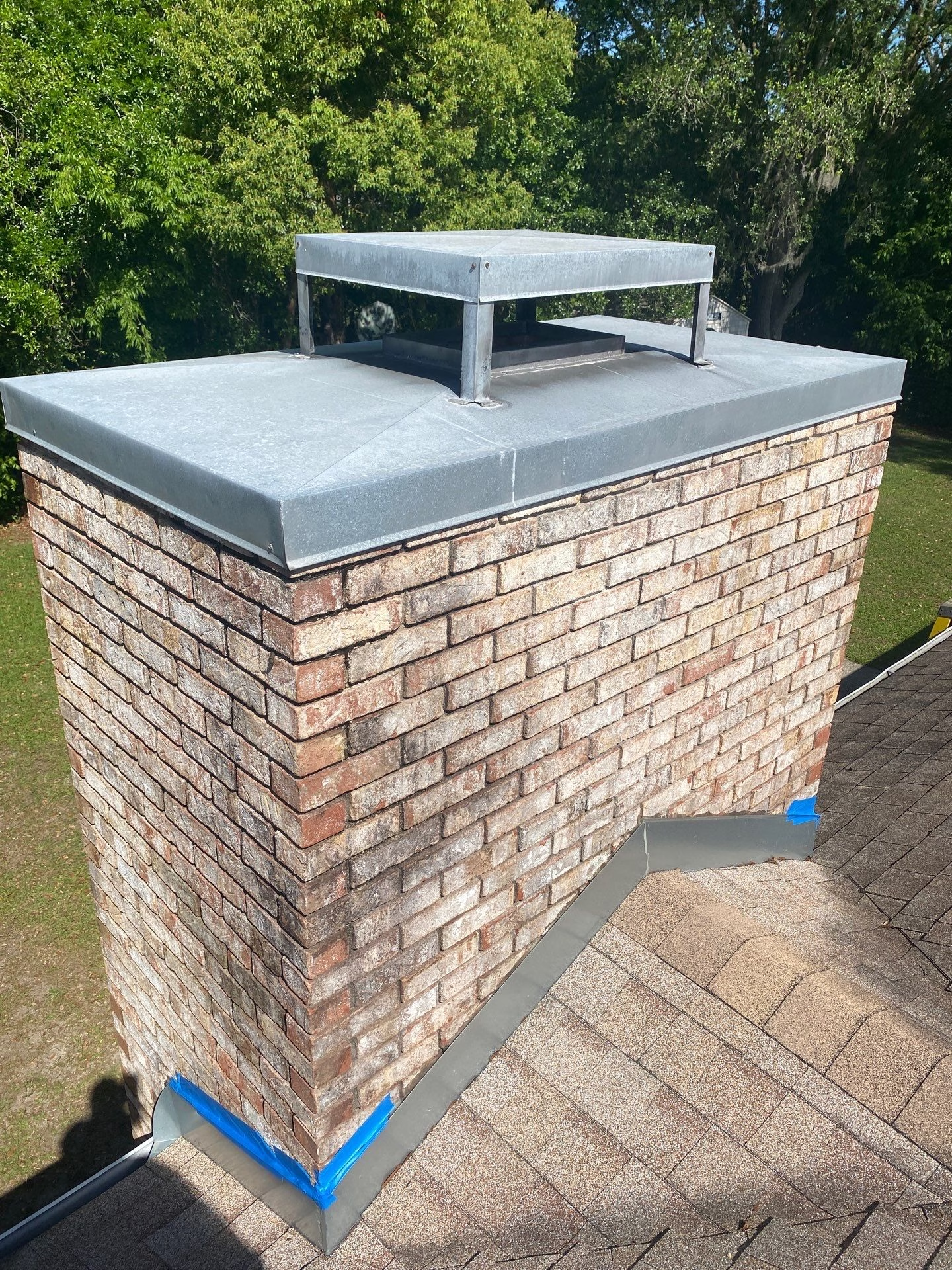
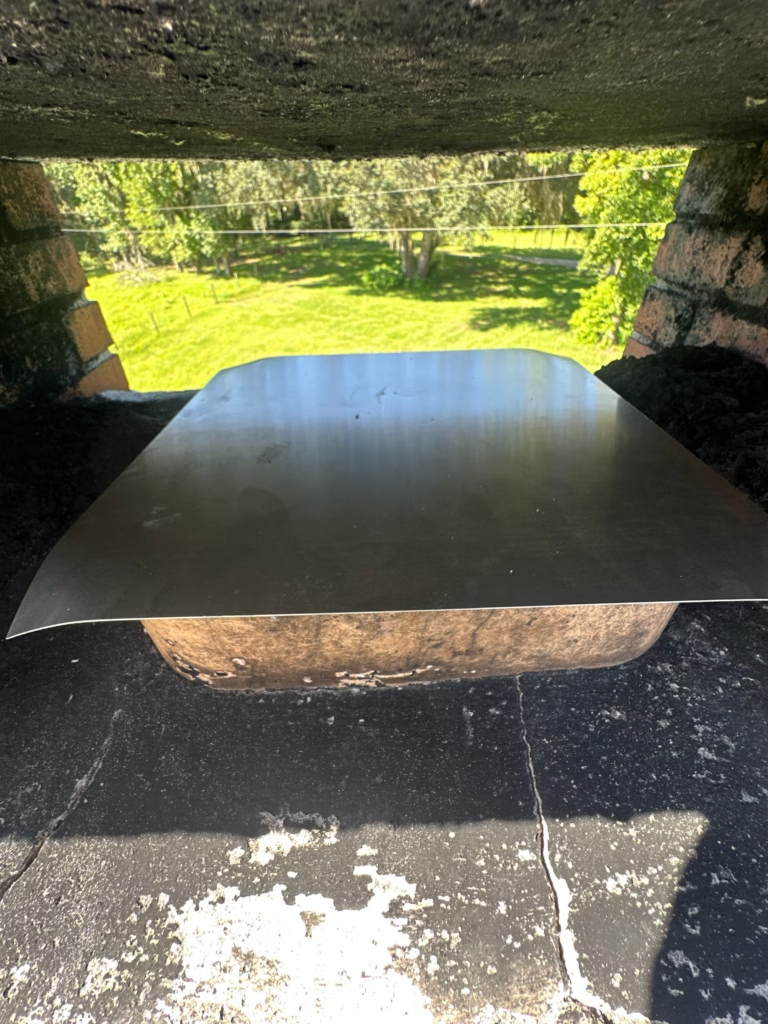
A top-mount damper sits at the very top of the flue and doubles as a rain cap. It seals tighter against weather and pests, which makes it a popular upgrade when we handle repair work through our damper repair service. Many homeowners in Lake Mary and Casselberry choose this style specifically for better energy performance.
📊 Data Point: According to guidance from the Chimney Safety Institute of America, a properly sealed chimney damper can noticeably reduce energy loss compared to a leaky or stuck-open unit, since an open flue behaves like a hole in your roof.
Chimney Damper Repair vs. Replacement
Quick Answer: Minor rust, loose hardware, or a bent plate can usually be repaired, while severely corroded or cracked dampers need full replacement. A trained technician can make that call after a hands-on inspection.
Not every damper problem requires replacing the whole assembly. Sometimes a good cleaning, lubrication, and re-alignment solves the issue completely.
What Determines the Right Fix
The decision usually comes down to three factors: how much metal has corroded, whether the frame is still square, and how the plate seats against the flue walls. A damper that’s mostly intact but stiff often just needs cleaning and adjustment.
When the plate itself is cracked or the frame has rusted through, patch repairs won’t hold. In those cases, we typically recommend a top-sealing damper replacement, which also improves protection against rain and debris — something we cover in more detail alongside our chimney cap installation work.
✅ Quick Tip: Ask your technician to check the damper seal and the chimney crown together. A cracked crown often accelerates damper corrosion by letting water pool near the throat.
How Masonry Condition Affects the Damper
A damper doesn’t operate in isolation. If the surrounding masonry has settled, cracked, or shifted, the frame can bind and prevent smooth operation. Our team sometimes pairs damper work with broader masonry rebuilds and repair when the two issues overlap, which is more common in older homes across Inverness and Crystal River.
DIY Checks vs. Professional Damper Service
Quick Answer: Homeowners can safely check whether a damper opens and closes, but repairs, cleaning, and replacement should go to a certified technician. Flue work involves creosote, soot, and structural components that aren’t safe for casual DIY.
There’s a real difference between noticing a problem and fixing it correctly.
Safe At-Home Checks
You can visually confirm the damper moves when you operate the handle, and you can shine a flashlight up the flue to check for obvious rust or debris. If you smell smoke or feel a draft with the damper fully closed, that’s your cue to call for service rather than attempt a repair yourself.
| Task | DIY Safe? | Why |
|---|---|---|
| Visual check with flashlight | Yes | No tools or flue entry required |
| Operating the handle | Yes | Confirms basic movement only |
| Cleaning creosote near damper | No | Requires proper containment and tools |
| Replacing damper plate | No | Needs precise fit and safety knowledge |
| Repairing warped frame | No | Requires masonry and metal expertise |
⚠️ Common Mistake: Spraying generic household lubricant on a stuck damper can attract more soot and creosote buildup. Chimney-rated lubricants are formulated to withstand heat and combustion residue.
How Certified Technicians Handle Damper Repairs
Quick Answer: A professional damper repair starts with a full flue inspection, followed by cleaning, adjustment or replacement, and a final function test. This ensures the chimney damper seals and opens correctly before you use the fireplace again.
Our technicians hold Florida Contractor License #CRC1333200 and multiple CSIA and NFI credentials, including Certified Master Chimney Technician #34 and Certified Chimney Sweep (CSIA) #10020. That training matters because a damper sits at the intersection of fire safety, masonry condition, and airflow physics.
What a Typical Visit Looks Like
- Inspect the flue and damper assembly with a camera or flashlight for rust, cracks, or blockage.
- Test the handle or lever through a full range of motion.
- Clean creosote and debris from the damper plate and surrounding throat.
- Repair, lubricate, or replace the damper as needed based on findings.
- Confirm a full seal when closed and a full open position for safe venting.
We serve homeowners throughout Gainesville, Ocala, The Villages, Deltona, and Brandon, and we treat every damper repair as part of your home’s overall fire safety, not an isolated fix. If your chimney also shows signs of moisture intrusion, our guide on chimney leaks and mold growth explains how the two problems often connect.
💡 Expert Insight: A damper repair is also a good time to schedule a full chimney inspection, since technicians are already examining the flue and can catch issues early.
Frequently Asked Questions
How do I know if my chimney damper is open or closed?
Most throat dampers have a visible handle, lever, or rotary knob near the firebox opening that indicates position. If yours doesn’t show a clear indicator, a flashlight check up the flue will confirm whether the plate is open or seated shut.
Can a chimney damper be repaired instead of replaced?
Yes, in many cases a damper with minor rust, stiff hardware, or a slightly bent plate can be cleaned, lubricated, and realigned rather than replaced. Severe corrosion or a cracked frame usually requires full replacement.
What happens if you leave a chimney damper open all the time?
Leaving it open lets conditioned air escape, invites rain and pests into the flue, and increases energy costs. It can also allow debris to build up on the smoke shelf over time.
Why is my chimney damper making noise when I open it?
Squeaking or grinding usually points to rust on the hinge or frame, or creosote buildup restricting smooth movement. A cleaning and lubrication service typically resolves this quickly.
Is a top-mount damper better than a traditional damper?
Top-mount dampers generally seal tighter and double as a rain cap, which suits Central Florida’s wet climate well. They’re often recommended when an existing throat damper has failed beyond simple repair.
How often should a chimney damper be inspected?
An annual inspection alongside your regular chimney service is the standard recommendation from most fire safety authorities. Homes near coastal or high-humidity areas may benefit from more frequent checks.
Do I need a permit to replace a chimney damper in Florida?
Routine damper repair and replacement typically doesn’t require a separate permit, but it should always be performed by a licensed contractor. Always confirm with your local building department if you’re unsure about your specific project scope.
Final Thoughts
A working chimney damper protects your home from wasted energy, unwanted moisture, and unsafe smoke backup, and it’s one of the easiest chimney components to overlook. If you’ve noticed rust, drafts, or a stubborn handle, it’s worth addressing before your next fire. Central Florida’s humidity is hard on this small but essential part, and small issues rarely stay small for long.
Next steps:
- Check whether your damper opens and closes fully using a flashlight.
- Note any rust, smoke smell, or drafts you’ve noticed recently.
- Schedule a professional inspection before your next fireplace season.
- Ask about pairing damper service with a full chimney inspection.
Always Fire and Gas is licensed under Florida Contractor License #CRC1333200 and staffed by CSIA and NFI certified technicians serving Gainesville, Ocala, The Villages, and surrounding Central Florida communities. Schedule your chimney damper inspection today through our contact page and keep your fireplace safe for the season ahead.