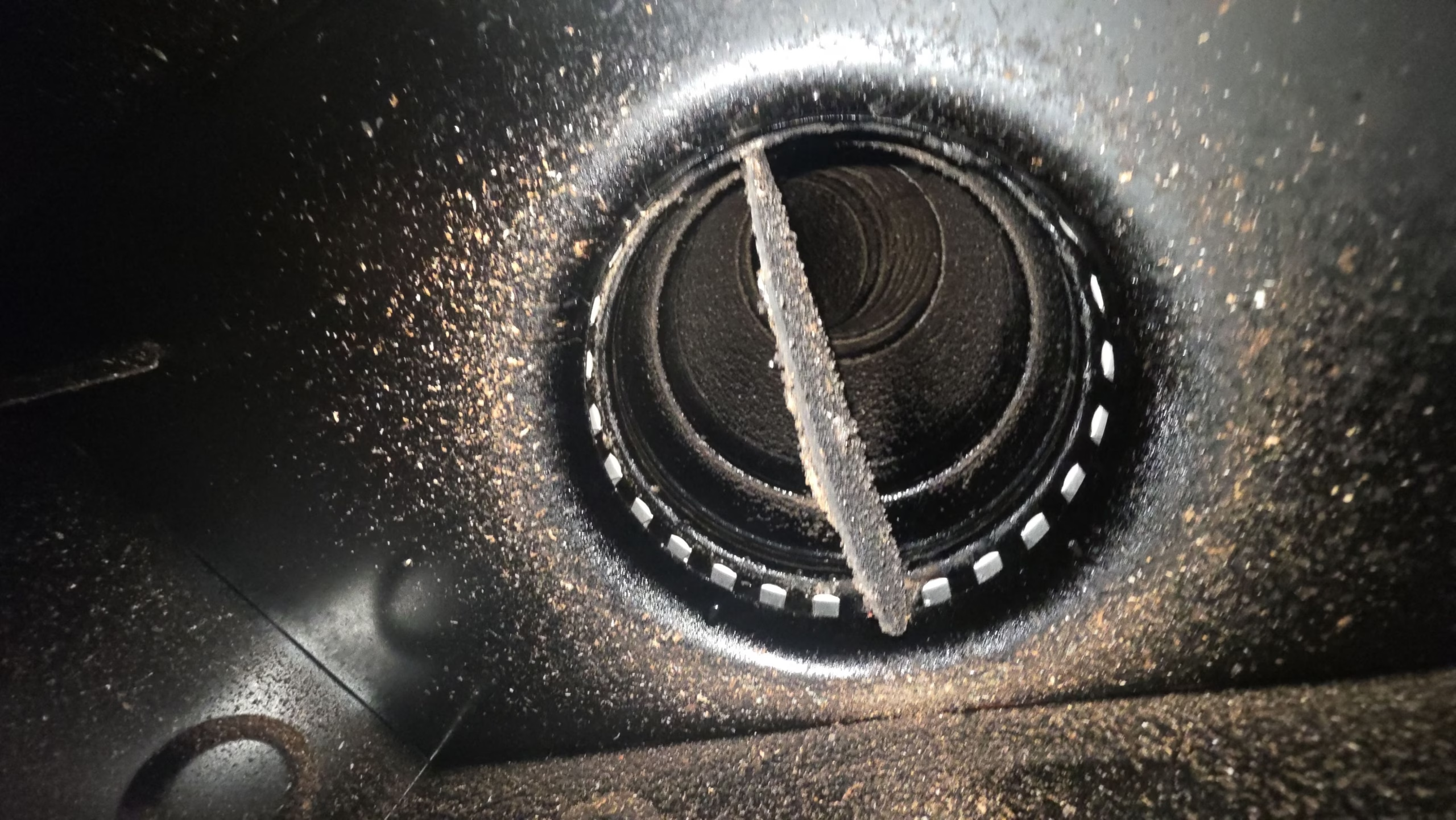
A reliable chimney sweep Crystal River FL homeowners can trust does more than clear out soot — it protects your family from fire and carbon monoxide risks that build up quietly over a season of use. Many folks assume a fireplace that "looks clean" is safe, but creosote (a flammable byproduct of wood combustion) often hides just out of sight inside the flue. That misconception is exactly why chimney fires catch so many homeowners off guard.
At Always Fire and Gas, we’ve swept chimneys across Citrus County long enough to know the salt air and humid summers here create their own set of maintenance challenges. This guide walks you through why sweeping matters, what a professional visit actually involves, and how to choose a technician you can trust with your home.
📌 Key Takeaways
- Schedule a chimney sweep at least once a year, before peak burning season begins.
- Creosote buildup is the leading cause of residential chimney fires nationwide.
- A proper sweep includes a visual inspection, not just brushing out soot.
- Coastal humidity in Crystal River can accelerate rust and masonry deterioration.
- Always confirm your technician holds current CSIA certification before booking.
In this guide:
- Why Regular Chimney Sweeping Matters
- Signs You Need a Chimney Sweep Now
- What Happens During a Professional Chimney Sweep
- Chimney Sweep vs. Chimney Inspection
- How Often Should You Schedule Sweeping
- Choosing a Certified Chimney Sweep Near You
- Frequently Asked Questions
Why Regular Chimney Sweeping Matters
Quick Answer: Regular sweeping removes creosote and debris that can ignite or block airflow, protecting your home from fire and carbon monoxide risks. It also catches small damage before it becomes an expensive repair.
Creosote is a tar-like residue that forms when wood smoke cools inside the flue. Left alone, it hardens into layers that can ignite at high temperatures, sparking a chimney fire that spreads into the attic. According to the Chimney Safety Institute of America (CSIA), even a quarter-inch of creosote buildup is enough to fuel a dangerous flare-up.
Fire Risk Isn’t the Only Concern
Blocked or restricted flues can also push carbon monoxide back into your living space instead of venting it outdoors. The Consumer Product Safety Commission notes that carbon monoxide poisoning sends thousands of Americans to emergency rooms every year, and many cases trace back to poorly maintained venting systems. A clean, clear flue is your first line of defense.
💡 Expert Insight: As a Certified Master Chimney Technician, I’ve opened up flues in Homosassa and Beverly Hills homes that looked fine from the ground but were nearly two-thirds blocked with creosote. You simply can’t judge chimney health by eye alone.
Signs You Need a Chimney Sweep Now
Quick Answer: Dark stains near the firebox, a smoky smell when the fireplace is off, and reduced draft are all signs your chimney needs professional attention. Waiting on these signs increases both fire risk and repair costs.
Homeowners in Crystal River often notice a musty, campfire-like odor lingering in the house, especially during Florida’s humid months. That smell usually means moisture is mixing with old creosote deposits inside the flue. It’s one of the clearest signals that sweeping is overdue.
Visual and Performance Clues
Soot flakes falling into the firebox, a damper that sticks, or smoke drifting back into the room are all practical warning signs. If your fireplace burns unevenly or your wood smolders instead of catching, restricted airflow is often the culprit.
| Warning Sign | Likely Cause | Recommended Action |
|---|---|---|
| Smoky odor when unused | Creosote absorbing moisture | Schedule a sweep and inspection |
| Smoke backing into room | Blocked or undersized flue | Have draft and liner checked |
| Black flakes in firebox | Loose creosote buildup | Sweep before next use |
| Rust on damper or cap | Coastal humidity exposure | Inspect metal components |
| Cracked mortar joints | Age or moisture intrusion | Review for cracked chimney crown damage |
⚠️ Common Mistake: Many homeowners wait until they smell smoke in the living room to call a sweep. By then, creosote buildup is often severe enough to need extra cleaning time and possibly a closer look at the liner.
What Happens During a Professional Chimney Sweep
Quick Answer: A professional visit includes covering your work area, brushing the flue clean, vacuuming debris, and performing a visual inspection of the liner, damper, and crown. Most residential sweeps take about an hour, depending on buildup and access.
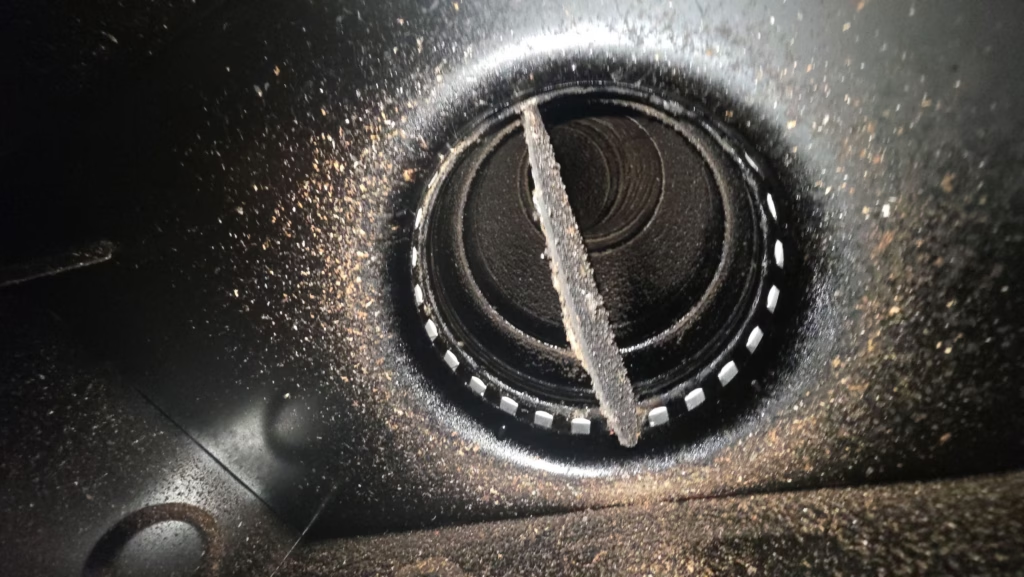
We start by laying protective drop cloths over your hearth and nearby flooring. Then we use specialized rotary brushes or rods sized to your flue’s exact dimensions, paired with a HEPA-filtered vacuum to keep dust contained.
The Inspection Component
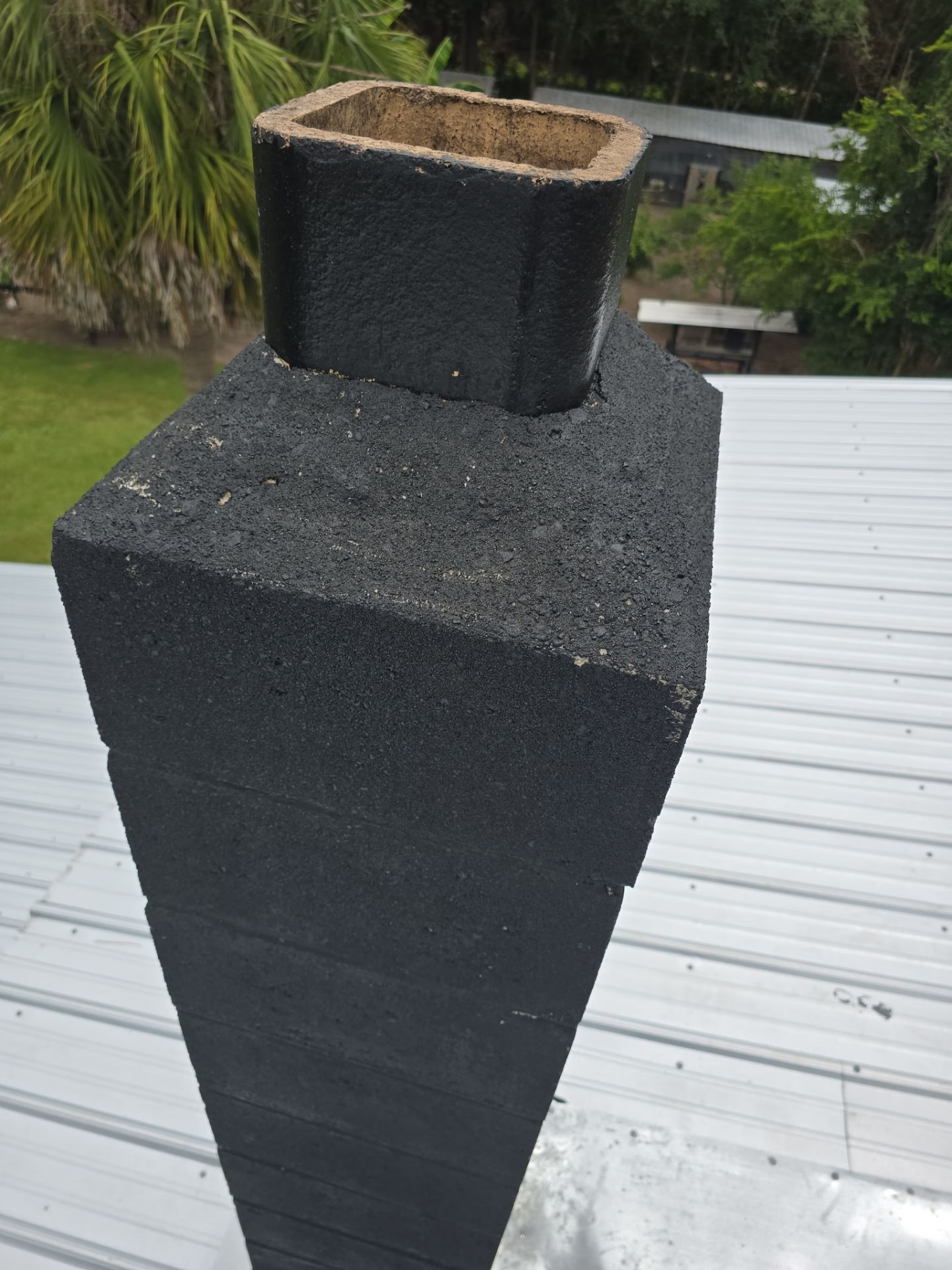
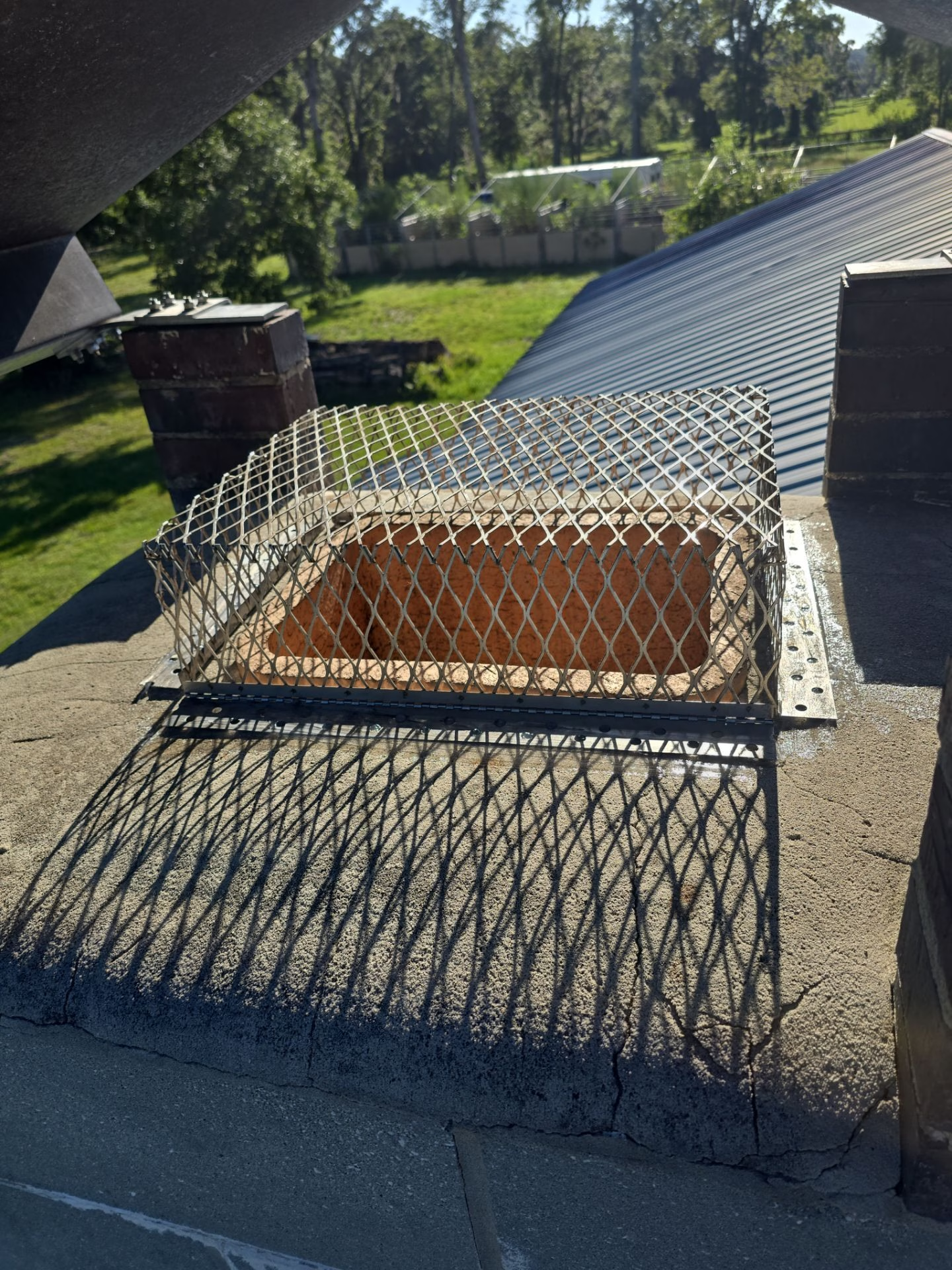
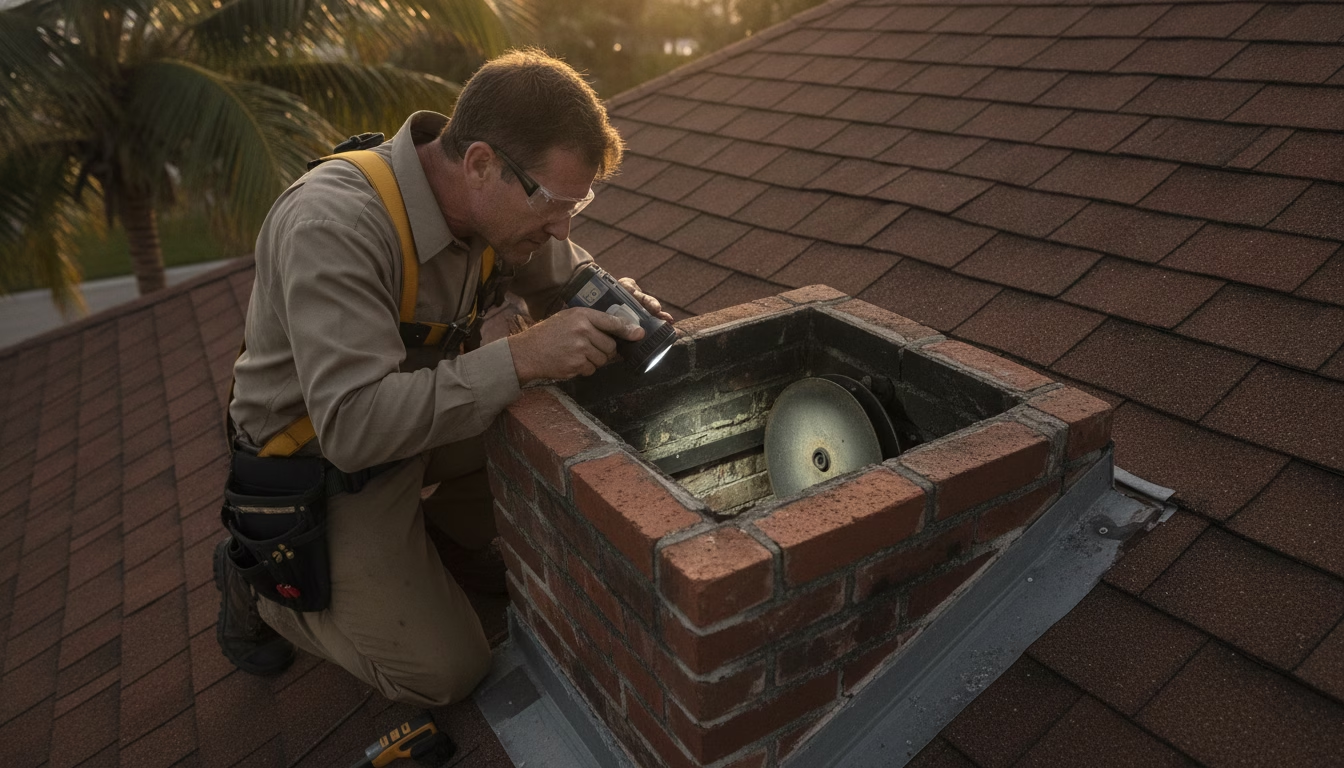
A thorough sweep isn’t complete without a look at the structure itself. We check the chimney crown, flashing, and liner condition, and flag anything resembling a cracked chimney crown or damaged cap. This is also when we assess whether your chimney cap is keeping rain, debris, and animals out effectively.
✅ Quick Tip: Ask your technician to show you before-and-after photos of the flue interior. A reputable chimney sweep will happily document the condition of your system.
Why Certification Matters Here
Our technicians carry CSIA credentials, including Certified Chimney Sweep (#10020) and Certified Chimney Specialist (#59) designations, along with Florida Contractor License #CRC1333200. These aren’t just letters after a name — they represent tested knowledge of National Fire Protection Association (NFPA) 211 standards, which govern chimney and vent system safety nationwide. You can review those standards directly through the National Fire Protection Association.
Chimney Sweep vs. Chimney Inspection: What’s the Difference
Quick Answer: A sweep physically removes soot and creosote, while an inspection evaluates the structural and safety condition of the entire system. Most homeowners benefit from having both done at the same appointment.
Think of it this way: sweeping is maintenance, inspection is diagnosis. The NFPA defines three inspection levels, ranging from a basic visual check to a full video-scan evaluation used after major repairs or storm damage.
Which Level Do You Need
A Level 1 inspection suits homeowners with no known issues who sweep annually. A Level 2 inspection — often paired with a video scope — is recommended before buying or selling a home, or after any chimney fire. Our chimney inspection services cover both levels depending on your situation.
📊 Data Point: According to the CSIA, the majority of chimney fires occur in systems that haven’t been swept in more than a year, underscoring why annual service is the industry-recommended baseline.
How Often Should You Schedule Chimney Sweeping in Crystal River
Quick Answer: Most wood-burning fireplaces need sweeping once a year, but heavy users or homes near the coast may need it more often. Gas fireplaces need less frequent sweeping but still require annual inspection.
Crystal River’s humid, salt-tinged air can speed up corrosion on metal chimney components and dampers. Homeowners here often see faster wear than inland neighbors in places like Ocala or Gainesville, which is worth factoring into your maintenance schedule.
Usage-Based Scheduling
If you burn wood several times a week all winter, plan on sweeping every season, not just once a year. Occasional users — say, a few fires around the holidays — can typically stick to an annual appointment. Either way, pairing sweeping with a check of your damper keeps the whole system functioning as designed.
| Fireplace Type | Recommended Frequency |
|---|---|
| Wood-burning, frequent use | Every 3-4 months of active burning |
| Wood-burning, occasional use | Once annually, before season starts |
| Wood stove insert | Annually, plus mid-season check |
| Gas fireplace | Annual inspection, sweep as needed |
Choosing a Certified Chimney Sweep Near You
Quick Answer: Look for CSIA certification, a valid Florida contractor license, and a technician willing to explain findings in plain language. Avoid anyone who won’t provide credentials or documented results.
We’ve served homeowners from Crystal River to Homosassa, Dunnellon, Inverness, and Beverly Hills long enough to know trust is earned through transparency, not sales pressure. A trustworthy sweep will walk you through what they found and why it matters, not just hand you an invoice.
Questions to Ask Before Booking
Ask whether the technician holds CSIA certification, what inspection level they’ll perform, and how they handle unexpected findings like a damaged liner. It’s also fair to ask about experience with older masonry chimneys, since many Citrus County homes have decades-old brickwork that needs a gentler touch — sometimes requiring masonry rebuild and repair work rather than a simple sweep.
💡 Expert Insight: In my years sweeping chimneys throughout Citrus and Marion counties, the homes that age best are the ones with owners who ask questions and stay curious about their system, not just the ones who book the cheapest appointment.
If you’ve noticed water stains near your firebox or a musty smell after rain, it may point to chimney leaks and mold growth rather than a simple soot problem — worth mentioning when you call.
Frequently Asked Questions
How much does a chimney sweep in Crystal River FL typically involve?
A standard visit includes brushing and vacuuming the flue, a visual inspection of the damper and crown, and a walkthrough of any findings with the homeowner. Most appointments take about an hour for a single, uncomplicated flue.
How do I know if my chimney sweep is CSIA certified?
Ask to see their certification number and confirm it through the Chimney Safety Institute of America directory. A legitimate technician will provide this without hesitation.
Is it safe to use my fireplace if I skip a year of sweeping?
It’s riskier, not automatically dangerous, but creosote buildup compounds year over year and increases fire risk. If you’ve skipped a season, schedule a sweep before your next fire rather than waiting until an odor or smoke problem appears.
What’s the difference between a chimney sweep and a chimney inspection in Florida?
Sweeping physically removes soot and creosote, while inspection evaluates the structural safety of the liner, crown, and flashing. Homes in humid climates like Crystal River often benefit from doing both together.
Do gas fireplaces need chimney sweeping too?
Gas fireplaces produce far less soot but still need annual inspection to check venting, connections, and the cap for blockages. A sweep is less frequent, but not something to skip entirely.
How often should wood-burning fireplace owners near Crystal River schedule maintenance?
Most homeowners need a sweep once a year, ideally before the first cool-weather fire. Frequent users or homes with older masonry may benefit from a mid-season check as well.
Can a dirty chimney affect my home’s air quality?
Yes — restricted airflow can push smoke and carbon monoxide back into living spaces instead of venting outside. The Environmental Protection Agency notes that proper venting and maintenance are key factors in reducing indoor wood-smoke exposure.
Final Thoughts
A dependable chimney sweep Crystal River FL homeowners trust isn’t just about tidiness — it’s about catching fire risks and structural issues before they become costly emergencies. Between coastal humidity, seasonal burning habits, and aging masonry common throughout Citrus County, annual attention pays off in safety and peace of mind. We’ve seen firsthand how a simple yearly appointment prevents the kind of surprises nobody wants during a cold snap.
Next steps:
- Note any warning signs you’ve noticed — odors, staining, or draft issues.
- Confirm your chimney’s last sweep and inspection date.
- Schedule a CSIA-certified technician before your next fire.
- Ask for documented findings, including photos, at the appointment.
Always Fire and Gas is licensed under Florida Contractor License #CRC1333200 and staffed by CSIA-certified chimney professionals serving Crystal River and surrounding Citrus County communities. Contact us today to schedule your chimney sweep and keep your home ready for the season ahead.