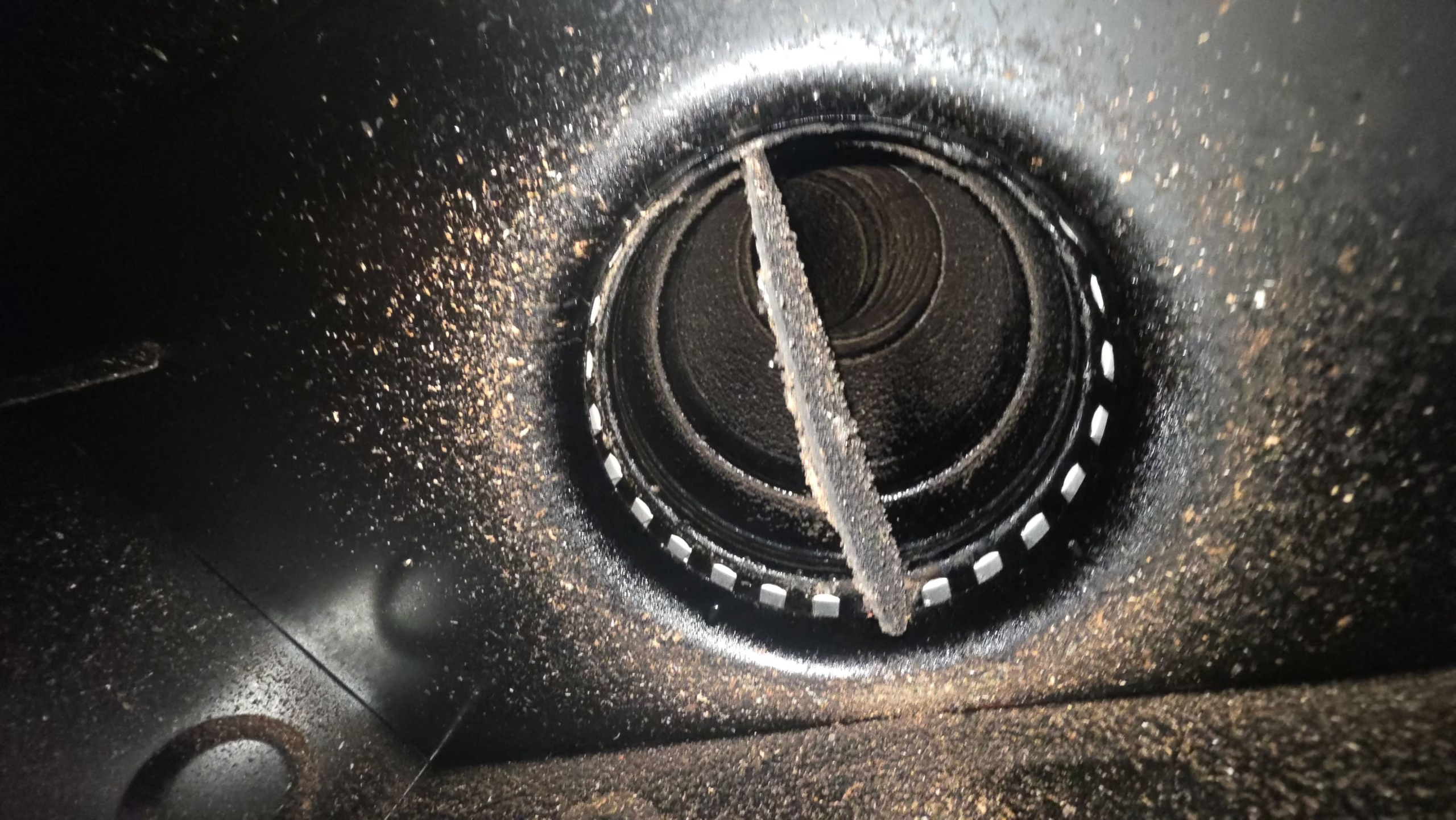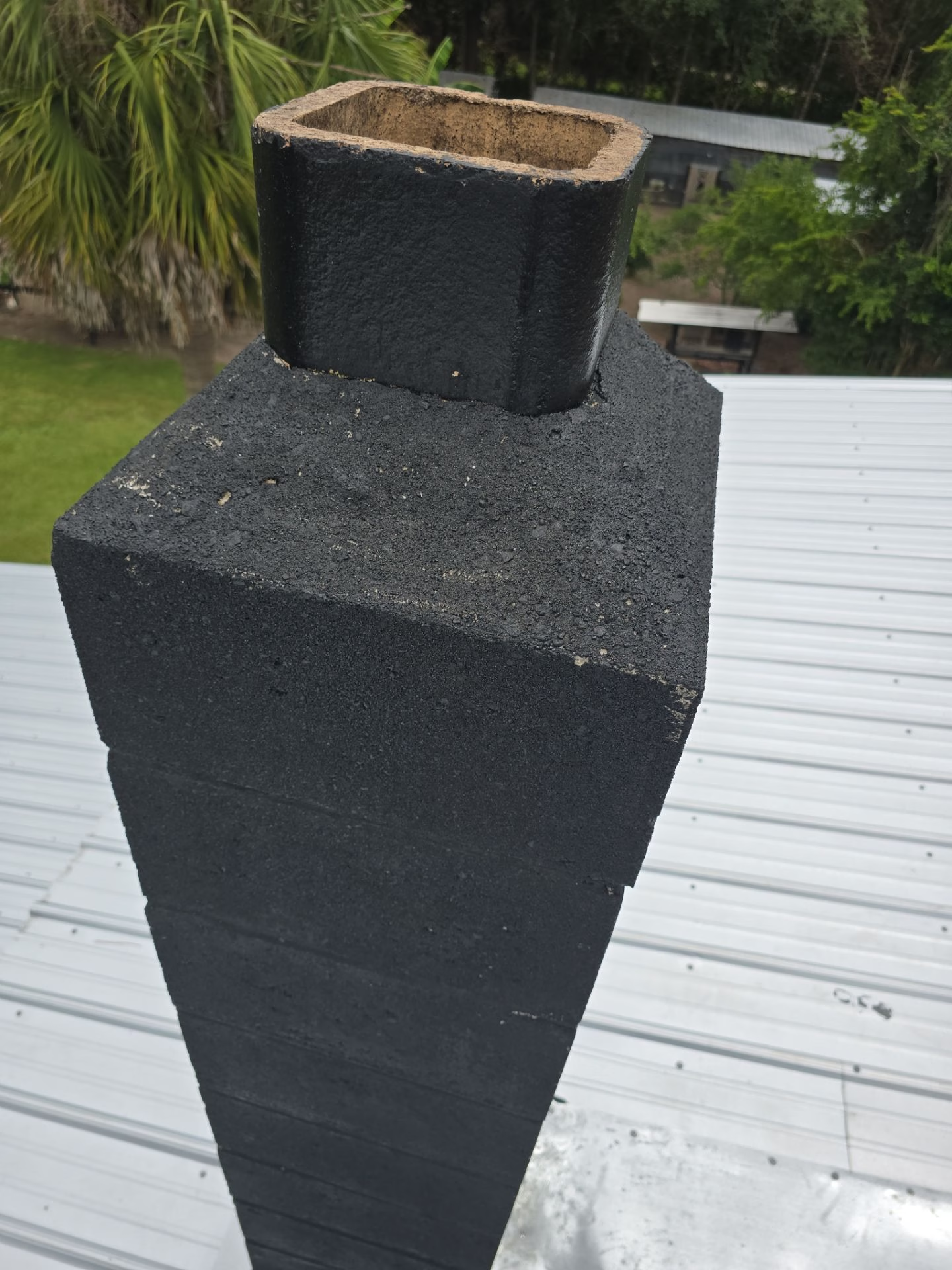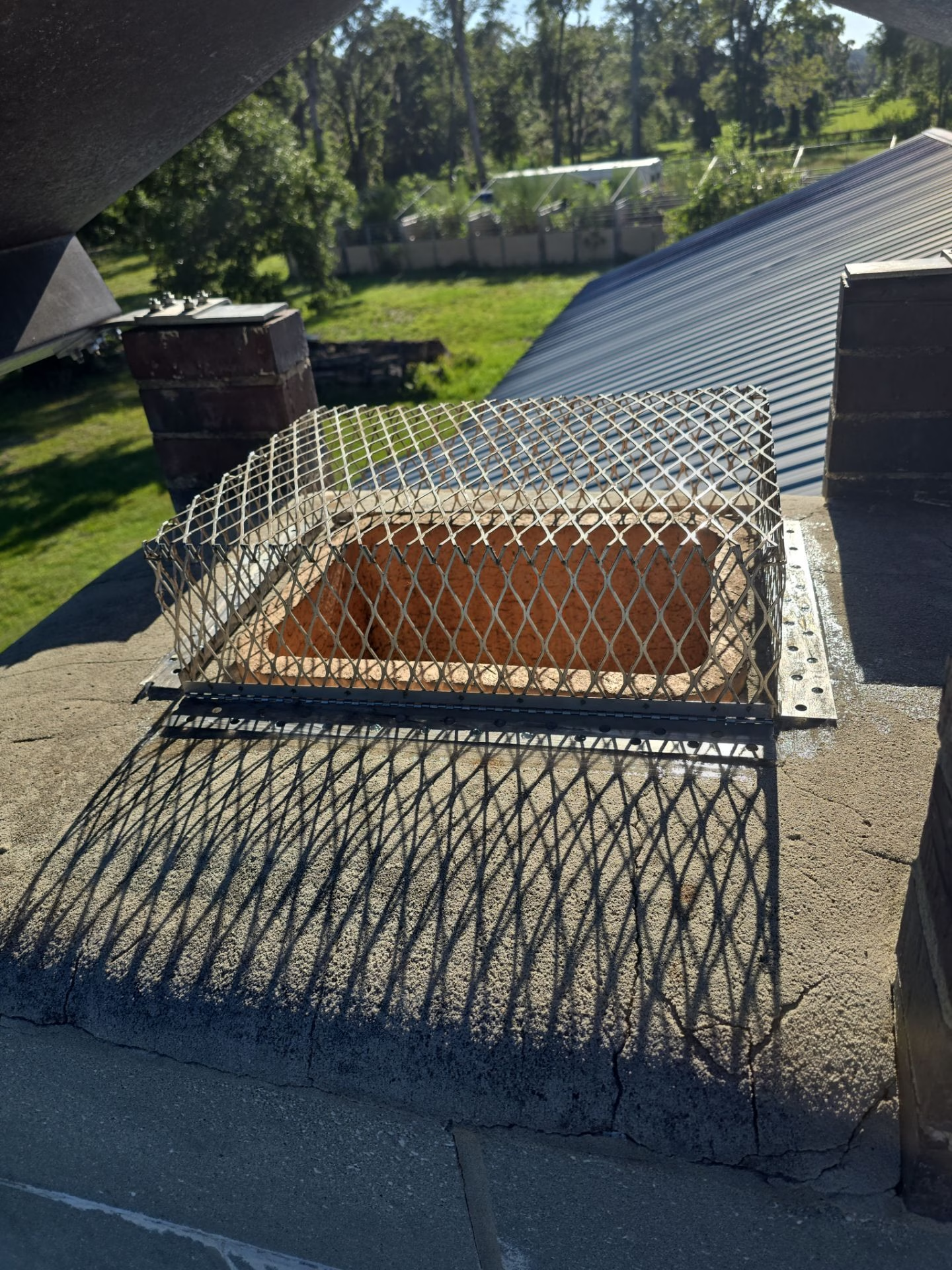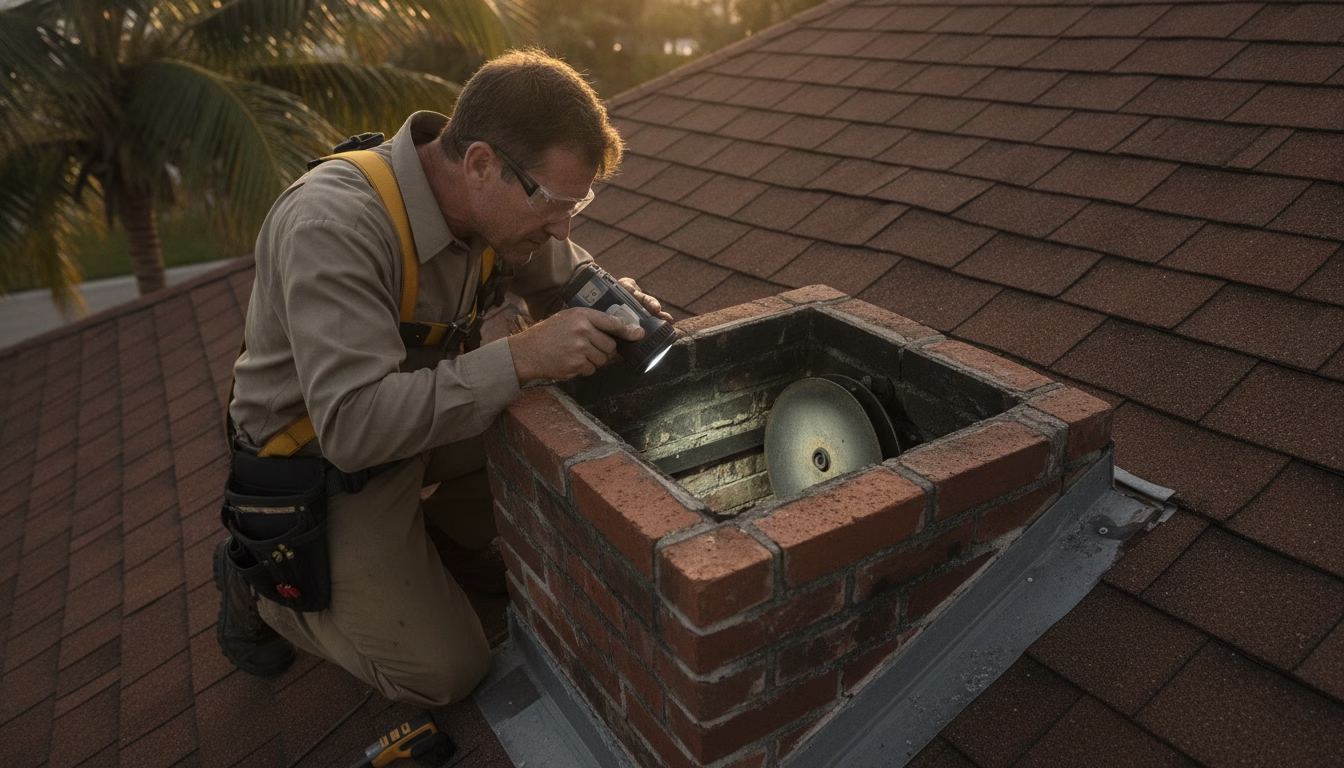
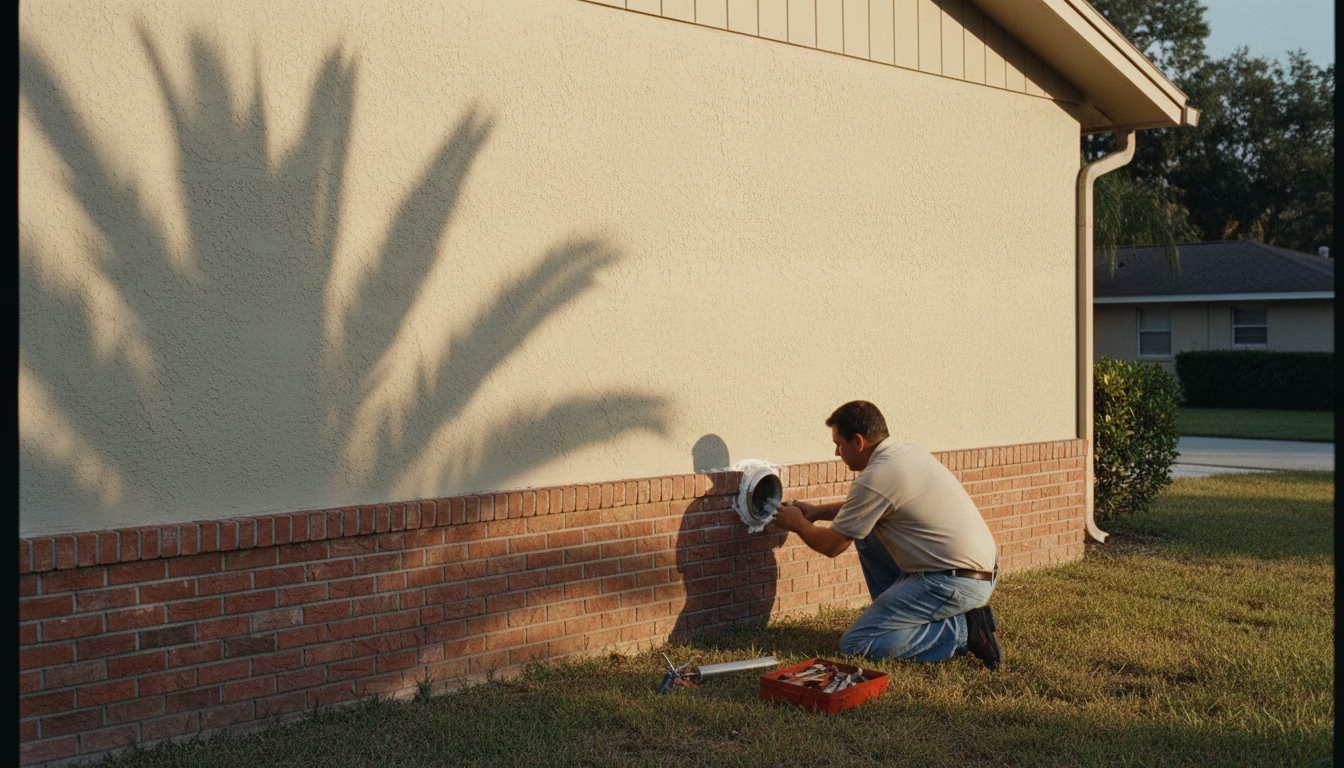
The cost to add a gas fireplace depends on your home’s layout, the fuel source available, and the venting method your house needs — not a flat number you can look up online. Most Central Florida homeowners find the biggest cost drivers are whether a gas line already exists, how far the fireplace sits from that line, and whether venting has to be routed through a wall or roof. A quick misconception we hear often: people assume every gas fireplace install is a weekend DIY project. It rarely is, because gas and venting work both fall under Florida’s life-safety codes.
In this guide, we’ll walk through what actually shapes your investment — fuel type, venting, unit style, and permitting — so you can budget with confidence before you call anyone out. We’ll also cover the safety standards that keep your family protected long after installation day.
📌 Key Takeaways
- Fuel source (natural gas vs. propane) is usually the single biggest factor in your total project scope.
- Direct vent units cost less to run long-term and vent through an exterior wall, no chimney required.
- Existing gas lines and chimneys can lower complexity significantly compared to new construction.
- Florida requires licensed gas contractors for line work — always confirm credentials before hiring.
- A pre-install inspection catches hidden issues (undersized lines, structural gaps) before they become expensive surprises.
Jump to a section:
- Understand What Drives the Investment
- Compare Fuel and Venting Options
- Know the Installation Process Step by Step
- Avoid Common Safety and Code Pitfalls
- Choose the Right Local Installer
- Frequently Asked Questions
Understand What Drives the Investment
Quick Answer: The cost to add a gas fireplace is shaped mainly by fuel access, venting complexity, and the fireplace style you choose, not by the unit alone. Homes with an existing gas line and open framing are typically the simplest and least invasive to convert.
Every estimate starts with fuel access. If your home already has natural gas service nearby, running a branch line to the new fireplace location is far less invasive than starting from a propane tank or extending a main line across the house. Homeowners considering natural gas line installation should ask whether the meter’s capacity can handle an added appliance.
Fuel Type Changes the Whole Project
Propane remains common in rural pockets of our service area where natural gas isn’t run to the street. If propane is your only option, you’ll need either a buried or above-ground tank sized correctly, which is why propane installation services usually start with a site evaluation. According to the U.S. Department of Energy, gas fireplaces — whether natural gas or propane — offer higher efficiency than traditional wood-burning units because combustion is controlled and consistent.
💡 Expert Insight: We always check the existing gas meter’s BTU capacity before quoting a fireplace addition. Undersized meters are one of the most overlooked issues homeowners run into mid-project.
Venting Method Matters as Much as the Unit
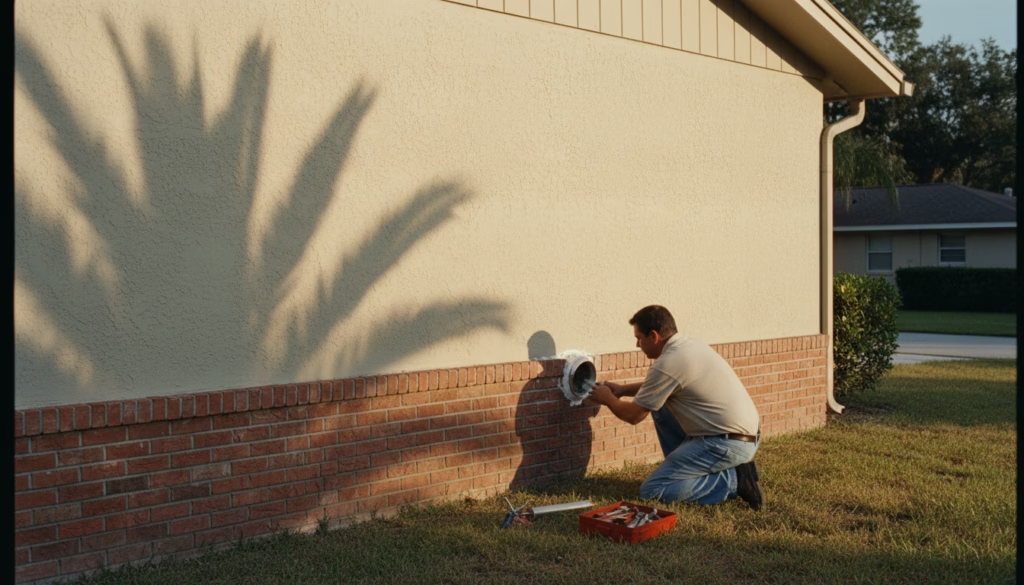
A direct vent fireplace pulls combustion air from outside and exhausts through a sealed pipe, usually through an exterior wall. A B-vent or existing masonry chimney can also be used if the structure is sound and properly lined. Homes needing gas fireplace vent installation through a roof or long wall run typically involve more labor than a simple wall termination.
Compare Fuel and Venting Options
Quick Answer: Direct vent gas fireplaces are the most flexible and efficient option for most Central Florida homes, while B-vent and vent-free models fit specific situations. Comparing them side by side helps you understand where your money goes.
| Option | Venting Needed | Best For | Efficiency Notes |
|---|---|---|---|
| Direct vent | Exterior wall or roof pipe | Most homes, new additions | High efficiency, sealed combustion |
| B-vent (natural draft) | Vertical chimney/flue | Homes with existing chimney | Moderate efficiency |
| Vent-free | None required | Supplemental heat only | Requires oxygen depletion sensor |
| Propane-fed direct vent | Exterior wall pipe | No natural gas access | Same efficiency as natural gas unit |
DIY vs. Licensed Professional
Some homeowners ask if they can install the fireplace themselves and just have a pro handle the gas line. In Florida, gas connections and appliance venting both require a licensed contractor — it isn’t a matter of preference. Our team holds a Certified Category V Gas License (#LI45277) and a Florida Contractor License (#CRC1333200), which covers both the gas work and the structural venting.
⚠️ Common Mistake: Homeowners sometimes buy a fireplace insert online before confirming their venting type is compatible. Always match the unit to your home’s existing chimney or wall clearance first.
Know the Installation Process Step by Step
Quick Answer: A typical gas fireplace installation moves through site evaluation, gas line or tank setup, venting, unit placement, and a final safety inspection. Understanding each stage helps you plan around the work.
- Site evaluation — we check gas availability, clearances, and structural framing.
- Gas line or propane tank installation — sized to the new appliance’s BTU rating; see our LP tank installation page for propane-specific setups.
- Venting installation — wall, roof, or existing chimney, depending on the chosen unit.
- Fireplace mounting and hookup — the unit is set, connected, and sealed.
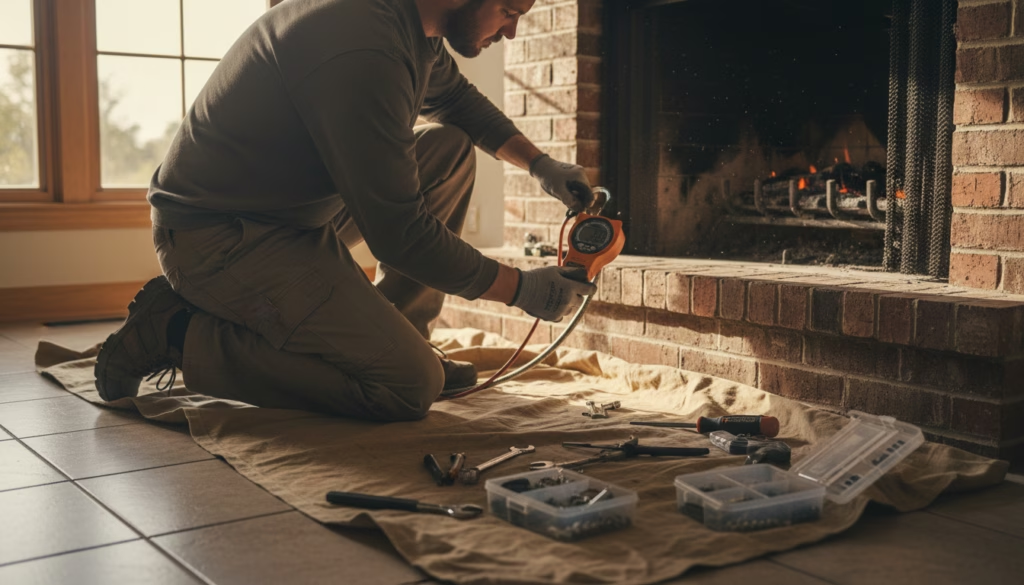
- Pressure test and safety inspection — every connection is checked for leaks before we hand over the keys.
Why Timelines Vary
A straightforward direct vent install in a home with existing gas service can often be completed in a single day. Homes needing new gas line runs, propane tank placement, or propane vs. natural gas conversions take longer because permitting and inspection add extra steps.
📊 Data Point: The National Fire Protection Association notes that heating equipment, including fireplaces, is a leading factor in home structure fires when installed or maintained incorrectly, underscoring why proper venting and clearances matter — see NFPA’s home fires research for details.
Avoid Common Safety and Code Pitfalls
Quick Answer: Florida code requires proper clearances, combustion air, and CO safety measures for every gas fireplace. Skipping these steps is the fastest way to turn a good investment into a hazard.
Gas appliances need adequate combustion air and correct clearance to combustibles like mantels, trim, and furniture. The Chimney Safety Institute of America recommends annual inspections for any vented fireplace, gas or wood, to confirm the venting system remains clear and sealed. Our team’s CSIA-certified technicians (Certified Chimney Specialist #59, Certified Chimney Sweep #10020) follow these same standards on every job.
Permits Protect Your Home’s Value
Unpermitted gas work can complicate a home sale and, more importantly, leave a hidden safety gap. Florida requires licensed contractors for gas piping — you can verify any contractor’s license status through the Florida DBPR licensing portal. We recommend homeowners always ask for a license number before signing a contract.
✅ Quick Tip: Ask your installer to show you the completed permit and inspection sign-off, not just a receipt. That paperwork is your proof of safe, code-compliant work.
Choose the Right Local Installer
Quick Answer: Look for a contractor with verifiable Florida gas licensing, hearth-specific training, and local experience in your county’s climate and code requirements. Credentials matter more than a quick online quote.
We’ve served homeowners across Gainesville, Ocala, Brooksville, Clermont, Deland, and Lady Lake for years, and every home brings its own quirks — a 1970s chimney that needs relining, a propane tank that’s too close to a window, or a great room that simply doesn’t have gas run to it yet. Our team, including a Certified Master Chimney Technician (#34) and a Certified Hearth Design Specialist (NFI #177069), evaluates each home individually rather than applying a one-size-fits-all quote.
What to Ask Before You Hire
A good local installer should walk your home, confirm gas capacity, discuss venting routes, and explain the permit process before ever mentioning a fireplace model. If a company skips the walkthrough, that’s a red flag. For homeowners in our Gainesville service area, we handle everything from the initial site visit to final inspection sign-off.
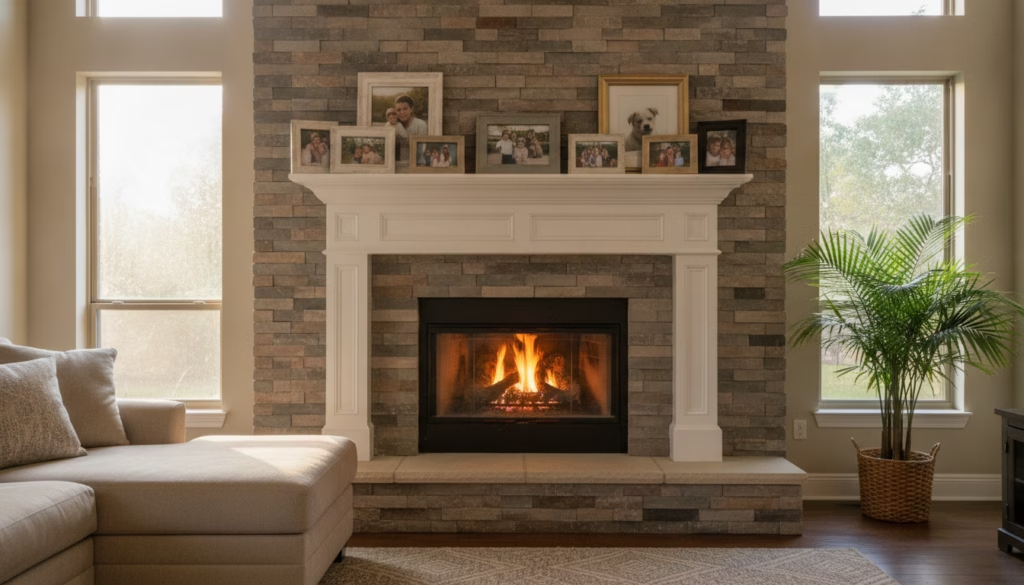
💡 Expert Insight: In our experience, the homes that end up happiest with their fireplace are the ones where the homeowner asked about venting and clearances upfront, not just style and finish.
Frequently Asked Questions
How much does it cost to have a gas fireplace installed?
The total depends on fuel access, venting type, and unit style rather than a single fixed price. Homes with existing gas lines and simple direct vent setups are generally the most straightforward, while propane tank installs or long vent runs add complexity.
What is the cost to add a gas fireplace if I already have a chimney?
Using an existing chimney can simplify venting, but the flue often needs relining or inspection first to confirm it’s rated for gas. A pre-install inspection tells you whether the chimney is usable as-is or needs work.
Do I need a permit to install a gas fireplace in Florida?
Yes, gas line work and appliance venting both require permits and a licensed gas contractor in Florida. Skipping permits can void insurance coverage and create safety risks down the road.
How long does gas fireplace installation take?
A simple direct vent installation with existing gas service can often be finished in a day. Projects requiring new gas lines, propane tanks, or extended venting typically take longer due to permitting and inspection steps.
Is a propane gas fireplace installation different from natural gas?
The fireplace unit itself is often similar, but propane requires a properly sized tank and different regulator settings. Homes without natural gas service commonly choose propane as their fuel source instead.
Can I convert my wood-burning fireplace to gas?
In many cases, yes, if the existing chimney passes inspection and can be lined appropriately for gas venting. Our technicians evaluate the flue condition before recommending a full conversion.
What maintenance does a gas fireplace need after installation?
Annual inspection of the venting system, burner, and gas connections keeps the unit safe and efficient. The Chimney Safety Institute of America recommends yearly checkups for any vented hearth appliance, gas or wood-burning alike.
Final Thoughts
The cost to add a gas fireplace comes down to a handful of clear factors: your fuel source, venting method, and the condition of any existing chimney or gas line. When those pieces are evaluated properly upfront, homeowners across Central Florida get a warmer, safer living room without surprises mid-project. The right installer treats every home as unique rather than applying a generic package.
Here’s how to move forward with confidence:
- Schedule a home evaluation to check gas access and venting options.
- Ask for the contractor’s Florida gas license number and verify it.
- Review the venting plan and clearances before choosing a fireplace model.
- Confirm permits and inspections are included in the project scope.
- Book your installation with a technician trained in both gas and chimney safety.
Always Fire and Gas is licensed under Florida Contractor License #CRC1333200 and Certified Category V Gas License #LI45277, serving homeowners throughout Alachua, Marion, Lake, Sumter, and Hernando counties. Contact our team today to schedule your gas fireplace evaluation and get a clear, honest plan for your home.