If you’re searching for a chimney sweep Homosassa FL homeowners can actually trust, here’s the short answer: schedule an annual sweep and inspection before wood-burning season, because creosote buildup is a leading cause of preventable house fires. Many Citrus County homeowners assume a fireplace that "looks clean" is safe, but soot and creosote accumulate inside the flue where you can’t see them. A certified sweep removes that hidden risk and checks your chimney’s structure at the same time.
I’ve crawled into more Homosassa attics and fireplace boxes than I can count, and the pattern is always the same — the chimneys that get swept every year have almost no buildup, while the ones that go three or four years between visits often need real repair work. That difference is the whole reason regular sweeping exists.
📌 Key Takeaways
- Schedule a professional chimney sweep once a year, ideally before fall’s first fire.
- Creosote buildup thicker than 1/8 inch is a recognized fire hazard per fire safety standards.
- A sweep should always include a visual inspection of the crown, cap, and flue liner.
- Homeowners in Homosassa, Crystal River, and Dunnellon face extra moisture exposure that accelerates masonry wear.
- Choose a CSIA-certified technician and verify Florida contractor licensing before booking.
Jump to a section:
- Why Regular Sweeping Matters
- What Happens During a Professional Sweep
- Warning Signs You Shouldn’t Ignore
- How Often You Really Need One
- Choosing the Right Chimney Sweep Company
- FAQ
Why Regular Sweeping Matters
Quick Answer: Regular sweeping removes creosote, a flammable tar-like residue that builds up inside every wood-burning flue. Left alone, it’s the single biggest cause of residential chimney fires.
Creosote forms whenever wood smoke cools inside the flue and condenses on the liner walls. It starts as a flaky soot but can harden into a glazed, tar-like coating after repeated fires. According to the National Fire Protection Association, chimneys, fireplaces, and vents caused thousands of home structure fires reported in recent years, with creosote buildup among the top contributing factors.
The Hidden Cost of Skipping a Sweep
A chimney that isn’t swept doesn’t just risk fire — it also traps moisture, which speeds up mortar breakdown. That’s especially true in Homosassa and Crystal River, where humid gulf-coast air keeps masonry damp longer after every rain. Over time, that moisture contributes to issues like a cracked chimney crown that lets water seep straight into the flue.
⚠️ Common Mistake: Assuming gas fireplaces don’t need sweeping. Gas appliances still need periodic inspection for blockages, corrosion, and proper venting, even though they don’t produce creosote the way wood fires do.
What Happens During a Professional Sweep
Quick Answer: A proper sweep combines mechanical cleaning of the flue with a visual inspection of the firebox, damper, crown, and cap — not just a quick brush-through.
Step-by-Step: What a Thorough Visit Looks Like
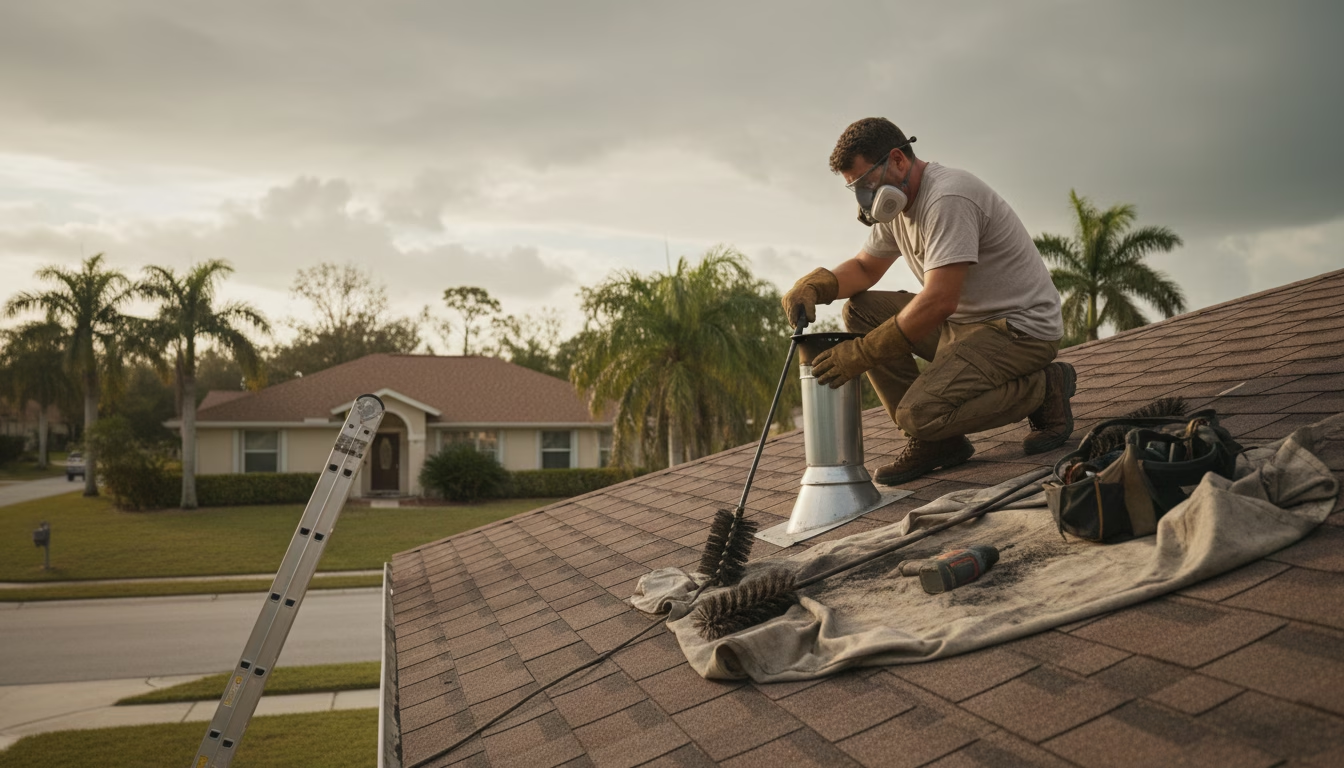
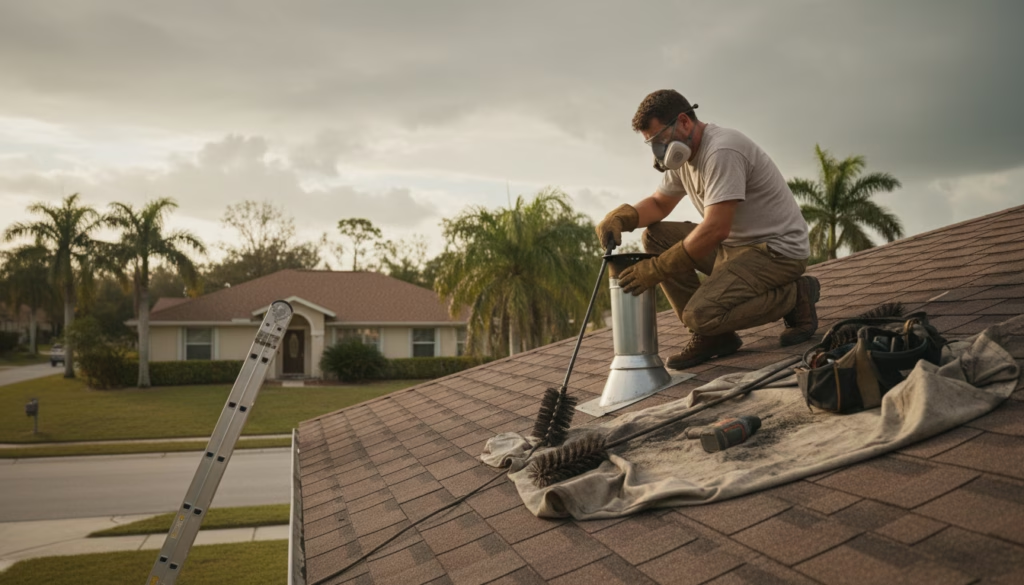
- The technician protects your hearth and floor area with drop cloths before touching anything.
- Rotary or pole-based brushes clear loose soot and glazed creosote from the flue walls.
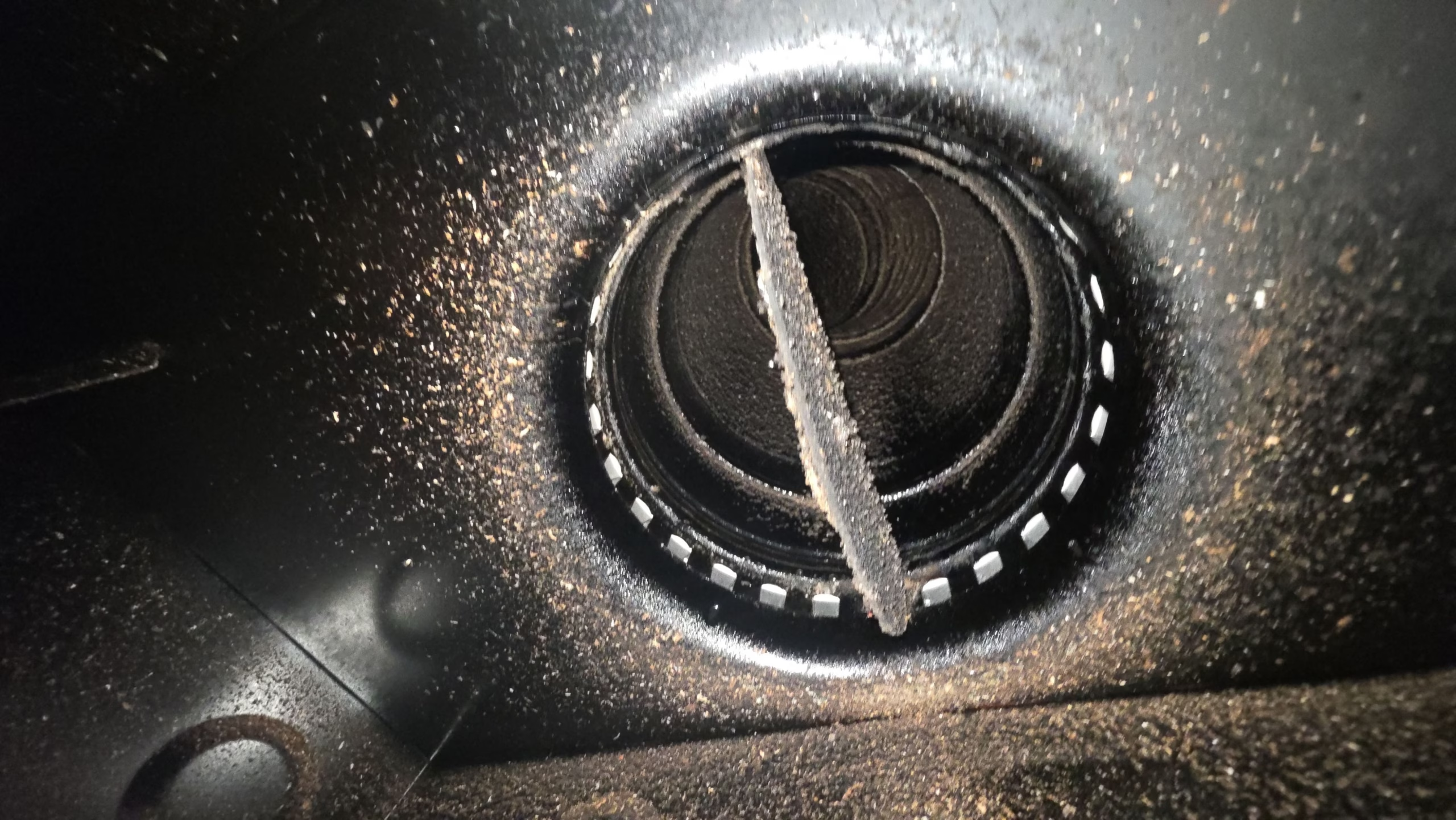
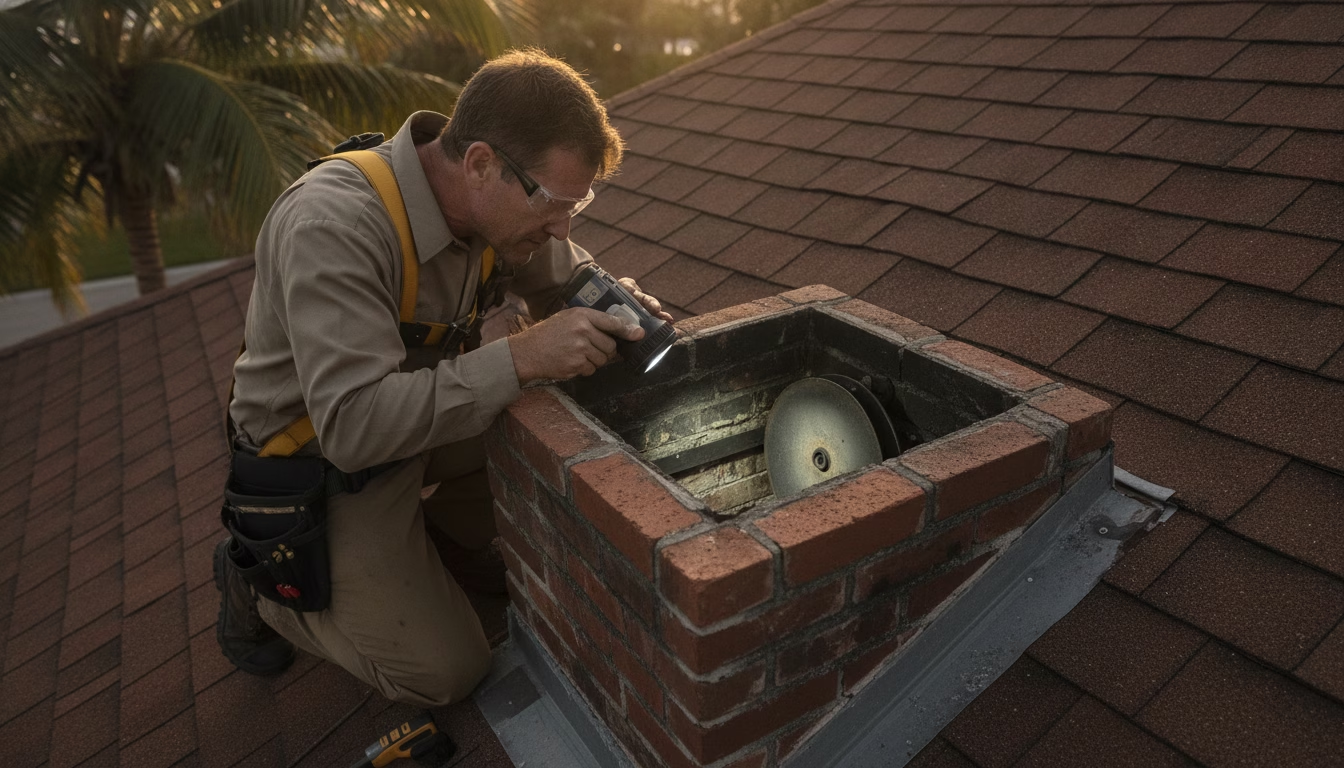
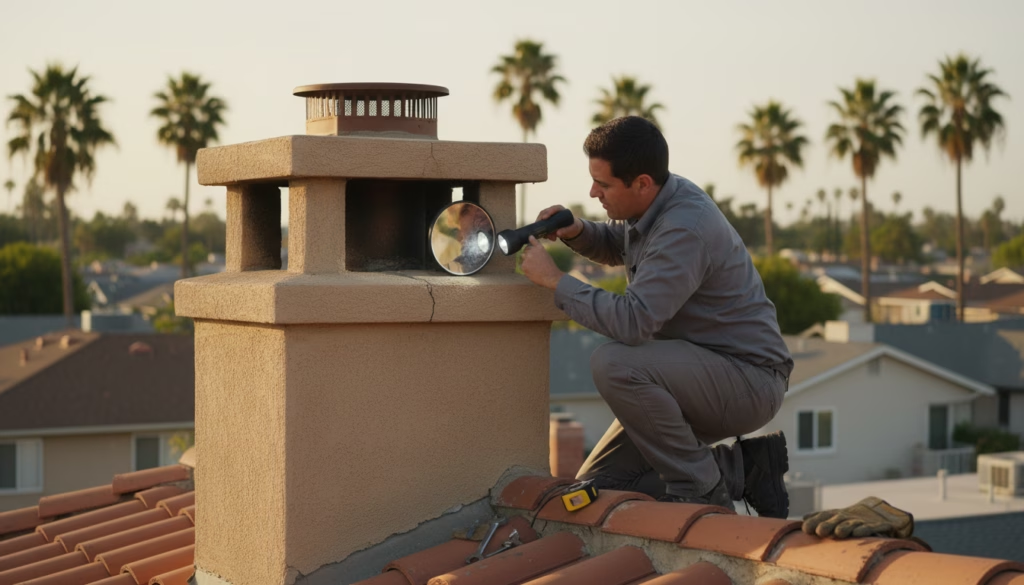
- A camera or flashlight inspection checks the liner for cracks, gaps, or missing mortar joints.
- The damper repair mechanism gets tested for smooth operation and a tight seal.
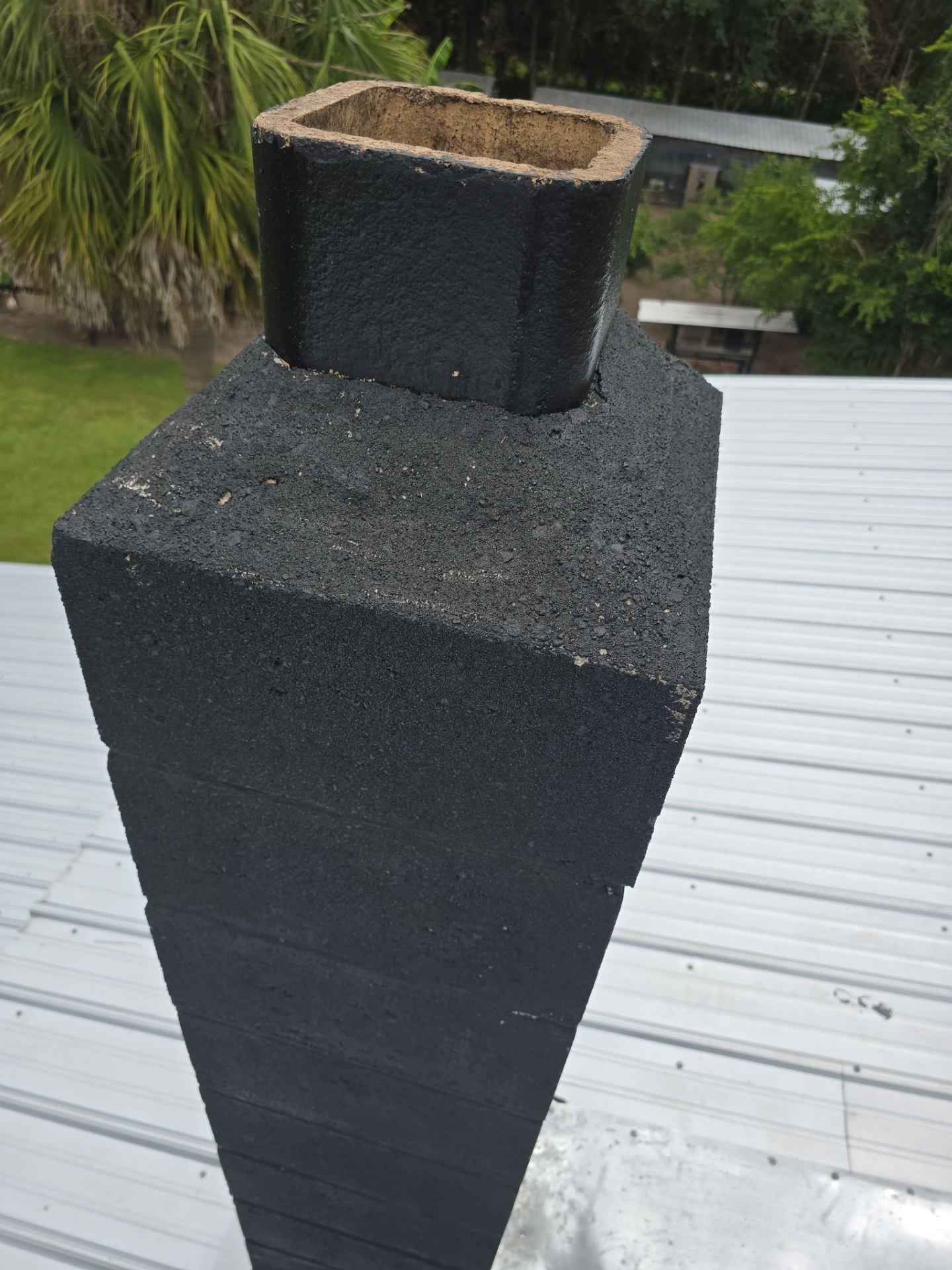
- The crown, cap, and exterior masonry are checked from the roofline for weathering.
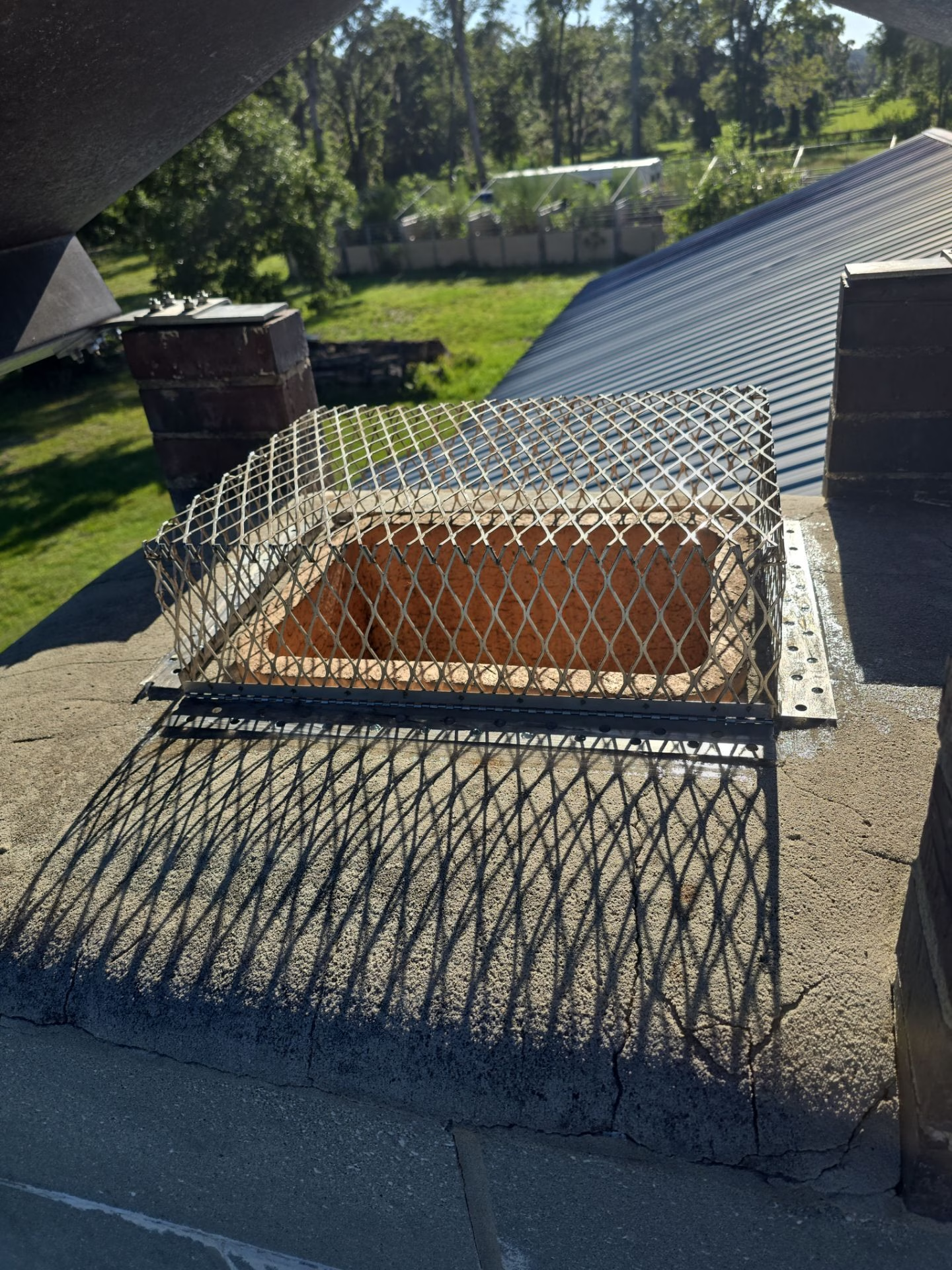
This is also the point where a technician can recommend a chimney cap installation if yours is missing or damaged — an open flue lets rain, embers, and wildlife straight into your home.
✅ Quick Tip: Ask your sweep to show you before-and-after photos of the flue interior. A reputable company will have no problem documenting the work.
Why the Inspection Matters as Much as the Cleaning
A sweep without an inspection only solves half the problem. The Chimney Safety Institute of America recommends a Level 1 inspection with every routine sweep, covering all accessible portions of the chimney, flue, and connections. Skipping that step means structural problems can go unnoticed for years.
Warning Signs You Shouldn’t Ignore
Quick Answer: Dark staining above the fireplace opening, a smoky smell between fires, and white staining on exterior brick are all signals it’s time to call a professional.
Reading Your Chimney’s Warning Signals
Soot streaks on the mantel usually mean smoke is backing up instead of drawing properly, which can point to a blocked or undersized flue. A persistent campfire smell when the fireplace isn’t in use often means creosote is off-gassing inside the flue. White, chalky staining on brick — called efflorescence — signals water is moving through the masonry and needs attention before it worsens into a full chimney leak and mold growth situation.
| Symptom | Likely Cause | Recommended Action |
|---|---|---|
| Smoky smell between fires | Creosote buildup in flue | Schedule a sweep and inspection |
| Dark staining on mantel/wall | Poor draft or blocked flue | Have draft and cap checked |
| White chalky brick staining | Water intrusion (efflorescence) | Inspect crown and flashing |
| Rust on damper or firebox | Excess moisture in chimney | Check cap and liner condition |
| Crumbling mortar joints | Freeze-thaw or chronic moisture | Masonry rebuild evaluation |
💡 Expert Insight: In my experience, homeowners near Crystal River and Dunnellon see efflorescence more often than inland customers simply because of higher ambient humidity and afternoon storms.
When It’s More Than a Cleaning Issue
Sometimes what looks like a simple soot problem is actually a structural one. If your technician finds spalling brick or a failing liner during the sweep, that’s a separate repair conversation — not something a brush alone will fix.
How Often You Really Need One
Quick Answer: Most wood-burning fireplaces need a sweep once a year; heavy users or older chimneys may need one every six months.
Setting a Realistic Schedule
An annual fall sweep works well for most households across Homosassa, Brooksville, and Gainesville who use their fireplace on cooler evenings a few dozen times per season. Homeowners who burn wood daily through winter, or who use unseasoned wood, build creosote faster and should consider a mid-season check as well.
📊 Data Point: The Chimney Safety Institute of America and NFPA both recommend chimneys, fireplaces, and vents be inspected at least once a year regardless of how often they’re used, since animal nests, storm damage, and settling can affect an unused flue too.
Gas Appliances and Dryer Vents Need Attention Too
Gas fireplaces and inserts still need a yearly check for corrosion and proper venting, and the same logic applies to dryer vent systems, which can accumulate lint the same way a flue accumulates creosote. If your home has a long or oddly routed dryer duct, a dryer vent inspection is worth adding to the same seasonal checklist.
Choosing a Certified Chimney Sweep Homosassa FL Homeowners Can Trust
Quick Answer: Look for CSIA certification, a valid Florida contractor license, and a company that documents both the cleaning and the inspection in writing.
What to Ask a Chimney Sweep Homosassa FL Company Before Booking
A few direct questions separate a professional operation from a weekend side hustle. Ask what certifications the technician holds, whether they carry liability insurance, and whether the visit includes a written inspection report. You can also verify any Florida contractor’s license through the Florida Department of Business and Professional Regulation before scheduling.
Our team works under Florida Contractor License #CRC1333200, and our technicians carry credentials including Certified Master Chimney Technician #34, Certified Chimney Sweep (CSIA) #10020, and Certified Chimney Specialist (CSIA) #59. Those certifications mean the person on your roof has been tested on the same standards referenced by CSIA and NFPA.
⚠️ Common Mistake: Hiring based on price alone. A rock-bottom quote often means a rushed brush-and-go job with no inspection — and no documentation if something’s wrong.
Serving Homosassa and the Surrounding Communities
We regularly work on chimneys throughout Homosassa, Crystal River, Dunnellon, Brooksville, High Springs, and Gainesville, so we’re familiar with the coastal humidity and older masonry common in this part of Central Florida. If you’re comparing options, our chimney inspections page walks through what a full evaluation covers beyond a basic sweep.
A Note on Limitations
No sweep can guarantee against all future issues — severe weather, animal intrusion, or age-related masonry failure can happen between visits. That’s part of why an annual check matters more than a one-time cleaning, and why we’re upfront about what a sweep can and can’t fix in a single visit.
FAQ
How much creosote buildup is dangerous in a chimney?
Most fire safety guidance treats buildup thicker than about 1/8 inch as a hazard requiring immediate cleaning. Glazed, tar-like creosote is considered especially dangerous because it’s harder to remove and burns hotter than powdery soot.
How long does a chimney sweep Homosassa FL appointment take?
A standard sweep and Level 1 inspection typically takes 45 minutes to about an hour and a half, depending on flue length and buildup severity. Chimneys with heavy creosote or an added cap or damper repair may take longer.
Can I sweep my own chimney instead of hiring a professional?
DIY brushing can remove surface soot, but it won’t catch structural problems like a cracked liner or damaged crown. A professional inspection adds a safety layer that a homeowner without training typically can’t replicate.
Do gas fireplaces need chimney sweeping too?
Gas fireplaces don’t produce creosote, but their venting can still develop blockages, corrosion, or nesting debris. An annual check is still recommended even for gas units.
What’s the difference between a chimney sweep and a chimney inspection?
A sweep is the physical cleaning of soot and creosote from the flue, while an inspection is a visual (and sometimes camera-assisted) check of the chimney’s structural condition. A quality service visit should always include both.
Is it normal to smell smoke in the house even when the fireplace isn’t in use?
No — that smell usually means creosote residue is off-gassing inside the flue, and it’s a sign a sweep is overdue. It can also indicate a draft problem that needs to be diagnosed before the next fire.
How do I know if my chimney cap needs replacing?
Rust stains inside the firebox, visible daylight around the cap, or animal activity near the flue opening are all signs the cap may be failing. A technician can confirm during your annual sweep whether repair or replacement is needed.
Final Thoughts
A reliable chimney sweep Homosassa FL homeowners can count on isn’t just about a cleaner flue — it’s about catching small problems, like a hairline crown crack or a failing cap, before they become expensive repairs. Annual sweeping paired with a real inspection is the single most effective habit for chimney safety in our humid Central Florida climate. If it’s been more than a year since your last visit, now is a good time to get on the schedule.
- Check when your fireplace was last swept and inspected.
- Look for warning signs like staining, odor, or crumbling mortar.
- Verify any technician’s CSIA certification and Florida contractor license.
- Schedule your annual sweep before the next cold snap.
Always Fire and Gas is licensed under Florida Contractor License #CRC1333200 and staffed by CSIA-certified chimney technicians serving Homosassa and the surrounding Central Florida communities. Contact our team to schedule your chimney sweep and inspection today.