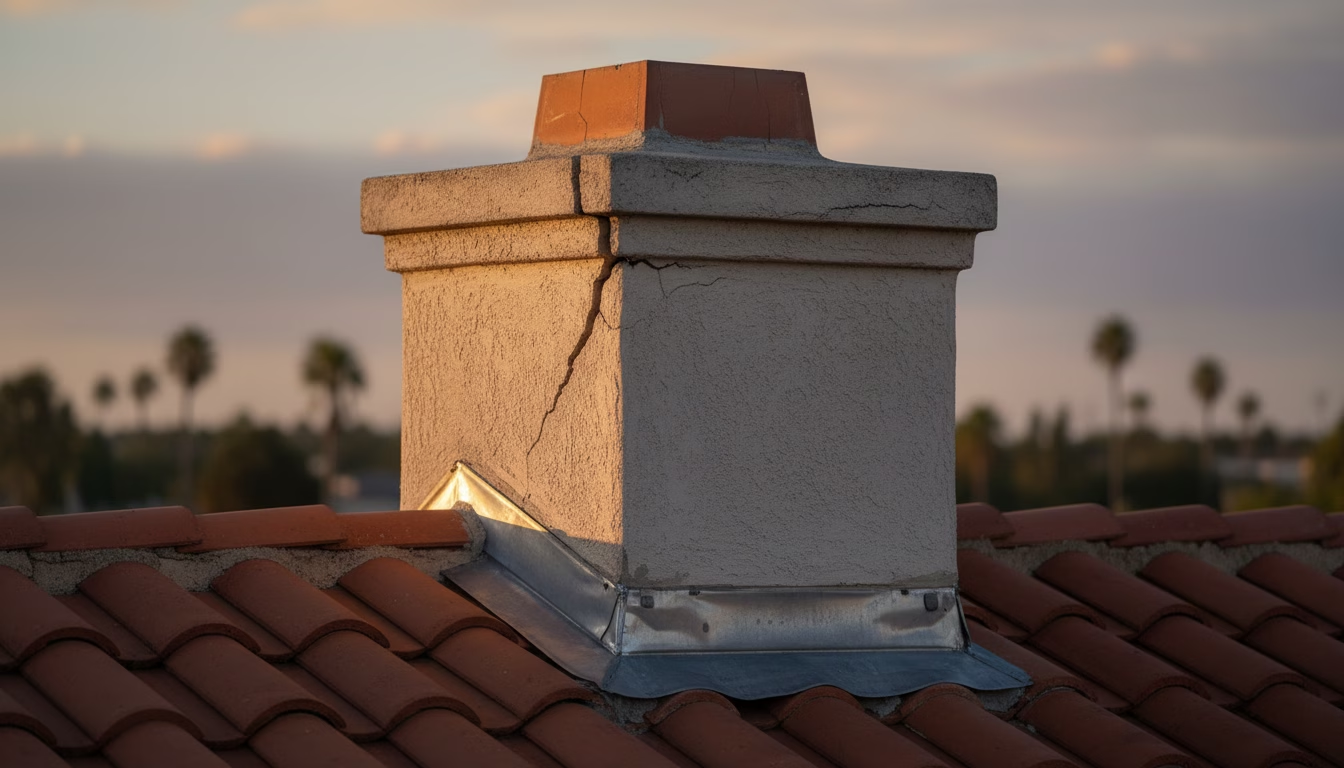
Chimney repair in Spring Hill needs to happen fast once cracks, leaks, or crumbling mortar show up, because Florida’s humidity and sudden downpours turn small problems into structural ones within a single storm season. Homeowners often assume a chimney is just decorative brick, but it’s actually a working ventilation system that channels heat, smoke, and moisture away from your roofline. Ignore the warning signs and you risk water intrusion, mold, and even fire hazards inside your walls.
At Always Fire and Gas, we’ve walked hundreds of Hernando and Citrus County attics and found the same story repeated: a small crown crack from two years ago that turned into a $2,000 rebuild. This guide explains what causes chimney damage in our climate, how to catch it early, and what a professional repair actually involves.
📌 Key Takeaways
- Florida’s rain-and-heat cycle cracks chimney crowns and mortar faster than in drier climates.
- Rust streaks, white staining (efflorescence), and a musty smell are early warning signs, not cosmetic issues.
- A certified chimney inspection should happen at least once a year, per CSIA guidance.
- DIY sealant fixes often trap moisture instead of removing it, worsening hidden damage.
- Choosing a licensed, insured contractor protects your home and your warranty coverage.
Jump to a section:
- What Causes Chimney Damage in Spring Hill’s Climate?
- How to Spot the Warning Signs Early
- Chimney Repair Spring Hill: What the Process Looks Like
- DIY vs. Professional Chimney Repair
- Choosing a Qualified Chimney Repair Contractor
- Maintenance Tips to Prevent Future Damage
- FAQ: Common Chimney Repair Questions
What Causes Chimney Damage in Spring Hill’s Climate?
Quick Answer: Heat, humidity, and heavy summer rain are the biggest culprits behind chimney damage in our part of Florida. Combined with sandy soil movement, these forces crack masonry and loosen flashing faster than homeowners expect.
Heat and Moisture Cycling
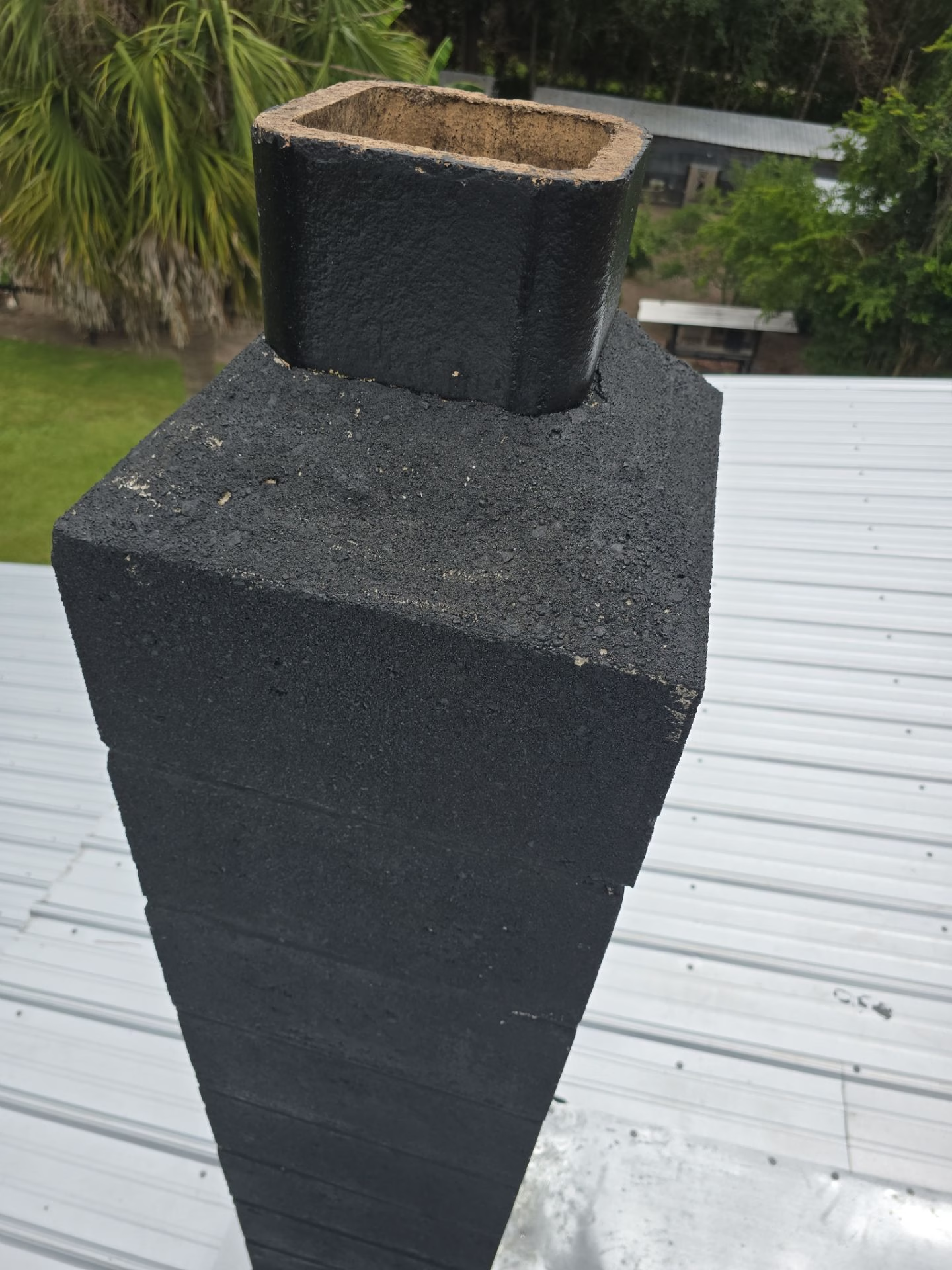
Central Florida chimneys expand in the afternoon sun and contract overnight, a process called thermal cycling. Over years, this constant movement fractures mortar joints and chimney crowns, the concrete cap that sheds water off the top of the stack.
Storm Season and Flashing Failure
Flashing is the metal seal where the chimney meets the roofline. Wind-driven rain during Florida’s hurricane season works flashing loose, and once water gets behind it, it travels straight into your attic insulation.
⚠️ Common Mistake: Homeowners often caulk over a failing flashing seam instead of replacing it. This traps moisture against the wood framing and accelerates rot rather than stopping it.
Soil Settlement
Sandy, fast-draining soil common around Brooksville and Crystal River shifts more than clay-heavy soil elsewhere. That movement can crack a chimney’s foundation slab, leading to visible separation from the house.
How to Spot the Warning Signs Early
Quick Answer: Rust stains, white powdery residue, a leaning stack, or a musty smell near the fireplace are the four clearest signs you need a professional look. Catching these early keeps repair costs and safety risk lower.
Visual Clues on the Exterior
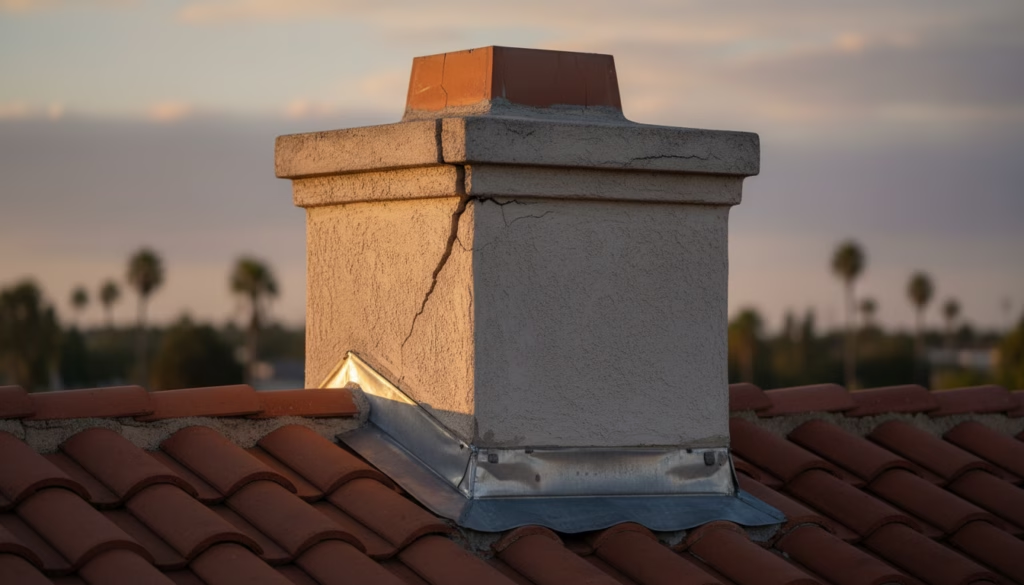
Check for cracked or spalling brick, missing mortar joints, and a chimney cap that looks tilted. Efflorescence — the white, chalky mineral deposit left behind as water evaporates from brick — almost always means moisture is already inside the masonry.
Interior and Attic Clues
A musty odor near the fireplace, water stains on the ceiling, or rusted damper hardware point to a leak working its way down from the top of the chimney. According to the EPA, unaddressed moisture intrusion can lead to mold growth within 24 to 48 hours, which is why our team treats every leak report as time-sensitive.
💡 Expert Insight: A cracked chimney crown is one of the most common repair calls we get, and it’s often invisible from the ground. Our cracked chimney crown repair signs guide breaks down exactly what to look for from a ladder or binoculars.
When a Smell Means More Than Just Smoke
A lingering campfire smell on a humid day, sometimes called drafting odor, usually signals a liner problem rather than dirty ash. If your fireplace smells stronger when the AC runs, our post on why AC makes a fireplace smell explains the pressure dynamics behind it.
Chimney Repair Spring Hill: What the Process Looks Like
Quick Answer: A proper chimney repair in Spring Hill starts with a full inspection, moves to a written diagnosis, and ends with masonry, flashing, or liner work matched to the actual cause of damage — not just the visible symptom.
Step-by-Step Repair Process
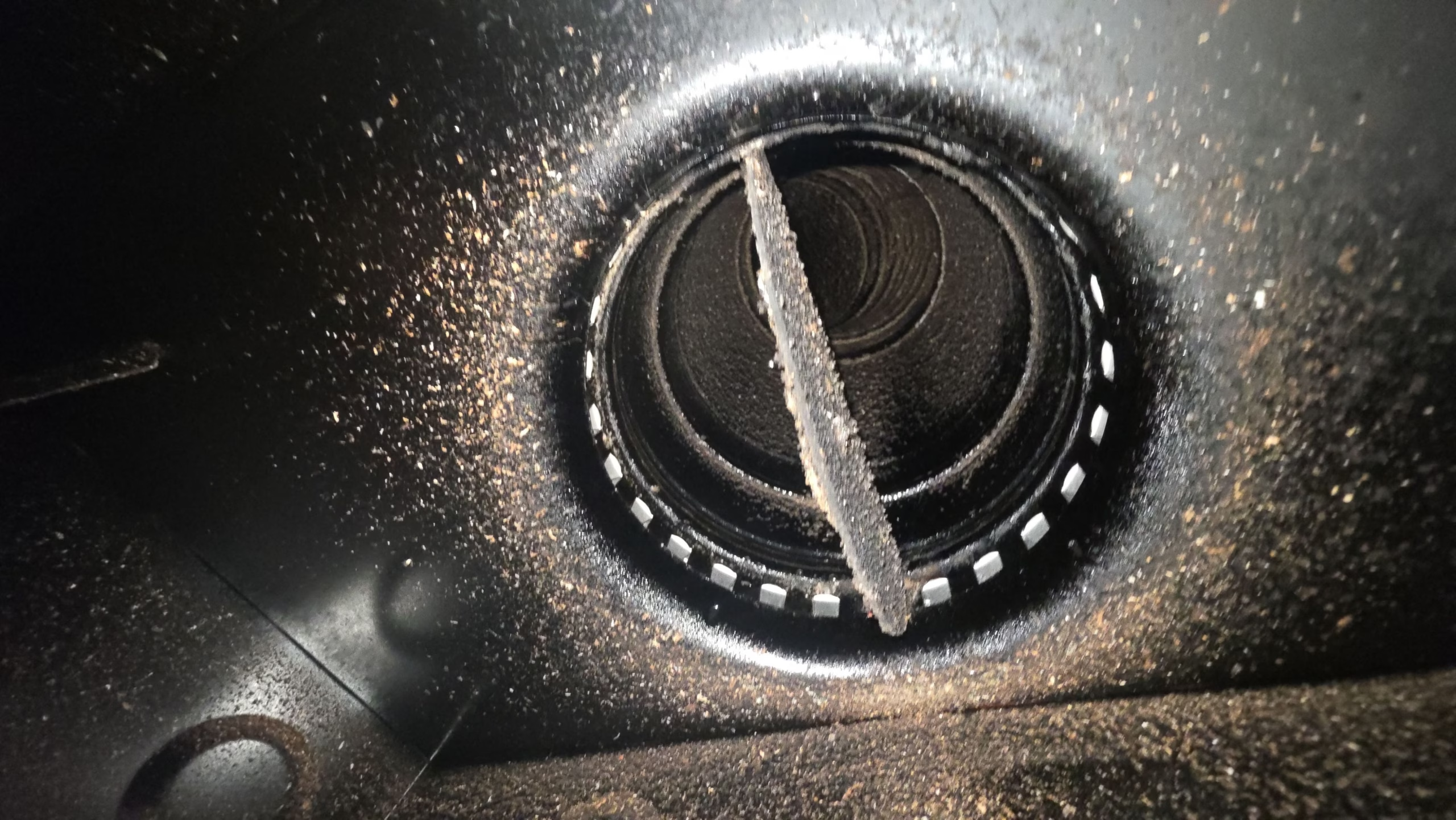
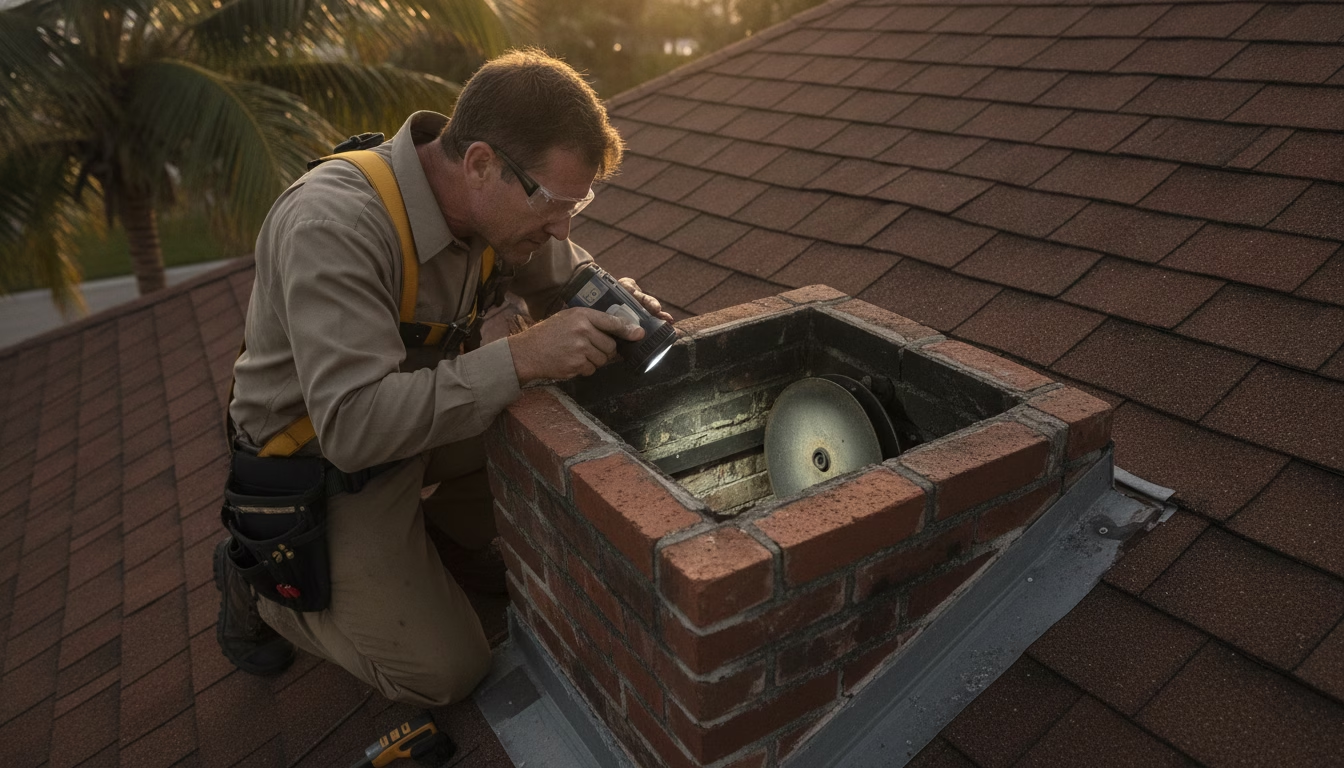
- Inspection and documentation — a certified technician photographs cracks, checks the flue with a camera, and tests the damper and cap.
- Diagnosis — we identify whether the root cause is crown failure, flashing, mortar erosion, or liner deterioration.
- Repair plan — you receive a written scope covering materials, timeline, and any code requirements.
- Masonry or component repair — crews rebuild mortar joints, repour crowns, or replace caps and flashing as needed.
- Final inspection — we verify the fix with photos and confirm proper drafting before closing out the job.
Masonry Rebuilds vs. Spot Repairs
Some chimneys only need a crown repair or a few repointed joints. Others, especially older stacks near Homosassa and Inverness, need a full masonry rebuild when the structure has shifted or deteriorated beyond patching.
📊 Data Point: The National Fire Protection Association reports that chimney and fireplace equipment are involved in a significant share of home heating fires each year, underscoring why structural integrity isn’t cosmetic — it’s a safety system. See the NFPA for current home fire statistics.
| Repair Type | Typical Cause | Urgency Level |
|---|---|---|
| Crown repair | Cracking from thermal cycling | Moderate — address within weeks |
| Flashing replacement | Storm wind, aged sealant | High — before next rain event |
| Mortar repointing | Age, moisture erosion | Moderate — schedule seasonally |
| Chimney relining | Liner cracking, chimney fires | High — safety-critical |
| Cap replacement | Missing/damaged cap | Moderate — prevents animal entry & water |
DIY vs. Professional Chimney Repair
Quick Answer: Minor caulking or cap tightening might be reasonable for a handy homeowner, but crown repair, flashing, and relining work should always go to a licensed chimney repair contractor. The stakes involve fire safety, not just aesthetics.
What Homeowners Can Reasonably Handle
Clearing debris from a cap, brushing off surface soot, or visually checking for obvious cracks from ground level are low-risk tasks. Anything beyond that requires roof access and specialized tools.
Where DIY Repairs Go Wrong
Sealants sold at hardware stores are rarely rated for the temperature swings a working chimney experiences. We’ve re-done more than one DIY crown patch that failed within a single Florida summer.
✅ Quick Tip: If you can see the repair from your driveway without a ladder, it’s worth having a technician confirm the full extent before you spend money on a partial fix.
| Factor | DIY Attempt | Professional Repair |
|---|---|---|
| Safety equipment | Often lacking | OSHA-informed fall protection practices |
| Material durability | Hardware-store sealants | Masonry-grade, code-compliant materials |
| Diagnosis accuracy | Visual guess only | Camera inspection of full flue |
| Warranty | None | Backed by licensed contractor |
Choosing a Qualified Chimney Repair Contractor
Quick Answer: Look for state licensing, chimney-specific certifications, and a written inspection report before hiring anyone for chimney work. Credentials matter more here than with most home trades because fire and structural risk are involved.
Licensing and Certification to Ask About
Florida requires contractors performing this work to hold a valid state license, verifiable through the Florida DBPR. Our team operates under Florida Contractor License #CRC1333200 and holds Certified Master Chimney Technician, CSIA Certified Chimney Sweep, and Certified Chimney Reliner credentials, among others.
Questions Worth Asking Before You Hire
Ask whether the estimate includes a camera inspection, whether repairs address root cause or just symptoms, and whether the crew carries current liability insurance. A contractor who hesitates on any of these is worth a second opinion.
💡 Expert Insight: In my years inspecting chimneys across Hernando and Citrus counties, the homes that avoid costly rebuilds are almost always the ones where the owner called at the first sign of a crack, not after a leak reached the ceiling.
Maintenance Tips to Prevent Future Damage
Quick Answer: An annual inspection, a properly fitted cap, and prompt attention to small cracks are the three habits that prevent most major chimney repairs. Consistency matters more than any single fix.
Annual Inspection Schedule
Schedule a full chimney inspection once a year, ideally before the rainy season starts. The CSIA recommends yearly inspections regardless of how often the fireplace is used, since weather damage happens independent of use.
Capping and Sealing
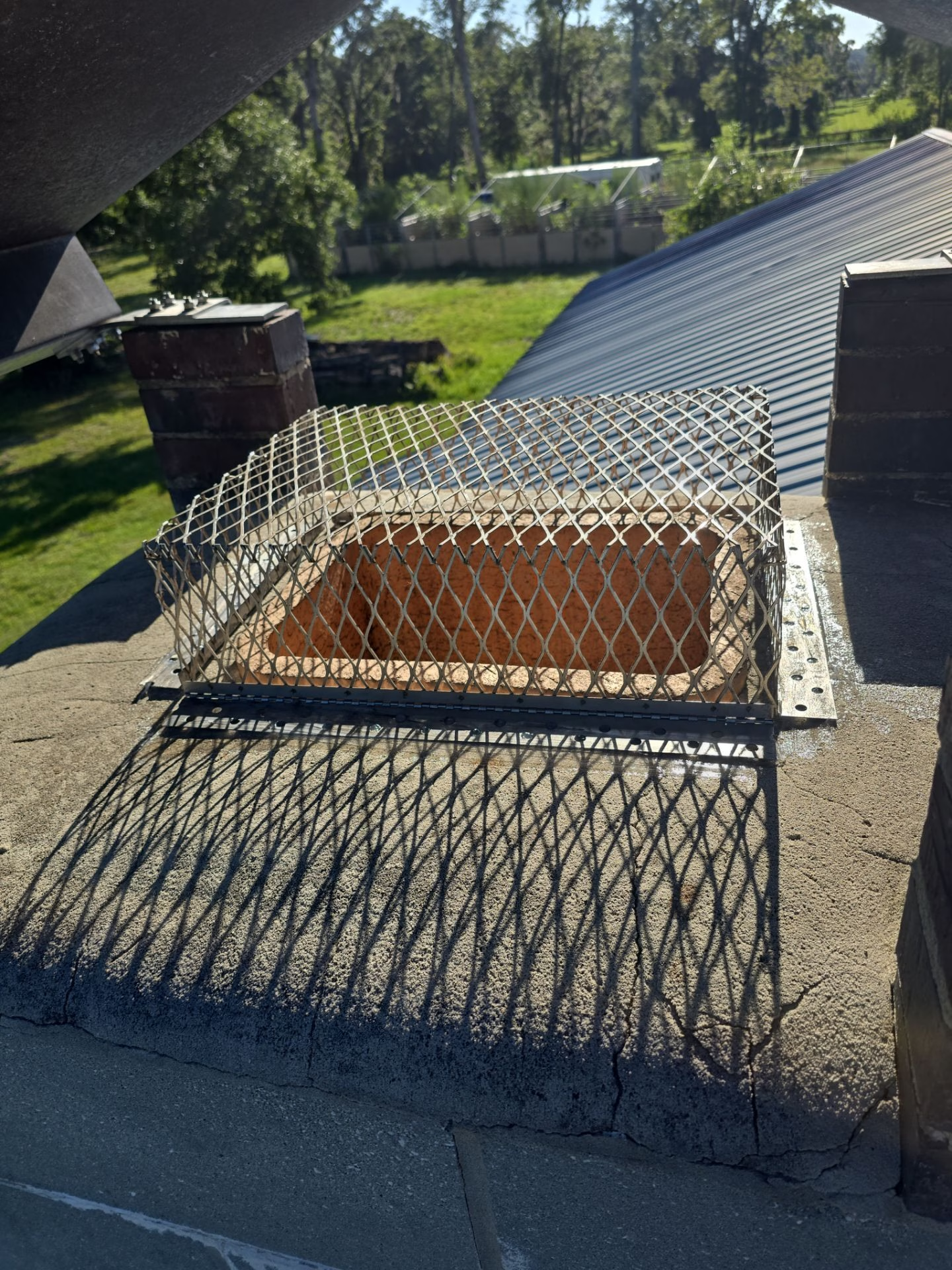
A properly sized chimney cap keeps out rain, debris, and animals while allowing smoke to vent freely. Many older Spring Hill homes still have original 1980s-era caps that no longer seal correctly.
Relining for Long-Term Protection
If your flue liner shows cracking from age or a past chimney fire, chimney relining restores a safe, code-compliant path for smoke and gases. This is especially important in older masonry chimneys throughout Citrus and Hernando counties.
FAQ: Common Chimney Repair Questions
How much does chimney repair cost in Spring Hill FL?
Costs vary widely based on whether the issue is a simple crown patch or a full masonry rebuild. A certified inspection gives you an accurate, written estimate specific to your chimney’s condition rather than a generic price range.
How do I know if my chimney needs repair or just a cleaning?
A cleaning addresses soot and creosote buildup, while repair addresses structural issues like cracked mortar, damaged crowns, or failing flashing. If you notice water stains, leaning brick, or a persistent musty smell, that points to repair, not just cleaning.
Who do I call for chimney repair near me in Spring Hill?
Look for a licensed Florida contractor with chimney-specific certifications, such as CSIA or Certified Master Chimney Technician credentials. Always Fire and Gas serves Spring Hill and surrounding Hernando and Citrus County communities with certified inspection and repair services.
Can a cracked chimney crown cause a house fire?
A cracked crown itself is primarily a water-intrusion risk, but the moisture it lets in can deteriorate a flue liner over time, which is a fire safety concern. Left unaddressed long enough, crown damage and liner damage often become linked problems.
How often should a chimney be inspected in Florida’s climate?
An annual inspection is the standard recommendation, and it’s even more important in Florida due to heavy rain and thermal cycling. Homes near the coast or with older masonry, common around Crystal River and Homosassa, may benefit from inspection every six months.
Is chimney repair covered by homeowners insurance?
Coverage depends on the cause of damage and your specific policy, so it’s worth reviewing your policy language or asking your insurer directly. A written inspection report from a licensed contractor is often required to support any claim.
What’s the difference between a chimney repair contractor and a general handyman?
A chimney repair contractor carries state licensing and often chimney-specific certifications covering masonry, gas, and fire-safety code requirements. A general handyman typically lacks the specialized training needed to diagnose flue, liner, or structural chimney issues safely.
Final Thoughts
Chimney repair in Spring Hill isn’t a job to postpone once you notice cracks, staining, or an odd smell near the fireplace. Florida’s heat, humidity, and storm cycles turn small masonry issues into bigger structural and safety concerns faster than in most climates. The good news is that a single annual inspection and prompt attention to warning signs prevent the majority of costly rebuilds we see.
- Walk your exterior and look for cracked brick, tilted caps, or white mineral staining.
- Check your attic and ceilings near the chimney for water stains or musty odors.
- Schedule a certified inspection before the next rainy season arrives.
- Ask any contractor you consider for their license number and chimney-specific certifications.
Always Fire and Gas is licensed under Florida Contractor License #CRC1333200 and staffed by CSIA and NCSG-certified chimney technicians serving Spring Hill, Brooksville, Crystal River, Homosassa, Dunnellon, and Inverness. Contact us today to schedule your certified chimney inspection and protect your home before small damage becomes a major repair.