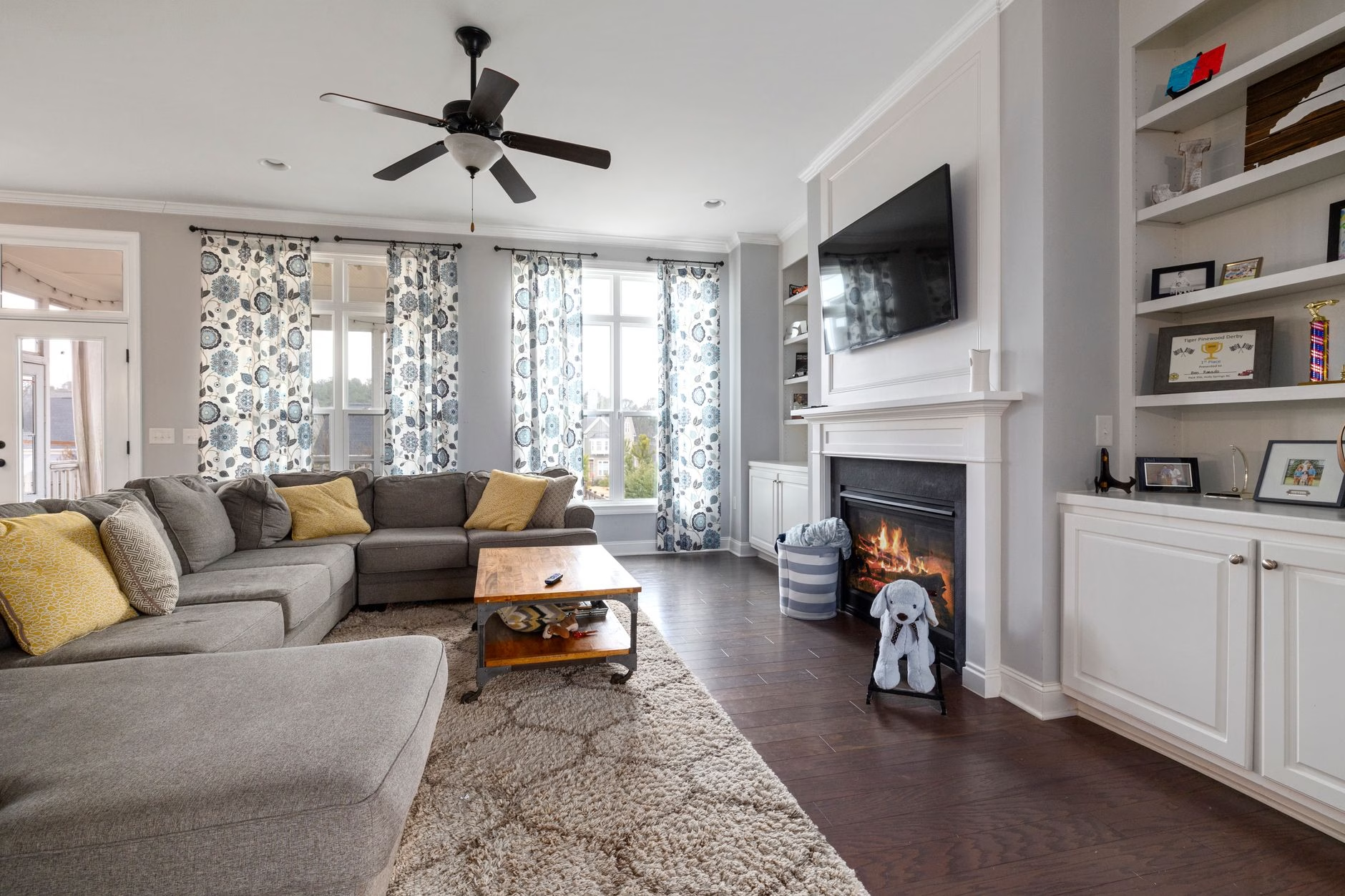
If you’ve typed "gas fireplace near me" into a search bar tonight, you’re probably picturing cozy evenings without the mess of hauling wood. The direct answer: yes, licensed installers who handle gas fireplace installation, venting, and repair are available throughout Central Florida, but not every company is properly certified to touch a gas line safely. Many homeowners assume any handyman can add a fireplace insert, but gas work legally requires a certified technician and, in most counties, a permit. Choosing the right local pro protects your family, your home, and your investment for decades.
📌 Key Takeaways
- A gas fireplace near me search should always lead you to a licensed, Category V gas-certified installer.
- Proper venting — direct vent, B-vent, or vent-free — determines where a fireplace can safely go in your home.
- Annual inspections catch small venting or seal issues before they become safety hazards.
- Central Florida’s humidity and storm patterns affect chimney and vent longevity more than most homeowners realize.
- Always verify Florida contractor and gas licenses before signing a contract.
Jump to a section:
- What a Local Search Really Means
- Types of Gas Fireplaces We Install
- The Installation Process, Step by Step
- Venting Requirements You Shouldn’t Skip
- What Affects Your Fireplace Investment
- Keeping Your Fireplace Safe Year-Round
- Choosing the Right Local Installer
- FAQ
Why "Gas Fireplace Near Me" Searches Lead to Us
Quick Answer: Homeowners search "gas fireplace near me" because they want a local, licensed technician — not a big-box installer with no follow-up service. We serve homeowners from Gainesville to Ocala to Crystal River with the same certified crew every visit.
We’ve worked on more than a few homes where a previous "handyman" install left gaps around the flue collar. In one case near Brooksville, a homeowner noticed a faint gas smell months after a discount installation — the connection had never been pressure-tested. That’s the kind of risk a proper local search should help you avoid.
Why Local Matters More Than Convenience
A nearby installer understands Florida’s building codes, humidity concerns, and inspection requirements. They can also respond quickly if something feels off, rather than routing you through a call center. That local accountability is exactly what separates a trustworthy gas fireplace installer from a one-time sales crew.
✅ Quick Tip: Ask any installer for their Florida contractor license number before scheduling — you can verify it directly through the Florida Department of Business and Professional Regulation.
Types of Gas Fireplaces We Install
Quick Answer: Most Central Florida homes use either a direct vent, B-vent, or vent-free gas fireplace insert, and the right type depends on your home’s layout and existing chimney structure.
A direct vent fireplace pulls outside air for combustion and exhausts gases through a sealed pipe — no chimney required. A B-vent unit uses room air for combustion but still vents exhaust outside, often retrofitted into an existing masonry chimney. Vent-free models burn very efficiently but need careful sizing and ventilation review.
Matching the Unit to Your Home
Older homes in areas like Gainesville or Ocala often already have a masonry chimney, making a B-vent or insert conversion the simplest indoor gas fireplace installation option. Newer construction without a chimney typically calls for a direct vent unit installed through an exterior wall. Our gas fireplace page walks through style and heat-output options if you’re still deciding.
💡 Expert Insight: According to the National Fire Protection Association, heating equipment is a leading cause of home fires when not installed or maintained to code — proper venting and clearances are non-negotiable.
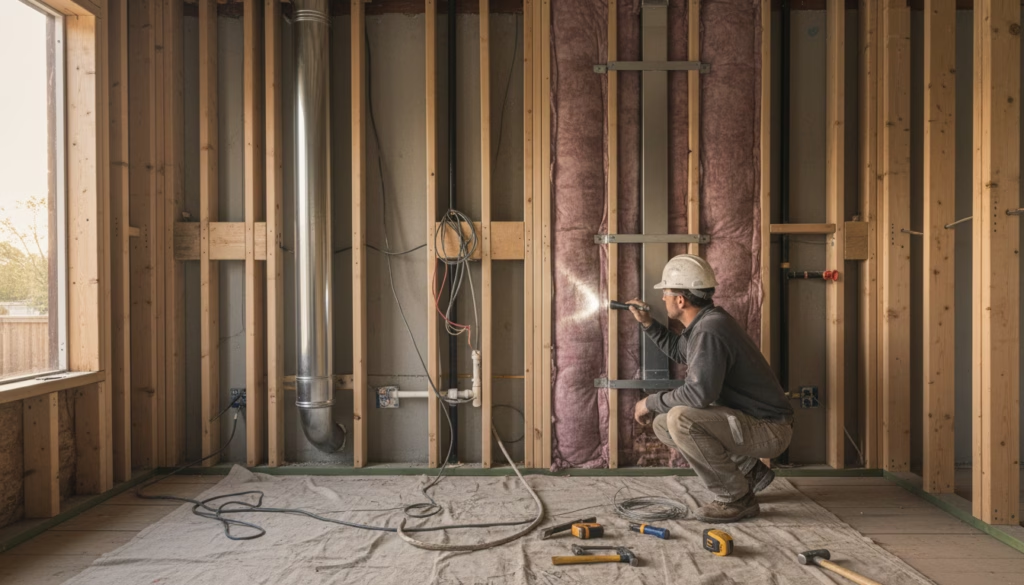
The Gas Fireplace Installation Process, Step by Step
Quick Answer: A professional gas fireplace installation follows a predictable sequence — assessment, gas line and venting work, unit setup, and a final safety test.
Step-by-Step Overview
- Home assessment — we evaluate your existing chimney, gas supply, or need for a new propane or natural gas line.
- Permitting — required permits are pulled through your local county before any gas work begins.
- Venting installation — the correct vent type is installed per manufacturer and code specifications.
- Gas line connection — a Category V certified technician connects and pressure-tests the line.
- Final safety inspection — the unit is tested for proper ignition, airflow, and carbon monoxide readings.
Skipping any of these steps, especially the pressure test, is one of the most common shortcuts we see from unlicensed installs.
⚠️ Common Mistake: Homeowners sometimes let a general handyman "add a gas fireplace to home" plans without a licensed gas technician — this can void insurance coverage and create real safety risks.
What Homeowners Should Expect Onsite
Installation day typically takes one to two days depending on whether a new gas line or chimney modification is needed. We walk clients through the full setup, including how to safely operate the pilot and remote controls. If you’re upgrading from propane, our LP tank installation team coordinates supply sizing so your new fireplace runs efficiently.
Venting Requirements You Shouldn’t Skip
Quick Answer: Every gas fireplace vent installation must match the unit’s listed venting category, or it won’t pass inspection and may pose a carbon monoxide risk.
Venting isn’t optional trim — it’s the system that safely removes combustion byproducts. Florida’s humid climate can also accelerate corrosion in poorly sealed vent pipes, especially near the coast in places like Crystal River.
Common Venting Mistakes We Correct
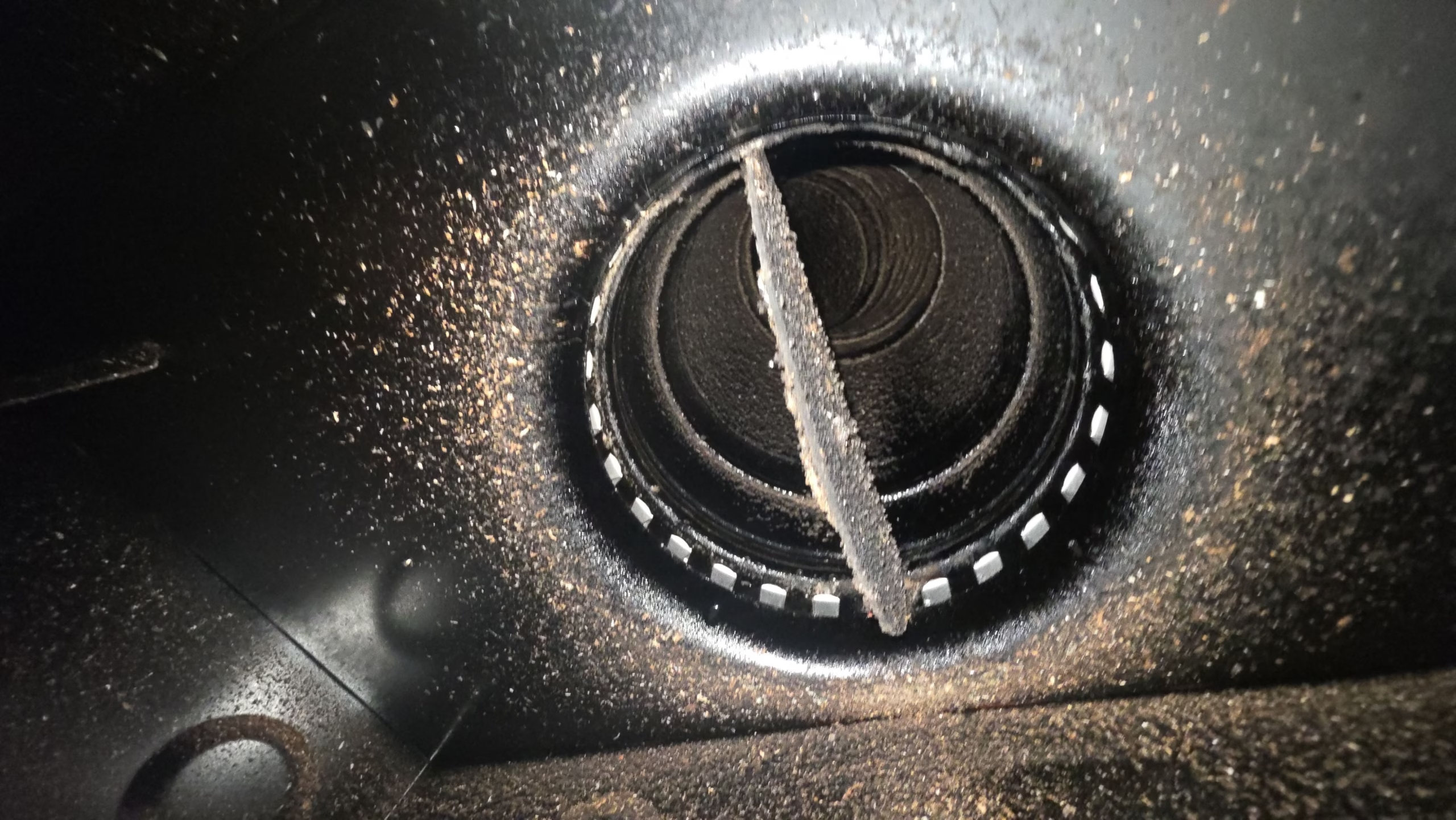
We frequently find vent pipes with insufficient clearance to combustibles, incorrect slope, or missing firestop spacers. Each of these violates manufacturer instructions and local code. A thorough chimney inspection can catch these issues even years after the original install.
📊 Data Point: The U.S. Department of Energy notes that properly vented, well-maintained gas appliances operate more efficiently and safely than neglected units, underscoring why routine checks matter.
What Affects Your Gas Fireplace Investment
Quick Answer: Several factors shape a gas fireplace installation’s overall scope — unit type, venting complexity, gas line distance, and whether an existing chimney can be reused.
We never like to guess at value without seeing your home, because every layout is different. A straightforward insert into an existing masonry chimney is usually simpler than running new gas piping through finished walls. For a detailed breakdown of what shapes project scope, our gas fireplace installation cost guide covers the specifics.
Factors That Influence Scope
| Factor | Why It Matters |
|---|---|
| Existing chimney or vent | Reusing structure often simplifies the job |
| Gas line distance | Longer runs require more piping and labor |
| Fireplace type | Direct vent, B-vent, and vent-free have different requirements |
| Permitting | County permits ensure code compliance |
| Home age | Older homes may need updated venting or clearances |
Why Cutting Corners Costs More Later
An improperly sized gas line or vent can force a redo down the road, and re-opening finished walls is never fun. Investing in a correct install the first time protects both safety and your home’s finishes.
Keeping Your Gas Fireplace Safe Year-Round
Quick Answer: Annual gas fireplace service — including a visual inspection, glass and gasket check, and gas line test — keeps your unit safe and efficient for years.
Even a well-installed fireplace needs periodic attention. Dust buildup, worn gaskets, and pilot assembly wear are common after a few heating seasons, especially in homes used seasonally near Lake Mary or Deland.
What a Service Visit Includes
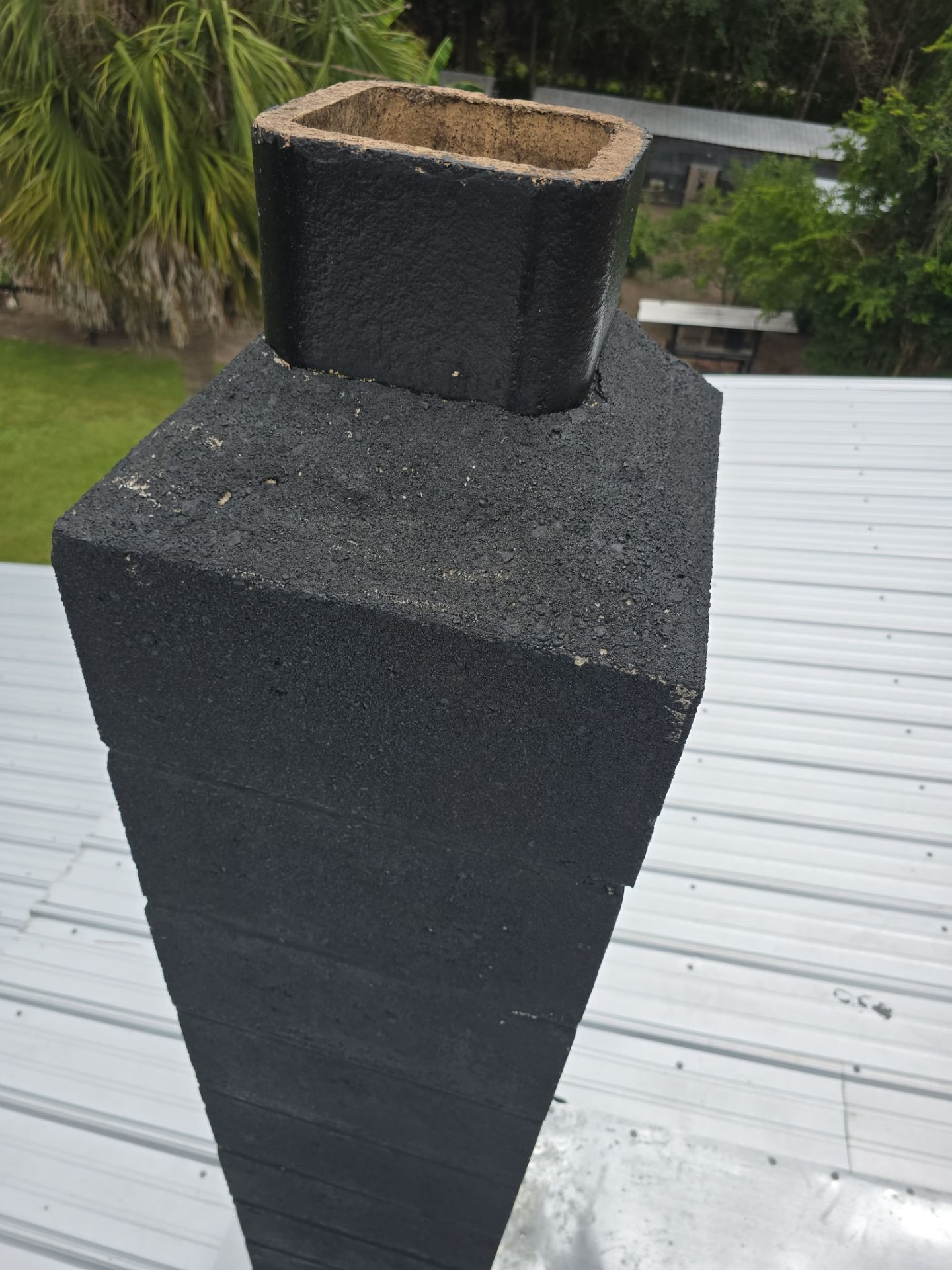
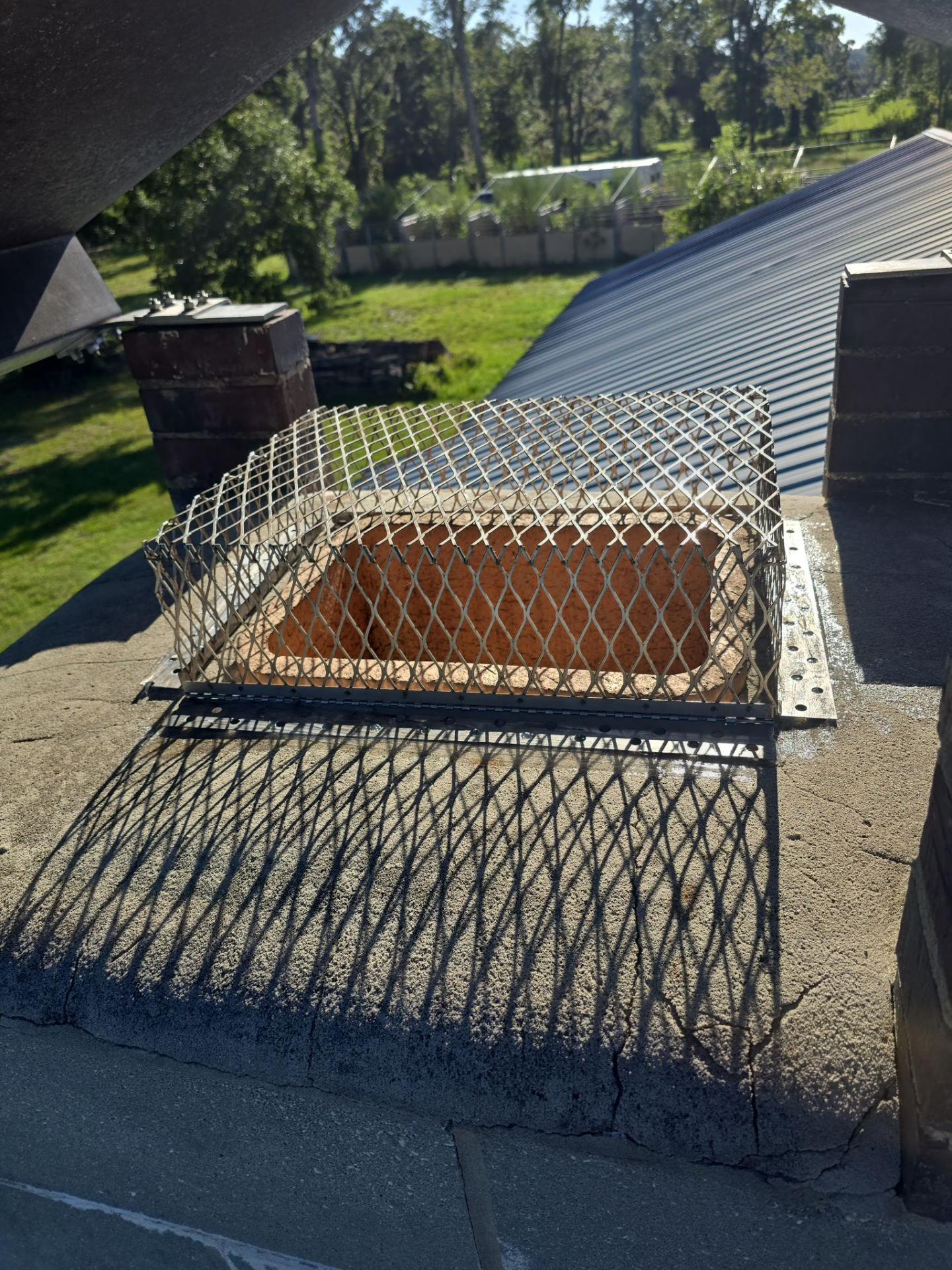
Our technicians check burner flame quality, clean the glass and vent screen, and verify carbon monoxide levels with a calibrated meter. We also inspect the surrounding chimney or chase for cracks, since chimney crown damage can let moisture reach the flue system.
✅ Quick Tip: Schedule your gas fireplace service before the first cold snap each fall — appointments fill quickly once temperatures drop across Central Florida.
Choosing the Right Local Installer
Quick Answer: The right installer carries current Florida contractor and gas licenses, explains the process clearly, and stands behind their work with real credentials — not just a sales pitch.
We hold Florida Contractor License CRC1333200 and a Certified Category V Gas License LI45277, along with certifications through CSIA and NFI for chimney and hearth work. These aren’t marketing claims — they’re verifiable credentials that back every gas fireplace installation we complete.
Questions Worth Asking Any Installer
Ask who will physically be on your job site, whether permits are included, and how venting will be routed through your specific home. A confident, licensed installer will answer all three without hesitation.
💡 Expert Insight: The Chimney Safety Institute of America recommends verifying certification credentials directly with the technician before any gas or chimney work begins.
Frequently Asked Questions
Where can I find a gas fireplace near me in Central Florida?
Homeowners across Gainesville, Ocala, Brooksville, and Crystal River can reach a licensed, Category V certified technician for installation, venting, or repair. Always confirm current Florida licensing before scheduling any gas work.
How much does it cost to have a gas fireplace installed?
Project scope depends on venting type, gas line distance, and whether an existing chimney can be reused. A licensed installer will assess your home and provide a specific evaluation rather than a generic estimate.
How long does gas fireplace installation take?
Most residential installations take one to two days, depending on whether new gas piping or chimney modifications are required. Homes with an existing usable chimney or gas line typically finish faster.
Can I convert my wood-burning fireplace to gas?
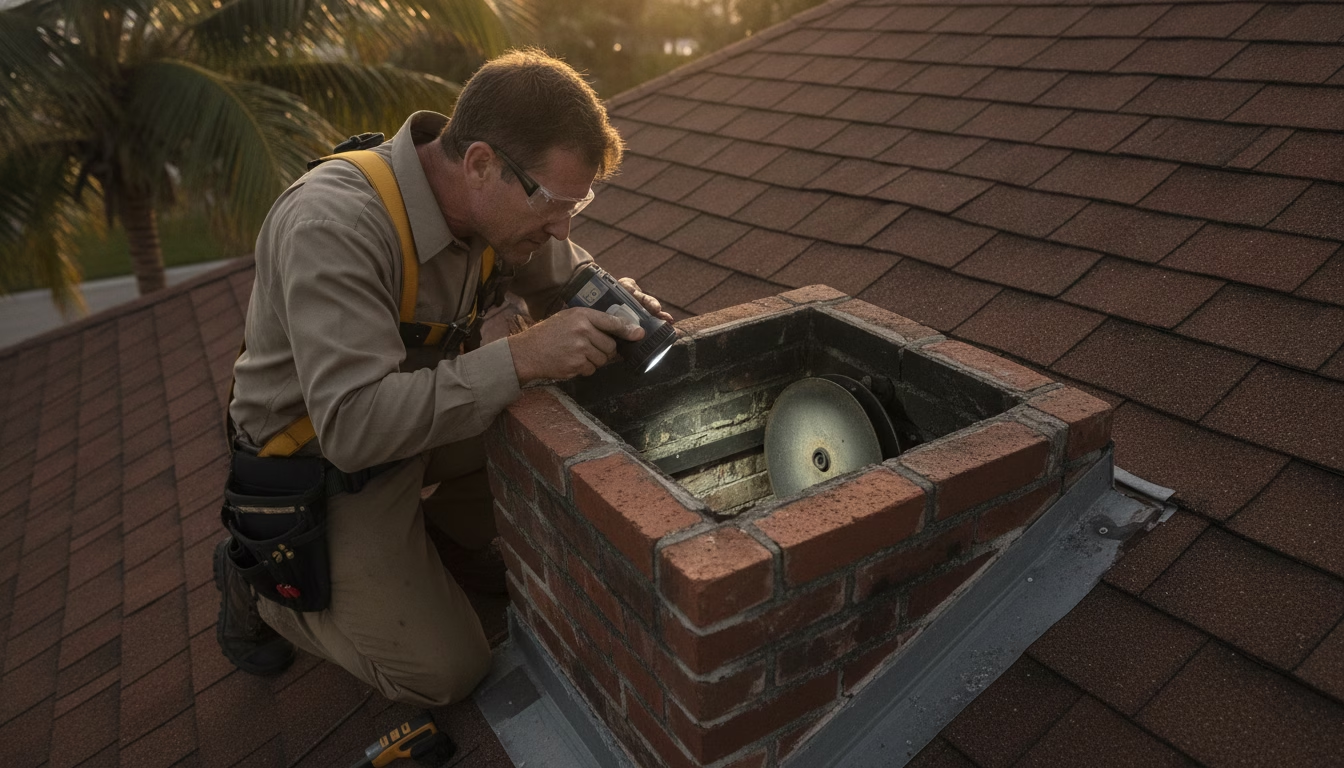
Yes, many masonry chimneys can be retrofitted with a certified gas insert after a thorough inspection confirms the flue is sound. A chimney inspection is the necessary first step before any conversion.
Do gas fireplaces need annual maintenance?
Yes, annual service checks the gas connection, venting, and burner components for wear or blockage. Skipping maintenance increases the risk of inefficient operation or, in rare cases, carbon monoxide issues.
Is a permit required for gas fireplace installation in Florida?
Most Central Florida counties require a permit for gas line work and venting installation. A licensed contractor pulls this permit as part of a proper installation process.
What’s the difference between vent-free and direct vent gas fireplaces?
Vent-free units burn without external venting but need careful sizing for room ventilation, while direct vent units exhaust fully outside through a sealed pipe. Direct vent options generally offer more placement flexibility in homes without an existing chimney.
Final Thoughts
A gas fireplace near me search should end with a licensed, experienced technician — not a guess. From venting decisions to annual service, every step affects the safety and comfort of your home for years to come. Central Florida’s climate and older housing stock make professional oversight especially important. We’ve seen firsthand how a properly installed and maintained fireplace becomes a trouble-free feature of a home for decades.
Next steps:
- Review your home’s existing chimney or gas line setup.
- Verify any installer’s Florida contractor and gas licenses.
- Schedule an on-site assessment before committing to a specific unit.
- Book annual service once installation is complete.
Always Fire and Gas holds Florida Contractor License #CRC1333200 and Certified Category V Gas License #LI45277. Contact our team today to schedule your gas fireplace consultation and get it done safely, right the first time.