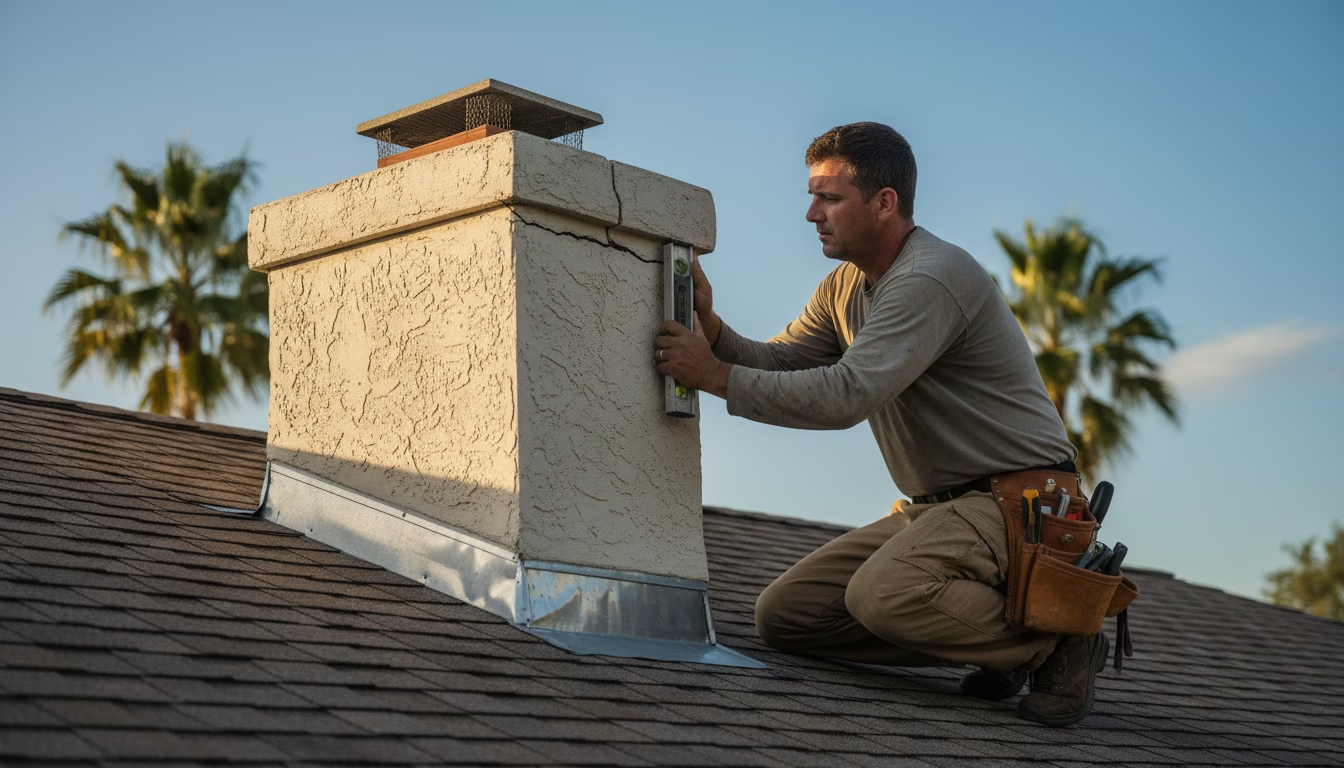
Chimney repair is the process of fixing cracked masonry, damaged flues, and worn flashing before small problems turn into fire or water hazards. Most Central Florida chimneys don’t fail overnight — they deteriorate slowly through humidity, sudden downpours, and freeze-thaw cycles that most homeowners never notice until a stain shows up on the ceiling. If you’ve spotted crumbling mortar or a musty smell near your fireplace, you’re not imagining it, and waiting rarely makes the fix cheaper.
We’ve spent years crawling on rooftops from Gainesville to Palatka, and the pattern is always the same: small cracks left alone become expensive rebuilds. This guide walks through what causes chimney damage in our climate, how a proper repair is done, and how to choose a contractor who won’t cut corners.
📌 Key Takeaways
- Cracked crowns and spalling brick are the top two reasons Florida homeowners need chimney repair.
- A professional inspection should happen annually, per Chimney Safety Institute of America guidance.
- Water — not fire — causes most of the structural damage we see in Central Florida chimneys.
- Ignoring a damaged flue liner can allow dangerous gases into living spaces.
- Florida-licensed contractors must carry state credentials verifiable through the Florida DBPR.
Jump to a section:
- Why Chimney Repair Matters Here
- Signs You Need Chimney Repair
- The Chimney Repair Process
- Repair Now vs. Wait: The Real Cost
- Chimney Repair Across Our Service Area
- Choosing a Qualified Contractor
- FAQ
Why Chimney Repair Matters for Central Florida Homes
Quick Answer: Florida’s heat, humidity, and sudden storms attack chimney masonry faster than in drier climates, making regular chimney repair a safety issue, not just a cosmetic one. Left unaddressed, small cracks let water inside the structure year-round.
Our summers bring intense afternoon thunderstorms, and our winters bring just enough cold snaps to freeze trapped moisture inside brick and mortar. That freeze-thaw cycle, even a mild version of it, expands hairline cracks into real structural gaps. According to the National Fire Protection Association, chimney and fireplace issues remain a leading contributor to residential heating-related fires, which is why annual attention matters even in a warm-weather state.
Humidity’s Hidden Role
Humidity doesn’t just cause mold — it seeps into porous brick and accelerates spalling, where the face of the brick flakes and pops off. Homes in Alachua, Marion, and Putnam counties see this often because of dense tree cover and heavy dew. A chimney that looks fine from the driveway can already be compromised underneath.
💡 Expert Insight: In our experience, chimneys built before 1990 in this region almost always need at least minor mortar repair by the time we’re called out for a first inspection.
Common Signs You Need Chimney Repair
Quick Answer: Rust stains, white powdery residue, and loose bricks are the clearest visual signs you need chimney repair soon. Interior water stains near the fireplace are a louder warning that shouldn’t wait.
Cracked or Spalling Masonry
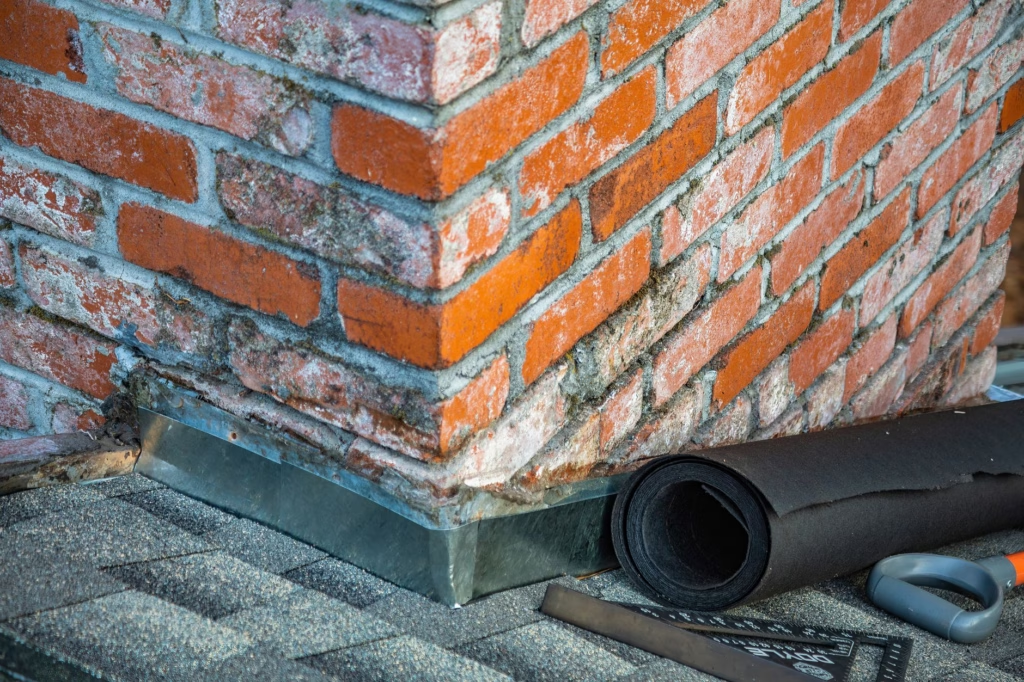
Spalling brick, crumbling mortar joints, and a chalky white coating called efflorescence all point to water intrusion. Efflorescence forms when water dissolves salts inside masonry and carries them to the surface as it evaporates. If you see it, moisture has already been moving through the structure for a while.
Damaged Chimney Crown and Flashing
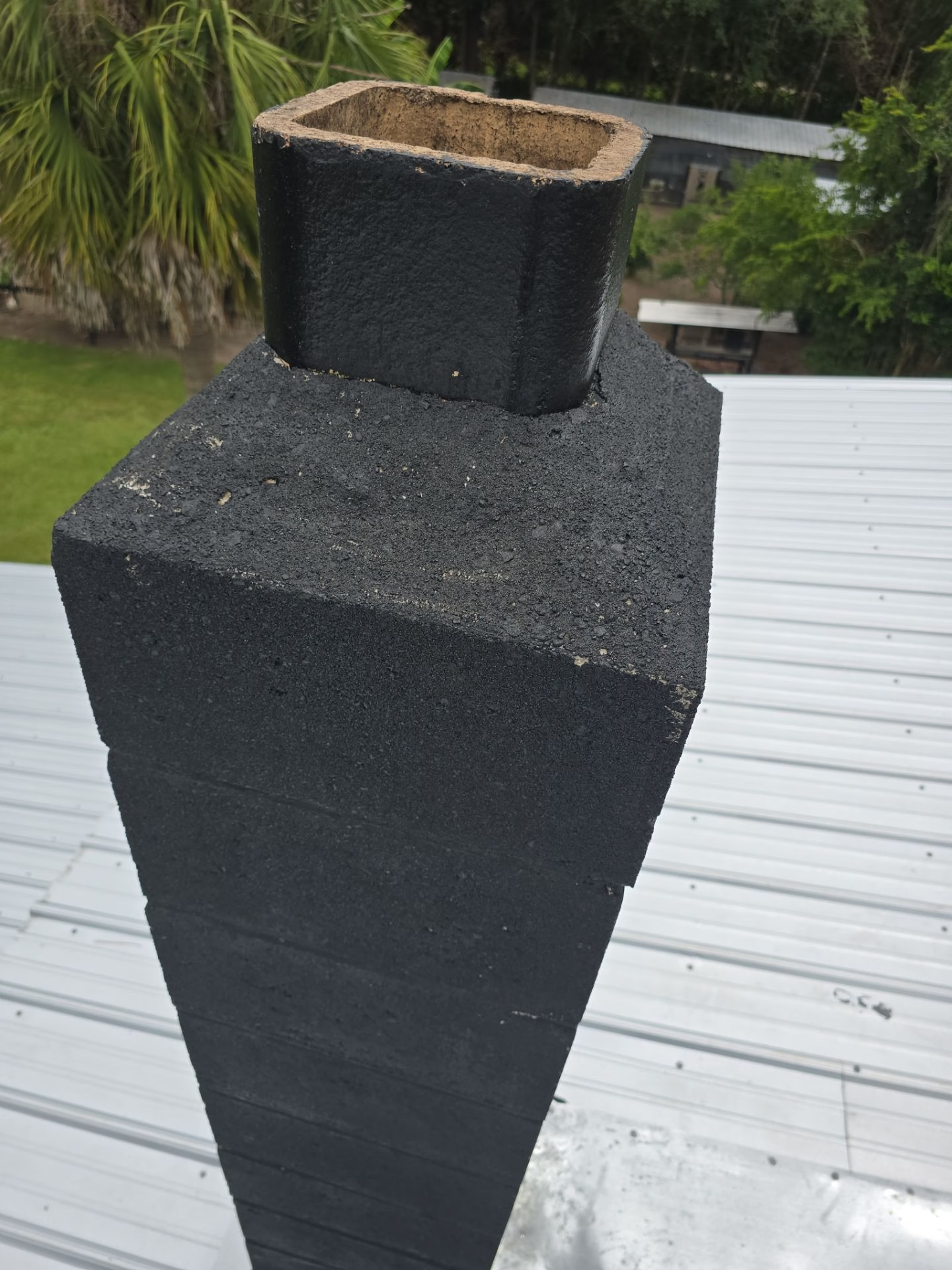
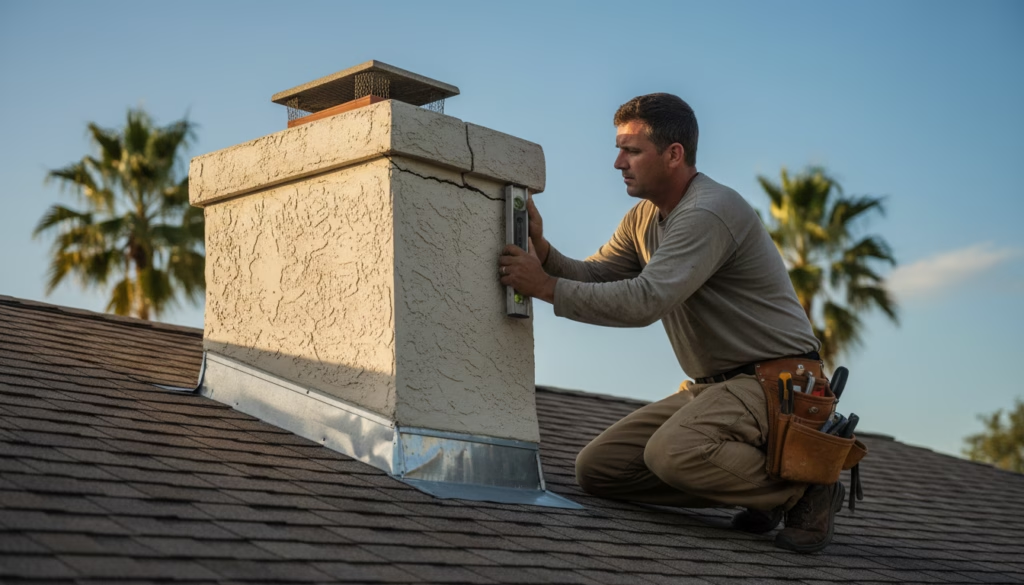
The crown is the concrete cap sealing the top of the chimney, and it takes the brunt of every storm. Our cracked chimney crown repair signs guide covers this in more depth, but cracks wider than a hairline usually mean water is already draining into the flue. Flashing — the metal strip sealing the chimney to the roofline — fails just as often and is a common source of ceiling leaks.
⚠️ Common Mistake: Homeowners often caulk over crown cracks as a quick fix. This traps moisture instead of releasing it and can accelerate internal damage.
The Chimney Repair Process, Step by Step
Quick Answer: A proper chimney repair starts with a full inspection, moves through targeted masonry or liner work, and ends with a sealed, weatherproofed exterior. Skipping the diagnostic step is the most common reason repairs fail early.
Inspection and Diagnosis
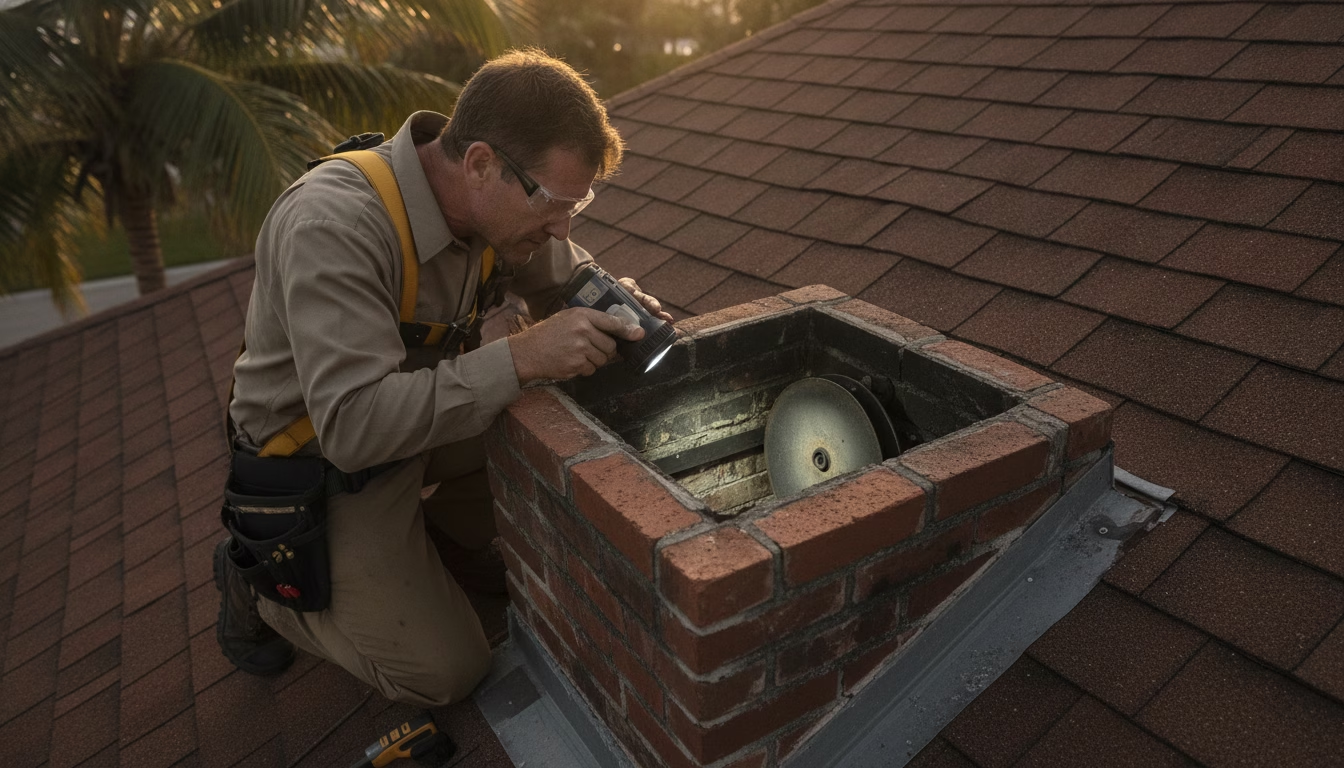
- A technician examines the exterior masonry, crown, flashing, and cap for visible damage.
- A camera inspection checks the flue liner for cracks, gaps, or soot buildup that isn’t visible from ground level.
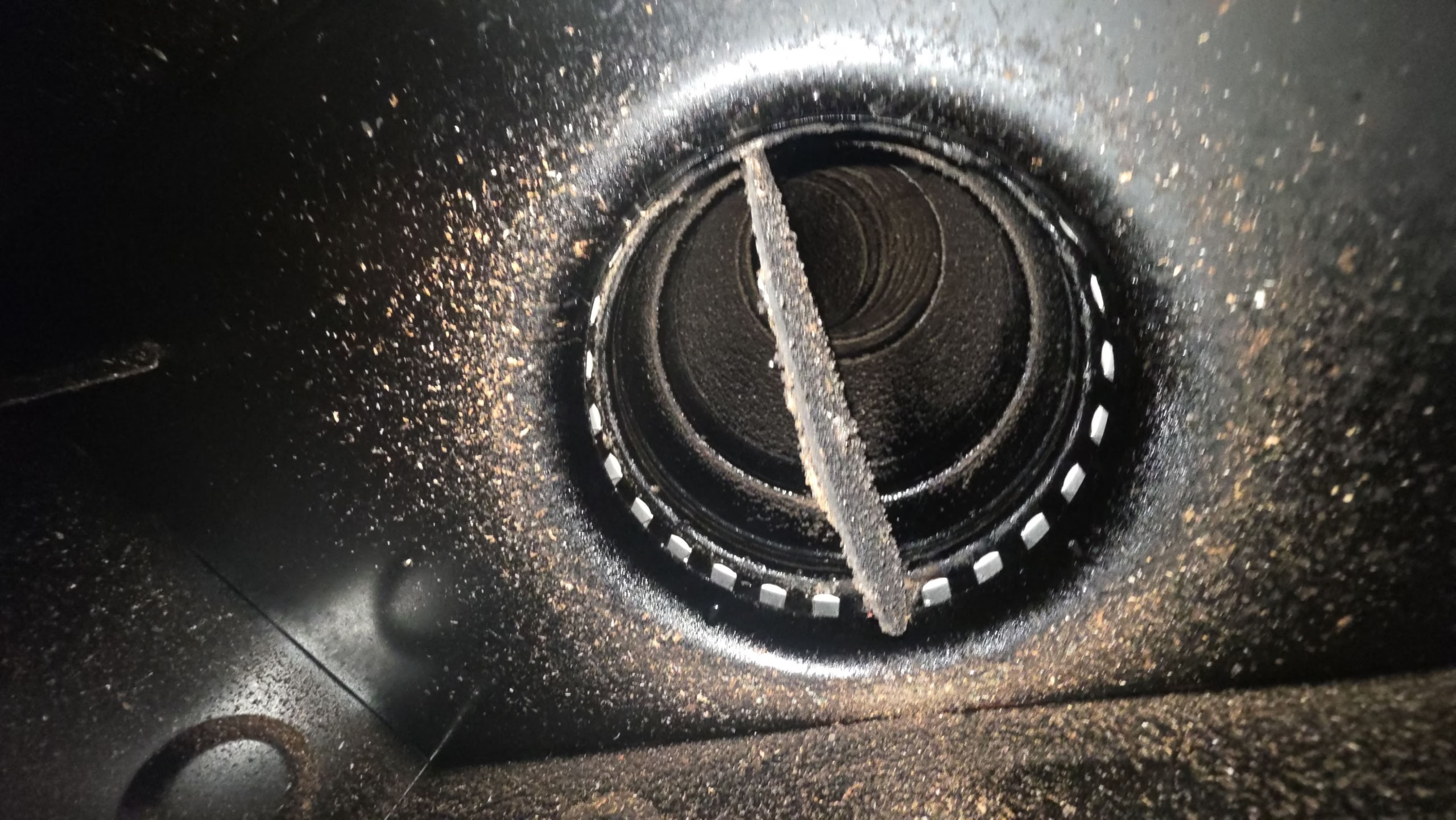
- Interior components — including the damper and firebox — get checked for rust or warping.
- Findings are documented with photos so homeowners understand exactly what’s being recommended and why.
Our chimney inspection services follow this same sequence on every job, whether it’s a routine annual visit or a pre-repair diagnostic.
Repair, Reline, or Rebuild
Once the diagnosis is complete, the fix usually falls into one of three categories: spot masonry repair, flue relining, or a partial rebuild. Minor mortar repair (sometimes called tuckpointing) addresses isolated cracked joints. More extensive damage may call for our masonry rebuild and repair services, which rebuild compromised sections from the flashing line up.
✅ Quick Tip: Ask your contractor whether the recommended repair addresses the cause of the damage, not just the visible symptom — a resealed crown means little if the underlying flashing is still leaking.
Repair Now vs. Wait: The Real Cost
Quick Answer: Delaying chimney repair almost always increases the scope of the eventual fix, because water damage compounds over time. A small crown crack today can become a full rebuild within a couple of storm seasons.
| Situation | Acting Now | Waiting 1-2 Years |
|---|---|---|
| Hairline crown crack | Simple seal or minor patch | Widened crack, active leaking |
| Loose flashing | Re-seat and reseal | Ceiling and interior wall damage |
| Spalling brick, few units | Localized masonry repair | Multiple courses need rebuilding |
| Minor flue liner gap | Targeted reline section | Full liner replacement, possible smoke damage |
| Rusting damper | Damper repair or replacement | Firebox exposure to moisture and pests |
📊 Data Point: The EPA notes that poorly maintained wood-burning appliances and venting systems can significantly increase indoor air pollutants — another reason a compromised flue shouldn’t be ignored.
Chimney Repair Across Our Central Florida Service Area
Quick Answer: We provide chimney repair throughout North Central Florida, including Gainesville, Ocala, Palatka, and the surrounding communities. Local soil, tree cover, and storm patterns vary slightly by area, which is part of why on-site inspection matters more than a phone estimate.
Gainesville, Ocala, and Nearby Communities
Homes in our Gainesville FL service area tend to have mature tree canopies that keep chimneys shaded and damp longer after rain. In Ocala, Alachua, High Springs, and Archer, we see a similar pattern of moisture-driven mortar breakdown, especially on chimneys facing prevailing wind and rain direction. Bushnell and Wildwood homeowners often call us after noticing the same efflorescence staining described earlier.
Palatka, Spring Hill, and Points Beyond
Farther east toward Palatka, Crescent City, and East Palatka, older homes with original masonry chimneys frequently need relining alongside exterior repair. To the south and west, Spring Hill, Dunnellon, and Clermont homeowners deal with similar humidity exposure but sometimes newer prefabricated chimney systems, which have their own inspection points. Wherever you’re located within our service area, the diagnostic process stays consistent.
💡 Expert Insight: We’ve noticed that chimneys near lakes and rivers — common throughout Putnam and Marion counties — show accelerated efflorescence compared to inland homes, likely due to consistently higher ambient humidity.
Choosing a Qualified Chimney Repair Contractor
Quick Answer: Look for a contractor holding a valid Florida contractor license and recognized chimney certifications, not just general handyman experience. Verify credentials directly rather than taking a business card at face value.
Credentials Worth Asking About
Our team holds Florida Contractor License #CRC1333200, along with Certified Master Chimney Technician (#34), Certified Chimney Specialist (CSIA #59), and Certified Chimney Sweep (CSIA #10020) credentials, among others. These certifications, issued through recognized industry bodies like CSIA, require ongoing education specific to chimney systems — not just general construction knowledge. You can verify any Florida contractor’s license status directly through the Florida DBPR license search.
What a Trustworthy Estimate Includes
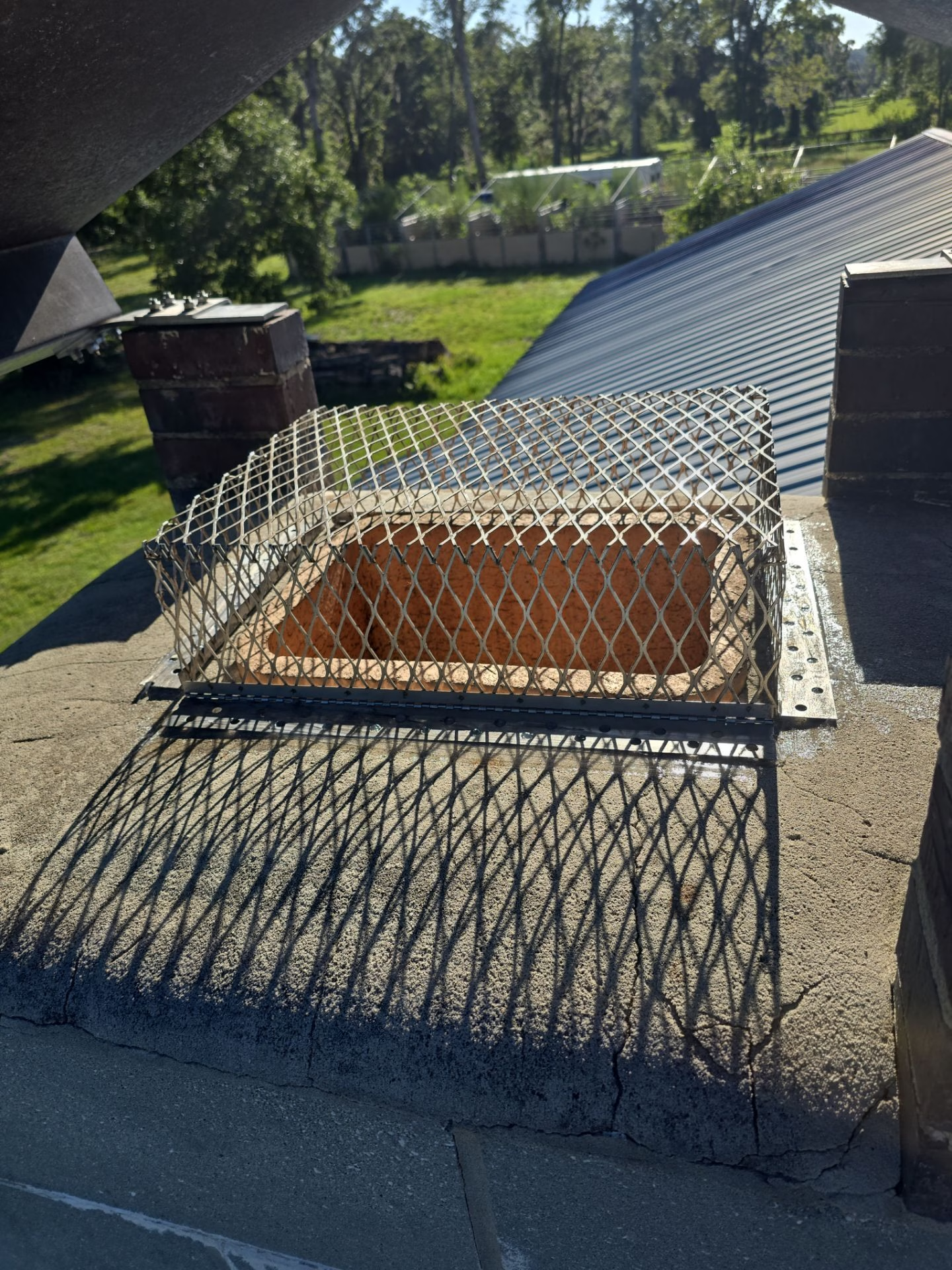
A transparent estimate explains the diagnosis, the recommended fix, and why alternatives were ruled out. It should also flag related issues — a damaged damper or a chase cover nearing the end of its life — even if they weren’t the original reason for the call.
⚠️ Common Mistake: Choosing a contractor based solely on price often means skipping the camera inspection step, which can hide a cracked flue liner behind a freshly sealed exterior.
Frequently Asked Questions
How much does chimney repair typically involve in Central Florida?
Scope varies from a simple crown seal to a partial masonry rebuild, depending on how long moisture has been getting in. A proper inspection is the only reliable way to know the real extent of the work needed.
How do I know if I need chimney repair or a full rebuild?
If damage is limited to a few brick courses or a single crack in the crown, targeted repair is usually enough. Widespread spalling, a leaning structure, or a badly deteriorated flue liner typically point toward a more extensive rebuild.
Is chimney repair covered by homeowners insurance in Florida?
Coverage depends on the cause of damage and your specific policy, so it’s worth reviewing your documents or asking your insurer directly. Damage from a sudden storm event is more commonly covered than gradual deterioration from long-term neglect.
How often should a chimney be inspected to avoid major repairs?
An annual inspection is the standard recommendation from the Chimney Safety Institute of America, especially before heavy fireplace use season. Homes near lakes or with heavy tree cover may benefit from a mid-year check as well.
Can I do minor chimney repair myself?
Surface-level cleaning is reasonable for a confident homeowner, but masonry, flashing, and flue work require specialized tools and rooftop safety experience. Improper DIY repairs can trap moisture and worsen the underlying problem.
What causes most chimney repair calls in Gainesville FL?
Water intrusion from cracked crowns, failing flashing, and aging mortar joints drives the majority of our chimney repair calls around Gainesville. Humidity and heavy tree cover in the area accelerate this type of wear compared to drier regions.
Does a cracked chimney always need immediate repair?
Not every crack is an emergency, but any crack allowing visible water intrusion should be addressed promptly. A technician can tell you whether it’s a monitor-and-plan situation or one that needs immediate attention.
Final Thoughts
Chimney repair isn’t glamorous work, but it protects one of the most fire- and water-exposed parts of your home. From Gainesville to Palatka, the same story repeats: small cracks, ignored long enough, become expensive structural problems. Catching the warning signs early — spalling brick, crown cracks, interior stains — keeps repairs simple and your home safer.
Here’s how to move forward:
- Walk your exterior and look for cracked mortar, rust stains, or a damaged crown.
- Check your attic or ceiling near the chimney chase for any water staining.
- Schedule a professional inspection rather than guessing at the cause.
- Address recommended repairs before the next storm season arrives.
Always Fire and Gas operates under Florida Contractor License #CRC1333200 and holds multiple CSIA and NFI chimney certifications across our technicians. If you’re noticing warning signs, contact our team today to schedule a professional chimney repair inspection for your Central Florida home.