If you’re searching for a chimney cap service near me, the short answer is this: look for a licensed, CSIA-certified chimney company that inspects your flue before recommending a cap, not one that just quotes a price over the phone. A missing or damaged cap is one of the fastest ways rain, embers, and wildlife find their way into a Central Florida home. We’ve pulled squirrel nests, rusted-out dampers, and standing water out of flues where a $150 part could have prevented thousands in damage.
A chimney cap sits at the top of the flue and acts as the first line of defense against weather and animals. It seems like a small piece of metal, but it’s often the difference between a dry, functional fireplace and a costly masonry rebuild. This guide explains what a proper installation involves, what it should cost you in peace of mind (not price), and how to find a technician you can actually trust.
📌 Key Takeaways
- A missing or rusted chimney cap is a leading cause of hidden water damage in Florida chimneys.
- Stainless steel caps outlast galvanized ones in humid, storm-prone climates.
- A proper cap should cover the entire flue opening, not just balance on top of it.
- Ask any installer for their CSIA certification number before booking.
- Annual inspections catch cap failures before they become chimney crown or liner repairs.
Quick Navigation
- Why Your Chimney Cap Matters
- Signs You Need a New Chimney Cap
- What a Professional Chimney Cap Service Includes
- Choosing the Right Cap for Your Home
- DIY vs. Professional Installation
- Finding a Trusted Chimney Cap Service Near Me
- FAQ
Why Your Chimney Cap Matters
Quick Answer: A chimney cap keeps rain, animals, and debris out of your flue while also stopping sparks from landing on your roof. Without one, moisture intrusion and pest infestations happen faster than most homeowners expect.
Central Florida’s humidity and heavy summer storms make an uncapped flue especially vulnerable. Water pools on the smoke shelf, soaks into the chimney crown, and eventually seeps into interior walls near the firebox. Over time this moisture cycle accelerates rust on metal components and cracks in masonry.
The Fire Safety Side
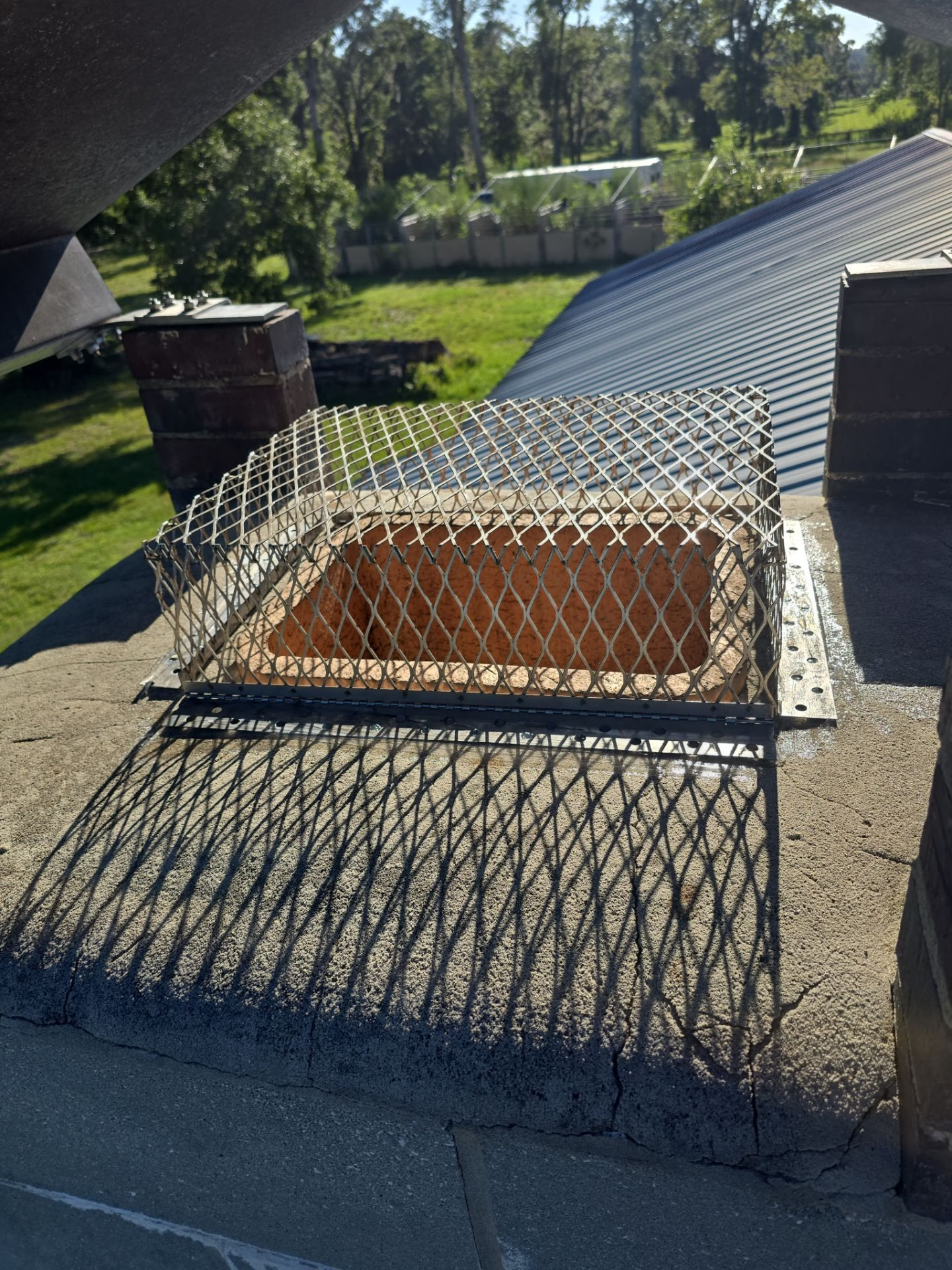
A cap also functions as a spark arrestor, a mesh screen that stops embers from escaping and landing on dry leaves or roofing shingles. According to the National Fire Protection Association, chimney and flue fires remain a significant cause of residential structure fires each year. A properly fitted cap is a low-cost safeguard against that risk.
💡 Expert Insight: In over two decades of chimney work across Marion and Alachua counties, we’ve found that homes near wooded lots see the highest rate of animal-related flue blockages without a cap.
Signs You Need a New Chimney Cap
Quick Answer: Rust stains on the firebox, scratching sounds in the flue, and daylight visible from inside the damper are the clearest signals your cap has failed. Waiting on any of these usually leads to bigger repairs.
Most homeowners don’t think about their cap until something goes wrong. Watch for these warning signs during routine home checks or after a major storm rolls through.
Common Red Flags
- Water stains or a musty smell near the fireplace after rain.
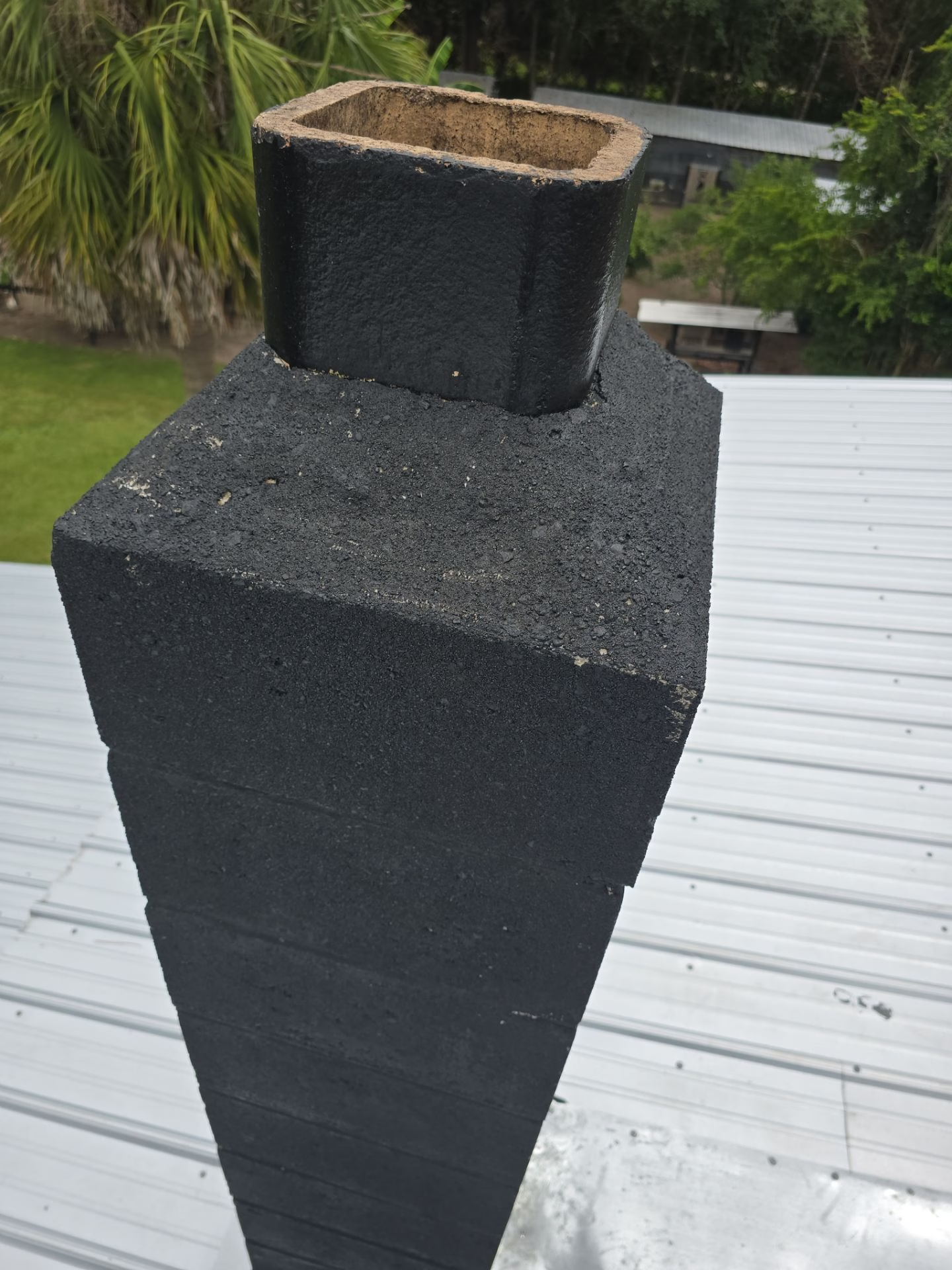
- Visible rust or a bent, tilted cap when viewed from the ground.
- Scratching, chirping, or fluttering sounds inside the chase.
- A smoky smell from the AC pulling odors down the flue.
- Missing mesh screening or a cap that’s completely gone after a storm.
⚠️ Common Mistake: Many homeowners assume a cap only matters in winter. In Florida, a missing cap causes more damage during hurricane season than during the short heating months.
What a Professional Chimney Cap Service Includes
Quick Answer: A proper visit includes a flue inspection, cap sizing, material selection, and secure attachment to the crown or flue tile — not just dropping a generic cap on top. Skipping the inspection step is the most common shortcut low-quality installers take.
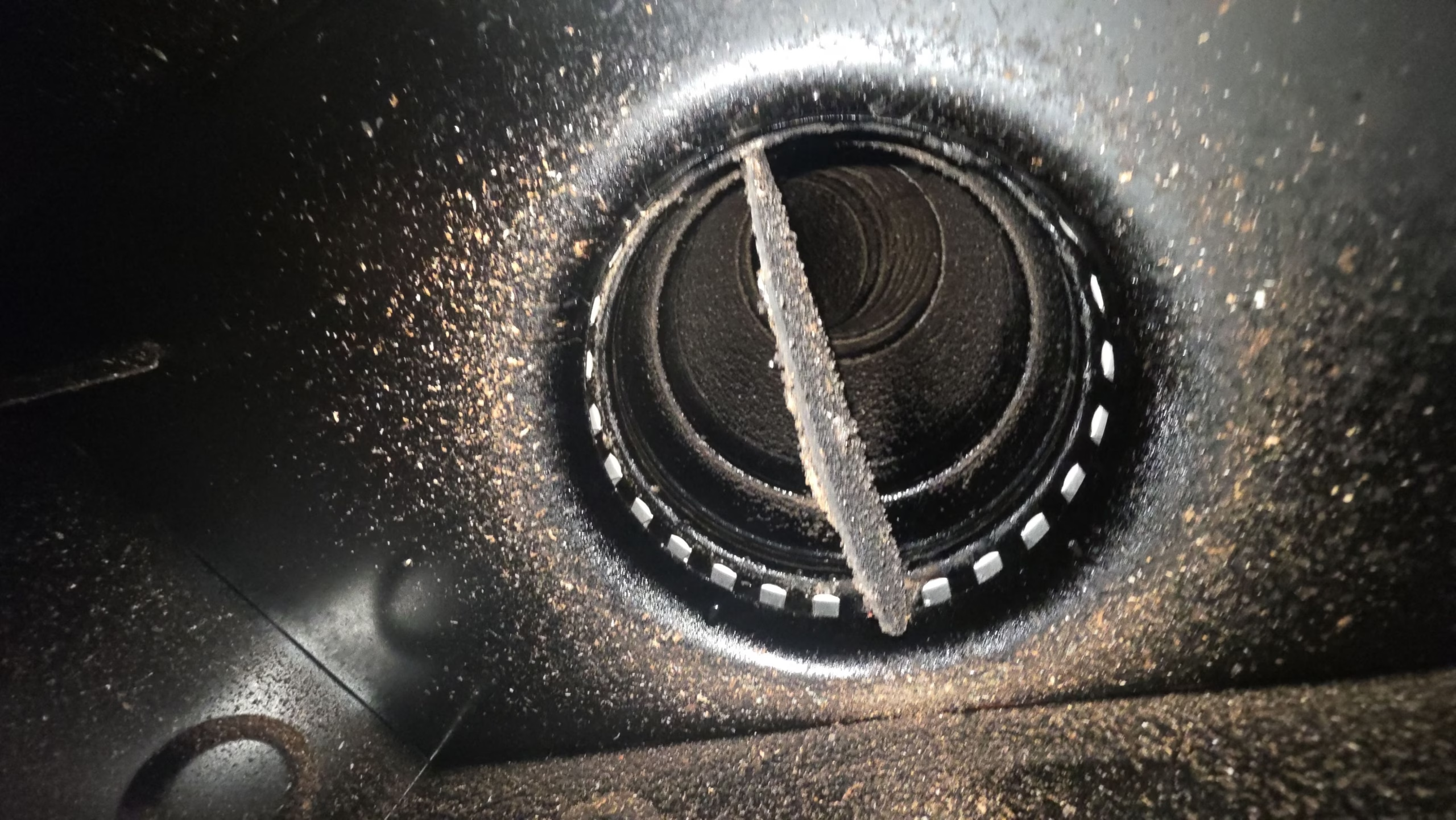
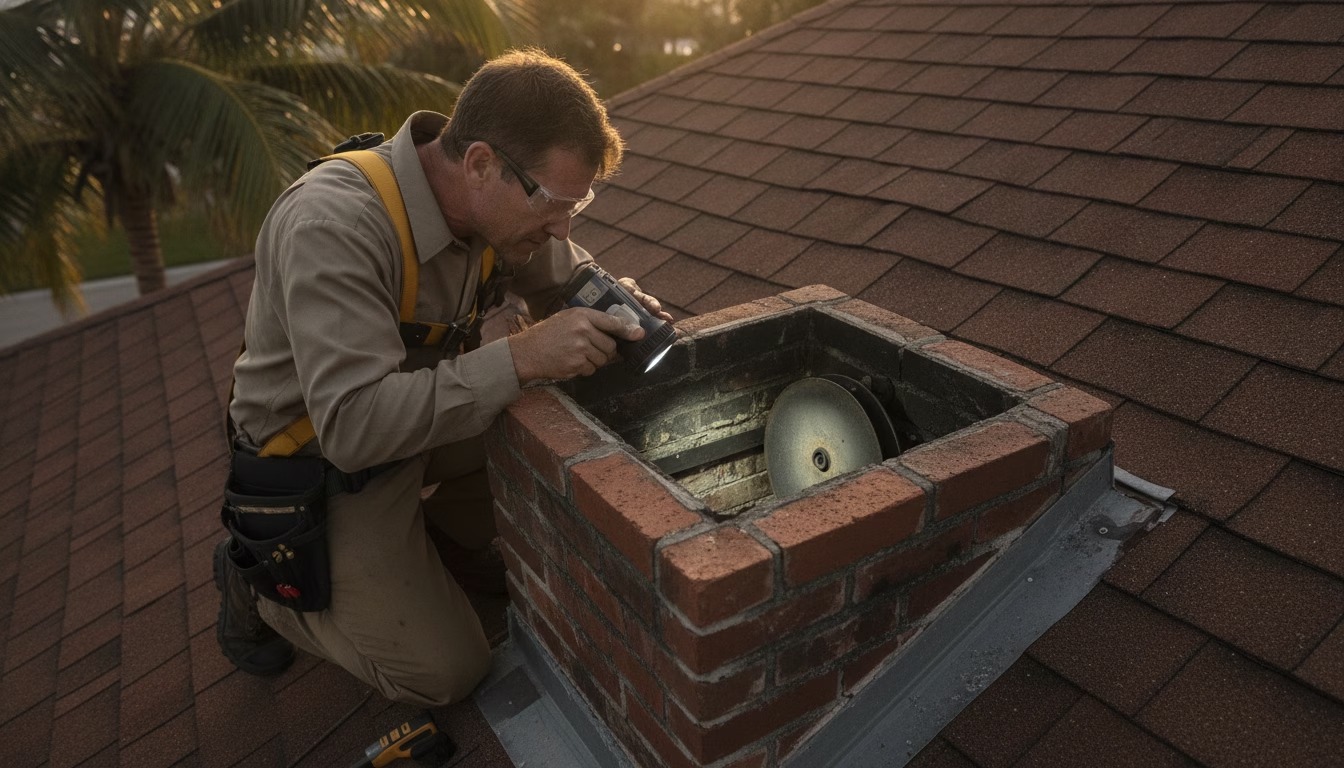
When a technician arrives for chimney cap installation, the first step should always be an inspection of the crown, flue liner, and damper. This confirms there’s no existing damage that a new cap would simply hide. Our team documents this with photos so homeowners see exactly what’s happening above the roofline.
Materials That Hold Up in Florida
Stainless steel caps resist rust far better than galvanized steel in coastal and high-humidity regions. Copper caps cost more upfront but develop a protective patina and rarely need replacement. We size every cap to fully cover the flue opening, since an undersized cap still lets rain and embers slip through the gaps.
📊 Data Point: According to the Chimney Safety Institute of America, a large percentage of chimney-related water damage claims trace back to a missing or improperly fitted cap rather than the masonry itself.
Choosing the Right Cap for Your Home
Quick Answer: The right cap depends on flue count, chimney material, and whether you also need a full chase cover for a prefabricated metal chimney. A single-flue home needs a different solution than one with multiple appliances venting through the same chase.
Homes with a masonry fireplace typically need a single or multi-flue cap fastened directly to the crown. Prefabricated metal chimneys, common in many newer Central Florida subdivisions, often pair a cap with a chase cover to seal the entire top of the structure.
Comparing Common Cap Options
| Cap Type | Best For | Typical Lifespan | Florida Suitability |
|---|---|---|---|
| Galvanized steel | Budget-conscious short-term fix | 5-8 years | Fair — rusts faster in humidity |
| Stainless steel | Most Central Florida homes | 15-20+ years | Excellent |
| Copper | Historic or high-end homes | 25+ years | Excellent, develops patina |
| Multi-flue cover | Homes with 2+ flues sharing a chase | 15-20 years | Excellent with proper flashing |
✅ Quick Tip: If your home has both a fireplace flue and a gas water heater vent sharing one chase, ask your technician about a multi-flue cap rather than two separate small caps.
DIY vs. Professional Installation
Quick Answer: DIY chimney cap installation is possible for a simple single-flue home, but improper flashing or an ill-fitting cap often causes leaks worse than having no cap at all. Roof access, correct sizing, and sealing technique are where most DIY attempts go wrong.
We’ve been called out to fix more than a few big-box store caps that were never sealed correctly to the crown. A cap that isn’t flashed or clamped properly can actually funnel more water into the flue during heavy rain.
When to Call a Professional
Steep rooflines, multi-story homes, and any chimney showing existing crown cracks are all situations where professional installation is worth it for safety alone. A technician can also evaluate the chimney crown for cracks at the same time, catching a second problem before it grows.
💡 Expert Insight: As a Florida Certified Contractor (CRC1333200) and Certified Master Chimney Technician, I’ve seen roof falls and improperly sealed caps cause more damage than the original problem the homeowner was trying to fix.
Finding a Trusted Chimney Cap Service Near Me
Quick Answer: Look for verifiable licensing, CSIA certification numbers, and a company that inspects before it installs. A trustworthy chimney cap service near me should explain what they find, not just hand you a bill.
We serve homeowners throughout Gainesville, Ocala, Alachua, High Springs, Dunnellon, and Putnam County communities near Palatka, including neighborhoods covered on our Putnam County service page. Whether you’re near the springs of High Springs or the pastures around Micanopy, humidity and storm exposure create similar risks for an uncapped flue.
What to Ask Before You Book
Before scheduling chimney cap installation, ask the company for their Florida contractor license number and their CSIA certification number. Ask whether the visit includes a full chimney inspection or just a cap swap. A company that welcomes these questions is usually the one you want on your roof.
⚠️ Common Mistake: Choosing the lowest quote without confirming certification often means a cap that isn’t properly matched to your flue size — leading to a callback within a year.
Our team holds a Florida Contractor License (CRC1333200), Certified Category V Gas License (LI45277), and multiple CSIA and NFI credentials, including Certified Chimney Specialist (CSIA #59) and Certified Chimney Sweep (CSIA #10020). We also handle related work like damper repair and chase covers if your inspection turns up additional needs. For a full look at our chimney cap options, visit our chimney caps page.
FAQ
How much does a chimney cap service near me typically cost?
Costs vary based on flue size, material, and roof access, so we recommend an in-home inspection for an accurate answer rather than a phone estimate. What matters most is choosing a cap sized and sealed correctly for long-term protection, not just the lowest number.
How long does chimney cap installation take?
Most single-flue installations take under an hour once the technician is on the roof, though the inspection beforehand can add extra time. Multi-flue caps or chase cover replacements typically take longer due to sealing and flashing work.
Can I install a chimney cap myself?
You can for a simple, easily accessible single-flue chimney, but incorrect sizing or sealing often causes leaks worse than having no cap. Steep roofs, cracked crowns, or multi-flue chases are best left to a licensed technician.
What material chimney cap lasts longest in Florida’s climate?
Stainless steel and copper caps hold up best against Florida’s humidity and storm exposure, often lasting 15 to 25 years or more. Galvanized steel is more affordable but tends to rust noticeably faster in coastal and high-humidity counties.
Do I need a chimney cap if I never use my fireplace?
Yes — an unused fireplace still has an open flue that lets in rain, animals, and debris without a cap in place. In fact, unused chimneys are more prone to animal nesting since there’s no regular activity to deter wildlife.
How do I know if my chimney cap is damaged after a storm?
Look for a visibly bent, missing, or rusted cap from the ground, and check inside for daylight, water stains, or debris on the damper. If you notice any of these signs, schedule an inspection before your next rainfall.
Is chimney cap installation covered during a routine chimney inspection?
A standard inspection identifies whether your cap is damaged or missing, but installation itself is typically a separate service performed once problems are confirmed. This two-step approach ensures the cap you install actually solves the issue found during the inspection.
Final Thoughts
A reliable chimney cap service near me starts with an honest inspection, not a quick sale. Whether you’re in Gainesville, Ocala, Alachua, or a smaller Putnam County community, the same rules apply: match the cap to your flue, choose durable materials, and confirm the installer’s credentials. Skipping any of these steps usually means calling someone back out within a year or two.
Next steps:
- Check your chimney from the ground for rust, tilting, or missing mesh.
- Note any water stains, odors, or animal sounds near the fireplace.
- Schedule a full chimney inspection before choosing a replacement cap.
- Ask your technician for their license and CSIA certification numbers.
- Book chimney cap installation before the next major storm season arrives.
Always Fire and Gas is a licensed Florida contractor (CRC1333200) serving homeowners across Alachua, Marion, Putnam, Citrus, and Hernando counties. Contact our team today to schedule your chimney cap inspection and protect your home before the next storm.