A chimney frame is the wood or metal structure that surrounds and supports your chimney chase, and getting it wrong is one of the leading causes of house fires tied to fireplaces. Too many homeowners assume framing is just carpentry, but it’s actually a fire-safety system with strict clearance rules. Done correctly, a chimney frame protects your home for decades; done poorly, it can smolder inside your walls for years before anyone notices a problem.
In this guide, we’ll walk through what a proper chimney frame looks like, the clearances that keep combustible materials safe from heat, and when it’s time to call a licensed chimney builder near you instead of tackling it yourself. We serve homeowners across Alachua, Marion, Citrus, Hernando, and Putnam counties, and we’ve seen firsthand how a rushed framing job can turn into an expensive, dangerous repair.
📌 Key Takeaways
- A chimney frame must keep combustible wood at least 2 inches from masonry and often more from metal flue pipes.
- Undersized or improperly sealed framing is a top cause of hidden chimney fires in Florida attics.
- New construction and rebuilds should follow NFPA 211 clearance standards, not guesswork.
- Annual inspections catch framing shifts, gaps, and moisture damage before they become fire hazards.
- Always hire a licensed, CSIA-certified specialist for new chimney construction or major reframing work.
Table of Contents
- What Exactly Is a Chimney Frame?
- Why Proper Framing Clearances Matter
- Signs Your Existing Frame Has a Problem
- New Construction vs. Reframing an Old Chimney
- Choosing a Chimney Builder in Central Florida
- Frequently Asked Questions
What Exactly Is a Chimney Frame?
Quick Answer: A chimney frame is the structural wood or steel framework built around a masonry chimney or metal flue to support the surrounding chase, siding, and roofline. It is not the chimney itself, but the skeleton that holds everything in place.
Most homeowners picture a chimney as a single brick column, but in reality it’s a layered system. The masonry or metal flue carries smoke and gases, while the chimney frame is the surrounding wood structure that gives the chase its shape and ties it into the roof.
How Framing Differs From Masonry Construction
Masonry chimneys built entirely of brick or block don’t always need extensive framing, but chase-style chimneys — common in newer central Florida homes — rely heavily on wood framing to enclose a metal flue pipe. This framing must be built to exact specifications so the wood never touches the hot flue surface.
💡 Expert Insight: In our 20+ years serving Marion and Alachua counties, we’ve found chase-style chimneys are far more likely to have framing errors than traditional all-masonry builds, simply because more trades are involved in the process.
If you’re planning to add a fireplace, our step-by-step chimney framing guide breaks down the sequence in plain language before crews arrive.
Why Proper Framing Clearances Matter
Quick Answer: Framing clearances exist to keep combustible materials away from heat sources that can reach several hundred degrees. Skipping them is one of the most common — and most dangerous — chimney mistakes we encounter.
According to the National Fire Protection Association, NFPA 211 sets the governing standard for chimney, fireplace, and vent installation, including required clearances between combustible framing and heat-producing components. These aren’t arbitrary numbers; they’re based on decades of fire investigation data.
Typical Clearance Requirements
Most factory-built metal chimneys require at least 2 inches of clearance between the flue pipe and any wood framing, while masonry chimneys typically need 2 inches as well, measured from the outer face of the masonry. Manufacturer specifications can vary, so always check the listed installation instructions for your specific unit.
⚠️ Common Mistake: We frequently find insulation or wood blocking stuffed directly against a flue pipe during attic renovations. This single mistake can smolder for months before it ignites.
| Clearance Type | Typical Minimum Distance | Why It Matters |
|---|---|---|
| Wood framing to metal flue | 2 inches (verify manufacturer spec) | Prevents pyrolysis, a slow charring of wood from prolonged heat exposure |
| Wood framing to masonry chimney | 2 inches | Allows for thermal expansion and airflow |
| Insulation to flue pipe | Per manufacturer listing, often 1+ inch air space | Reduces fire risk from trapped heat |
| Roof decking to chimney chase | Per local building code | Prevents moisture intrusion and structural rot |
Pyrolysis, for those unfamiliar with the term, is the gradual chemical breakdown of wood caused by long-term, low-level heat exposure — it can lower the wood’s ignition temperature over years, eventually allowing it to catch fire at surprisingly low heat.
📊 Data Point: The U.S. Consumer Product Safety Commission and fire officials nationally attribute a significant share of residential chimney fires to structural and clearance defects rather than simple creosote buildup, underscoring why framing quality matters as much as cleaning schedules.
Signs Your Existing Frame Has a Problem
Quick Answer: Discoloration, odd smells, sagging chase covers, or gaps around the chimney chase are all signs your chimney frame may need attention. None of these should be ignored.
Homes throughout Dunnellon, Crystal River, and Ocala see plenty of humidity and seasonal storms, both of which stress chimney framing over time. Wood swells, fasteners loosen, and small gaps widen into real entry points for water and pests.
Common Warning Signs to Watch For
- Scorch marks or discoloration on wood near the flue, which may indicate early pyrolysis.
- A chase cover or crown that looks warped, rusted, or separated from the frame.
- Musty or smoky smells inside walls near the chimney, even when the fireplace isn’t in use.
- Visible daylight or drafts around the chimney chase in the attic.
- Cracks radiating from the top of the chimney, which our cracked chimney crown warning signs guide covers in more depth.
✅ Quick Tip: If you smell smoke inside a wall cavity but your fireplace has been cold for days, treat it as an emergency and call a chimney specialist immediately.
A thorough professional chimney inspection is the only reliable way to see inside the frame without demolition. Our technicians use cameras and moisture meters to check what a visual glance from the ground simply can’t reveal.
New Construction vs. Reframing an Old Chimney
Quick Answer: New chimney construction lets you build clearances correctly from day one, while reframing an older chimney means working around existing structural limitations. Both require licensed expertise, but the approach differs significantly.
We get calls from homeowners in Alachua and Gainesville who are adding a fireplace to a home that never had one, and separately from owners whose 1980s-era chimney frame has settled or rotted. The construction of a chimney from scratch gives a builder full control over materials, clearances, and flashing details.
What Reframing Involves
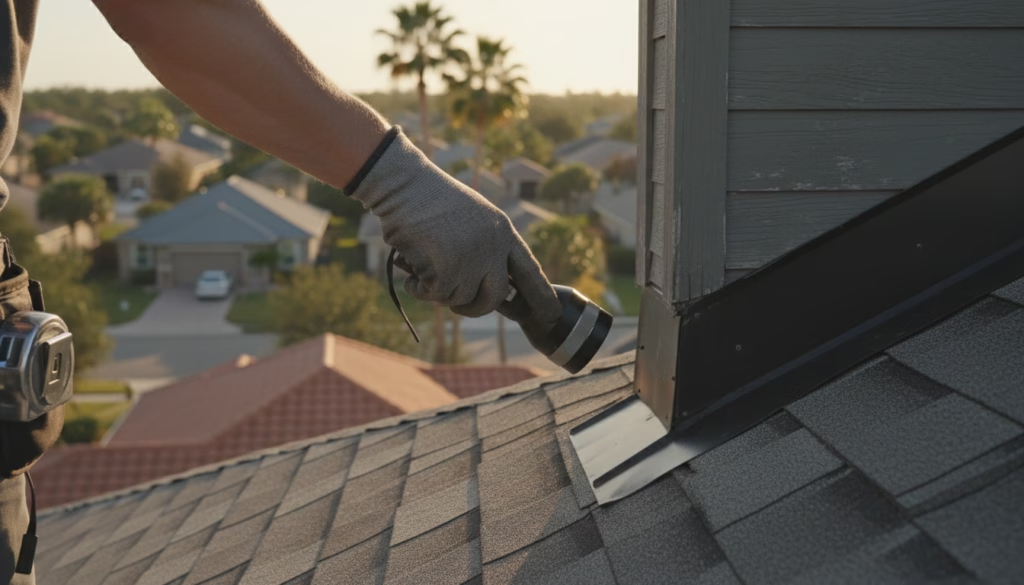
Reframing an existing structure is more delicate work. Crews must often remove drywall, siding, or roofing to access damaged studs, replace them with properly rated lumber, and re-establish code-compliant clearances — all without disturbing the working flue any more than necessary.
💡 Expert Insight: I’ve walked into attics where a previous framing crew ran wiring directly across a flue’s clearance zone. It’s a reminder that even licensed trades sometimes overlook chimney-specific rules that aren’t part of general carpentry training.
For homeowners planning an addition, our team handles new chimney construction from the ground up, and we also perform masonry rebuild and repair when an older structure needs correction rather than replacement.
| Project Type | Best For | Key Consideration |
|---|---|---|
| New chimney construction | Homes adding a first fireplace or heating appliance | Full control over clearances from the start |
| Reframing/rebuild | Older homes with settled, rotted, or damaged framing | Requires careful demolition without disturbing the flue |
| DIY framing adjustments | Not recommended for structural elements | Clearance and fire-code errors are common and hard to spot |
| Licensed professional reframe | Any situation involving fire clearance or code compliance | Ensures compliance with NFPA 211 and local codes |
Choosing a Chimney Builder in Central Florida
Quick Answer: Look for a licensed contractor with chimney-specific certifications, not just a general framing crew. Credentials matter more here than almost any other part of home construction.
Florida requires contractors to hold a valid state license for structural work, which you can verify through the Florida Department of Business and Professional Regulation. Beyond state licensing, chimney-specific credentials from the Chimney Safety Institute of America signal specialized training in flue clearances, draft, and fire behavior that general contractors rarely receive.
Questions to Ask Before Hiring
Ask any prospective chimney company near you whether they hold a current Florida Contractor License, whether their technicians carry CSIA or National Fireplace Institute credentials, and whether they’ll document clearances in writing before closing up walls. Our crew, for example, works under Florida Contractor License CRC1333200 and includes technicians holding CSIA Certified Chimney Specialist and Master Chimney Technician credentials.
⚠️ Common Mistake: Hiring based on price alone, without confirming licensing, is one of the most costly decisions a homeowner can make when it comes to chimney framing. A cheap reframe that fails inspection often costs more to fix later.
We proudly provide chimney services in Gainesville, Alachua, Ocala, Crystal River, Brooksville, and Dunnellon, and we’ll always give you a straight answer about whether your existing frame needs repair or replacement. If you’re unsure where to start, our Gainesville chimney services page outlines what a typical visit includes.
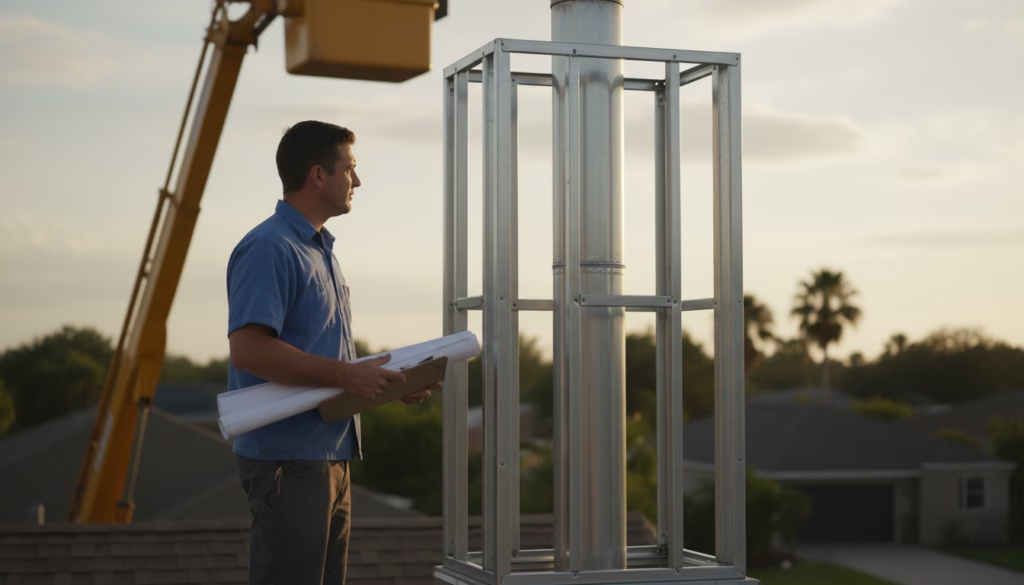
For safety topics beyond framing, the Occupational Safety and Health Administration also publishes general guidance on fall protection and safe work practices around roof-level construction, which reputable chimney contractors should already be following on every job.
Frequently Asked Questions
What is a chimney frame made of?
A chimney frame is typically built from dimensional lumber like 2x4s or 2x6s, sometimes with metal framing components near the flue for added fire resistance. The specific materials depend on whether it’s a chase-style chimney or an all-masonry structure.
How much clearance does a chimney frame need from the flue?
Most metal flue pipes require a minimum of 2 inches of clearance from combustible wood framing, though you should always confirm the manufacturer’s listed specification. Masonry chimneys generally need similar clearances measured from the outer masonry surface.
Can I build a chimney frame myself?
We don’t recommend it, since incorrect clearances are difficult to spot until years later when a fire risk has already developed. A licensed chimney builder near you can ensure the frame meets NFPA 211 and local Florida building codes from the start.
How do I know if my chimney frame is rotting or damaged?
Watch for scorch marks, musty odors, warped chase covers, or visible gaps in the attic around the chimney chase. A professional inspection with a camera and moisture meter is the most reliable way to confirm hidden damage.
Do chimney services in Alachua and Newberry cover framing repairs?
Yes, our team handles framing inspections and repairs throughout Alachua County, including areas near Newberry, as part of our regular chimney maintenance services. We also serve nearby Gainesville, High Springs, and Archer.
What’s the difference between chimney framing and chimney construction?
Chimney framing refers specifically to the wood or metal structure supporting the chase, while chimney construction is the broader process that includes the flue, crown, cap, and finished exterior. Framing is one critical step within the full construction of a chimney.
How often should a chimney frame be inspected?
An annual inspection is recommended for any active chimney, and homes in humid climates like central Florida benefit from checking framing more closely after major storms. Catching small gaps or moisture issues early prevents costly structural repairs later.
Final Thoughts
A chimney frame might be hidden behind drywall and siding, but it’s doing constant, quiet work to keep your home safe from fire. Whether you’re planning new chimney construction or suspect your existing frame has shifted, the clearances and materials involved are too important to leave to guesswork. As of 2026, Florida’s humidity and storm patterns make periodic inspection more important than ever for homes across Marion, Alachua, and Citrus counties.
Here’s how to move forward with confidence:
- Schedule a professional inspection if your chimney is more than 10 years old or you’ve noticed any warning signs.
- Ask any contractor for proof of Florida licensing and chimney-specific certifications before signing a contract.
- Address small clearance or moisture issues immediately, rather than waiting for a full failure.
- Keep a record of any framing or masonry work performed for future inspections and resale value.
We’re licensed under Florida Contractor License CRC1333200 and staffed with CSIA-certified chimney specialists ready to evaluate your chimney frame. Contact our team today to schedule an inspection and protect your Central Florida home for years to come.