Gainesville FL Chimney Cleaning: What Homeowners Should Know in 2026
Chimney cleaning Gainesville FL homeowners rely on removes creosote and soot before they turn into fire hazards or carbon monoxide risks. A dirty flue is one of the leading causes of home heating fires each winter. The direct answer: most North Central Florida homes need a professional sweep once a year, ideally before the first cold snap.
Many homeowners assume a fireplace that “looks clean” is safe, but creosote — a flammable byproduct of wood combustion — builds up inside the flue walls where you can’t see it. A trained technician checks the whole system, not just the firebox. That’s the misconception this guide clears up, with real steps you can act on today.
📌 Key Takeaways
- Schedule chimney cleaning at least once a year, per NFPA guidance, even for low-use fireplaces.
- Creosote buildup is the top cause of residential chimney fires tracked by the U.S. Fire Administration.
- A blocked or dirty flue can push carbon monoxide back into your home — a hazard the CDC warns is often invisible until symptoms appear.
- Look for a CSIA-certified sweep; Always Fire & Gas technicians hold Certified Chimney Sweep (CSIA) #10020 and Certified Chimney Specialist (CSIA) #59 credentials.
- Gainesville, Ocala, Alachua, and High Springs homeowners should book sweeps in early fall before peak fireplace season.
Jump To:
- Why Chimney Cleaning Gainesville FL Homes Need It
- Signs You Need a Chimney Cleaning Near Me
- What Happens During a Professional Sweep
- How Often to Schedule Service
- DIY vs Professional Cleaning
- Choosing a Certified Sweep
- FAQ
Why Chimney Cleaning Gainesville FL Homes Need Matters
Quick Answer: Chimney cleaning removes flammable creosote and blockages that cause house fires and carbon monoxide backups. Skipping it puts your family and your home’s structure at risk. Florida’s humid climate actually accelerates some of these buildup problems.
How Creosote Buildup Leads to Chimney Fires
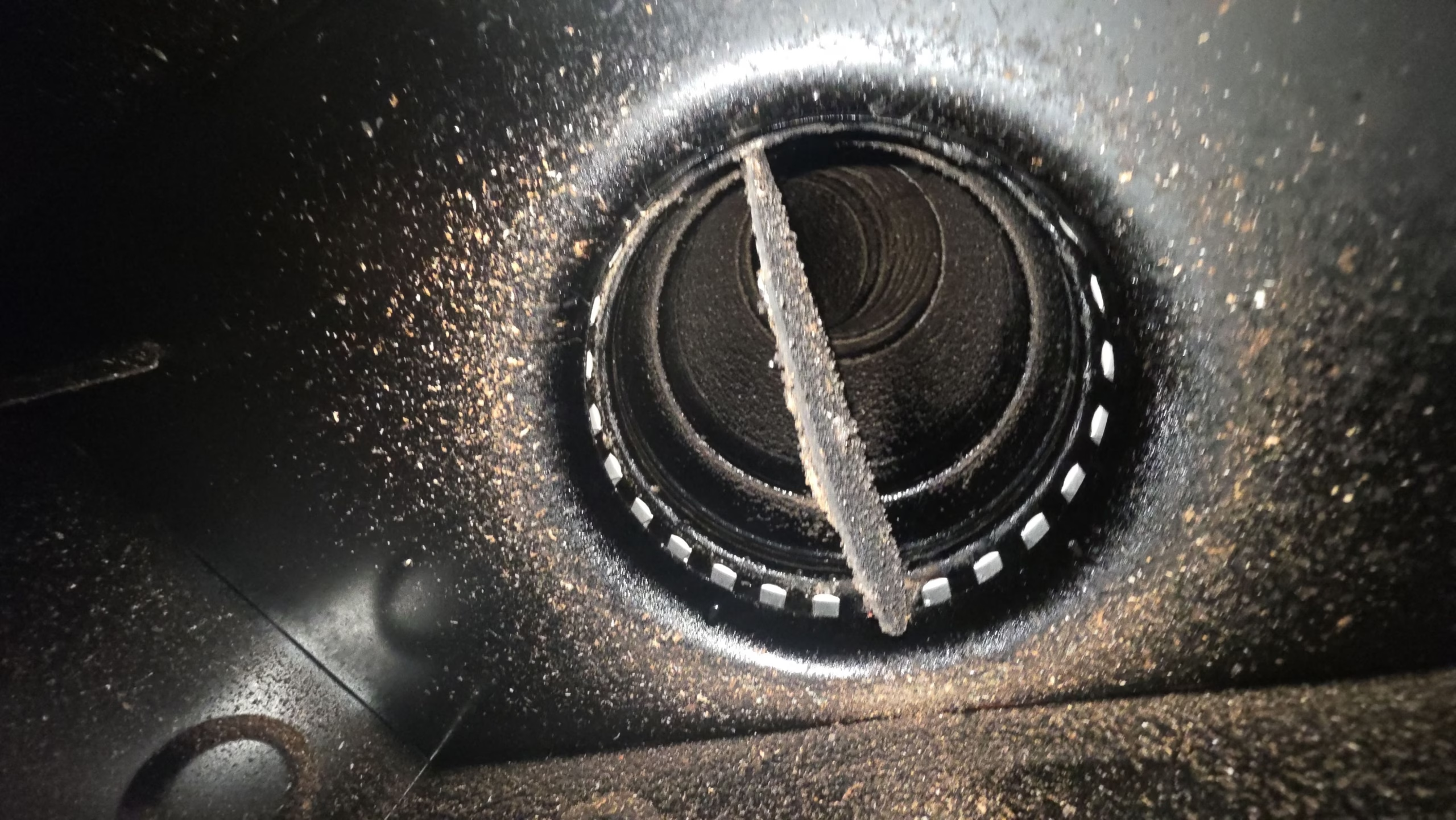
Creosote forms when wood smoke cools and condenses inside the flue liner — the protective inner channel that carries smoke and gases outside. Over a season of regular fires, it can thicken from a flaky soot into a hardened, glazed layer. According to the U.S. Fire Administration, unmaintained chimneys and heating equipment remain a recurring cause of home structure fires nationwide.
⚠️ Common Mistake: Assuming gas fireplaces don’t need cleaning. Gas units still accumulate soot and can develop venting blockages that professional inspection catches early.
Carbon Monoxide Risks From Blocked Flues
A blocked or cracked flue doesn’t just risk fire — it can trap carbon monoxide (CO), an odorless gas produced by combustion. The CDC notes that CO poisoning symptoms mimic the flu, which makes it easy to miss until it’s serious. Homes in Gainesville, Ocala, and surrounding Marion and Alachua County communities with older masonry chimneys face higher risk because mortar joints and liners degrade over decades.
Signs You Need a Chimney Cleaning Near Me
Quick Answer: Dark smoke stains, a campfire smell, slow-burning fires, and visible soot flakes near the firebox all signal it’s time to search for chimney cleaning near me and book a sweep. Waiting until symptoms worsen raises both cost and risk.
Warning Signs Homeowners Often Miss
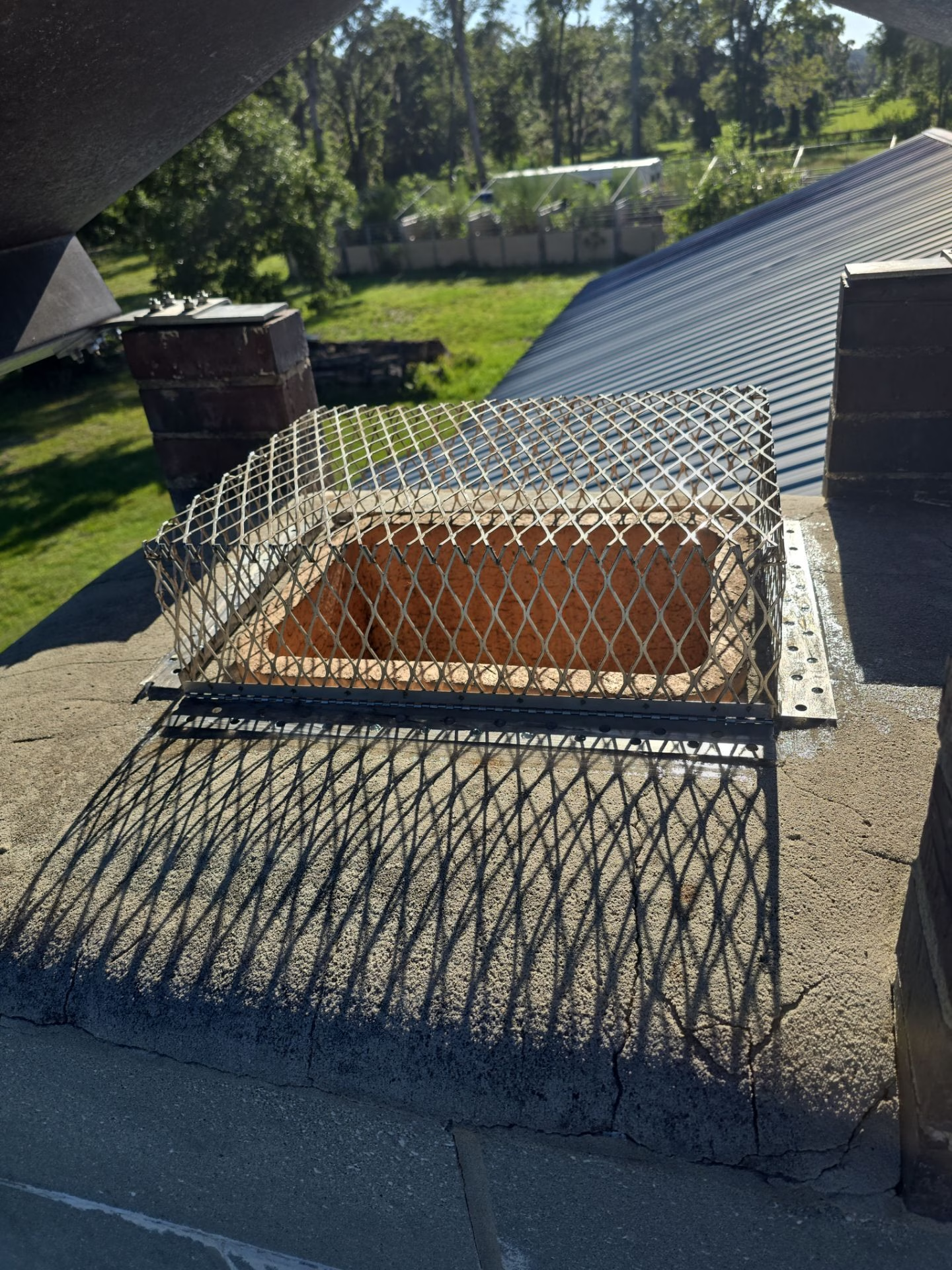
A damper that’s harder to open, puffs of smoke entering the room, or a musty odor when the AC runs are all subtle clues. Birds or debris nesting in an uncapped flue are common in rural areas around Dunnellon and Crystal River. Any of these warrant a professional look rather than a wait-and-see approach.
| Symptom | Likely Cause | Recommended Action |
|---|---|---|
| Campfire smell year-round | Creosote saturation | Schedule sweep within 2 weeks |
| Smoke backing into room | Blocked or damaged flue | Inspection + possible relining |
| Visible black flakes in firebox | Heavy soot buildup | Standard cleaning |
| Rust or water stains on damper | Moisture intrusion | Chimney cap or crown check |
| Fireplace won’t draft well | Obstruction or creosote | Same-week service |
✅ Quick Tip: Snap a photo of your firebox and flue opening before calling — it helps the technician gauge urgency over the phone.
What Happens During a Professional Sweep
Quick Answer: A certified technician inspects the full chimney system, removes creosote and debris with specialized brushes and a HEPA vacuum, then documents findings. The whole visit typically takes 45-90 minutes for a standard residential fireplace.
The Step-by-Step Process
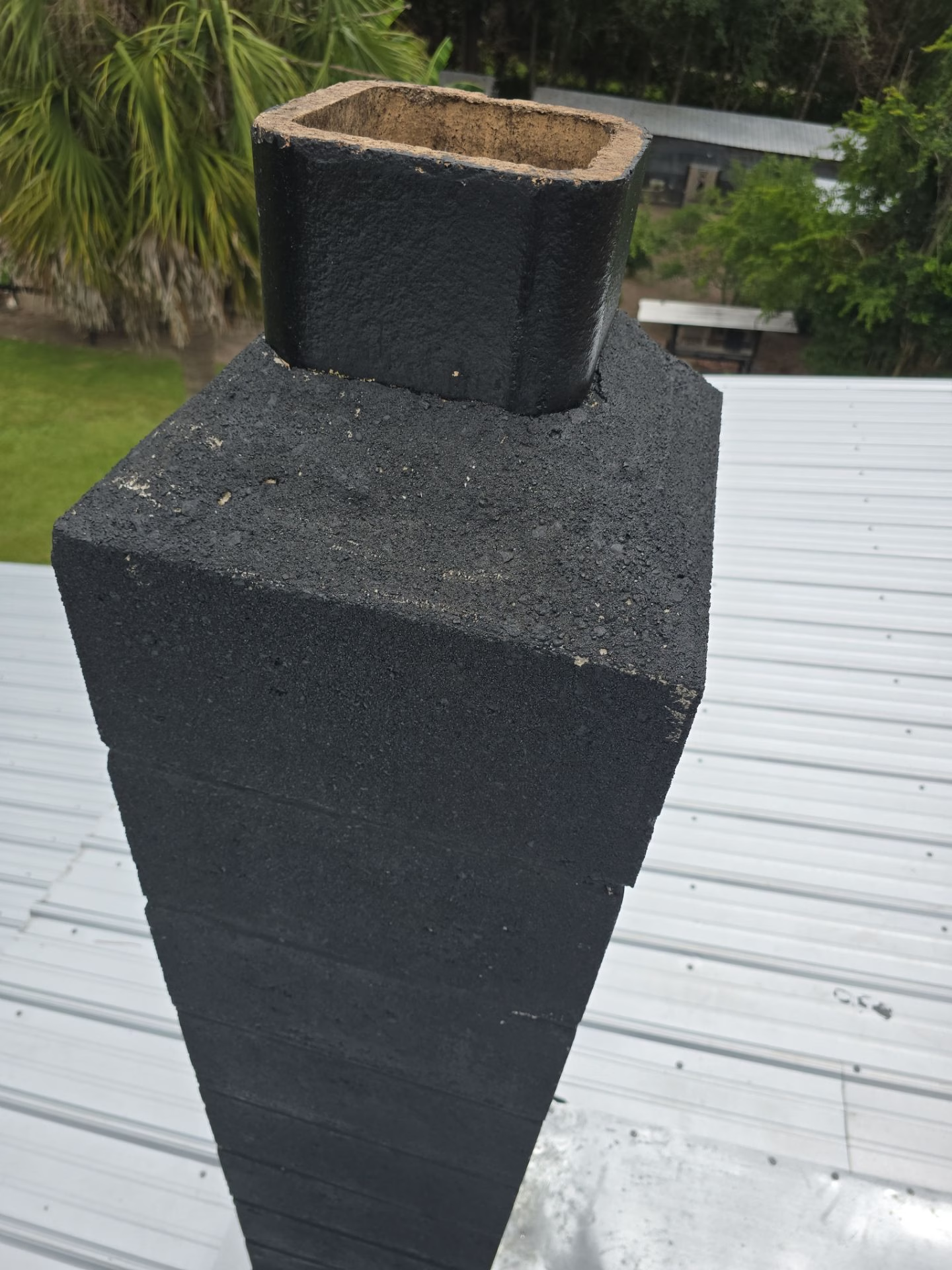
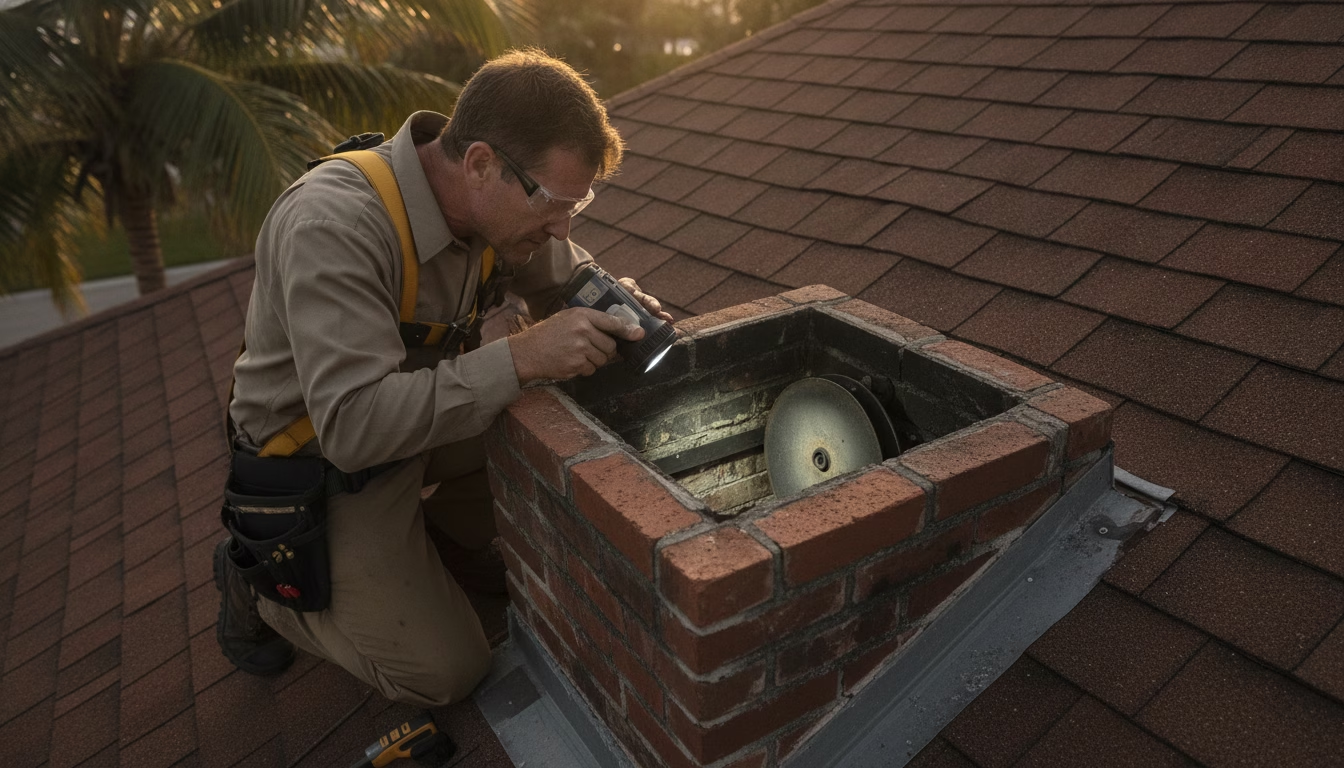
- Visual inspection of the firebox, damper, smoke chamber, and crown.
- Camera scan of the flue interior when buildup or cracks are suspected.
- Mechanical brushing to remove creosote and soot from liner walls.
- HEPA-filtered vacuuming to contain dust inside the home.
- Written report noting any repairs needed, such as chimney relining or crown repair.
The CSIA exam guide references the International Residential Code as the technical backbone for how sweeps evaluate chimney safety — it’s not guesswork, it’s a documented standard. In my own experience walking clients through this process, the report step is often the most valuable part; it turns a vague worry into a clear, prioritized to-do list.
💡 Expert Insight: Ask to see the pre- and post-cleaning photos. A transparent technician will show you the difference, not just tell you about it.
How Often to Schedule Chimney Cleaning
Quick Answer: Most homes need chimney cleaning once a year, but frequency depends on how often you burn wood, the fuel type, and chimney condition. Gas and propane systems need less frequent sweeping but still require annual inspection.
Frequency by Fireplace Type
Wood-burning fireplaces used more than three times a week may need mid-season attention in addition to the annual sweep. The EPA’s Burn Wise program recommends regular maintenance alongside burning only seasoned wood to reduce creosote formation and smoke emissions.
| Fireplace/Heater Type | Recommended Cleaning Frequency |
|---|---|
| Wood-burning, heavy use (3+ times/week) | Every 6-9 months |
| Wood-burning, occasional use | Once a year |
| Gas fireplace | Annual inspection, clean as needed |
| Wood stove insert | Once a year, more if creosote-prone |
| Rarely used chimney | Annual inspection minimum |
📊 Data Point: The National Fire Protection Association recommends annual chimney inspections for all types of fuel-burning appliances, regardless of how often they’re used.
Homeowners in Alachua, High Springs, and Wildwood often ask if seasonal humidity changes this schedule. It doesn’t eliminate the need — Florida’s damp air can actually accelerate liner deterioration, making the annual check even more important.
DIY vs Professional Chimney Cleaning
Quick Answer: DIY brushing can remove surface soot but misses structural issues like cracked liners or hidden blockages that only a trained eye and camera inspection catch. Professional service costs more upfront but prevents costlier repairs later.
Comparing the Two Approaches
A homeowner with basic tools can knock loose soot from the firebox, but reaching the full flue safely requires rooftop access, proper brushes, and containment equipment. Missing a cracked crown or damaged liner can mean a small fireplace repair job.
| Factor | DIY Cleaning | Professional Service |
|---|---|---|
| Creosote removal (full flue) | Limited/incomplete | Thorough, top to bottom |
| Structural inspection | Not possible | Camera scan available |
| Safety equipment | Homeowner-supplied | HEPA vacuum, proper harness |
| Documentation | None | Written report with photos |
| Typical cost | Low (tools only) | Moderate, prevents bigger repair costs |
⚠️ Common Mistake: Using an oversized wire brush that scratches a stainless liner. This can shorten the lifespan of an expensive chimney relining job.
Choosing a Certified Chimney Sweep
Quick Answer: Look for CSIA certification, a Florida contractor license, and a written inspection report. These three things separate a thorough sweep from a quick brush-and-go visit.
What Credentials Actually Mean
The Chimney Safety Institute of America trains and tests technicians on code, safety, and best practices before awarding certification — it’s not a rubber stamp. Always Fire & Gas technicians carry CSIA credentials including Certified Master Chimney Technician #34 and Certified Chimney Reliner #94, alongside Florida Contractor License #CRC1333200. The Florida DBPR maintains public license verification if you want to confirm any contractor’s standing before hiring.
Our team serves homeowners across Gainesville, Ocala, and greater Alachua County, handling everything from routine chimney sweeping to leaky chimney repair when an inspection turns up moisture damage.

💡 Expert Insight: A caveat worth noting — not every chimney issue is fixable with a sweep alone. If your inspection reveals a cracked crown or deteriorated liner, cleaning is just step one; repair comes next.
FAQ
How much does chimney cleaning cost in Gainesville FL?
Costs vary based on chimney height, buildup severity, and whether a camera inspection is needed, so an accurate quote requires a look at your specific system. Most standard sweeps for a single-flue residential fireplace fall within a typical regional range; ask for a written estimate before work begins.
How do I know if my chimney needs cleaning?
Common signs include a persistent smoky smell, visible soot flakes in the firebox, smoke entering the room instead of drafting out, and a damper that sticks. If it’s been over a year since your last inspection, it’s time to schedule one regardless of visible symptoms.
Is chimney cleaning near me available for gas fireplaces too?
Yes, gas fireplaces still need annual inspection even though they produce less creosote than wood-burning units. Soot, spider webs, and venting obstructions can still affect performance and safety.
How often should chimney cleaning happen for a rarely used fireplace?
Even a chimney used only a handful of times per year should be inspected annually, per NFPA standards. Unused flues can develop blockages from nesting animals or debris that aren’t related to burn frequency at all.
Do I need chimney cleaning in Ocala FL or just Gainesville?
Both areas need the same annual maintenance schedule; chimney condition depends more on usage and age than on which city you’re in. We serve homeowners throughout Ocala, Gainesville, Alachua, Dunnellon, and High Springs on the same standards.
Can a dirty chimney cause carbon monoxide problems?
Yes, a blocked or heavily sooted flue can force combustion gases, including carbon monoxide, back into the living space instead of venting outside. The CDC considers blocked venting a significant home CO risk factor.
What’s included in a professional chimney cleaning visit?
A standard visit includes a visual inspection, mechanical brushing of the flue, HEPA vacuuming for dust containment, and a written report of findings. Any needed repairs, like crown or damper issues, are noted separately for homeowner approval.
Final Thoughts
Chimney cleaning Gainesville FL homeowners schedule each year is one of the simplest ways to prevent fires and carbon monoxide risk while protecting a long-term home investment. Between creosote buildup, aging masonry, and Florida’s humid climate, an annual inspection catches small problems before they become expensive ones. As of 2026, the standards set by CSIA and NFPA remain the clearest benchmark for what “safe” actually looks like.
- Check when your chimney was last swept or inspected.
- Note any warning signs — smoke smell, poor draft, visible soot.
- Schedule a professional inspection before your next fire.
- Ask your technician for a written report and photos.
- Address any repair recommendations promptly.
Always Fire & Gas is a licensed Florida contractor (CRC1333200) with CSIA-certified technicians serving Gainesville, Ocala, Alachua, and surrounding communities. Contact us today to schedule your chimney cleaning and breathe easier this season.