Expert Dryer Vent Line Installation for Central Florida Homes (2026)
Dryer vent line installation is the process of running smooth, rigid metal ductwork from your dryer to an exterior termination point so hot, lint-filled air escapes safely. Done wrong, it becomes one of the most preventable fire hazards in a house. Done right, it protects your family, shortens drying time, and satisfies Florida mechanical code.
Most homeowners never think about this system until a dryer takes three cycles to dry a towel, or a home inspector flags a crushed duct during a sale. In Central Florida’s humid climate, a poorly routed or leaky exhaust path also dumps moisture into attics and crawlspaces, inviting mold. This guide covers what a proper installation looks like, where the exhaust should terminate, roof cap options, repair versus replacement decisions, and realistic costs — so you know what to expect before hiring anyone.
📌 Key Takeaways
- Rigid metal duct outperforms flexible foil or plastic for any dryer vent line installation.
- Florida code requires exterior termination with a backdraft damper — never into an attic or garage.
- A failing roof dryer vent cap invites rain, pests, and lint buildup into the exhaust path.
- Long or bent runs often need a reroute or extra airflow support to dry clothes efficiently.
- Annual cleaning is the cheapest insurance against a lint-fed exhaust fire.
Jump to a Section
- Vent Line Installation Basics
- Choosing the Right Termination Location
- Roof Cap Installation and Replacement
- DIY vs Professional Installation
- Repair, Cleaning, and Maintenance
- What It Costs in Central Florida
- FAQ
Vent Line Installation Basics
Quick Answer: A correct installation uses smooth rigid metal duct, the shortest practical straight run, and a code-compliant exterior termination with a damper. Anything less shortens appliance life and raises fire risk.
How the Exhaust System Works
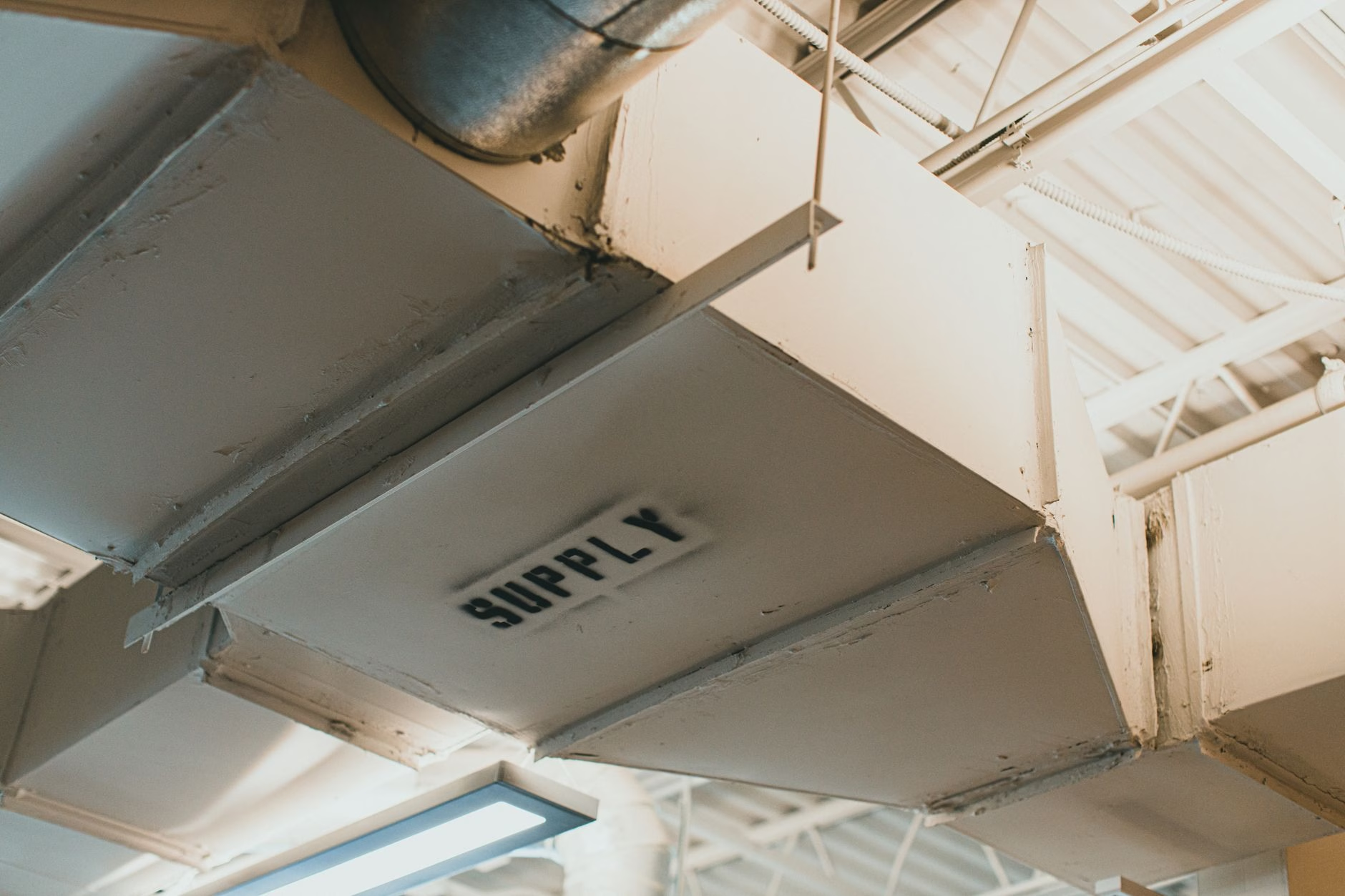
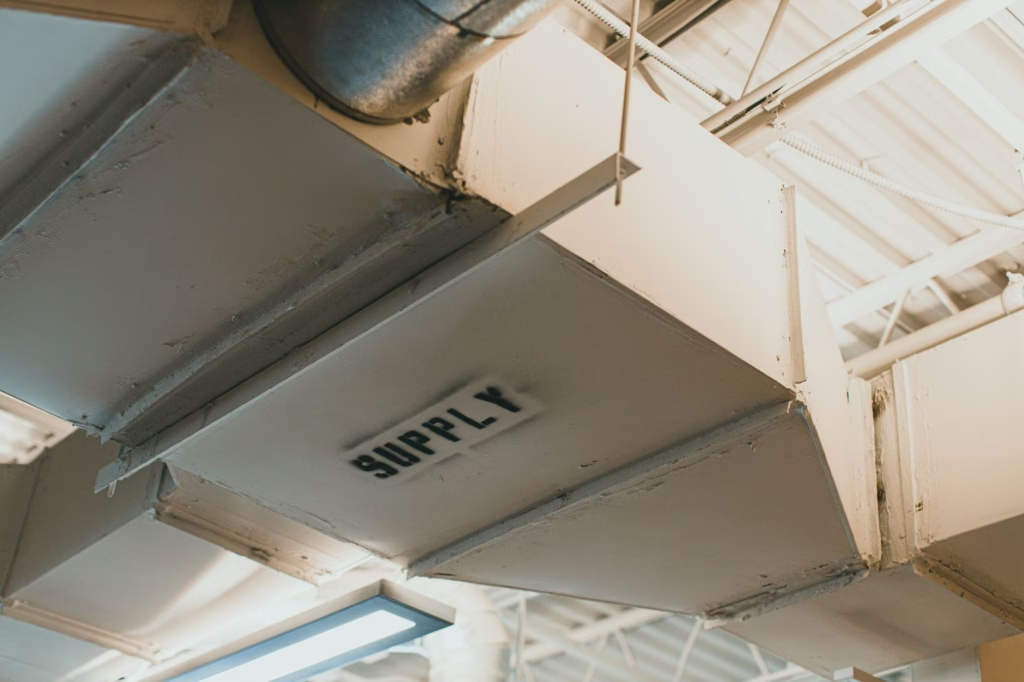
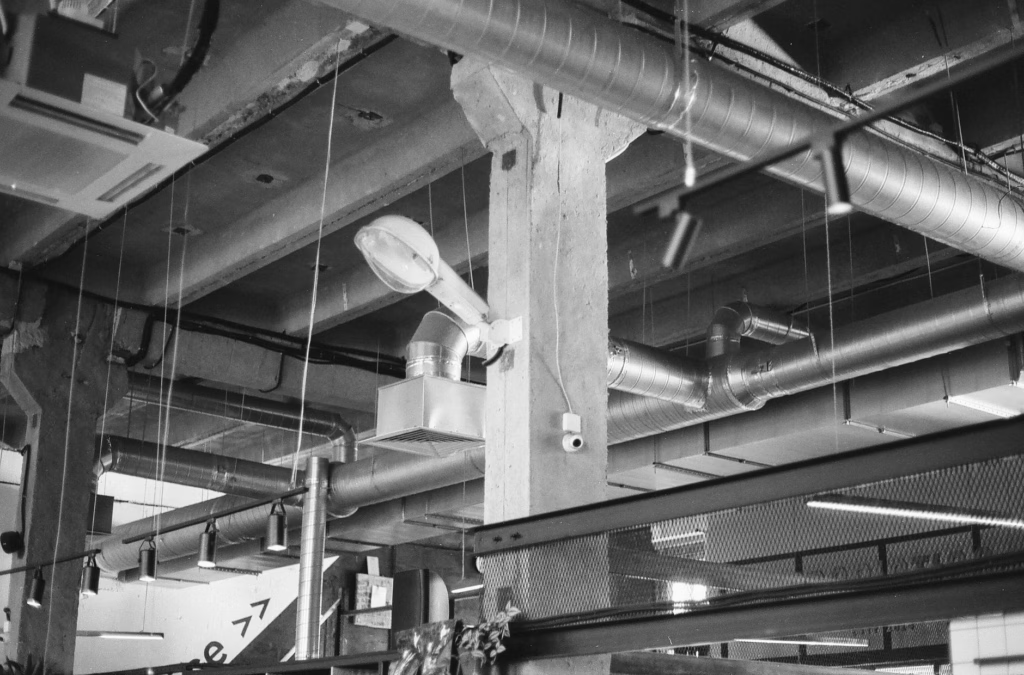
A clothes dryer pushes hot, moist air loaded with lint through ductwork to the outdoors. That exhaust duct needs smooth interior walls so lint doesn’t snag and build up over time. Every 90-degree elbow or extra foot of flexible tubing adds resistance, forcing the motor to work harder.
Our technicians size the duct diameter, choose the shortest route to an exterior wall or roof, and confirm the termination hood swings freely. We also check that joints run “shingle style,” meaning each section overlaps in the direction of airflow so lint can’t catch on a lip.
Fire Risk and Code Compliance
According to the U.S. Consumer Product Safety Commission, clogged or poorly installed exhaust ducts are a leading cause of home clothes dryer fires nationwide. Florida’s mechanical code addresses this directly in the Florida Building Code – Mechanical, Chapter 5 Exhaust Systems, which spells out material, length, and termination requirements statewide.
⚠️ Common Mistake: Venting into an attic, crawlspace, or garage to avoid cutting an exterior wall. This traps moisture and lint indoors and violates code.
Choosing the Right Termination Location
Quick Answer: The best exhaust path is the shortest, straightest route to an exterior wall near the laundry room. When that’s not possible, a roof exit or a reroute is the next best option.
Wall Termination vs Roof Termination
Wall termination is usually cheaper and easier to inspect because the hood sits at eye level and can be cleaned from the ground. Roof termination becomes necessary in homes with an interior laundry closet or a slab that blocks a direct exterior run. Either option needs a damper to stop cold air or pests from pushing back into the house.
We install both wall termination systems and roof exits, matching the layout of the home rather than forcing one method everywhere. Older homes around Gainesville, High Springs, and Alachua often have laundry rooms buried mid-house, which usually calls for a reroute or a roof exit instead of a straight wall path.
Reroutes for Tricky Floor Plans
A reroute means abandoning a bad existing path — say, one that snakes through three walls and two elbows — and cutting a new, shorter route. This is common work across Ocala and Belleview, where additions and renovations left the original ductwork buried behind cabinetry.
💡 Expert Insight: As a Certified Dryer Exhaust Technician (CSIA #1149), I’ve found that most “weak airflow” service calls trace back to duct length, not a broken appliance. A reroute often fixes drying time faster than a new dryer would.
If your current setup snakes through the attic with multiple bends, a dedicated dryer vent line installation project to reroute the run is usually more cost-effective long term than repeated patch repairs.
Roof Cap Installation and Replacement
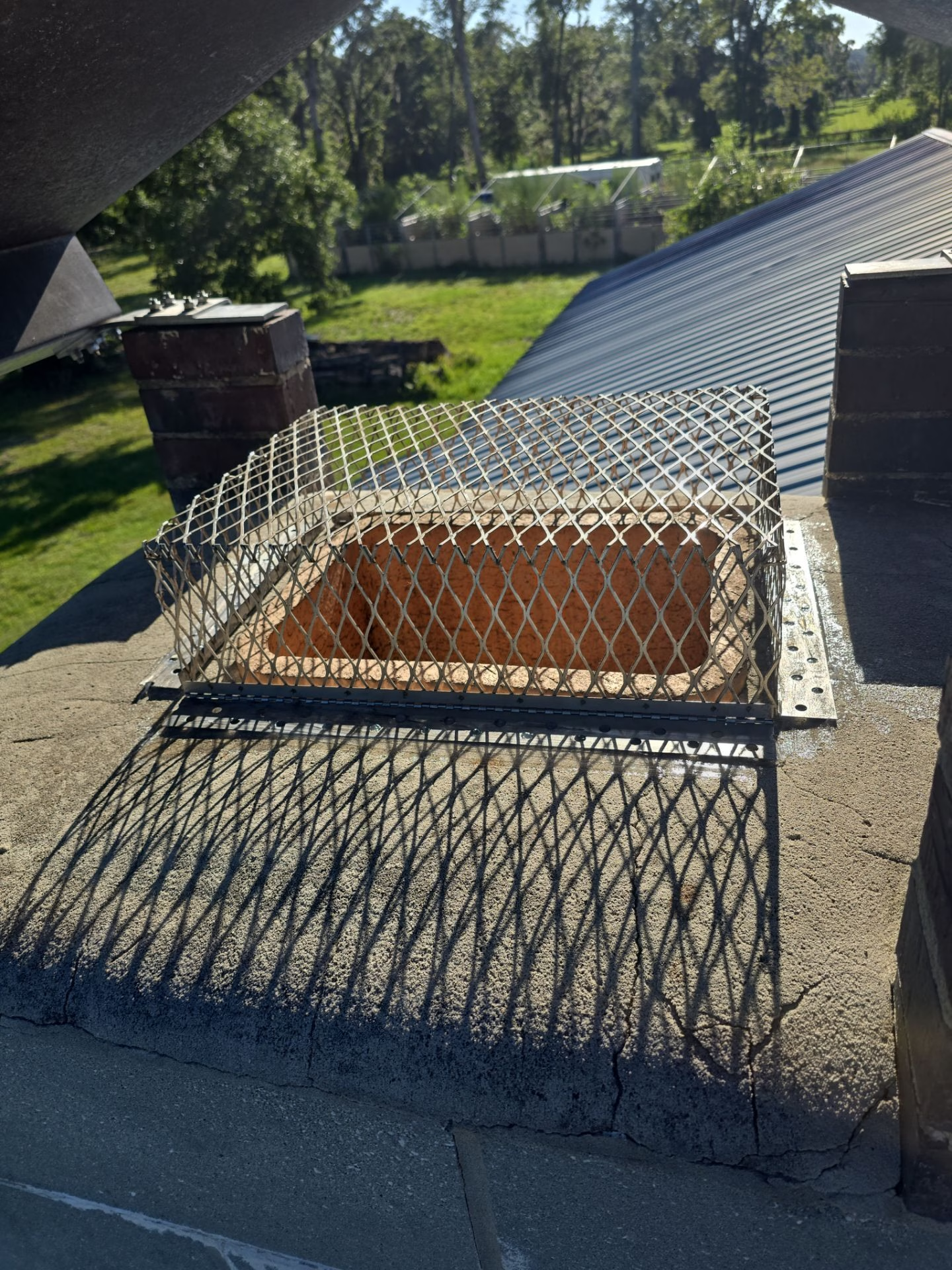
Quick Answer: A roof cap keeps rain, birds, and debris out while letting exhaust escape freely. Cracked, rusted, or flapper-stuck caps need prompt attention to avoid leaks and blockages.
Signs You Need a Cap Replacement
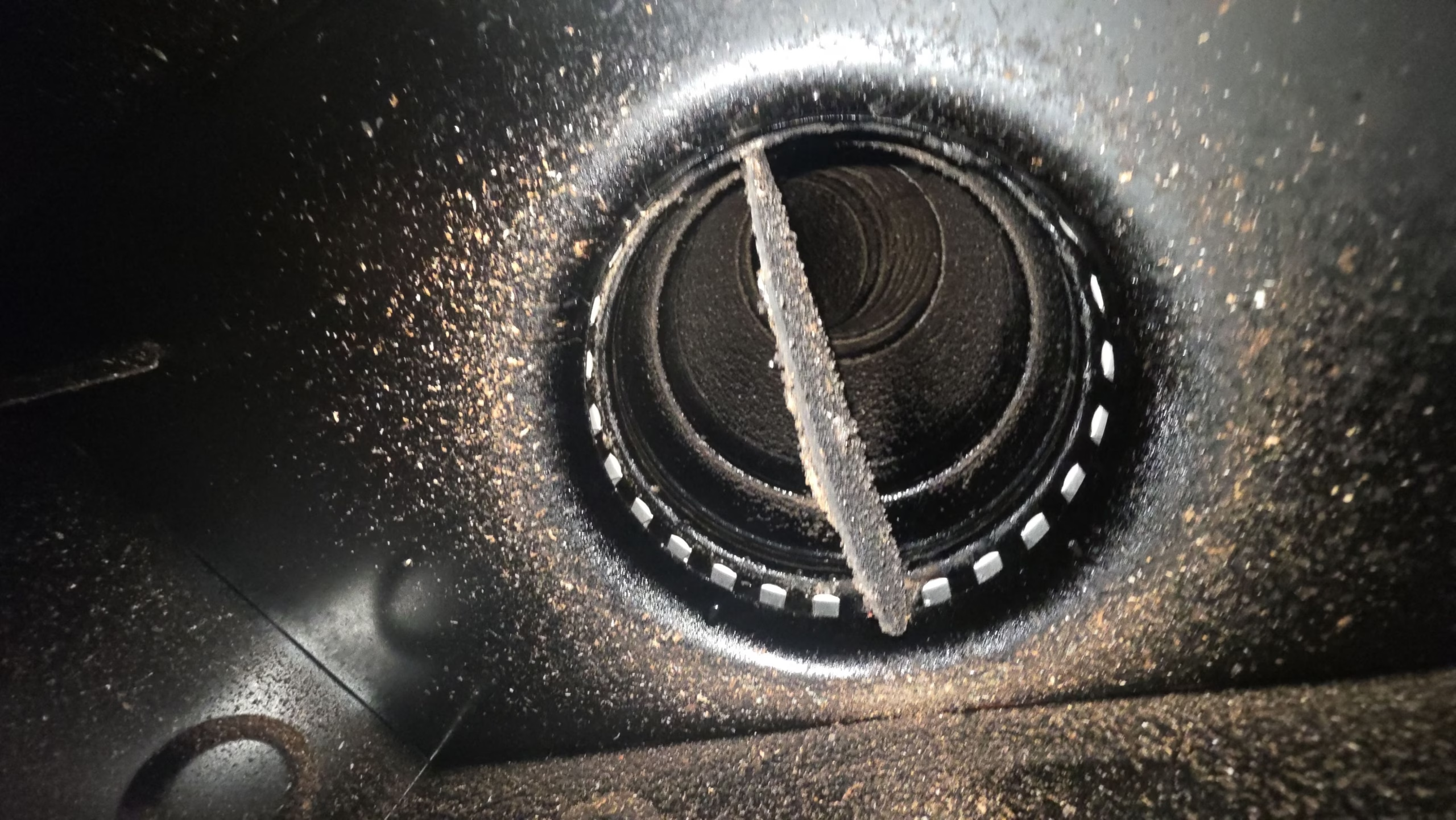
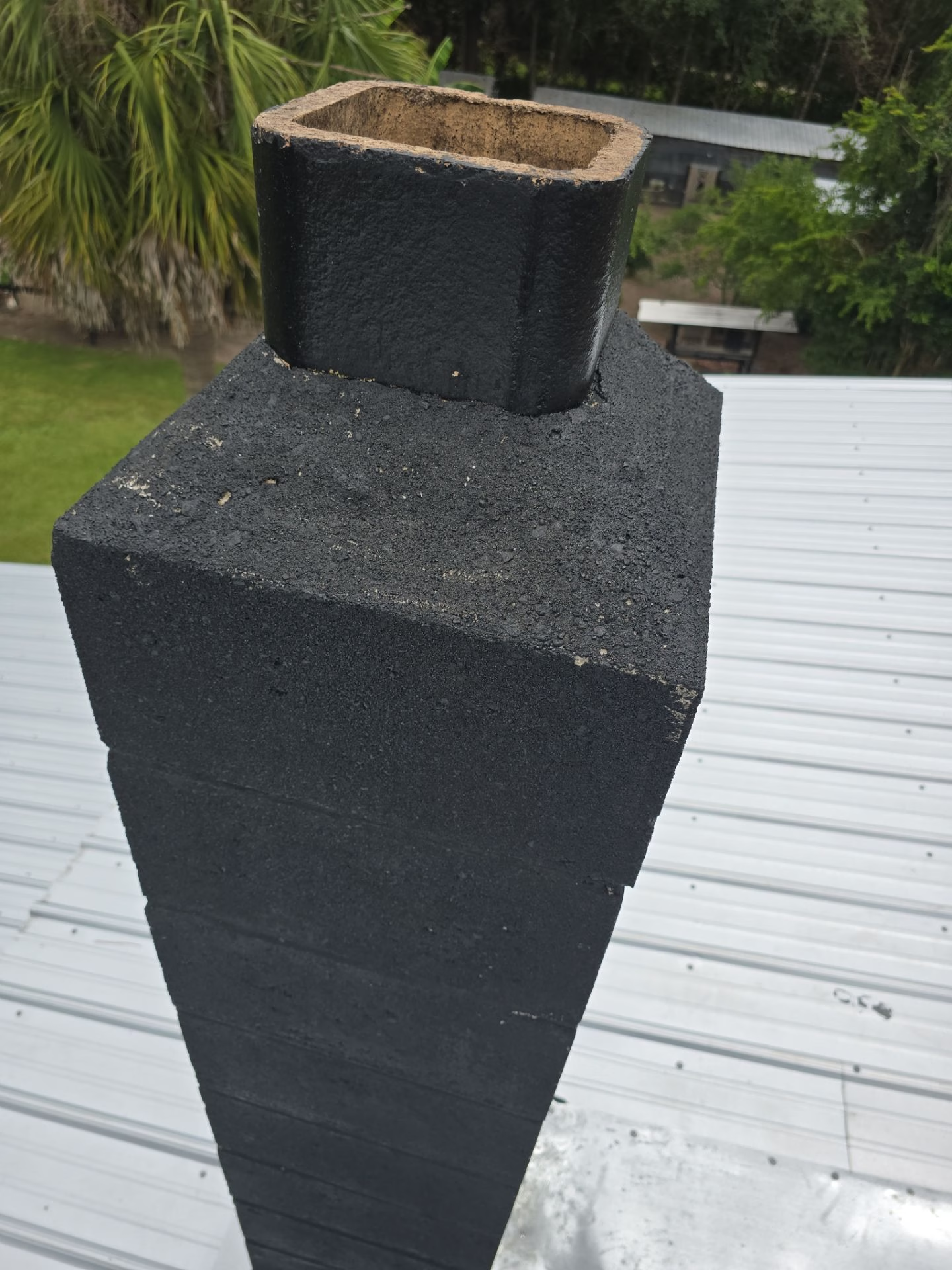
Watch for a damper flap that won’t close, rust streaks on the roofing below the cap, or a musty smell in the laundry room after rain. Any of these point to a failing cap letting water intrude around the flashing.
| Symptom | Likely Cause | Recommended Action |
|---|---|---|
| Flapper stuck open | Lint buildup or broken hinge | Clean or replace cap |
| Rust stains on roof | Cracked cap seal, water intrusion | Roof dryer vent cap replacement |
| Slow drying, hot laundry room | Long run or clogged duct | Inspection and possible reroute |
| Musty smell after rain | Failed flashing around cap | Reseal or replace cap and flashing |
| Pest noise in duct | Missing or damaged screen | Cap replacement with pest guard |
📊 Data Point: Industry researchers referencing national fire data note that dryers and washing machines are involved in thousands of home structure fires every year, with lint-related blockages a recurring factor, per NFPA-referenced statistics.
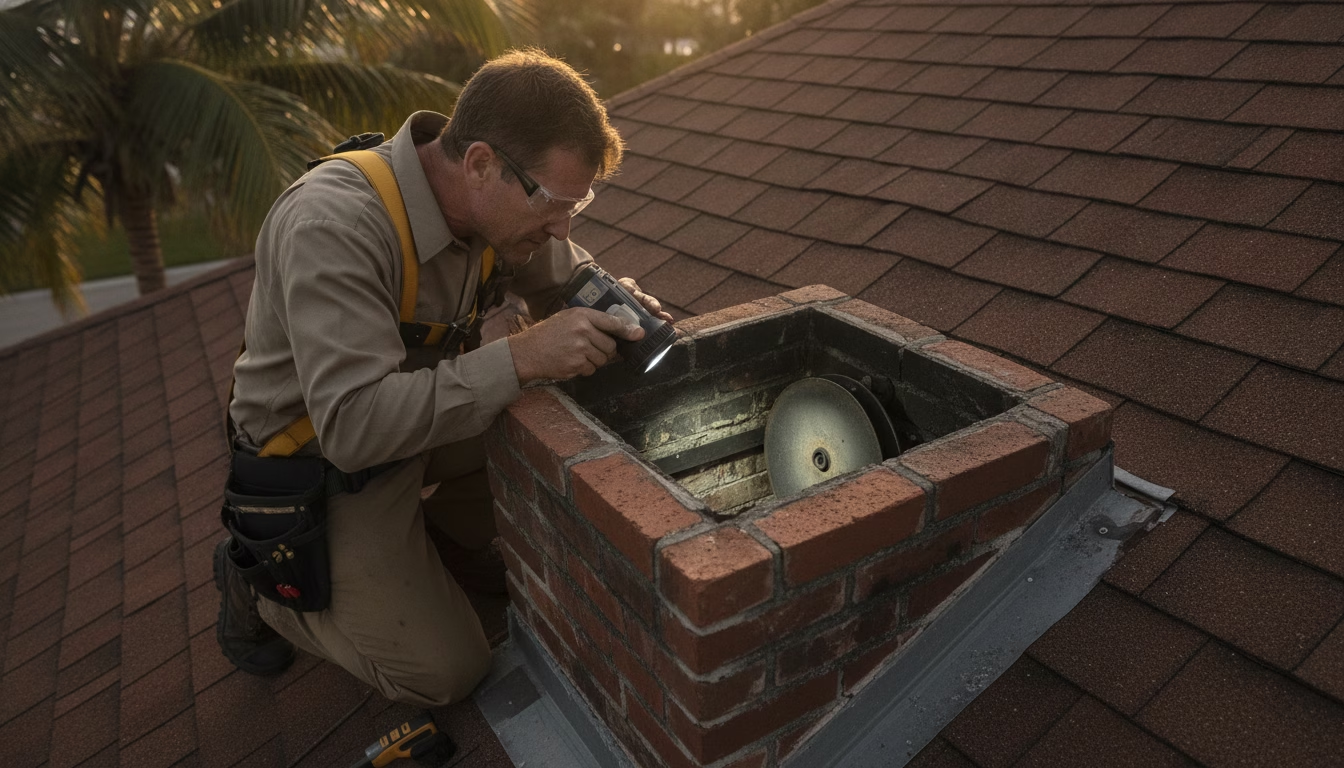
We handle full roof dryer vent cap replacement jobs, matching the flashing to your roofing material so the repair doesn’t create a new leak point.

DIY vs Professional Installation
Quick Answer: Simple duct swaps are DIY-friendly, but anything involving roof penetration, long reroutes, or code compliance is safer left to a licensed pro.
Weighing the Trade-Offs
A confident homeowner can usually replace a short, accessible duct section with rigid metal pipe and clamps. Roof work, wall cutting, and multi-story reroutes carry fall risk, flashing complexity, and code implications that go beyond a weekend project.
| Task | DIY Feasible? | Why |
|---|---|---|
| Swap flexible duct for rigid, same run | Yes | Low risk, simple tools |
| Clean lint from accessible duct | Yes | No structural work |
| Cut new wall termination | Not recommended | Requires framing, flashing, code knowledge |
| Roof termination or cap replacement | No | Fall risk, roofing warranty concerns |
| Full rerouting through walls | No | Requires attic access, airflow calculations |
✅ Quick Tip: If your duct run is longer than 25 feet or has more than two elbows, get a professional airflow check before assuming the appliance itself is the problem.
Our crew holds Florida Contractor License #CRC1333200 and CSIA dryer exhaust certification, so roof and wall work is handled to code the first time — no return trips for a failed inspection.
Repair, Cleaning, and Maintenance
Quick Answer: Most dryer vent repair calls involve crushed duct, disconnected joints, or lint-clogged caps — all preventable with an annual inspection and cleaning.
A Realistic Maintenance Schedule
Lint accumulates even in a correctly installed system, so a yearly check keeps airflow strong and reduces fire risk. The Chimney Safety Institute of America’s homeowner resources recommend annual inspections for venting systems generally, and the same logic applies to a dryer’s exhaust path.
| Interval | Task |
|---|---|
| Every load | Clean the lint trap screen |
| Every 6 months | Check the exterior cap flapper moves freely |
| Annually | Full duct cleaning and joint inspection |
| Every 5-10 years | Evaluate for reroute if drying time has crept up |
We field frequent calls asking who can reroute an exhaust path after a renovation blocked the old route — that’s exactly this kind of project, and it pairs well with a full cleaning while the duct is already open. Homeowners scheduling a dryer vent inspection in The Villages area often discover a cleaning and a minor repair at the same visit.
⚠️ Common Mistake: Using duct tape on exterior joints. Florida heat and humidity break tape down within a season; use foil tape or mechanical fasteners rated for exhaust duct instead.
Regular annual dryer vent cleaning service visits catch small problems — a loose clamp, a sagging section — before they become a full dryer vent repair.
What Does Dryer Vent Line Installation Cost in Central Florida?
Quick Answer: Straightforward wall terminations typically cost less than roof terminations or full reroutes, since roof work adds flashing, ladder access, and code review.
Why Dryer Vent Line Installation Costs Vary
Pricing depends on run length, number of elbows, whether roof work is involved, and the current duct material. A simple flexible-to-rigid swap on an existing wall termination sits at the low end. A full reroute through an attic to a new roof cap, with old duct removal, sits at the higher end.
We provide a written estimate after an on-site inspection so there are no surprises, and we serve homeowners across Gainesville, Ocala, Brooksville, Eustis, and the wider service area with the same transparent pricing approach.
FAQ
How much does dryer vent line installation cost?
Costs vary by run length, material, and whether roof or wall termination is used, with roof work and full reroutes costing more than a simple duct swap. An on-site estimate is the only reliable way to know your exact price.
What is the best vent location for a new laundry room?
The shortest, straightest path to an exterior wall near the appliance is almost always best. When that’s blocked, a roof termination or a dedicated reroute is the next-best option.
How do I know if I need a roof dryer vent cap replacement?
Look for rust stains on the roof below the cap, a flapper that won’t close, or a musty smell after rain. Any of these signals it’s time for a roof cap replacement before water intrusion damages the roof deck.
Can I reroute the exhaust path myself?
Simple duct swaps are manageable for a confident DIYer, but rerouting through walls, attics, or the roof involves framing, flashing, and code compliance best left to a licensed technician. Improper rerouting can trap moisture and raise fire risk.
How often should dryer vent cleaning happen?
Most homes need a full cleaning once a year, though larger households or long duct runs may need it more often. Signs it’s overdue include longer drying times and a burning smell during cycles.
Who do I call to reroute an exhaust duct after a remodel?
A licensed technician experienced in dryer exhaust systems, ideally CSIA-certified, should handle any reroute after a remodel changes your floor plan. Always Fire & Gas performs these reroutes throughout Alachua and Marion County communities.
Is dryer vent repair covered by homeowners insurance?
Routine dryer vent repair is typically considered maintenance and isn’t covered, though fire damage caused by a failed exhaust system may be covered under a homeowner’s policy. Check your specific policy and consider preventive maintenance to avoid the risk altogether.
Final Thoughts
Dryer vent line installation isn’t a glamorous project, but it’s one of the few home systems where doing it right genuinely prevents fires and cuts utility waste. Whether you need a simple wall termination, a roof cap replacement, or a reroute after a renovation, the details — duct material, joint direction, damper function — matter more than most homeowners realize. As of 2026, Florida code continues to tighten expectations around exterior termination and material standards, so older homes are increasingly due for an inspection.
- Locate your current exhaust path and note any bends or long runs.
- Check the exterior cap for rust, stuck flappers, or missing screens.
- Schedule a professional inspection if drying time has increased.
- Ask about a reroute if your laundry room sits far from an exterior wall.
- Set a yearly reminder for a full cleaning.
Always Fire & Gas holds Florida Contractor License #CRC1333200 and CSIA Certified Dryer Exhaust Technician credentials, serving Gainesville, Ocala, Brooksville, Eustis, and surrounding Central Florida communities. Contact our team today to schedule a dryer vent inspection or installation estimate.