Always Fire & Gas

Installed and Serviced by Certified Experts.

Wood Burning Fireplaces in Ocala, Gainesville, Orlando, The Villages and All Surrounding Areas.

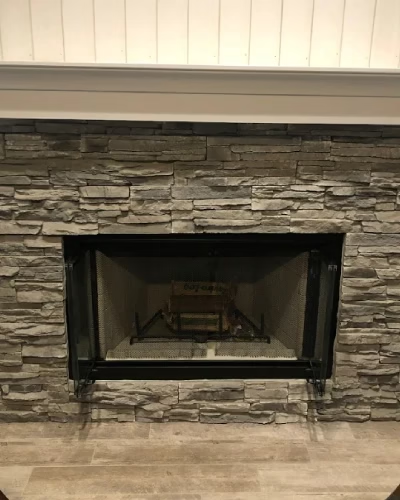
AAS Wood Fireplace

Fireplace Specialists

Masonry and Wood-Framed Fireplace Specialists. CSIA Certified. NFI Certified. Family-Owned Since 1982.

A wood burning fireplace is one of the most enduring features you can add to a Florida home. When it is designed, installed, and maintained by certified professionals, it adds warmth, ambiance, and real value for decades. When it is not, it becomes a source of creosote buildup, carbon monoxide risk, and code violations that most homeowners never see coming.

Always Fire & Gas has been installing, inspecting, and servicing wood burning fireplaces across North Central Florida since 1982. CSIA Certified Chimney Sweep #10020. NFI Certified Fireplace Installer #177069. Florida Licensed Residential Contractor #CRC133200. The certifications to do it right and the license to do it legally.

What Florida Homeowners Get Wrong About Wood Burning Fireplaces

Florida is not a cold climate. That is exactly why wood burning fireplace owners here face hazards that homeowners in northern states catch more quickly.

 In Minnesota, a fireplace gets used 60 nights a winter. The owner notices problems, schedules annual service, and stays current. In Florida, a fireplace might burn 10 to 20 times a year, mostly in December and January. The owner assumes that light use means low risk. That assumption is where the problems start.

Creosote builds with every fire

Even occasional use deposits creosote in the flue. In Florida’s humidity, that creosote can absorb moisture between uses and become sticky, dense, and significantly harder to remove than the dry creosote found in colder climates. It is also more likely to ignite.

Florida homes vent differently

Tighter modern construction, air conditioning systems, and Florida’s humidity create venting conditions that differ from northern climates. Improper draft, downdrafts, and negative pressure problems are more common in Florida homes than most fireplace owners realize. Clearance and liner requirements must account for these conditions.

Masonry fireplaces add measurable home value

In a Florida market where outdoor living and year-round entertaining dominate homebuyer priorities, a properly constructed and maintained masonry fireplace is a genuine differentiator. Real estate professionals across North Central Florida consistently list fireplaces as a positive at showing and appraisal.

Most Florida wood fireplaces are overdue for service

The CSIA recommends annual chimney inspections regardless of how often the fireplace is used. The flue can sustain damage from weather, animals, or deterioration even during seasons when no fires are burned. In Florida, the combination of humidity, heat, and UV exposure accelerates that deterioration faster than most homeowners expect.

The CSIA recommends a chimney inspection at least once per year, even for fireplaces used only occasionally

Always Fire & Gas has been performing CSIA-certified inspections across North Central Florida since 1982. If you cannot remember the last time your fireplace was inspected, that is your answer.

Masonry Fireplace or Wood-Framed System. Always Fire & Gas Builds Both.

The first question for any new wood-burning fireplace project is not which brand or which style. It is which type of construction is right for your home, your budget, and how you plan to use it.

Always Fire & Gas  installs both masonry fireplaces and wood-framed prefabricated systems with equal expertise. Here is what you need to know about each.

FACTOR

MASONRY FIREPLACE

WOOD-FRAMED (PREFAB)

Construction

Brick, mortar, and concrete block built on-site. Permanent structure.

Factory-built firebox in a wood-framed chase. Installed in a day.

Lifespan

75 to 100+ years with proper maintenance. Outlasts the home in many cases.

20 to 30 years. Firebox eventually requires replacement.

Cost

Higher upfront cost. Long-term value is exceptional.

Lower upfront cost. Replacement costs are a future consideration.

Heat output

Radiates heat from thermal mass long after the fire dies.

Efficient burn, but less residual heat storage.

FACTOR

MASONRY FIREPLACE

WOOD-FRAMED (PREFAB)

Construction

Brick, mortar, and concrete block built on-site. Permanent structure.

Factory-built firebox in a wood-framed chase. Installed in a day.

Home value impact

Significant. Masonry fireplaces are a premium feature at appraisal.

Positive, but less than a full masonry build.

Installation timeline

Multi-day or multi-week project depending on scope.

Typically one to two days.

Repair and service

Individual components (firebox, liner, damper) are serviceable and replaceable.

Firebox unit must be replaced as a whole when the refractory panels fail.

Best for

New construction, major renovation, or homeowners building for the long term.

Budget-conscious installation, existing home retrofit, or rental property.

Factor

Construction

Lifespan

cost

heat output

masonry fireplace

Brick, mortar, and concrete block built on-site. Permanent structure.

75 to 100+ years with proper maintenance. Outlasts the home in many cases.

Higher upfront cost. Long-term value is exceptional.

Radiates heat from thermal mass long after the fire dies.

wood-framed (prefab)

Factory-built firebox in a wood-framed chase. Installed in a day.

20 to 30 years. Firebox eventually requires replacement.

Lower upfront cost. Replacement costs are a future consideration.

Efficient burn, but less residual heat storage.

Not sure which is right for your home? That is exactly what a consultation is for. Call or text (352) 282-0158 and Joshua’s team will give you a straight answer based on your space, your budget, and how you plan to use it.

Every Wood Burning Fireplace Service, Under One Certified Roof

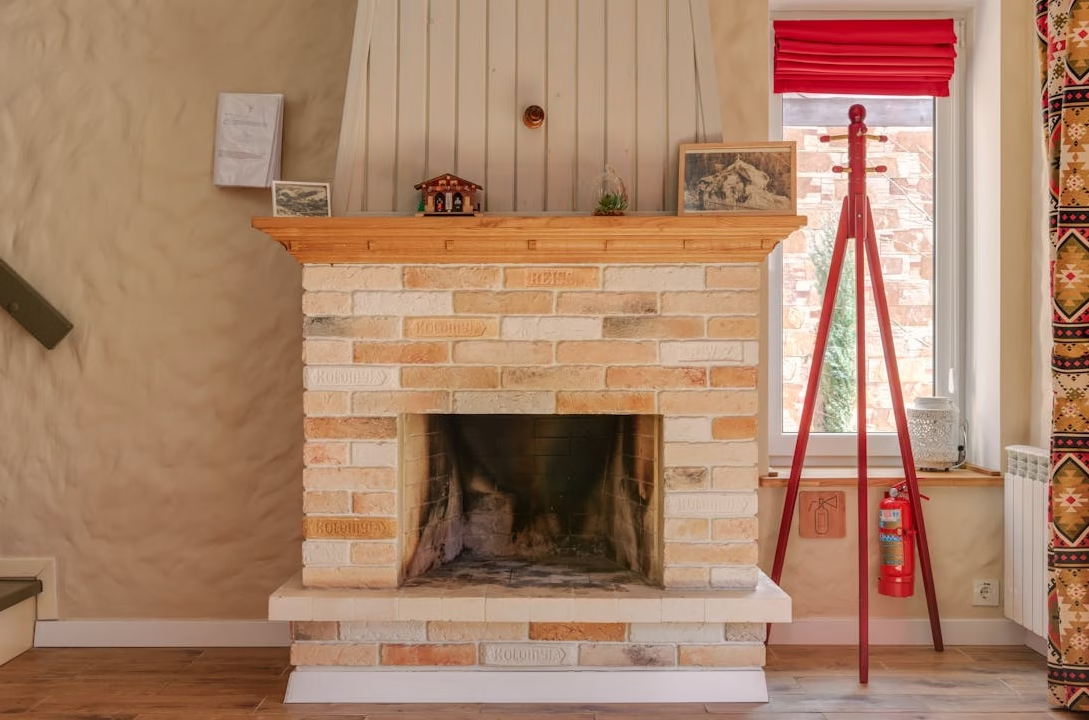
Mansory Fireplace

New Masonry Fireplace Construction

Always Fire & Gas designs and builds new masonry wood-burning fireplaces from foundation to crown, including firebox, smoke chamber, damper, liner, and exterior chimney. Every masonry build is constructed under Florida Residential Contractor License #CRC133200, properly permitted, and built to NFPA 211 standards. If you are building a new home or undertaking a major renovation in Marion, Alachua, Lake, Sumter, Citrus, Putnam, Hernando, Orange, Volusia Counties and all surrounding areas, this is the fireplace that will still be serving your family in 75 years.
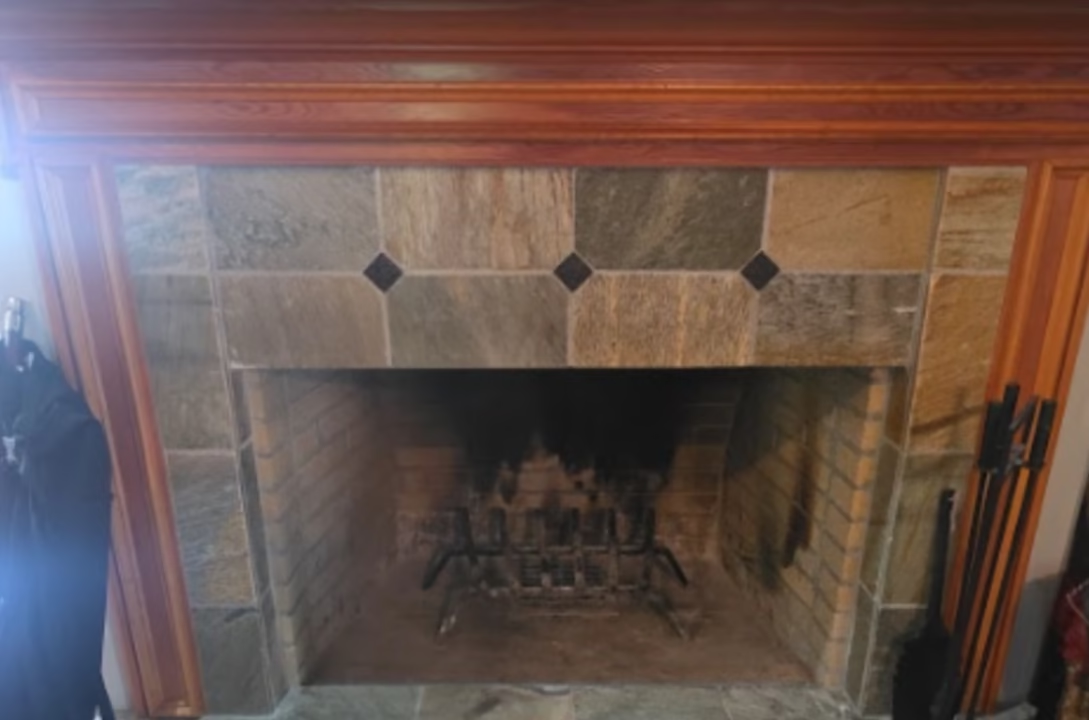
wood burning fireplace box

Wood-Framed (Prefabricated) Fireplace Installation

Factory-built wood-burning fireplaces offer a faster installation path and a lower upfront cost than full masonry construction. Always Fire & Gas installs prefabricated wood-burning fireplace systems from leading manufacturers including Majestic, Regency, and Quadra-Fire. Every installation is completed by an NFI Certified Fireplace Installer (#177069) to manufacturer specifications and Florida building code requirements.
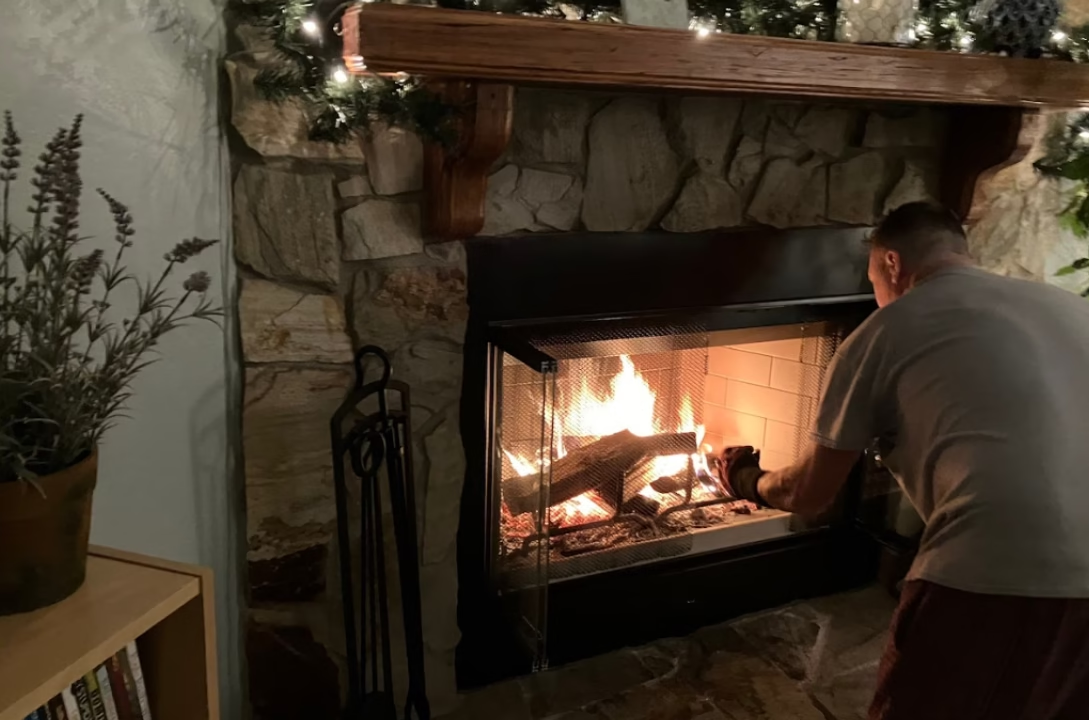
AAS Fireplace Insert

Fireplace Inserts

A fireplace insert converts an existing open masonry or prefab fireplace into a high-efficiency, sealed wood-burning system. Inserts dramatically improve heat output, reduce drafting problems, and cut the amount of wood required to heat a room. Always Fire & Gas installs wood-burning fireplace inserts with properly fitted liners, ensuring the system is safe, efficient, and code-compliant from day one.
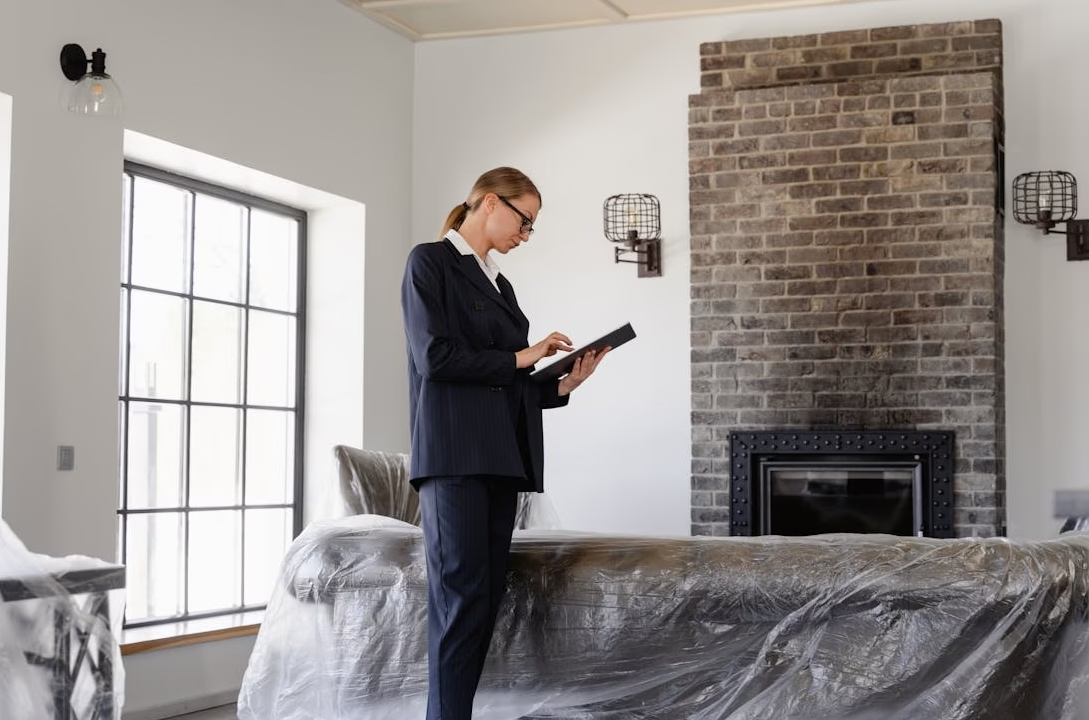
Fireplace Inspection

Fireplace Inspection and Annual Service

The CSIA recommends a Level 1 chimney inspection every year, regardless of how often the fireplace was used. Always Fire & Gas performs CSIA-certified Level 1, Level 2, and Level 3 inspections for wood-burning fireplace systems across Marion, Alachua, Lake, Sumter, Citrus, Putnam, Hernando, Orange, Volusia Counties and all surrounding areas. Inspections include the firebox, smoke chamber, damper, flue liner, and exterior chimney. Before-and-after photo documentation is provided with every inspection.
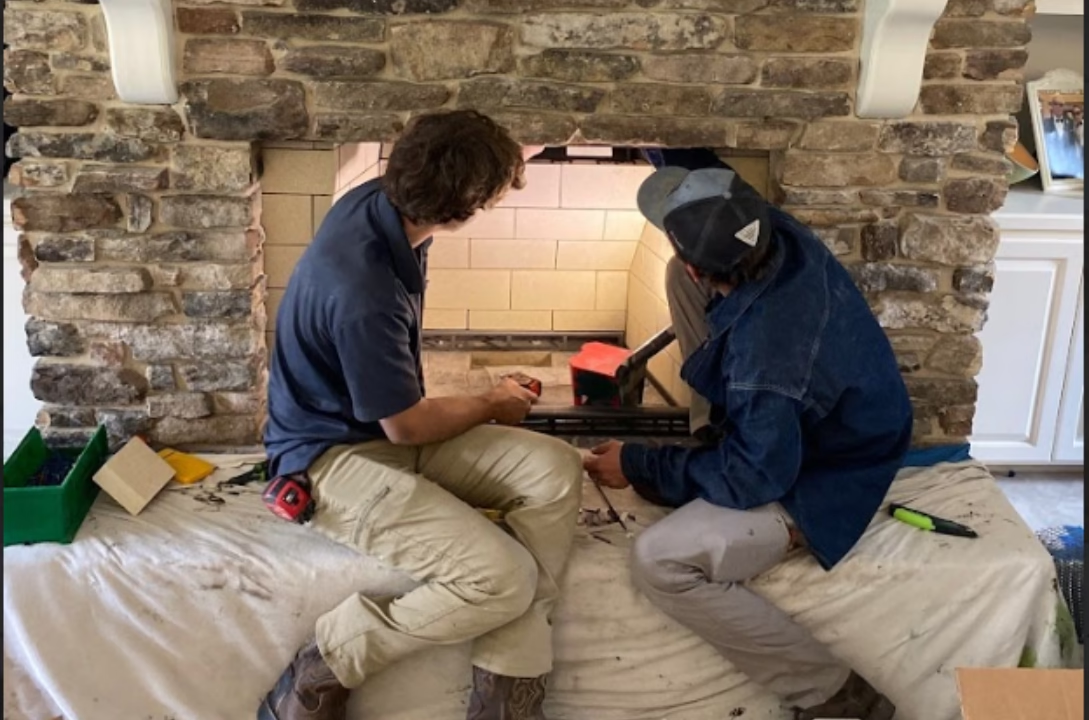
Firebox Repair

Firebox Repair and Rebuilding

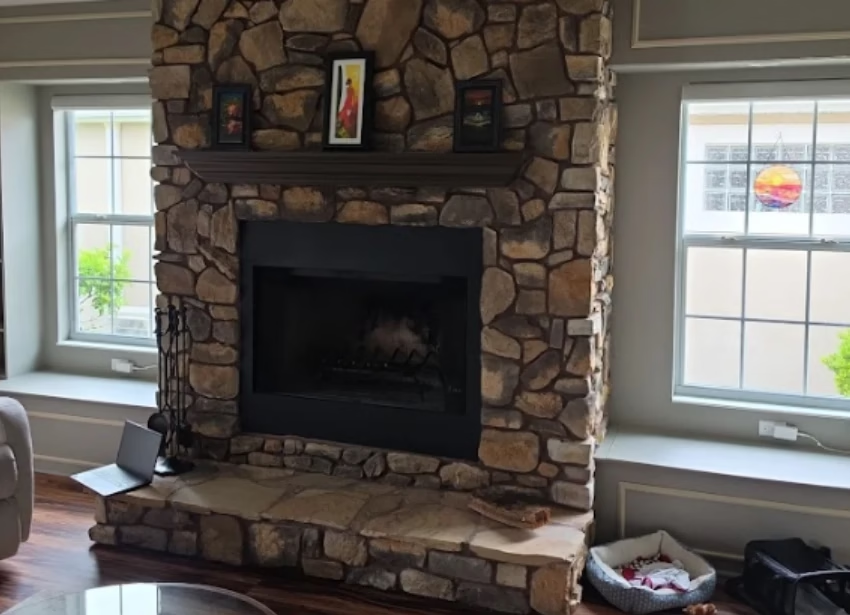
The firebox is the chamber that contains the fire. Over years of use, the refractory panels or mortar joints that line the firebox deteriorate, crack, and eventually fail. A compromised firebox is a carbon monoxide and chimney fire risk. Always Fire & Gas repairs and rebuilds fireboxes in both masonry and prefabricated systems, using materials rated for direct fireplace contact and restoring the structural integrity of the system.
Damper Repair and Replacement

Damper Repair and Replacement

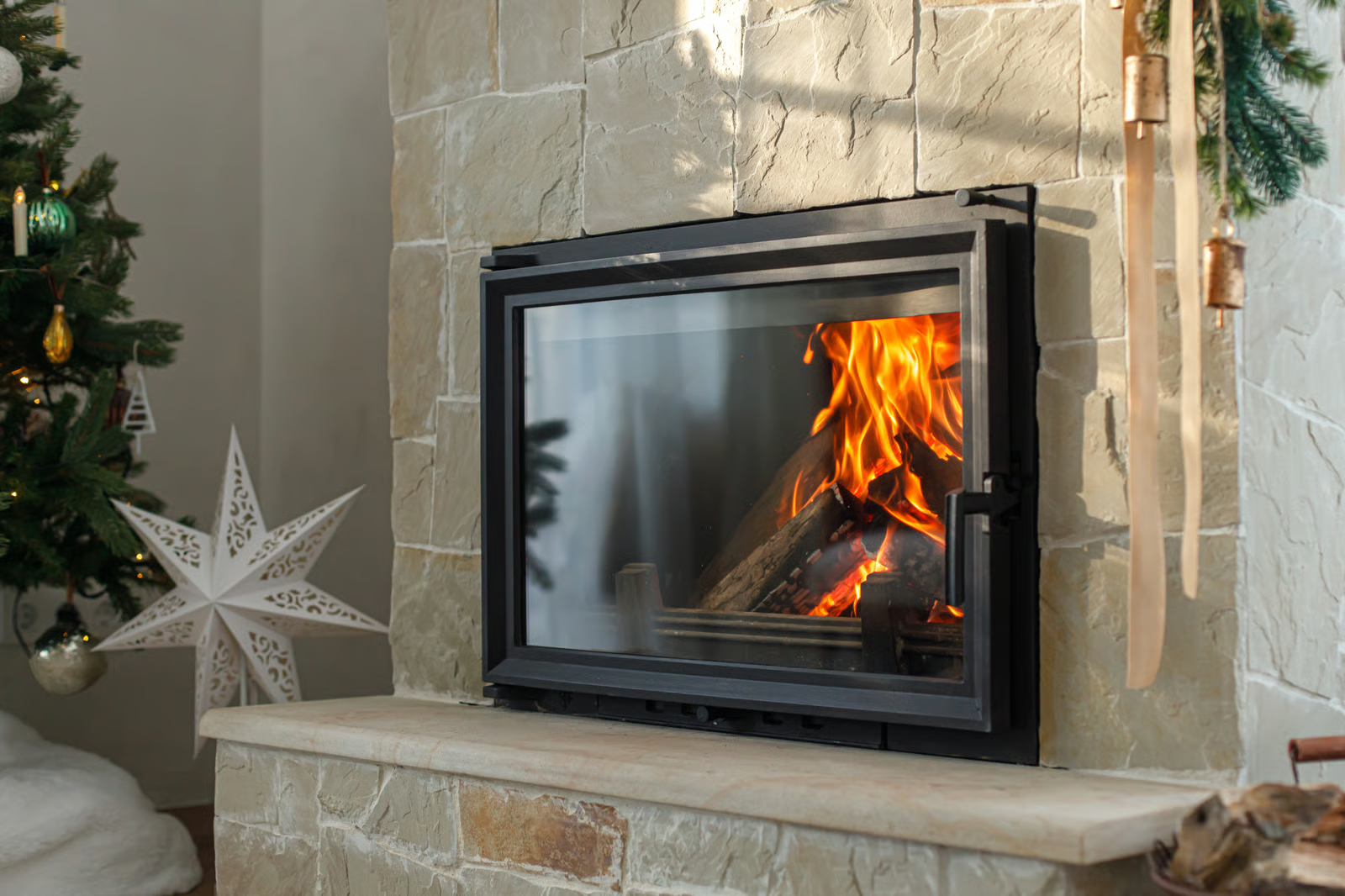
The damper controls airflow, draft, and heat loss when the fireplace is not in use. A stuck, warped, or missing damper causes smoke problems, drafting failures, and significant energy loss through the chimney. Always Fire & Gas repairs and replaces throat dampers and top-mount damper systems on both masonry and prefab wood-burning fireplaces, restoring proper draft and sealing performance.

Chimney Liner Installation for Wood-Burning Systems

A properly sized and intact flue liner is the most important safety component of a wood-burning fireplace system. It contains combustion gases, protects the chimney structure from heat and corrosive byproducts, and channels carbon monoxide safely out of the home. Always Fire & Gas installs stainless steel liner systems for wood-burning applications, sized to the specific appliance and venting requirements of each installation, and meets NFPA 211 and Florida building code standards.

E10 AD7UN

Fireplace Conversions:
Wood to Gas

Some homeowners reach a point where the convenience of gas outweighs the ritual of wood. Always Fire & Gas performs wood-to-gas fireplace conversions, installing gas log sets, gas inserts, or full gas fireplace systems into existing wood-burning masonry or prefab fireplaces. As a Florida Licensed Gas Contractor (#LI45277), Always Fire & Gas is one of the only companies in North Central Florida legally authorized to complete the gas connection and inspection as part of the same job.

Wood-Burning Fireplace Brands Always Fire & Gas Installs and Services

Always Fire & Gas installs and services wood-burning fireplace products from the industry’s leading manufacturers. Our NFI-certified installers are trained to work with these systems to manufacturer specifications, ensuring your warranty remains valid and your installation is done right.

Majestic

Majestic Fireplaces

One of the most recognized names in North American hearth products. Majestic offers a broad range of wood-burning fireplaces and inserts for both new construction and retrofit applications. Known for consistent quality, wide product availability, and strong installer support.
Acucraft

Acucraft Fireplaces

Acucraft specializes in custom and semi-custom wood-burning fireplaces for homeowners who want a truly distinctive installation. Built to order, engineered for specific architectural applications, and manufactured to exacting standards. For the client who wants something no one else in the neighborhood has.

Copperfield

Ventis (by SBI / Copperfield Chimney Supply)

Ventis is a professional-channel brand manufactured by SBI (Stove Builder International) and distributed through Copperfield Chimney Supply. A trusted choice among certified installers for wood-burning inserts and freestanding stoves. Product information and specifications available through Copperfield at 800-247-3305.
Quadra Fire

Quadra-Fire (Forge & Flame)

Quadra-Fire is known for its patented Four-Point Burn System, which produces a more complete and efficient burn than conventional wood-burning designs. An excellent choice for homeowners who want higher heat output and lower wood consumption from a wood-burning insert or stove.
Vermont

Vermont Castings (Forge & Flame)

Vermont Castings produces some of the most enduring and aesthetically refined wood-burning stoves and fireplace systems in the industry. Cast-iron construction, traditional design, and exceptional heat retention make Vermont Castings a premium choice for homeowners who want a wood-burning system that is also a centerpiece of the room.
Regency

Regency Fireplace Products

Regency offers a comprehensive lineup of wood-burning fireplaces, inserts, and freestanding stoves with a reputation for quality construction and efficient performance. Their wood-burning inserts are a popular choice for homeowners converting underperforming open fireplaces into high-output heating systems.
Blaze King

Blaze King

Blaze King builds some of the highest-efficiency wood stoves available in North America. Their catalytic combustor technology extracts significantly more heat from each load of wood than conventional stoves. For the homeowner who wants maximum heating performance and minimum wood consumption, Blaze King is the benchmark.


Creosote Does Not Care How Rarely You Use Your Florida Fireplace

Creosote is the combustion byproduct that deposits on the inner walls of your flue every time you burn wood. It is flammable, it is cumulative, and it is the primary cause of chimney fires in the United States.

 In Florida, the risk is compounded by two factors that most wood fireplace owners in this state do not know about.

humidity

Florida’s Humidity Makes Creosote Worse

Creosote in dry climates tends to be a powdery or flaky deposit that is relatively straightforward to remove. In Florida’s humidity, creosote absorbs ambient moisture between uses and can transform into a dense, sticky, tar-like substance called third-degree creosote. This form is significantly harder to remove, significantly more flammable, and significantly more likely to ignite in a chimney fire. A flue that had a manageable creosote deposit in October can have a serious hazard by December if the fireplace sat unused through Florida’s summer and fall.

humidity

Ten Fires a Year Is Not Enough to Justify Skipping an Inspection

The most common misconception Always Fire & Gas encounters among Florida wood fireplace owners is: ‘We barely use it, so we figure it doesn’t need much attention.’ The opposite is often true. Infrequent use means the fire burns cooler, which produces more creosote per fire than a hot, well-established fire does. It also means the chimney goes most of the year without anyone looking at it, while Florida’s heat, humidity, UV exposure, and wildlife can quietly degrade the liner, damper, and crown in ways that are not visible from the living room.

Three Degrees of Creosote

Always Fire & Gas CSIA-certified technicians identify and address all three degrees as part of every inspection and cleaning.

The ZERO Mess Guarantee. In Writing.

Fireplace cleaning and inspection involves soot, ash, and creosote. How it is handled inside your home is entirely within the technician’s control. Always Fire & Gas has a single standard for every job.

Wood Fireplace Zero Mess

Before we start:

During the job:

When we leave:

If we leave a mess, we come back and fix it. That’s not a policy. It has never come up.

Serving Wood Fireplace Owners Across North Central Florida

Always Fire & Gas provides wood-burning fireplace installation, inspection, repair, and service across Marion, Alachua, Lake, Sumter, Citrus, Putnam, Hernando, Orange, Volusia Counties and all surrounding areas. With a team of more than 20 certified professionals, we serve the entire region without the long lead times of a smaller operation.

Wood Burning Fireplace Questions from North Central Florida Homeowners

The Chimney Safety Institute of America (CSIA) recommends a chimney inspection at least once per year for all wood-burning fireplace systems, regardless of how frequently the fireplace is used. In Florida, annual inspection is especially important because humidity accelerates creosote transformation and heat, UV exposure, and wildlife can damage the flue liner and chimney crown during months when the fireplace is not in use. Always Fire & Gas performs CSIA-certified Level 1, 2, and 3 inspections across North Central Florida.

Yes. Infrequent use does not eliminate creosote risk in a wood-burning fireplace; it can actually increase it. Cooler, shorter fires produce more creosote per fire than long, hot fires. In Florida, the humidity between uses causes creosote to absorb moisture and transition from manageable first-degree deposits to sticky, dense second- or third-degree creosote that is significantly more flammable and more difficult to remove. Annual inspection and cleaning is the standard recommendation regardless of use frequency.

A properly constructed and maintained masonry wood-burning fireplace can last 75 to 100 years or more. The masonry structure itself is extremely durable, but components including the flue liner, firebox refractory panels, damper, and chimney crown require periodic inspection and maintenance. A prefabricated wood-framed fireplace system typically has a lifespan of 20 to 30 years before the firebox unit requires replacement. Annual inspection is the best way to extend the serviceable life of any wood-burning system.

Yes. New wood-burning fireplace construction and installation in Florida requires a licensed contractor. A masonry fireplace is a structural element of the home and requires a Florida Licensed Residential Contractor to permit and build. Prefabricated fireplace installation in a wood-framed chase also requires a licensed contractor for proper permitting and code compliance. Always A Sweep holds Florida Residential Contractor License #CRC133200 and NFI Certification #177069, covering both the license and the expertise required for proper installation.

A masonry fireplace is built on-site from brick, mortar, and concrete block, creating a permanent structural element of the home with a lifespan of 75 to 100+ years. A wood-framed fireplace uses a factory-built firebox installed in a wood-framed chase, typically completed in one to two days at a lower upfront cost. Masonry systems add more home value and have greater longevity. Prefab systems offer a faster, more budget-friendly installation path. Always A Sweep installs and services both.

Yes. Always Fire & Gas performs wood-to-gas fireplace conversions across North Central Florida, installing gas log sets, gas inserts, or full gas fireplace systems into existing masonry or prefab wood-burning fireplaces. As a Florida Licensed Gas Contractor (#LI45277), Always Fire & Gas is one of the only companies in this market authorized to complete both the fireplace work and the gas connection as part of the same job. Most chimney companies cannot legally perform the gas portion of a conversion.

Chimney sweeping itself is not a state-licensed trade in Florida. Any person can represent themselves as a chimney sweep without holding any license or credential. The credentials that provide verified professional competence are national certifications: CSIA (Chimney Safety Institute of America) and CCP (Certified Chimney Professional through the National Fireplace Institute). Always A Sweep holds CSIA #10020 and CCP #546, both verifiable through the issuing organization’s registry. Structural chimney work, including rebuilds and liner installation, requires a Florida Residential Contractor license (#CRC133200).

A CSIA Certified Chimney Sweep has passed a national written examination administered by the Chimney Safety Institute of America covering chimney systems, NFPA 211, appliance types, clearance requirements, and safety standards. The certification requires continuing education for renewal and is publicly verifiable at csia.org. It is the baseline professional credential for chimney sweeps in the United States. Always Fire & gas holds CSIA certification #10020.

Yes. Squirrels, raccoons, chimney swifts, woodpeckers, and flying squirrels commonly enter uncapped or damaged chimneys in North Central Florida. Nesting materials are combustible and create fire risk. A deceased animal in the flue creates odor that pervades the home and requires removal and decontamination. Chimney swifts are federally protected during nesting season and cannot be disturbed while present. A correctly fitted stainless steel chimney cap is the only reliable prevention. Always Fire & Gas installs caps sized to the specific flue opening and confirms wildlife exclusion as part of every annual inspection.

Yes, in different ways. Cold-climate chimneys are primarily damaged by freeze-thaw cycles. Florida chimneys are primarily damaged by sustained moisture absorption, organic growth (mold, algae, mildew) in masonry pores, and the combination of heat and humidity that accelerates mortar deterioration at the joints. Florida chimneys also experience thermal cycling from intermittent use — a cold damp flue followed by high heat — that stresses liner systems differently than continuous cold-climate use. Annual inspection in Florida addresses these specific failure modes before they reach the repair or rebuild stage.

Scroll to Top